

As we cross the threshold into our 60s and beyond, our physical priorities inevitably shift. While the high-intensity pursuits of our youth—heavy lifting or long-distance running—may take a backseat, the need for functional, resilient movement becomes more critical than ever. One of the most overlooked yet vital components of longevity is core strength. However, at 65 and older, "core strength" means far more than just having defined abdominals; it is the cornerstone of your entire kinetic chain.
A strong core acts as the internal scaffolding for the body. It encompasses the abdominals, the deep muscles of the spine, the glutes, and the hamstrings. Together, these muscle groups allow you to navigate daily life with confidence, from the simple act of rising from a sofa to the more strenuous tasks of carrying groceries or maintaining balance on uneven terrain. According to fitness experts, the "glute bridge" has emerged as the premier diagnostic tool to test this endurance.
Main Facts: Defining Core Endurance in Later Life
Core endurance is the ability of your stabilizing muscles to support your posture over extended periods. Without it, even minor physical tasks can lead to excessive strain on the lower back and knees.
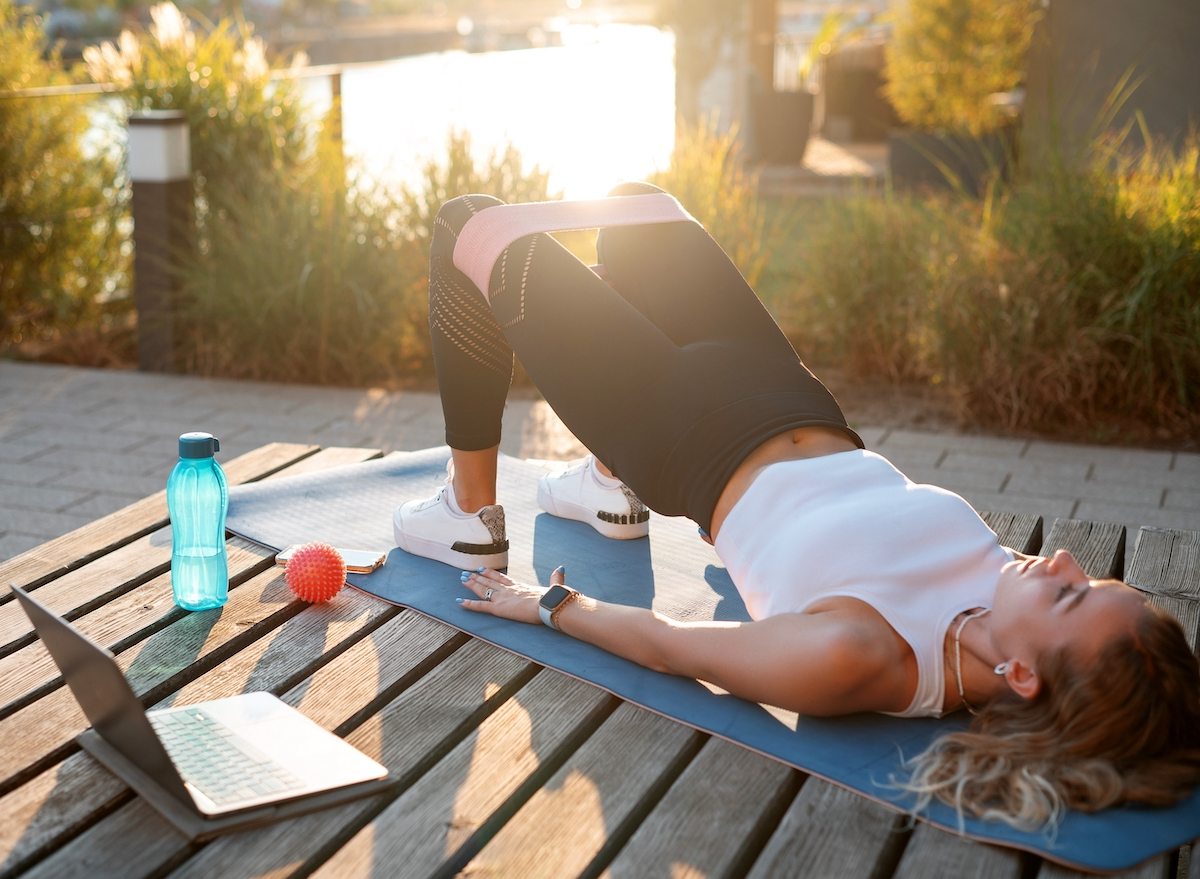
The glute bridge is a foundational exercise that requires the user to lie supine and lift the pelvis toward the ceiling, creating a straight line from the shoulders to the knees. It is not merely a test of strength; it is a test of engagement. By holding this position, you are forcing the posterior chain—the glutes and hamstrings—to do the heavy lifting, effectively offloading the burden from the lower back.
For those over 65, the ability to hold a bridge is a proxy for overall independence. A weak kinetic chain often results in "back-dominant" movement patterns, where the lower back compensates for inactive glutes, leading to chronic stiffness and pain. Furthermore, by strengthening the glutes through bridge work, you provide essential support to the knee joints, often mitigating the discomfort associated with osteoarthritis and general aging.
Chronology: A Roadmap to Testing Your Strength
To derive accurate data from your own performance, consistency in methodology is essential. You cannot gauge progress if the testing environment changes every time.

The Setup
Preparation is the key to an accurate diagnostic.
- The Environment: Choose a firm, flat surface, such as a yoga mat on the floor. If you have mobility issues that make floor work difficult, ensure you have a stable chair nearby to assist in your transition up and down.
- The Positioning: Lie on your back with your knees bent at a 90-degree angle. Place your feet flat on the floor, hip-width apart. Position your heels approximately one hand’s length away from your glutes.
- The Activation: Place your arms at your sides with palms down. If you have neck discomfort, place a folded towel under your head for neutral alignment.
The Execution
Before starting your timed test, perform a "warm-up" set of five to ten gentle bridges. This pre-activates the gluteal muscles and lubricates the hip joints. Once warm, prepare for the timed hold:
- The Lift: Brace your abdominal muscles as if you are preparing for a punch. Press firmly through your heels, not your toes, and squeeze your glutes to lift your hips.
- The Alignment: At the apex of the movement, your body should form a straight, diagonal line from your shoulders through your hips to your knees.
- The Duration: Maintain steady, rhythmic breathing. Keep your hips level—do not allow one side to drop.
Stop the test immediately if:
- Your hips begin to sag.
- You feel a sharp, shooting pain, numbness, or tingling.
- You feel your lower back muscles cramping or taking over the movement.
Supporting Data: Understanding Your Benchmarks
In the world of personal training, benchmarks are not meant to discourage; they are meant to provide a baseline for improvement. After working with thousands of seniors, trainers have established clear metrics for success in the glute bridge test.
- Under 30 seconds: This indicates that your posterior chain is likely underdeveloped. You are at a higher risk of lower back strain during daily tasks.
- 30 to 60 seconds: You have a functional baseline, but there is significant room for improvement to enhance your daily mobility.
- 60 to 90 seconds: This is a strong, healthy range for most individuals over 65.
- 90 seconds to 2 minutes: This is considered a high-level performance, indicating excellent core stability and endurance.
- 2 minutes or more: You are in the top tier of functional fitness. Your glutes and core are effectively protecting your spine and joints.
It is important to remember that these numbers are fluid. If you find yourself in the lower bracket, view it as a roadmap for growth rather than a limitation of your aging body.
Official Responses and Expert Insights
The consensus among orthopedic physical therapists and geriatric trainers is that the sedentary nature of modern life is the primary enemy of the aging core. "Sitting is the new smoking," as the adage goes, but for seniors, the danger is exacerbated by the atrophy of the gluteal muscles.
When the glutes remain underutilized for years, the body undergoes "gluteal amnesia," where the brain struggles to fire these muscles effectively. The glute bridge is the most efficient way to "re-educate" the brain and muscles to work in tandem. Experts suggest that the benefits extend beyond just posture; they reach into the realm of metabolic health and fall prevention. A strong core allows for quick corrective steps if one loses their balance, significantly reducing the risk of life-altering falls.
Implications: Building a Better Future
If your test results are lower than you hoped, do not be discouraged. The muscular system is remarkably adaptable, even well into your 80s and 90s.
The Strategy for Improvement
Rather than attempting "all-out" efforts daily, which can lead to fatigue and injury, focus on interval-based training.
- Sub-maximal sets: If your maximum hold is 40 seconds, perform three sets of 25 seconds with one minute of rest between each. This allows you to accumulate "time under tension" without overloading the system.
- The Marching Bridge: Once you master the static hold, advance to the marching bridge. While in the bridge position, lift one foot two inches off the floor while keeping your hips perfectly level. This builds immense lateral stability.
- Prone Back Extensions: To complement your bridge work, perform prone back extensions. Lie face down, keep your gaze on the floor, and lift your chest slightly. This targets the erector spinae muscles, which are essential for maintaining an upright, confident gait.
The Daily Impact
As you practice these movements three times per week, the implications for your quality of life will be immediate. You will notice that getting out of a low-seated chair requires less effort. You will find that you can walk longer distances without feeling the need to "slouch" or lean on objects for support. Perhaps most importantly, the nagging lower back pain that often greets you in the morning will begin to subside as your core takes over the responsibility of supporting your frame.
Every second you add to your bridge hold is a deposit into your "longevity bank." By dedicating just a few minutes a day to this simple, floor-based test, you are reclaiming the stability and strength necessary to enjoy your golden years with vitality and independence. Retest your time every three to four weeks, and watch as your numbers climb—along with your confidence in your body’s ability to move through the world.
