

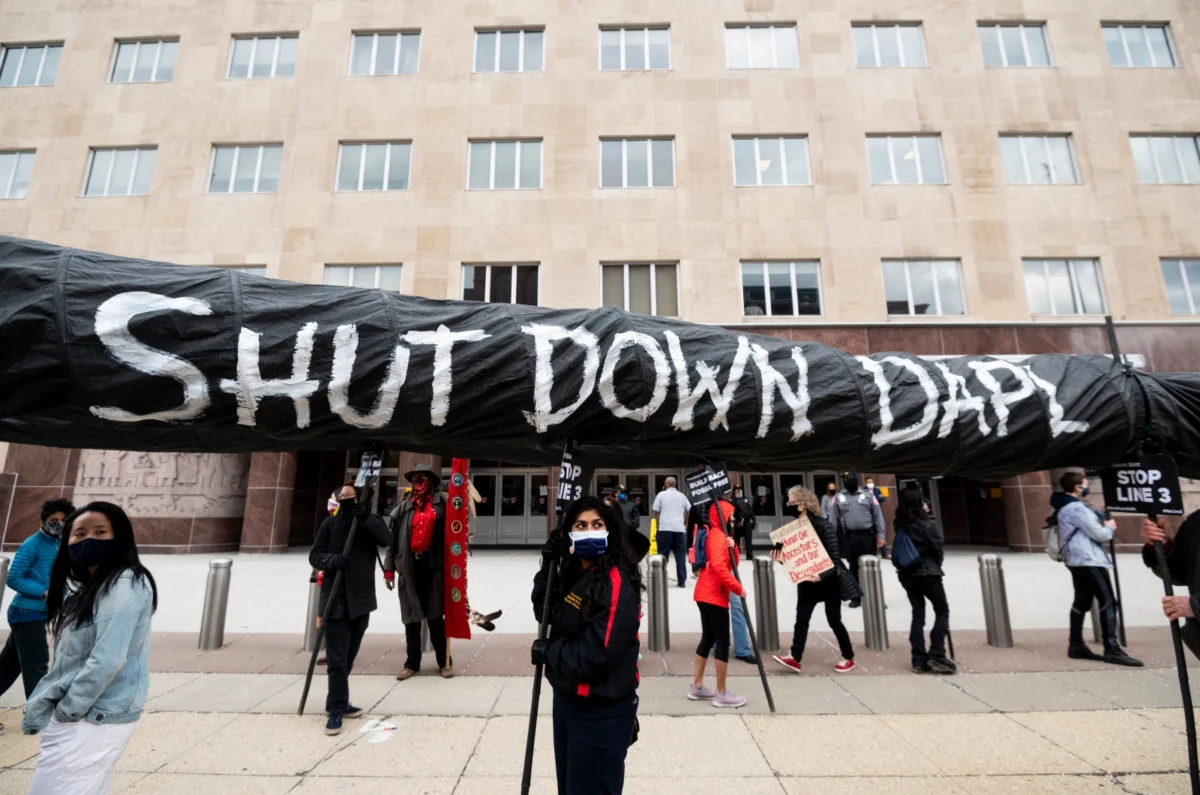
The American climate movement, long characterized by a unified front against carbon emissions, is currently experiencing a profound and potentially permanent fracture. At the heart of this ideological civil war is the Bipartisan American Affordability and Jobs Act (BAAJA), a sweeping piece of legislation that seeks to overhaul the nation’s energy infrastructure by fundamentally altering bedrock environmental laws.
The bill has forced a uncomfortable confrontation between two camps: the "builders"—clean energy developers, policy wonks, and pragmatists—and the "blockers"—activists, legal advocates, and grassroots environmentalists. As the Senate prepares to debate this 400-page framework, the climate movement finds itself divided over a singular, high-stakes question: Is the rapid deployment of clean energy worth the sacrifice of the environmental safeguards that have historically kept fossil fuel expansion in check?
The Anatomy of the BAAJA Bill
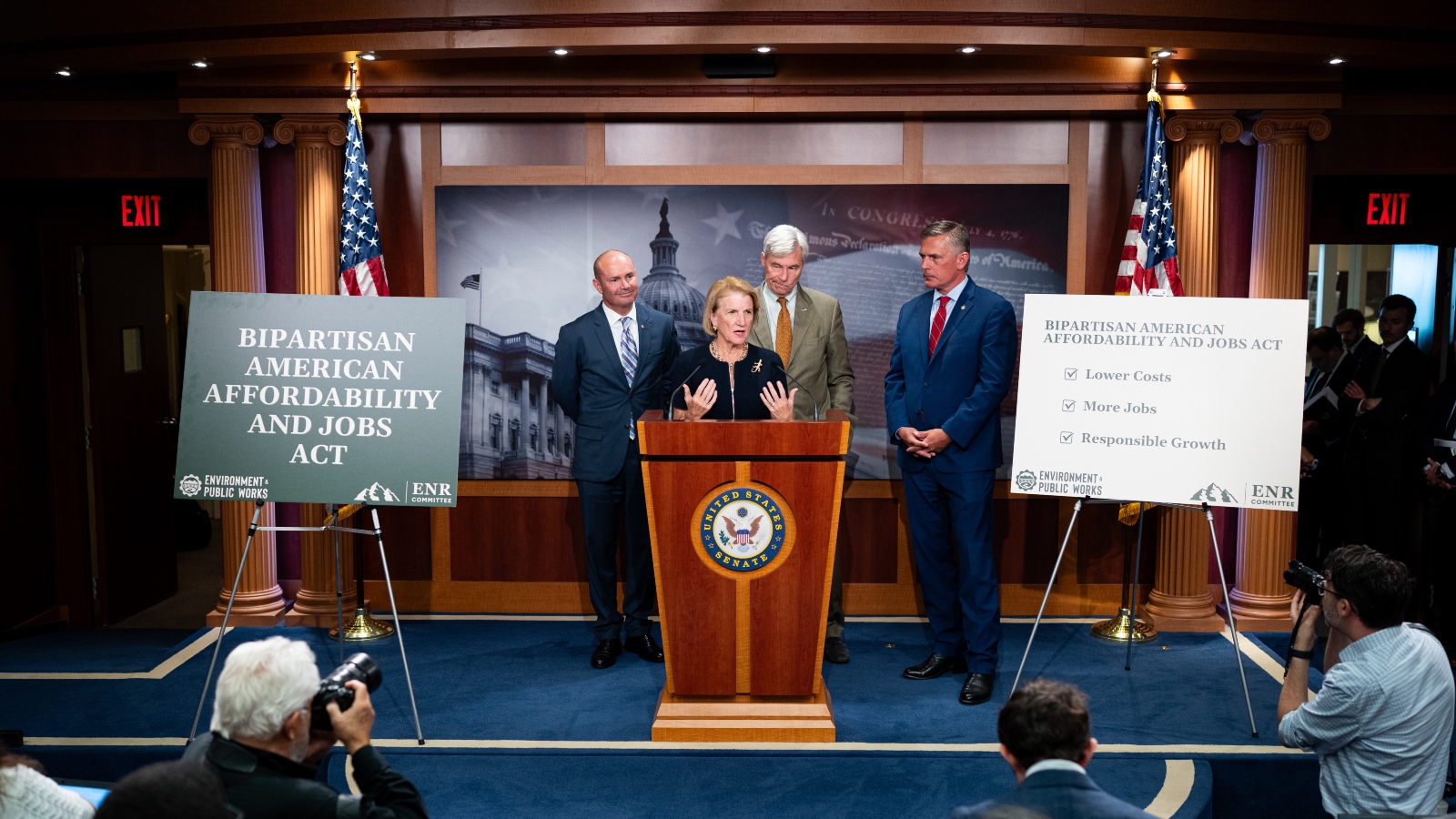
BAAJA is the result of months of intense, behind-the-scenes negotiations between four key Senate figures. The "four corners" of the deal include Democrats Sheldon Whitehouse of Rhode Island and Martin Heinrich of New Mexico, and Republicans Mike Lee of Utah and Shelley Moore Capito of West Virginia.
The legislation is designed to solve a pressing logistical crisis: the U.S. electrical grid is currently incapable of handling the sheer scale of the energy transition. To rectify this, the bill proposes:
- Streamlined Permitting: Drastically reducing the timeline for federal agencies to issue permits for energy projects.
- Litigation Reform: Setting a 150-day statute of limitations for legal challenges to environmental reviews, and preventing courts from halting projects while re-analyses are conducted.
- Transmission Mandates: Forcing utilities and regional grid operators to plan for and build massive interregional transmission lines to carry renewable energy from remote wind and solar farms to urban centers.
- "Permitting Certainty": Establishing legal protections for developers against government-led project cancellations, a provision intended to prevent the kind of regulatory whiplash seen during successive presidential administrations.
A Chronology of the Divide
The current friction is the culmination of years of tactical evolution within the environmental movement.
- The Early 2010s: The movement was defined by "keep it in the ground" advocacy. High-profile resistance against the Keystone XL pipeline and the Dakota Access Pipeline became the gold standard for climate activism. Success was measured by the number of projects stopped.
- 2022–2025: As clean energy technology prices plummeted, the focus shifted from simple protest to infrastructure deployment. However, developers found themselves trapped in a labyrinthine permitting system. A 2025 study revealed that 64 percent of solar projects and 38 percent of wind projects face litigation under the National Environmental Policy Act (NEPA).
- September 2026: The release of the BAAJA draft sent shockwaves through environmental circles. The inclusion of concessions to the fossil fuel industry—specifically environmental exemptions for natural gas pipelines—galvanized opposition.
- October 2026: As Congress entered its fall recess, the movement fractured. While some groups sought to coordinate a unified stance, leaked documents and public statements revealed a deep internal lack of consensus, with major organizations like the Natural Resources Defense Council (NRDC) adopting a "wait and see" posture while smaller grassroots groups declared war on the bill.
The Economic and Scientific Imperative: The Case for Building
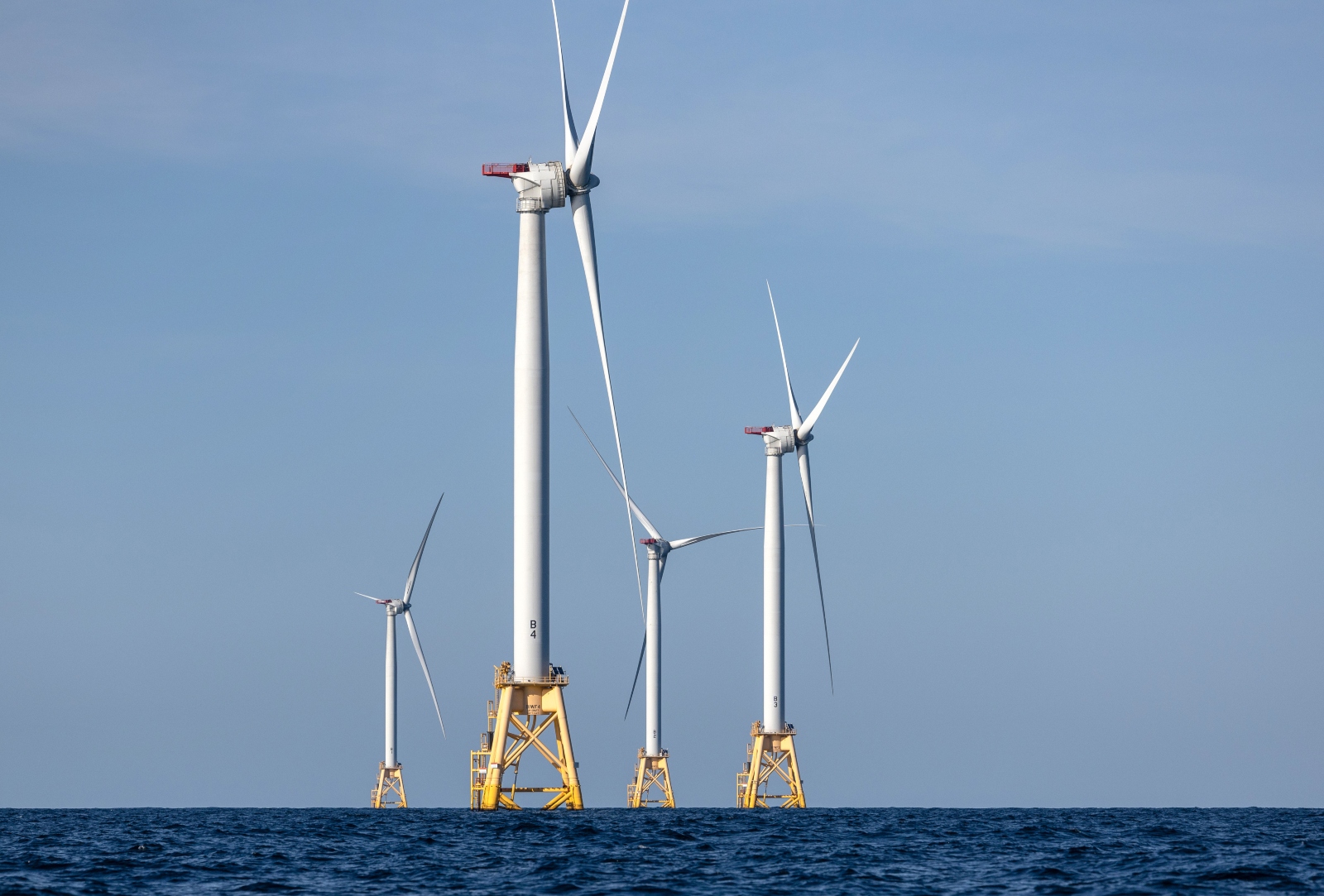
Proponents of BAAJA, including figures like Zeke Hausfather of Berkeley Earth, argue that the climate crisis is a matter of pure math. To hit decarbonization targets, the U.S. must build clean energy infrastructure at an unprecedented pace. Because wind and solar require vastly more land area than fossil fuel plants, they inevitably trigger more environmental reviews, leading to the "litigation loop" that currently hamstrings the transition.
"I don’t want us to run roughshod over any community, but we also can’t give everyone a veto for an issue as important as climate change," Hausfather explains.
From this perspective, the bill is a necessary evolution. By mandating interregional transmission, the bill addresses the "location problem"—the reality that the best wind and solar resources are often thousands of miles from the cities that need them. Industry groups, such as the American Council on Renewable Energy (ACORE), argue that without these reforms, electricity prices will continue to climb, undermining public support for the transition itself.
The Cost of Progress: The Case for Blocking
For critics, BAAJA represents a "Faustian bargain." Organizations like the Center for Biological Diversity and the Southern Environmental Law Center argue that by weakening NEPA and the Clean Water Act, the bill strips marginalized communities—particularly in the Gulf South and Tribal Nations—of their only tools to prevent environmental degradation.
Indigenous groups have been particularly vocal, warning that the narrowing of historic preservation laws will allow developers to bypass consultations regarding sacred sites. Valerie Grussing, executive director of the National Association of Tribal Historic Preservation Officers, notes that the bill effectively guarantees that construction on sensitive lands can proceed before tribes even have a seat at the table.
Beyond local impacts, opponents fear the bill’s "permitting certainty" clauses. These provisions, which prevent the government from "discriminating" against specific energy types, could be used by future administrations to mandate the approval of fossil fuel projects, effectively locking in carbon-intensive infrastructure for decades.
Implications for the Future of Climate Policy
The implications of BAAJA reach far beyond the current legislative session. The bill reflects a fundamental shift in the climate movement’s philosophy: a transition from an adversarial, stop-the-damage model to an industrial-policy model that prioritizes the rapid, if imperfect, construction of a new energy system.
Political Realities
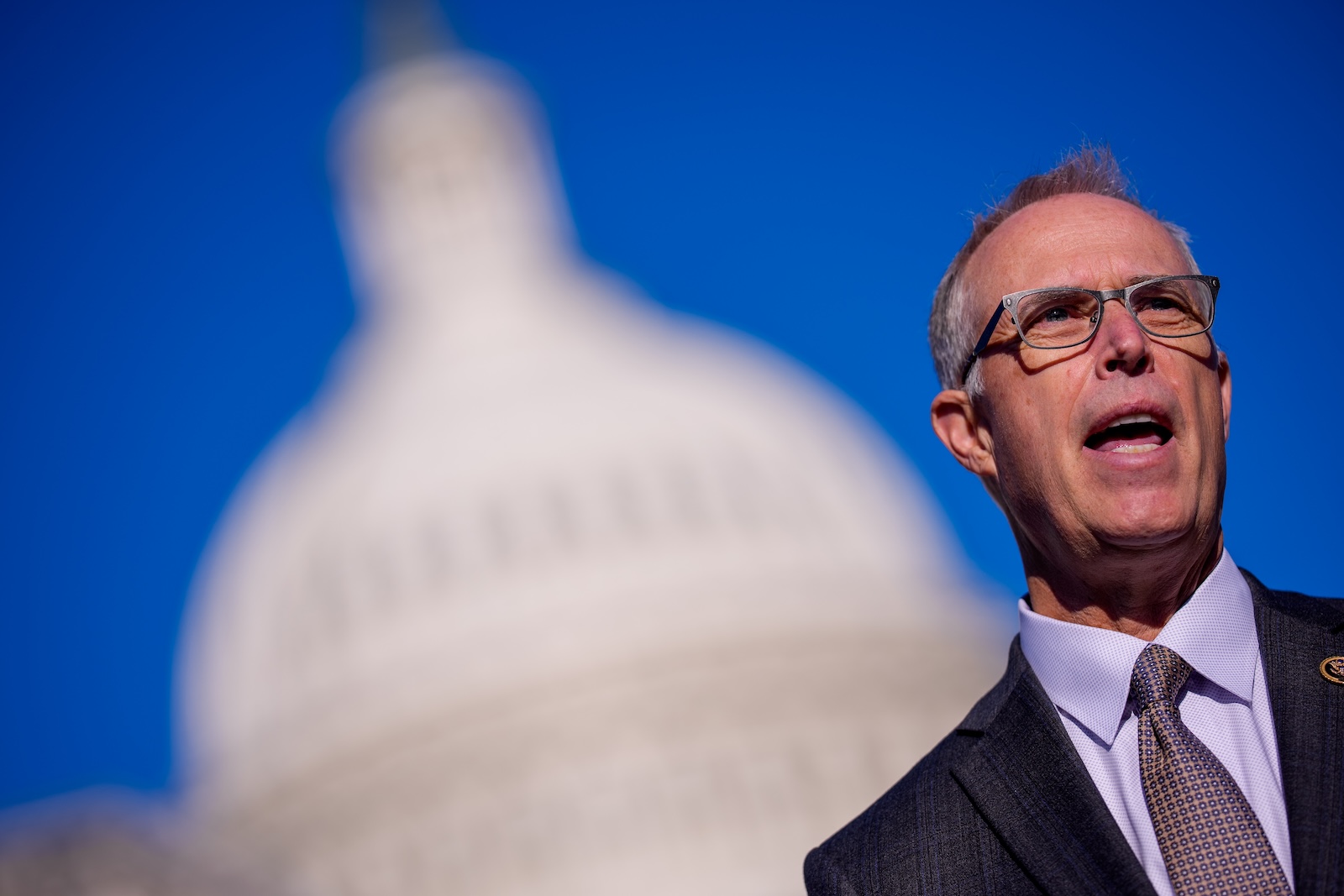
The path forward is fraught with uncertainty. Even if the bill survives committee, it faces a gauntlet in the House of Representatives. Representative Jared Huffman (D-Calif.) has emerged as a key critic, dismissing the bill as a "Trojan horse" for the fossil fuel industry. He suggests that if Democrats perform well in the midterms, they could negotiate a more favorable, less destructive version of the legislation.
However, supporters point out that the window for bipartisan cooperation is narrow. With the political climate in Washington becoming increasingly polarized, a bill that includes both transmission reform and fossil fuel concessions may be the only realistic path toward large-scale decarbonization.
The New "Climate Realism"
The fact that major environmental groups are not universally condemning the bill signals that a form of "climate realism" has taken hold. Many leaders now believe that beating the fossil fuel industry through litigation is a game of diminishing returns, and that the only viable path to success is to build a superior, cheaper energy system that renders fossil fuels obsolete.
Yet, this shift comes at a cost. The movement is forced to reconcile its commitment to environmental justice—which emphasizes local empowerment and protection—with its commitment to global climate goals, which emphasize speed and scale.
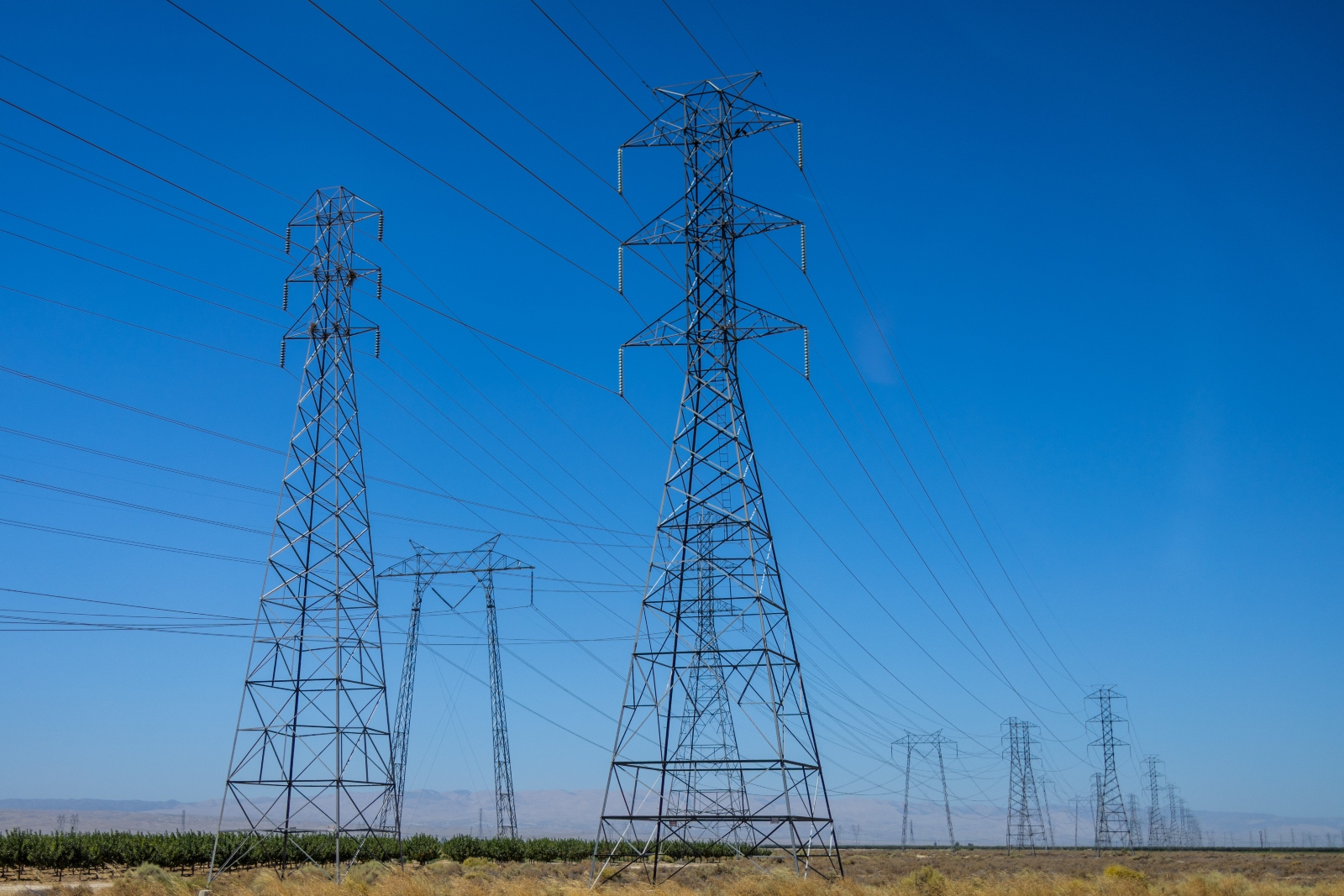
As the debate over BAAJA intensifies, the climate movement must decide if it is a movement of obstruction or a movement of construction. Whether the final version of this bill passes or fails, the fracture it has created is a harbinger of the difficult choices that will define the next chapter of the American energy transition. If the movement chooses to prioritize building, it may succeed in decarbonizing the grid, but it risks losing the trust of the very communities it claims to protect. If it chooses to prioritize absolute protection, it may find itself irrelevant in the face of an accelerating planetary emergency.
For now, the two factions remain at an impasse, waiting to see if they can find a middle ground before the political winds shift once more.
