

The automotive world is currently holding its collective breath as Porsche prepares to pull the veil off its latest engineering marvel. With the official debut of the "Mission S" scheduled for October 15, the Stuttgart-based manufacturer has ignited a firestorm of speculation, excitement, and anticipation. By positioning this vehicle as a new breed of hypercar—one that sits definitively above the legendary 911—Porsche is signaling a radical shift in its performance hierarchy.
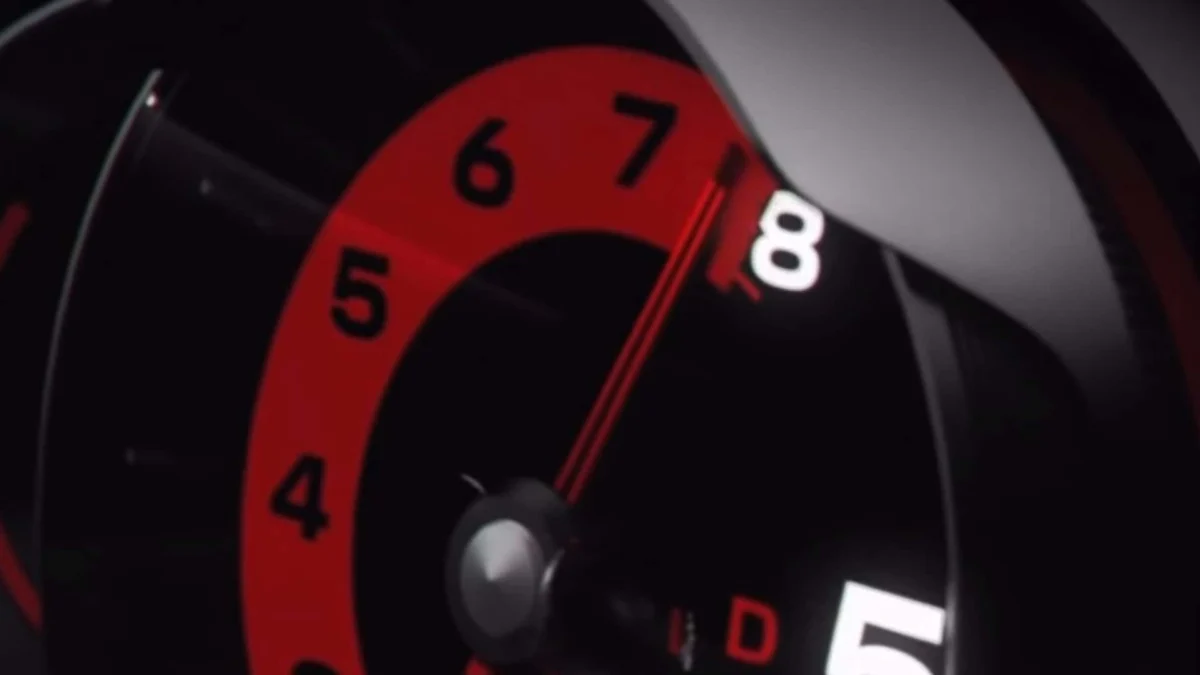
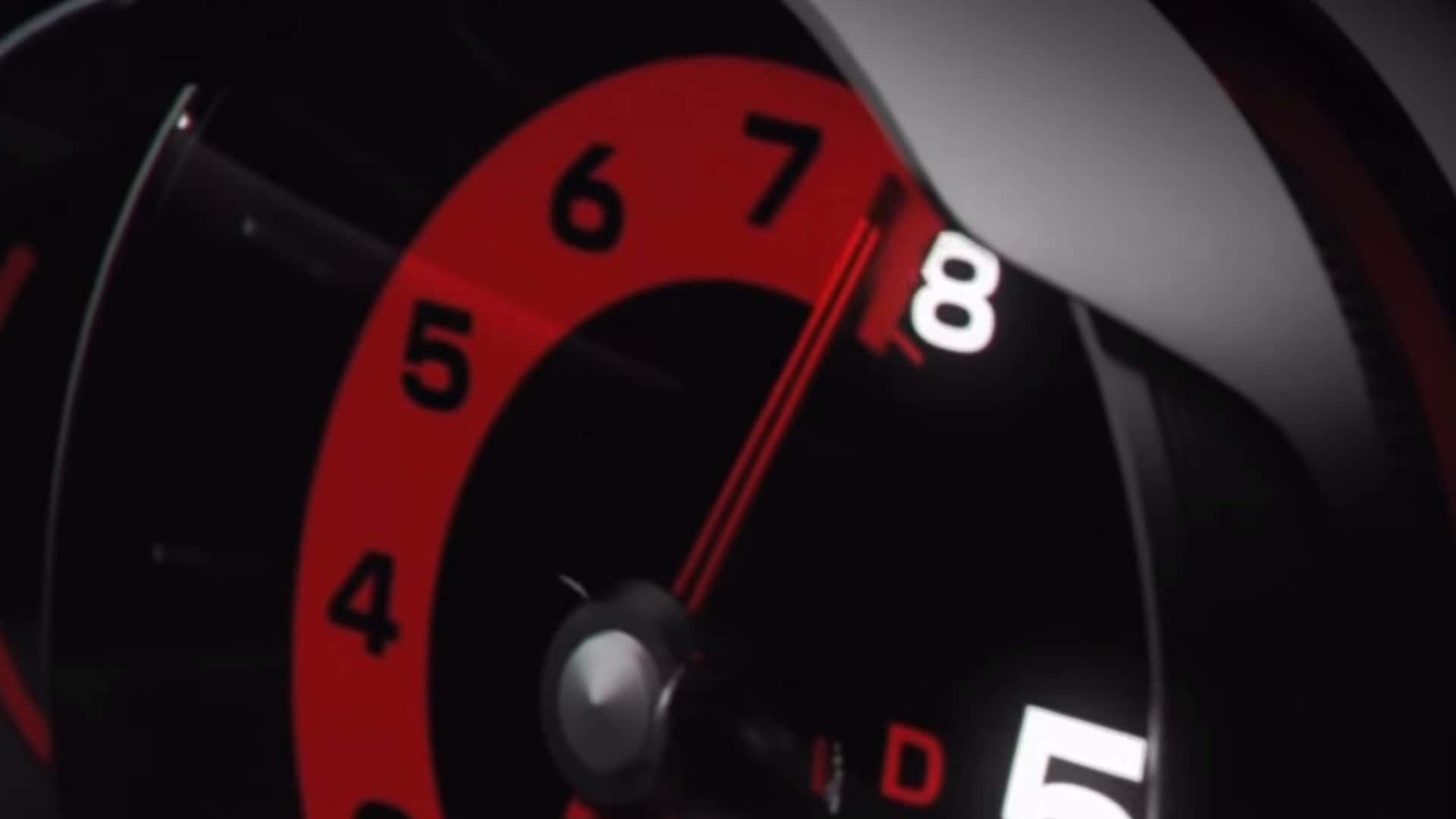
A recently released teaser video has provided the first tangible clues about the project’s character. While brief, the footage offers a tantalizing glimpse into the cockpit, showcasing a tachometer that climbs aggressively to 8,000 rpm and a sophisticated, motorized gauge cluster that extends and retracts with the precision of a high-end timepiece. As the automotive community dissects every frame of this footage, one thing is clear: Porsche is not merely building a car; they are crafting a statement.
Main Facts: A New Pillar for Stuttgart
The Mission S is confirmed to be the foundation of a brand-new, mid-engine supercar platform. Unlike the 911, which remains the backbone of the brand’s sports car identity, this new architecture is designed from the ground up for extreme performance and scalability. Porsche has hinted that this platform may eventually underpin an entire family of ultra-high-end vehicles, effectively creating a "halo" tier that has been vacant since the production run of the 918 Spyder concluded.
The vehicle’s positioning is deliberate. By placing the Mission S above the 911 in the corporate hierarchy, Porsche is challenging the established elite of the hypercar world. The technical specifications remain largely shrouded in mystery, but industry insiders anticipate a powertrain that balances tradition with cutting-edge electrification, a hallmark of Porsche’s current engineering philosophy.
A Chronology of Hypercar Excellence
To understand the significance of the Mission S, one must look at the lineage it aims to continue. Porsche has a storied, if infrequent, history of producing true "halo" cars—vehicles that push the boundaries of what is mechanically possible at the time of their release.
The 959: The Technologist’s Dream
In the 1980s, the 959 redefined the sports car. It was a masterpiece of rally-bred technology, featuring an advanced all-wheel-drive system and a twin-turbocharged flat-six engine that left competitors scrambling to catch up. It wasn’t just a car; it was a laboratory on wheels.
The Carrera GT: The Analog Peak
The early 2000s brought the Carrera GT, a car revered today for its pure, visceral connection between driver and machine. Its naturally aspirated V10 engine, derived from a canceled Formula 1 project, produced a sound and power delivery that remains unmatched in the modern era. It served as a reminder that, regardless of the tech, Porsche’s priority is the driving experience.
The 918 Spyder: The Hybrid Pioneer
The most recent chapter in this lineage was the 918 Spyder. Launched in 2013, it was a bold exploration of electrification. By pairing a high-revving V8 with sophisticated electric motors, the 918 proved that hybridization was not a compromise for performance, but a tool for enhancement. It delivered 887 horsepower and set a benchmark for the hypercar market that lasted for a decade.
The Mission S now stands at the threshold of this legacy, tasked with bridging the gap between the mechanical purity of the past and the digital, electrified precision of the future.
Supporting Data: The Rumor Mill and Technical Speculation
While official details are sparse, the industry has been feverishly analyzing potential powertrain configurations. Among the most credible rumors is the development of a proprietary flat-eight engine. If true, this would be a historic first for a production Porsche, representing a massive investment in internal combustion technology at a time when many rivals are shifting entirely to battery-electric propulsion.
The teaser clip itself offers critical insights into the car’s ergonomics. The extending and retracting gauges—reminiscent of the technology found in Lexus’s high-performance F models—suggest a cockpit that prioritizes driver focus. By allowing the display to shift based on the drive mode, Porsche is emphasizing the "Mission S" as a vehicle that can transform from a refined cruiser to a track-focused weapon at the touch of a button.
Furthermore, the presence of what appears to be a dual-clutch PDK gearbox in the teaser footage points toward an experience that favors speed and efficiency. Whether this gearbox is mated solely to an internal combustion engine, or serves as part of a sophisticated hybrid setup, remains the subject of intense debate. Given the success of the 911 Carrera GTS T-Hybrid, a performance-oriented hybrid system is not just possible—it is probable.
Official Responses and Corporate Strategy
Porsche’s leadership has been careful not to reveal too much before the October 15 debut. However, recent press statements suggest that the Mission S is not just a vanity project. It is a strategic response to the evolving hypercar market, where customers demand not only raw speed but also connectivity, sustainable performance, and exclusivity.
"We are building a platform that will define the next decade of performance," a company spokesperson hinted during a recent investor briefing. The emphasis on a "model line" rather than a single limited-run car suggests that Porsche intends to maximize the return on this expensive architecture by offering various iterations, perhaps including track-only variants or road-legal "RS" versions, mirroring the successful strategy employed with the 911.
Implications for the Industry
The arrival of the Mission S carries profound implications for the high-end automotive sector.
- The Future of the Internal Combustion Engine (ICE): By investing in a new flat-eight engine, Porsche is signaling that it believes there is still a future for high-performance combustion, provided it is optimized with modern hybrid or synthetic fuel technologies.
- The 911’s Status: The introduction of a "superior" platform forces the 911 to sharpen its focus. Rather than trying to be the "fastest thing on earth," the 911 will likely continue to evolve as the ultimate driver’s sports car, leaving the "hypercar" heavy lifting to the Mission S.
- Market Disruption: Competitors like Ferrari, Lamborghini, and McLaren are currently in the midst of their own electrification transitions. Porsche’s move to introduce a new flagship platform at this specific moment is a tactical attempt to reclaim the crown of performance leadership.
Conclusion: The Countdown Begins
As October 15 approaches, the automotive world waits to see if the Mission S can live up to the immense weight of expectation. It must carry the DNA of the 959, the soul of the Carrera GT, and the technical innovation of the 918 Spyder.
From the glimpse of that 8,000 rpm tachometer, it is clear that Porsche has not lost its focus on the thrill of the drive. The Mission S appears poised to be more than just a list of specifications; it is a manifestation of Porsche’s commitment to engineering excellence. Whether it utilizes a revolutionary flat-eight or a cutting-edge hybrid system, one thing is certain: the hierarchy of the supercar world is about to be rewritten.
For the enthusiasts, the collectors, and the engineers, the wait is almost over. On October 15, we will finally see if the Mission S is the new king of the road, or perhaps, the start of a whole new kingdom.
