

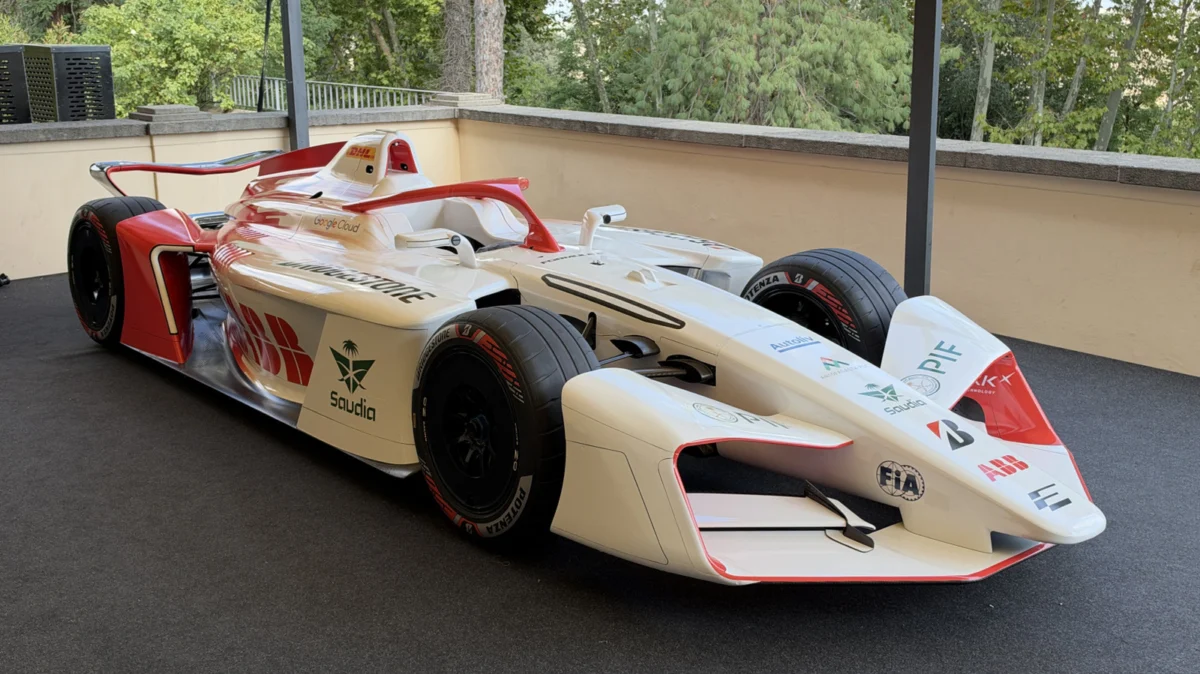
In the world of professional motorsport, rain is traditionally viewed as the great disruptor—an unpredictable element that forces teams to scramble, delays start times, and often compromises the spectacle for the sake of safety. However, at a recent unveiling in a historic Roman villa, Bridgestone and Formula E signaled a paradigm shift that could transform how we view wet-weather racing. With the debut of the specialized "Typhoon" tire, the world’s premier electric racing series is positioning itself to become the first major motorsport competition where rain isn’t just tolerated; it might soon become the most anticipated condition on the calendar.
The Return of a Giant: Bridgestone’s Strategic Re-entry
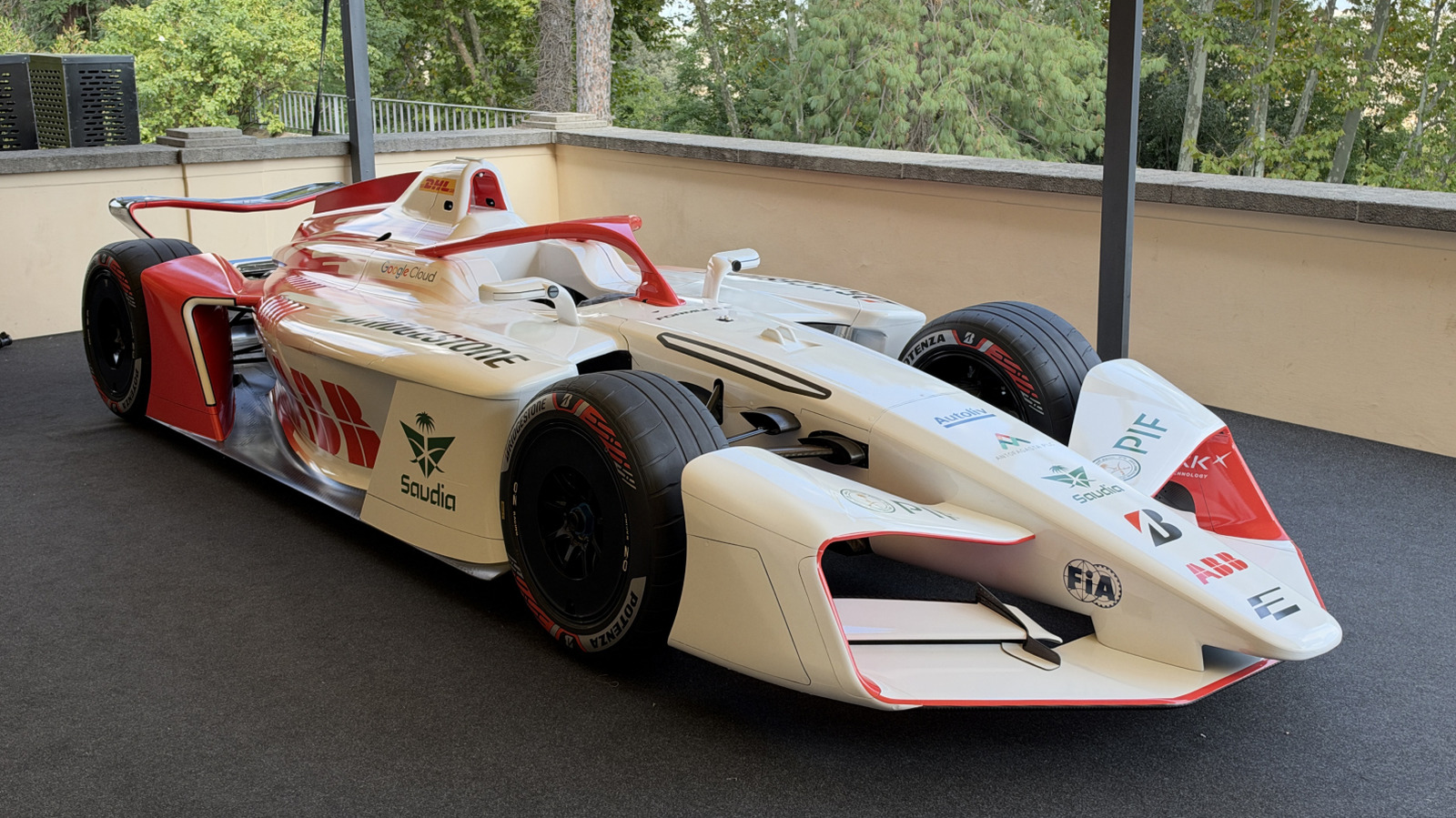
Bridgestone, the 95-year-old Japanese tire titan, is ending a 16-year hiatus from FIA-sanctioned world championship racing to serve as the exclusive tire supplier for the 2026/27 Formula E season. This partnership is far more than a branding exercise; it is a fundamental technological integration. Having been involved in the developmental gestation of the new Gen4 race car, Bridgestone is treating this return as a showcase of its future-forward engineering capabilities.
Hiroshi Imai, Bridgestone’s Vice President of Motorsport, emphasized that this partnership is a "proper showcase of technology, both performance and sustainability." For a company with 242 races and 175 victories in Formula 1 history, the pressure to deliver is immense, yet the approach remains rooted in the rigorous testing protocols perfected at the company’s Technical Center in Europe.
Chronology of Innovation: From Concept to Gen4
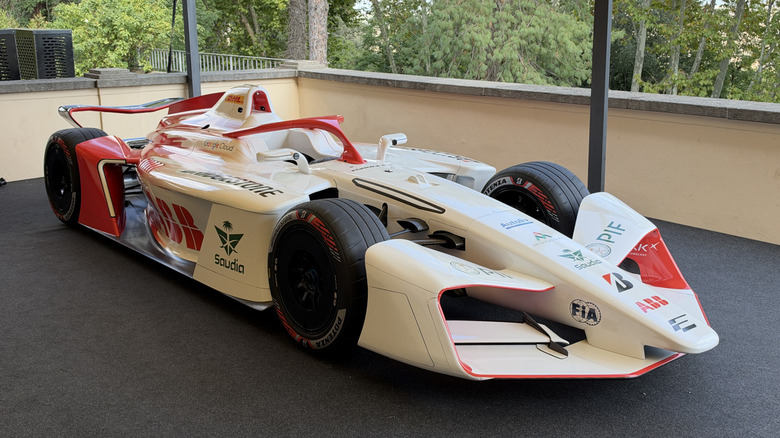
The journey to the Gen4 era has been one of extreme performance gains. The Gen4 vehicle represents a generational leap over its predecessors, boasting 815 horsepower and permanent all-wheel drive. Capable of hitting 62 mph in a staggering 1.8 seconds—outperforming modern Formula 1 cars in raw acceleration—the Gen4 car required a clean-sheet approach to tire development.
- Pre-Season Development: Bridgestone began tire development long before the Gen4 chassis was finalized, ensuring the rubber compounds were perfectly matched to the car’s extreme torque and aerodynamics.
- The Testing Phase: To ensure the tires could handle real-world conditions, Bridgestone utilized advanced proving grounds, including tracks in Spain equipped with massive sprinkler systems. This allowed engineers to simulate everything from light drizzle to torrential downpours.
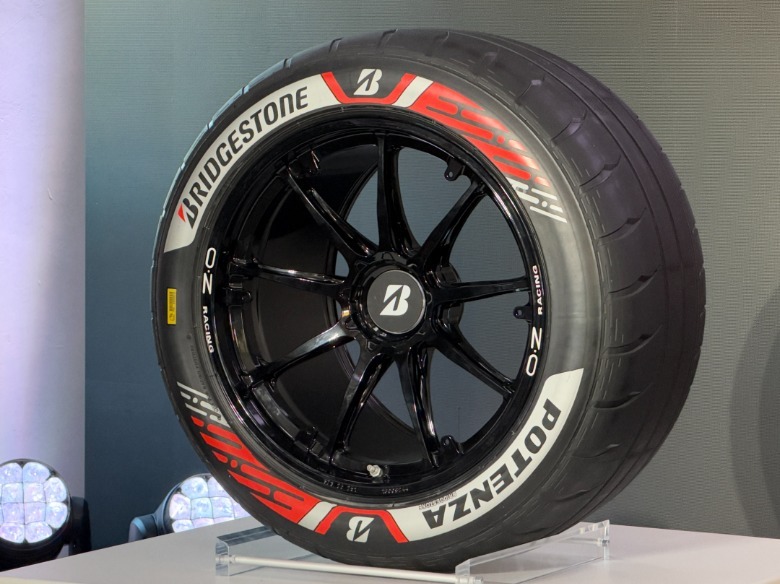
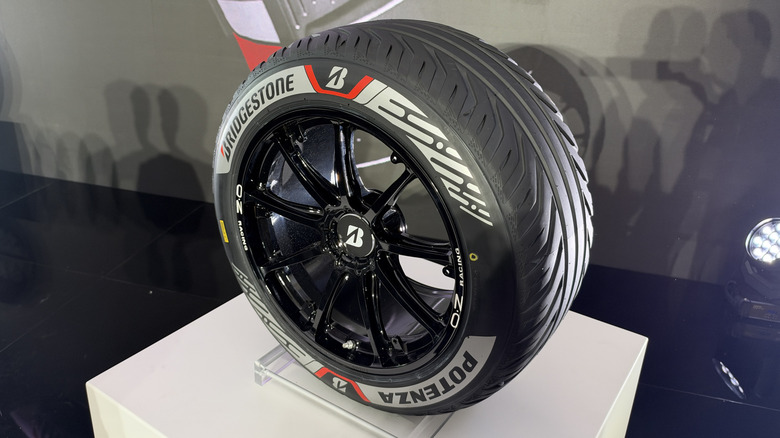
- The "Typhoon" Reveal: The highlight of the Rome event was the introduction of the Potenza Gen4 "Typhoon," a tire specifically engineered to maintain high-speed grip and water evacuation without the need for constant pit stops or race neutralizations.
Supporting Data: Engineering for the Future
The performance metrics of the new Gen4 platform are, by any measure, extraordinary. James Rossiter, a former racing driver and lead development pilot for the project, candidly admitted that his first laps in the Gen4 car were physically and mentally overwhelming. "My consciousness was left behind when I left the pit lane," he noted.
The technical specifications of the tire program are equally impressive:
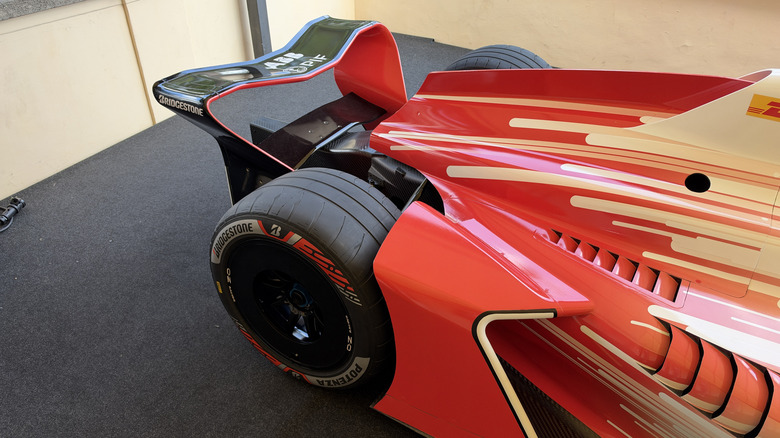
- Sustainability Standards: In alignment with Formula E’s zero-emissions mission, 65% of the tire composition is derived from recycled or renewable materials. Notably, Bridgestone has replaced traditional silica—typically sourced from sand—with materials derived from rice husks to create a more resilient molecular structure.
- Longevity: Rossiter reported that the tires are capable of exceeding 100 laps at "maximum attack" speeds with negligible degradation. This reliability allows for a more consistent race strategy, as teams are no longer forced to manage tire wear as a primary performance limiter.
- Logistical Efficiency: Moving away from the industry standard of air-freighting tires, Bridgestone has committed to ocean freight for global transport. While this requires a more rigid, long-term supply chain plan, it significantly lowers the carbon footprint of the series.
Official Perspectives: The Driver’s Verdict
The excitement surrounding the Typhoon tire is not limited to marketing materials. During a roundtable discussion in Rome, the consensus among drivers was that the tire changes the fundamental physics of racing in the wet.
"I could drive almost flat out and brake five to eight meters earlier at 200 mph and still make the apex," Rossiter remarked during the launch. His assessment suggests that the car-tire combination is so effective that it could potentially outperform a wet-tire-equipped Formula 1 car in similar conditions. This level of confidence is rare in professional racing, where rain usually forces drivers to drive with extreme caution. The "Typhoon" effectively "extends the reality" of what is possible, allowing drivers to push to the absolute limit even when the track is soaked.
The Industrial Ecosystem: A Look Inside the Factory
The scale of Bridgestone’s commitment is best understood at its European Technical Center. The facility houses a state-of-the-art "driver-in-the-loop" simulator, a massive rig that mimics the G-forces and visual environment of a real track.
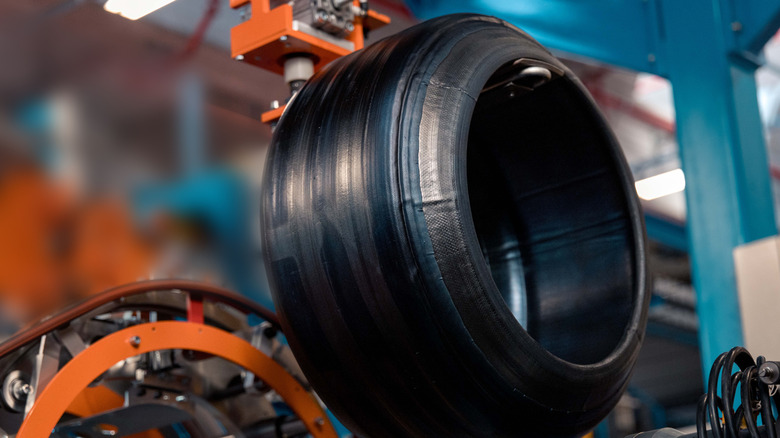
During a tour of the production floor, journalists witnessed the blend of high-tech automation and artisan-level craftsmanship. Workers were observed handling rubber compounds with the care of pastry chefs, ensuring the structural integrity of every unit. With a global R&D budget of approximately €800 million, Bridgestone is leveraging its vast network of seven research centers and ten proving grounds to treat every tire as a piece of precision instrumentation rather than a consumable part.
Implications for the Future of Motorsport
The implications of this collaboration are profound. By solving the "wet weather problem," Formula E is insulating itself against the variables that have historically plagued racing schedules. As climate change makes extreme weather events more common, having a tire that can thrive in these conditions is a competitive advantage that could set the standard for all FIA series.
Furthermore, the "circle of life" philosophy—where the tires are designed to be recycled back into new race rubber—creates a closed-loop system that sets a new benchmark for sustainable sport. As the series prepares for its first race of the 2026/27 season, scheduled for December in Jeddah, Saudi Arabia, the industry will be watching closely.
The upcoming North American circuit—featuring stops in Austin and Miami—will provide the perfect stage for the Gen4 car to prove its mettle. If the performance on the track mirrors the data from the simulator, Formula E will have successfully achieved the impossible: making the rain the most exciting part of the show.
For fans, the transition to the Gen4 era represents a move toward a faster, more sustainable, and more resilient form of racing. Whether in the scorching heat of the Middle East or the unpredictable storms of a coastal city, the Bridgestone Potenza Gen4 ensures that the "show goes on." If the early feedback is any indication, we are entering a new golden age of electric motorsport—one where the sound of rain hitting the track is no longer a signal for a delay, but an invitation to witness history.
