

The landscape of the global pickup truck market is undergoing a seismic shift. For decades, the segment has been dominated by a select group of legacy manufacturers—Ford, Toyota, and Isuzu—whose reputations were built on the mechanical reliability of traditional internal combustion engines. However, as the automotive world pivots toward electrification, a new breed of high-performance plug-in hybrid (PHEV) utility vehicles is emerging from China, challenging the status quo with aggressive pricing, cutting-edge technology, and unparalleled power figures.
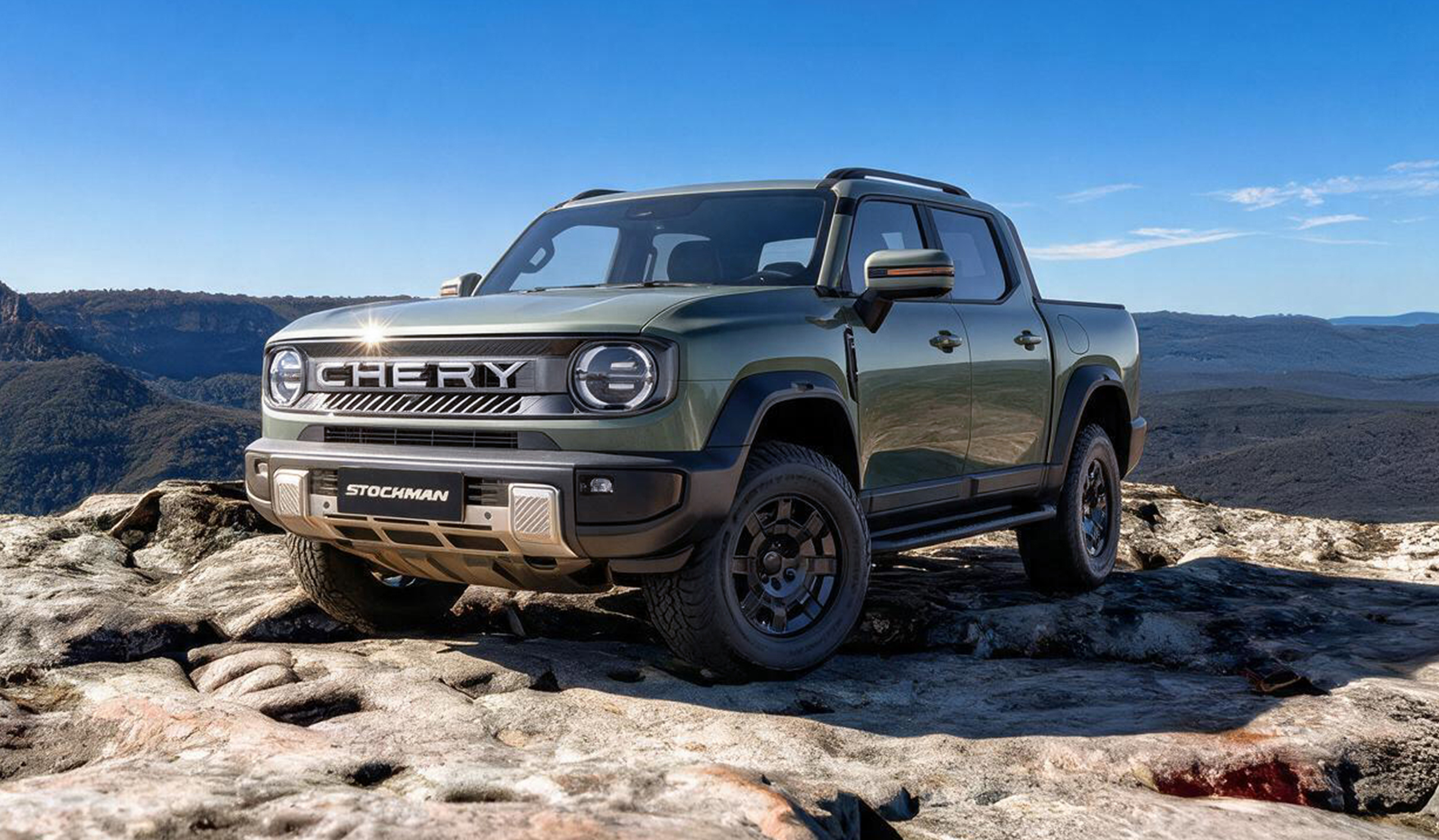
Leading this charge is Chery, which has officially pulled back the curtain on the production-ready specifications of its highly anticipated pickup truck, the Stockman. With a sophisticated turbo-diesel plug-in hybrid powertrain, a trio of locking differentials, and a focus on serious off-road capability, the Stockman is positioned to be a disruptive force, particularly in markets like Australia where the "ute" is more than a vehicle—it is a cultural icon.
The Genesis of the Stockman: A Chronology of Development
The journey of the Stockman from a conceptual sketch to a production-bound vehicle has been rapid, reflecting the agility of Chinese manufacturers in the current EV era.
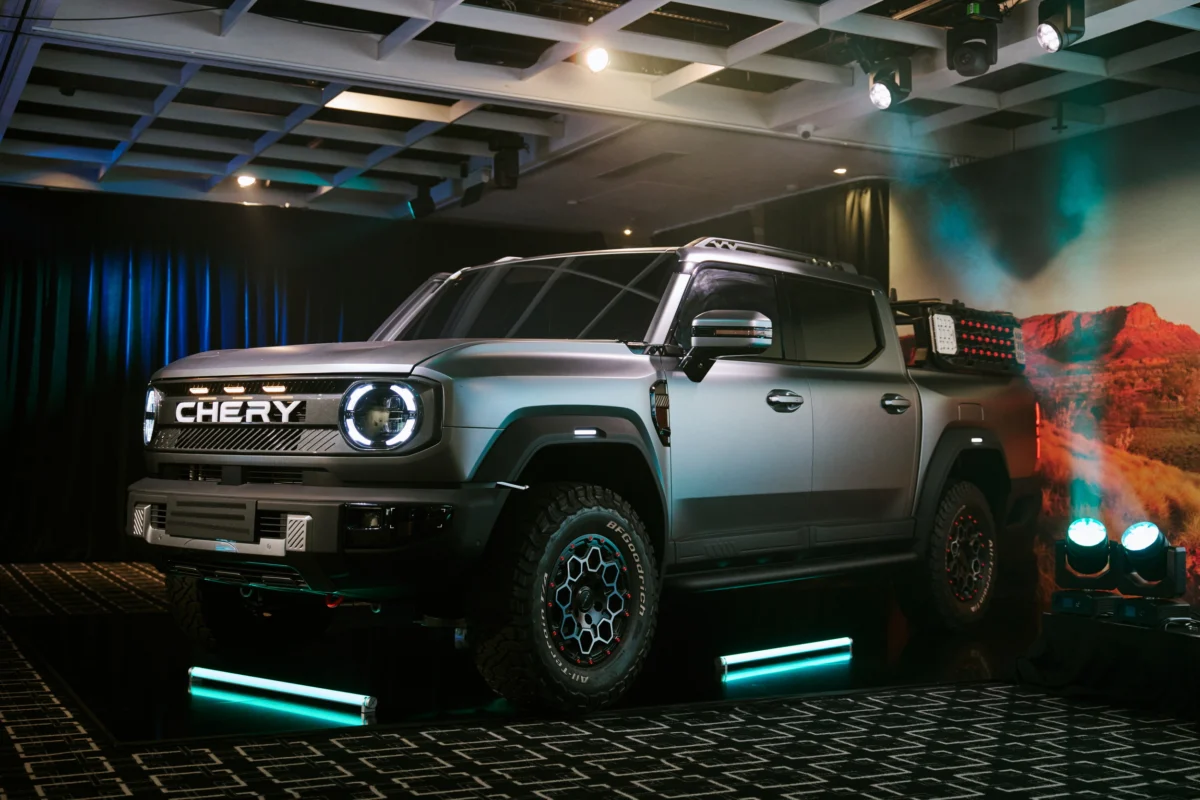
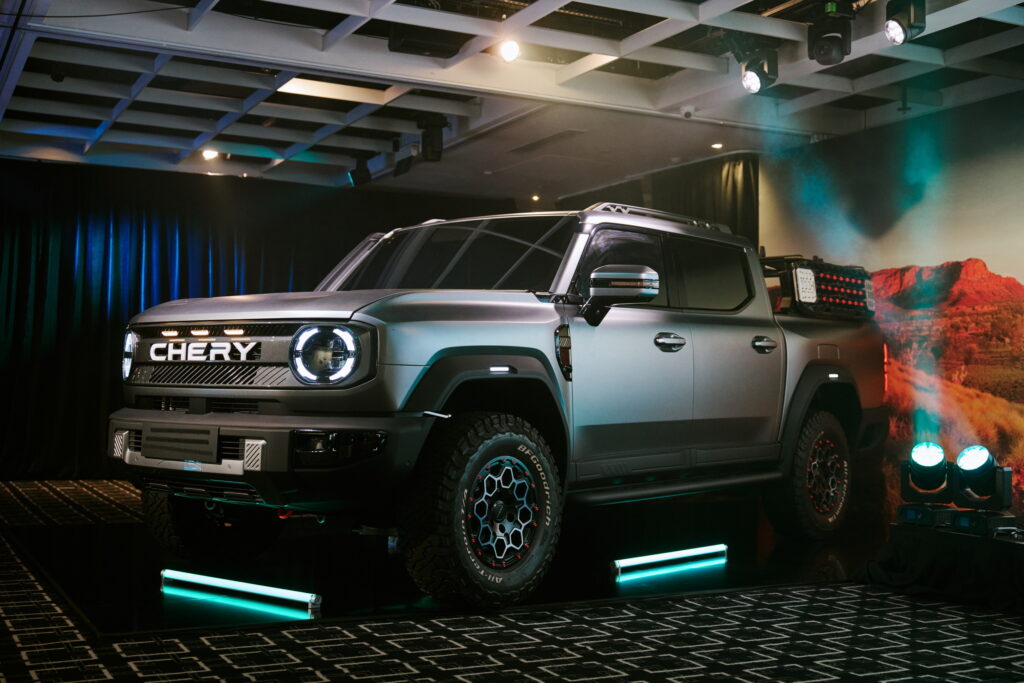
The project first garnered international attention in February 2026, when Chery unveiled the KP31 concept. At the time, industry analysts were skeptical about the brand’s ability to pivot from its SUV-heavy portfolio into the demanding world of utility trucks. However, the KP31 served as a bold statement of intent. By April 2026, the company had moved beyond mere concepts, finalizing the engineering architecture that would underpin the vehicle.
The subsequent months were marked by intense development and branding hurdles. In June 2026, a minor controversy emerged regarding the name "Stockman," as it drew comparisons to a legacy moniker associated with Suzuki. While Suzuki publicly expressed a sense of flattery regarding the homage, the incident highlighted the sensitivity of entering established markets. By October 2026, the vehicle was officially christened the Chery Stockman, with confirmed plans for customer deliveries to commence in early 2027.
Powertrain and Engineering: Outperforming the Competition
At the heart of the Chery Stockman lies a powertrain that sets it apart from the current wave of petrol-based PHEV pickups. While rivals like the BYD Shark 6 have opted for gasoline-electric configurations, Chery has doubled down on the torque-heavy reliability of a 2.5-liter turbo-diesel four-cylinder engine.

This engine is paired with a potent electric motor and a substantial 34 kWh lithium-ion phosphate battery, resulting in a combined output of 469 horsepower (350 kW). While this horsepower figure puts it on par with the class-leading BYD Shark 6, it is in the torque department where the Stockman flexes its muscles. Producing 590 lb-ft (800 Nm) of torque, the Stockman offers an additional 74 lb-ft (100 Nm) over its direct competitors.
For the traditional truck buyer, this is a significant metric. Higher torque at lower RPMs is essential for heavy-duty towing, sand driving, and technical rock crawling. Furthermore, the inclusion of a 34 kWh battery allows for an impressive 60 miles (96 km) of pure electric range, a figure that significantly reduces the cost of operation for urban commuters who want the utility of a truck without the constant reliance on diesel fuel.
Off-Road Dominance: A Trio of Locking Differentials
The most striking feature of the Stockman, however, is its commitment to genuine off-road performance. While many modern pickups are becoming "soft-roaders" with advanced traction control systems, Chery has opted for mechanical integrity.
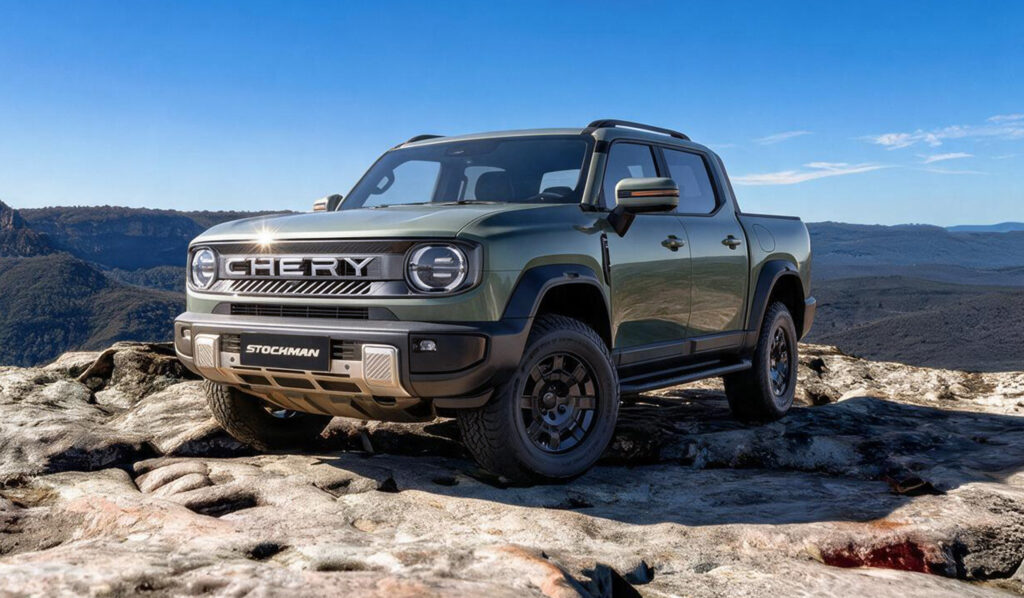
The Stockman comes standard with a full suite of three locking differentials—front, center, and rear. This setup allows the driver to manually distribute power to all four wheels, ensuring that even if three wheels are off the ground or stuck in deep mud, the vehicle retains the ability to move forward. This configuration is usually reserved for high-end, purpose-built off-roaders like the Mercedes-Benz G-Wagon or specialized variants of the Ford Ranger Raptor.
Complementing these differentials is a robust chassis setup featuring double-wishbone suspension at the front and traditional, heavy-duty leaf springs at the rear. This combination provides the best of both worlds: the handling precision and comfort of a modern front-end design with the load-bearing capacity and durability required for rugged, unpaved terrain. The addition of factory-fitted all-terrain tires completes a package that is clearly intended for the harshest Australian outback conditions.
Supporting Data: Towing and Utility Capabilities
In the segment of mid-size pickups, towing capacity is often the ultimate benchmark of a vehicle’s viability. Chery has targeted a towing capacity of 7,705 lbs (3,495 kg), placing the Stockman in direct competition with the "Big Four" of the utility world: the Toyota Hilux, Ford Ranger, Isuzu D-Max, and the emerging Kia Tasman.

By matching these industry standards, Chery is signaling that the Stockman is not merely a technological toy, but a work tool. When combined with the high-torque diesel powertrain, this towing capacity suggests that the Stockman will be capable of hauling horse floats, construction trailers, and heavy caravans with ease, effectively removing one of the biggest barriers to entry for electric-assisted vehicles in the towing market.
The Digital Cockpit: Technology Meets Utility
While the mechanicals are built for the bush, the interior of the Stockman is designed for the modern driver. The cabin is dominated by a 15.6-inch high-resolution infotainment display that serves as the command center for the vehicle’s navigation, climate, and off-road monitoring systems. A 10.25-inch digital instrument cluster provides the driver with essential vehicle data, while a 14-speaker audio system ensures that the cabin remains a place of comfort during long-haul journeys.
Safety, often a point of contention for imported vehicles in the past, has been addressed through a comprehensive Advanced Driver Assistance Systems (ADAS) suite. This includes autonomous emergency braking, lane-keeping assist, adaptive cruise control, and 360-degree cameras, ensuring the vehicle meets the stringent safety ratings required for entry into developed international markets.

Implications for the Global Market
The impending arrival of the Chery Stockman carries significant implications for legacy manufacturers. For years, companies like Toyota and Ford have benefited from a relatively slow rate of innovation in the mid-size pickup space. The Stockman, however, represents a "new-gen" approach where traditional engineering (diesel engines) is synthesized with modern efficiency (plug-in electric motors).
The Pricing War
The most critical factor remains the MSRP. With the BYD Shark 6 Performance retailing at approximately $62,900, market analysts expect Chery to price the Stockman at a competitive parity. If Chery can maintain this price point, it will create a massive pricing pressure on legacy brands, forcing them to either accelerate their own electrification timelines or lower their margins to remain relevant.
The Future of the Hybrid Pickup
The Stockman also signals a shift in the hierarchy of powertrains. By utilizing a diesel-hybrid, Chery is acknowledging that in many parts of the world, full battery-electric vehicles (BEVs) are still hindered by charging infrastructure and range anxiety when towing. The plug-in diesel hybrid acts as a bridge, offering the benefits of electrification without sacrificing the range and torque of traditional diesel.
The Roadmap Ahead
Looking forward, the Stockman is merely the first step. Chery has already hinted at a gas-powered plug-in hybrid variant that will feature an independent rear suspension instead of the leaf-spring design of the diesel. This suggests that the company is planning a multi-tiered rollout, offering a "workhorse" version for tradespeople and a "lifestyle" version for recreational users.
Conclusion
The Chery Stockman is more than just another pickup truck; it is a manifestation of the rapidly evolving automotive hierarchy. By blending the raw, mechanical capability of locking differentials and a turbo-diesel engine with the sophisticated torque-fill of an electric motor, Chery has created a vehicle that addresses the specific needs of the global utility market.
As the industry prepares for the Stockman’s launch in 2027, the question is no longer whether Chinese manufacturers can produce a competitive truck, but how quickly the legacy giants can respond to this new standard of power, technology, and value. For the consumer, the competition is a welcome development—promising a future where the most capable trucks on the market are also the most technologically advanced.
