

As the calendar turns toward the end of October, the gardening community in the Midwest faces an inevitable reality: the vibrant, lush growing season of summer is rapidly yielding to the crisp, dormant reality of winter. Yet, for those with a keen eye for design and a passion for horticulture, the transition period is not an end, but rather an opportunity for a final, spectacular performance. In the world of container gardening, few practitioners capture this seasonal shift with as much finesse as Howard, a Chicago-based designer who has spent nearly four decades perfecting the art of the seasonal display.
Main Facts: The Philosophy of Seasonal Transitions
The core of Howard’s methodology lies in the belief that a garden should never truly "sleep." Even as temperatures drop in Zone 6a, his approach to container design emphasizes that exterior spaces can remain visual focal points through the strategic use of texture, color repetition, and architectural plant selection.
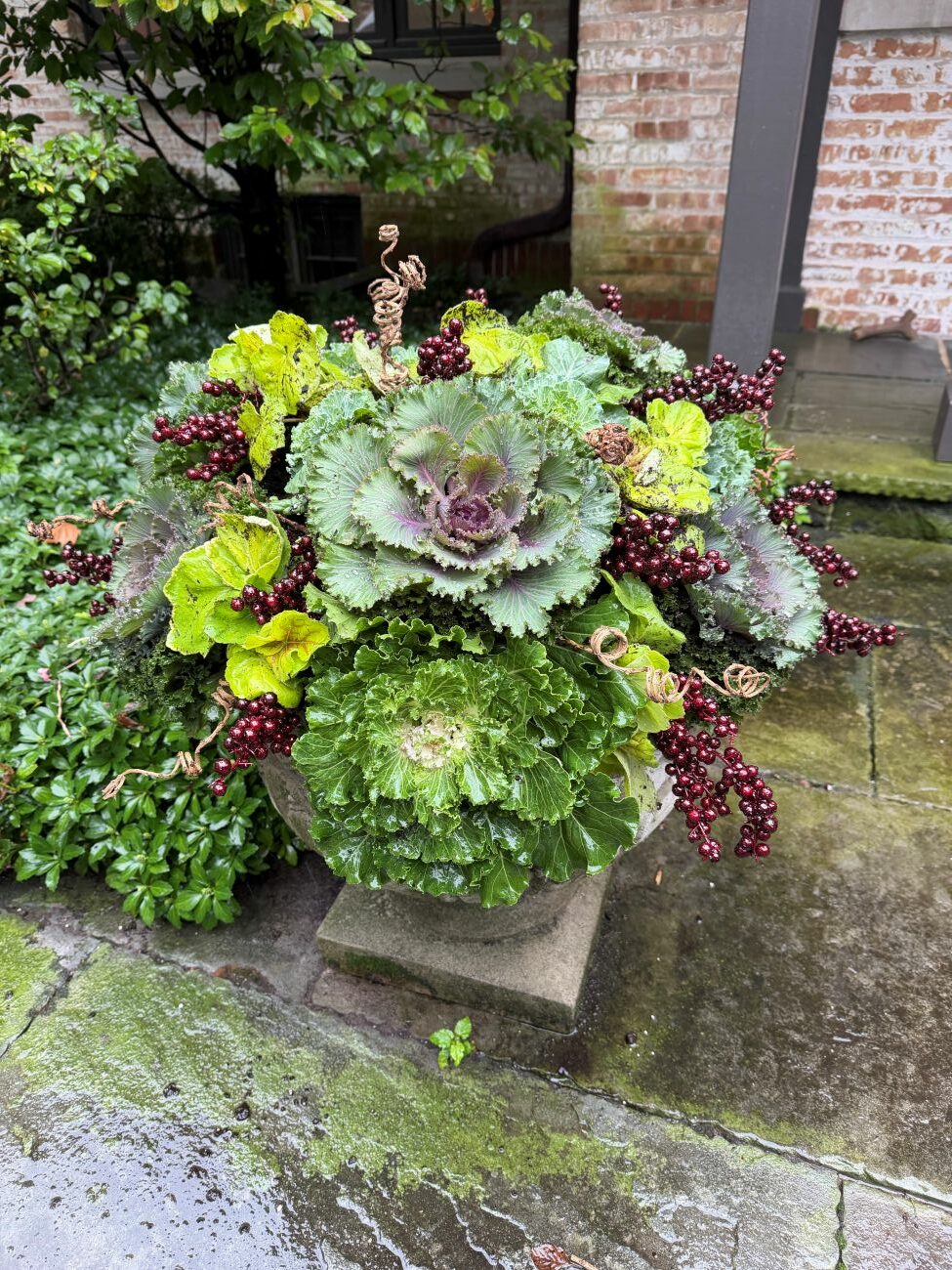
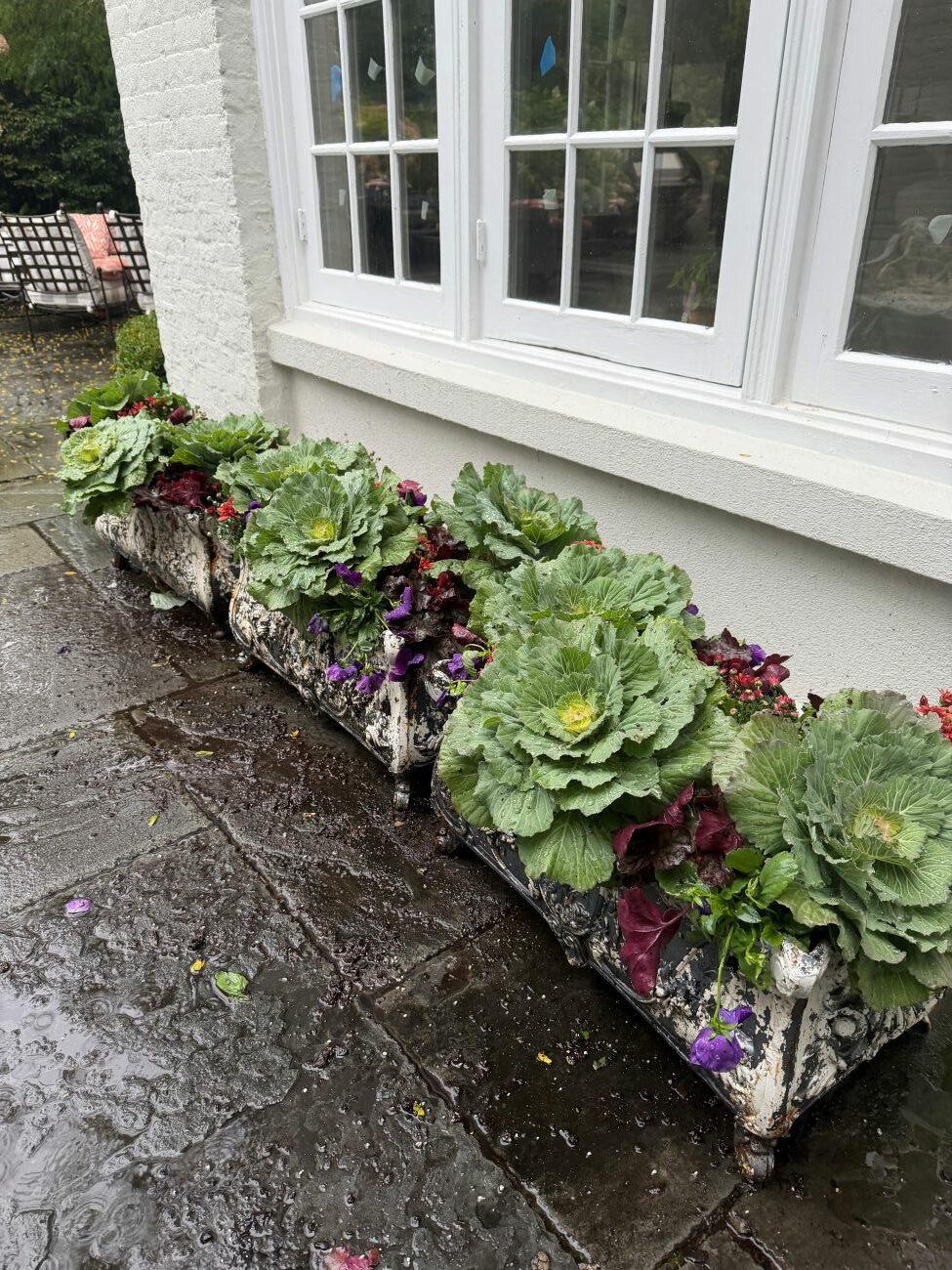
Howard’s recent work in Glencoe, Illinois, serves as a masterclass in this philosophy. By shifting away from summer perennials and tropicals, he moves toward a palette defined by ornamental brassicas, hardy evergreens, and woody, berry-laden stems. This transition is not merely functional—it is an aesthetic statement designed to bridge the gap between the vibrancy of harvest time and the stark elegance of winter. His containers are not just accessories; they are structural elements that ground the architecture of a home, softening hardscapes and creating a welcoming atmosphere for residents and guests alike.
A Chronology of Artistic Evolution
Howard’s career trajectory, spanning nearly forty years, has seen the evolution of container gardening from a simple hobby into a sophisticated form of landscape architecture. His previous contributions to the Garden Photo of the Day (GPOD) series—ranging from intricate spring bulb arrangements to his celebrated, highly creative Halloween displays—showcase a designer who is constantly iterating on his own successes.
The recent Glencoe project represents the latest chapter in this long-running narrative. The process, as documented on a rainy autumn day in Illinois, begins with the careful selection of durable, weather-resistant materials. The timeline of his design process is deliberate:
- Assessment: Evaluating the existing hardscape (stonework, entryway architecture) to ensure the pots complement rather than clash with the home’s exterior.
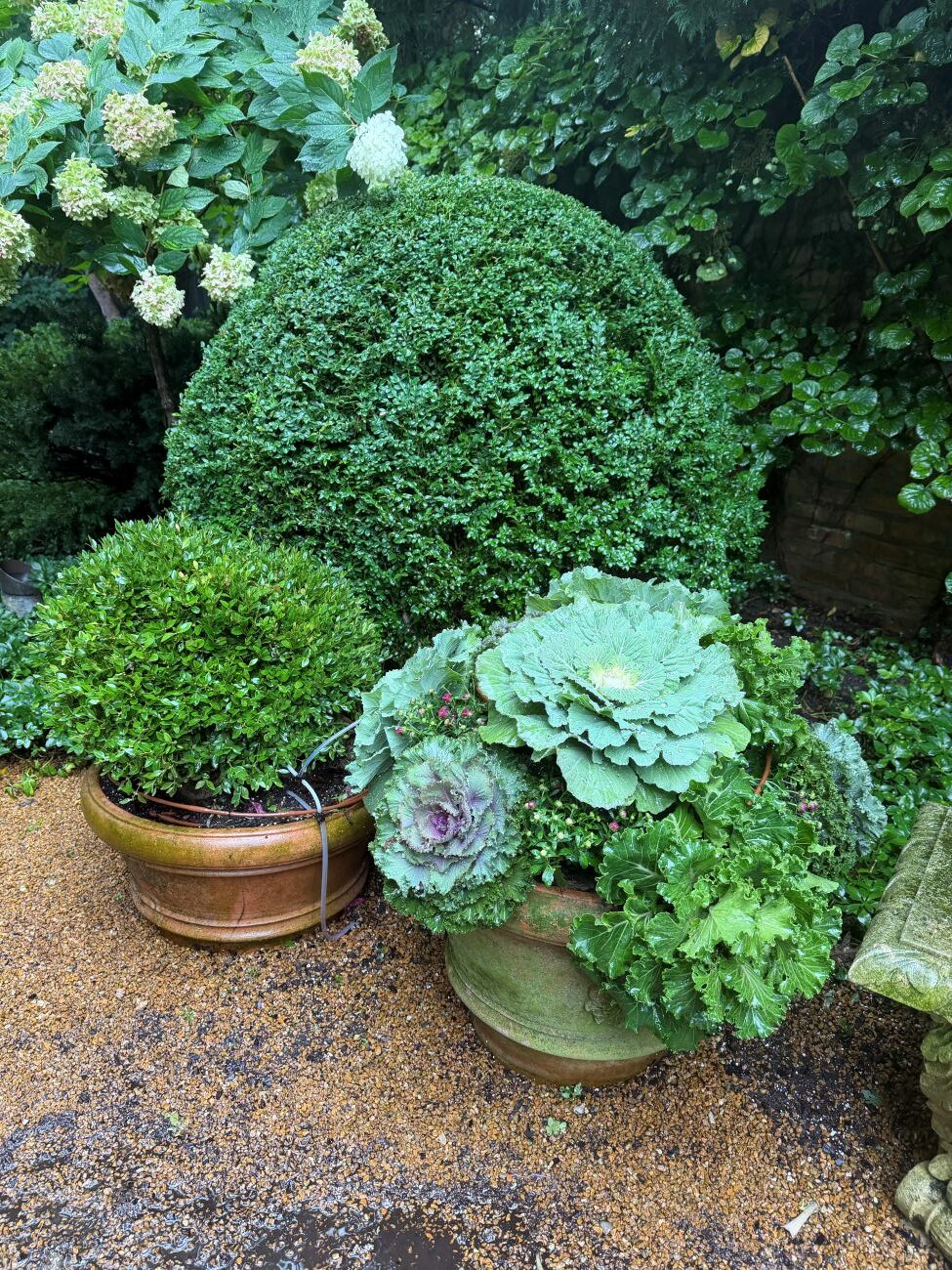
- Structural Anchoring: Utilizing evergreen elements like boxwood (Buxus sempervirens) to provide a permanent, year-round framework.
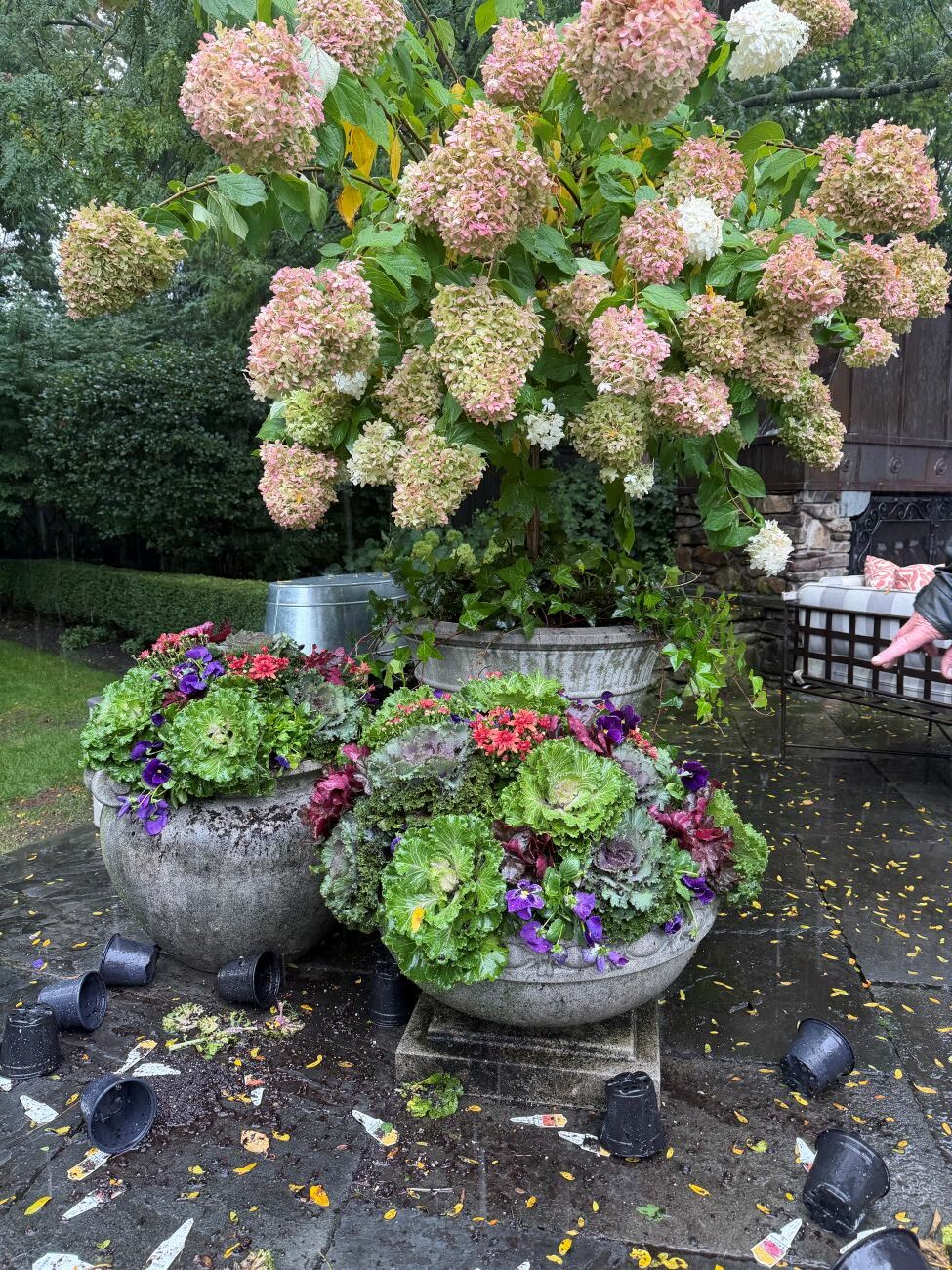
- Seasonal Layering: Introducing the primary autumn stars—ornamental cabbage and kale (Brassica oleracea cvs.)—which offer the ruffled, cool-weather color required for the mid-fall aesthetic.
- The "Whimsy" Element: Finishing the arrangement with decorative, woody stems and berries that provide the necessary height, movement, and artistic flourish.
Supporting Data and Design Principles
The success of Howard’s arrangements is rooted in several fundamental design principles that any gardener can replicate to elevate their own outdoor spaces.
The Power of Repetition
One of the most striking aspects of the Glencoe installation is the disciplined use of color and plant variety. By repeating specific shades of deep burgundy and earthy purples throughout the collection, Howard creates a cohesive narrative across the property. Whether it is through the foliage of the brassicas, the deep hue of seasonal berries, or the inclusion of purple pansies, the repetition ensures that the visual impact is unified rather than chaotic.
Balancing Structure and Softness
The inclusion of boxwood is a deliberate choice. In the realm of container design, the "thriller, filler, spiller" method is standard, but Howard adds a layer of formal structure that elevates his work. The rigid, clipped forms of the boxwoods act as a foil to the wild, ruffled, and often chaotic beauty of the ornamental kale. This juxtaposition creates a sophisticated contrast, proving that even a small patio corner can benefit from the formal design rules usually reserved for large-scale landscapes.
The Role of Hardscape Integration
Howard’s work highlights the importance of matching containers to the environment. His choice of weathered, rectangular planters that echo the colors of the stone foundation is not accidental. By selecting containers that blend into the surrounding stonework, he ensures that the arrangement feels like a natural extension of the architecture, rather than an afterthought placed on a porch.
Official Observations: The Designer’s Perspective
Reflecting on the challenges of his craft, Howard acknowledges that the work is inherently messy. The scattered plant tags, the loose soil, and the physical demands of lugging heavy urns and wet, root-bound plants are the "unseen" parts of the profession. However, he maintains that the result—a welcoming, high-impact display that can withstand the onset of frost—is worth the physical toll.
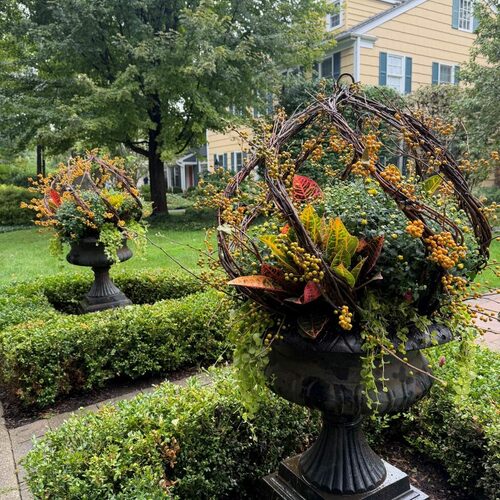
In one particular arrangement, featuring golden berries and arching decorative branches, Howard achieved a look he described as a "100/10." The sculptural quality of the woody vines, combined with the warmth of the golden berries against the cool gray of a rainy day, illustrates the goal of modern container design: to create a sense of place. When a guest arrives at a home, the container display serves as the first point of emotional contact. It is a silent, blooming invitation that sets the tone for the interior space.
Implications for the Home Gardener
The implications of Howard’s work for the average home gardener are profound. First, it challenges the notion that gardening must stop when the thermometer drops. By shifting the focus to cold-hardy brassicas and woody ornamentals, homeowners can extend their gardening season by two or three months.
Second, the professional success of these arrangements encourages a shift in mindset: look for "sculptural" elements rather than just "flowers." A bouquet of berries or a branch with an interesting texture can do as much for a container’s visual appeal as a thousand blooms.
Finally, the GPOD series serves as a reminder that gardening is a communal endeavor. Howard’s willingness to share his process, from the initial planning stages to the messy reality of the installation, demystifies the art. It encourages readers to document their own successes and failures, fostering a community where knowledge is shared and inspiration is recycled.
How to Get Involved
For those inspired by Howard’s seasonal transformations, the path to sharing your own garden is simple. The Garden Photo of the Day welcomes submissions from all skill levels. Whether you have a sprawling estate or a small balcony garden, your unique perspective adds value to the collective knowledge of the gardening world.
To participate:
- The Submission Form: Utilize the official Garden Photo of the Day Submission Form to upload your images and provide context.
- Direct Correspondence: You may also send 5–10 high-resolution photos to the editorial team, accompanied by details on your location, plant choices, and the stories behind your garden design.
- Continued Learning: For those looking to deepen their technical skills, resources such as the Gardener’s Log Book or design-focused literature like Planting in a Post-Wild World offer valuable tools for long-term planning and resilient landscape management.
As we look toward the winter months, let Howard’s work be a reminder that every season has its own unique color palette. With a little planning, some hardy plants, and a dash of creativity, your garden can continue to tell a story of beauty, resilience, and welcome—all year round.
