

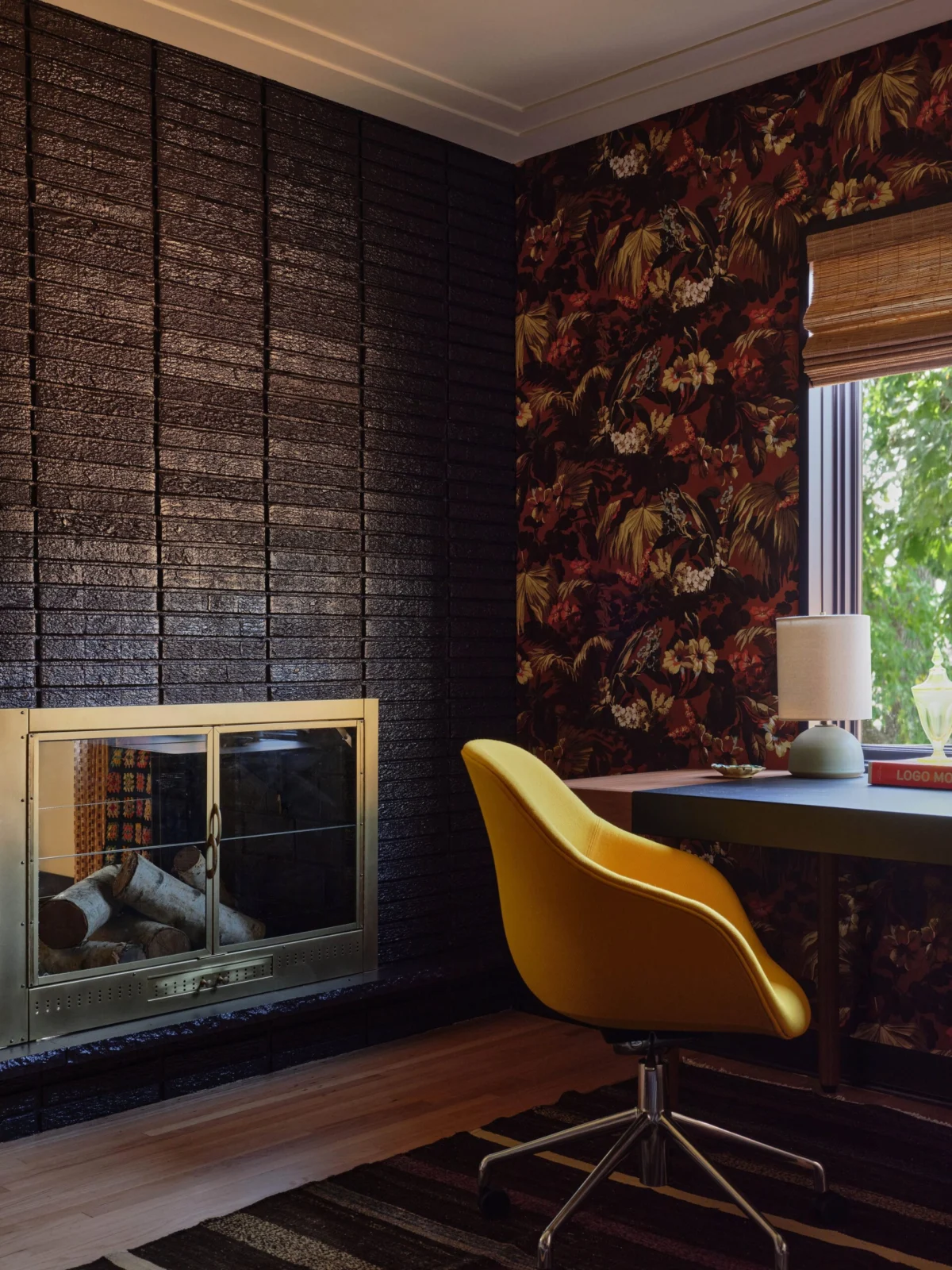
Working from home has redefined the modern professional landscape. The benefits are well-documented: the elimination of the daily commute, the comfort of a personalized environment, and a relaxed dress code that once seemed like a distant dream. However, this transition has introduced a new, silent adversary to our productivity and health: the sedentary nature of the home office.
With fewer reasons to stand up—no walk to the conference room, no commute to the train station—it is surprisingly easy to spend eight, ten, or even twelve hours tethered to a chair. Even the most ergonomically advanced office chair can lose its appeal after a full day of back-to-back video calls and endless email chains. This is where the height-adjustable standing desk has moved from a "niche luxury" to a "home office essential."
Modern engineering has finally caught up with interior design. Gone are the days when a standing desk meant an industrial-looking, clunky eyesore that screamed "corporate cubicle." Today’s market is flush with furniture-worthy designs that feature concealed motors, integrated cable management, and high-end finishes that complement—rather than clash with—your home’s decor.

The Case for Movement: Why Ergonomics Matter
The primary driver behind the surge in standing desk adoption is the growing body of research regarding the physical toll of prolonged sitting. Studies from organizations like the Mayo Clinic and the American Heart Association have consistently pointed to the "sedentary lifestyle syndrome," which is linked to increased risks of heart disease, diabetes, and musculoskeletal disorders.
For the remote worker, the standing desk acts as a mechanical intervention. It encourages micro-movements, improves circulation, and engages core muscles, which can lead to increased energy levels and improved focus throughout the workday. The ability to transition from sitting to standing—often with the simple touch of a button—allows users to maintain their workflow without breaking their cognitive stride.
A Curated Selection: Nine Desks That Blend Function and Form
We have sifted through the market to identify nine standout desks that represent the pinnacle of current home-office design. From budget-friendly minimalist options to investment-grade centerpieces, here are our top picks.
.jpeg)
1. The Branch Duo: The Minimalist’s Dream
The Branch Duo remains an editor favorite for its Scandi-inspired silhouette and a thoughtful ecosystem of accessories, including a felt-lined drawer, monitor stand, and desk perch. Contributor Noah Kaufman described it as "a dream for minimalist office setups," noting that it possesses a utilitarian elegance that invites productivity. With its capacity to integrate cable-management systems and hidden outlets, the Duo provides a clean, clutter-free environment that easily adapts to various interior styles. Its approachable price point makes it an ideal entry point for those looking to upgrade their 9-to-5 setup without breaking the bank.
2. The Herman Miller Spout: A Design-Forward Statement
If your goal is to move away from the "corporate" aesthetic, the Spout offers a more elevated alternative. Unlike the ubiquitous T-leg standing desk, the Spout utilizes a sophisticated four-leg base that gives it the gravitas of a traditional heirloom desk. The base and legs are available in a curated palette of colors, allowing for customization when paired with walnut, ash, or laminate tops. Thoughtful details, such as a headphone hook, concealed cable management, and integrated storage drawers, ensure that utility is never sacrificed for style.
3. The Herman Miller Passport: Precision for Small Spaces
Not every home office is a dedicated room; many professionals are working from studio apartments or multipurpose corners. The Passport Work Table is designed specifically for these constraints. With a 12- or 18-inch-deep desktop, a single-column base, and four casters, it offers maximum mobility. It is the perfect solution for those who need to reclaim their space at the end of the day, proving that you don’t need a massive footprint to achieve superior ergonomic alignment.
.jpeg)
4. The Geiger New Canaan: The Executive Splurge
The New Canaan Leatherwrap is a masterclass in deception—it looks, feels, and smells like a luxury writing desk, yet it houses state-of-the-art lift technology. With its rounded corners and inset leather writing surface, it is a piece of furniture that demands attention. A discreet button hidden beneath the desktop activates silent motors in all four legs, preserving the desk’s clean, traditional lines. For those who view their office as an extension of their home’s design narrative, this is the gold standard.
5. The Rove Concepts Athena: Sculptural Elegance
Inspired by classical Grecian architecture, the Athena is perhaps the most visually distinct desk on this list. Its fluted alabaster lacquer base conceals the lifting mechanism entirely, resulting in a piece that functions as a sculpture. AD contributor Katarina Kovac, who tested the desk, noted: "A particular bonus is how silent it is. With other desks, the adjustment could be heard from another floor in the house." It is an inspiring piece that transforms the "working" experience into something more deliberate and aesthetic.
6. The West Elm Midcentury: The Compact Solution
West Elm’s midcentury-inspired desk is a triumph of function in a small package. At just 36 inches wide, it utilizes a manual lift-top mechanism, meaning you don’t need to worry about proximity to an electrical outlet. Its warm wood finish and iconic tapered legs allow it to blend seamlessly into a bedroom or living room nook, while three concealed compartments ensure that your office clutter stays hidden.
.jpeg)
7. The BDI Luma Lift: Refreshing Simplicity
For those who want a workspace that doesn’t look like "mission control," the BDI Luma Lift is the answer. It features a slender profile, softly rounded edges, and a beautiful satin-etched glass top. The height controls are discreetly integrated, and the built-in cable management system is exceptionally effective. It is the ideal choice for the professional who values a refined, airy look.
8. The Article Torme: The Softened Approach
The Torme desk trades sharp, aggressive angles for a gentle, rounded aesthetic. Its white oak finish brings a natural warmth to the home office. Like other high-end options, it features a soft-close compartment for storage and cable cutouts that keep the workspace tidy. It is designed for those who want their work-from-home setup to feel as welcoming as the rest of their home.
9. The Burrow Copilot: Optimized for Tech
The Copilot Standing Desk is a standout for those who rely on heavy monitor setups. It features a dedicated space at the back of the desktop for a clamp-on monitor arm, allowing for screen adjustments without sacrificing desk space. Its walnut finish adds a rich texture to the workspace, while the compact control panel offers a broad height range of 28.5 to 48 inches.
.gif)
Implications for the Modern Workforce
The shift toward these high-quality, design-conscious standing desks reflects a broader trend in how we view the "office." As remote work becomes a permanent fixture of the global economy, the lines between personal space and professional space are blurring.
Companies are increasingly recognizing that employee well-being is not just a human resources metric, but a business necessity. Some forward-thinking firms are now offering "home office stipends" to encourage their staff to invest in ergonomic furniture. The implication is clear: when employees are comfortable and physically supported, they are more productive, more engaged, and less prone to the burnout associated with the sedentary nature of digital-first work.
Chronology of the Standing Desk Revolution
- Pre-2010: Standing desks were primarily found in high-tech laboratories or specialized industrial settings. They were bulky, difficult to adjust, and rarely considered for home use.
- 2010–2015: The "sitting is the new smoking" movement gained momentum. Early home office models hit the market, though they were often criticized for being aesthetically unappealing.
- 2016–2019: Design-focused brands began experimenting with premium materials like wood veneers and integrated cable management, moving the product closer to high-end furniture.
- 2020–Present: The pandemic forced a mass migration to home offices. The demand for "furniture-grade" office equipment skyrocketed, leading to the current market where style is just as important as functionality.
Official Perspectives and Industry Responses
Industry leaders in furniture design, such as Herman Miller and Geiger, have shifted their R&D focus toward the "residential-commercial" crossover. Designers are now prioritizing "warmth" and "tactility" over the cold, utilitarian plastics of the past.

"We wanted to create a desk that you wouldn’t feel the need to hide when guests come over," says a spokesperson for one of the leading manufacturers. "The goal is to create an object that elevates the room, not one that you apologize for."
Conclusion: Investing in Your Future
Choosing a height-adjustable desk is an investment in your long-term health and your daily quality of life. Whether you are a minimalist, a fan of midcentury design, or someone who needs a compact solution for a small apartment, the current market offers options that no longer force a compromise between aesthetics and ergonomics.
By curating your workspace with intentionality, you are doing more than just buying a piece of furniture—you are creating an environment that respects your body and encourages your best work. As the boundaries of the workplace continue to evolve, one thing remains certain: the desk of the future is standing, and it looks better than ever.
