

By [Your Name/Journalistic Staff]
In Quincy, Massachusetts, the silence of the Eastern Nazarene College (ENC) campus is punctuated only by the rustle of wind through overgrown weeds and the occasional call of Canada geese. Once a vibrant hub of academic discourse, the 27-acre property now serves as a haunting tableau of a growing national crisis. Ivy clings to the shuttered windows of a former women’s dormitory, and the tennis courts—once home to competitive matches—are now cracked, skeletal remains of an institution that shuttered its doors just last year.
ENC is far from an outlier. As enrollment figures plummet across the country and the financial viability of small, private liberal arts colleges evaporates under the weight of ballooning debt, a new phenomenon is emerging: the "college ghost town." Across the United States, hundreds of acres of prime real estate are sitting dormant, caught in a complex web of legal disputes, municipal zoning battles, and the decaying infrastructure of defunct institutions. Yet, as the nation faces a severe housing shortage, experts are increasingly pointing to these abandoned campuses as a logical, albeit difficult, solution to the scarcity of homes.
The Anatomy of an Institutional Collapse
The closure of Eastern Nazarene College followed a trajectory that has become all too familiar in the landscape of higher education. After years of struggling to attract students and maintain fiscal health, the college succumbed to an unsustainable $18 million in liabilities. When the gates locked for the final time, the institution left behind not just a legacy of education, but a massive physical footprint in a dense, transit-oriented suburb just south of Boston.
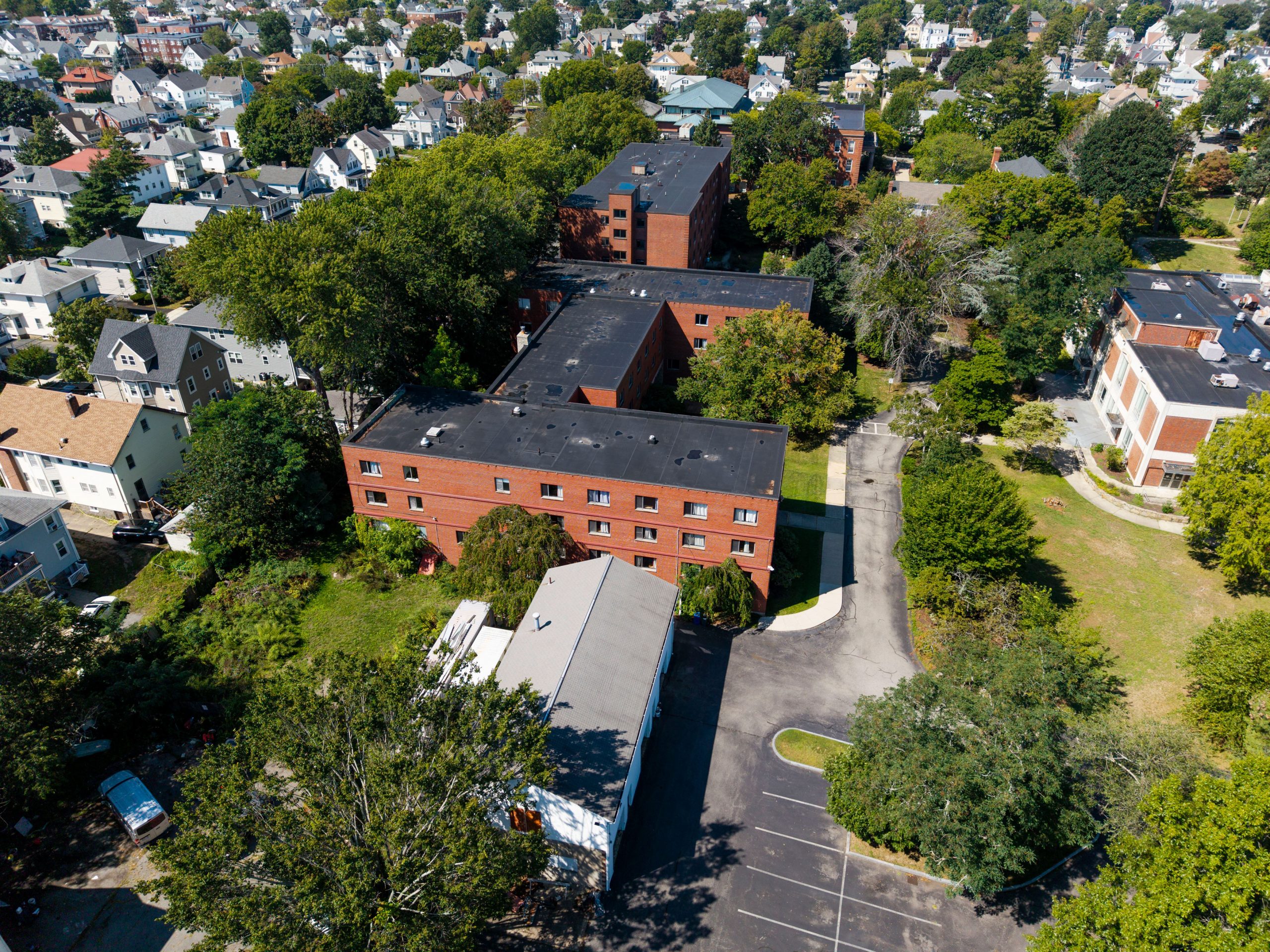
The irony is not lost on residents like Donna Glynn, a teacher who has lived across the street from the college for five decades. Watching the campus slide into disrepair has been painful. "I don’t want to see it wasted," Glynn said, her voice catching as she gestured toward the property. "We could have nice, new, clean housing. Why would you throw this resource away?"
Her sentiment reflects a broader national anxiety. According to data from the mortgage giant Freddie Mac, the United States is currently short by approximately 3.7 million homes. In Massachusetts alone, state officials estimate that at least 222,000 new units will be required by 2035 to accommodate population growth and economic needs. In Quincy specifically, a joint study by the U.S. Chamber of Commerce and the American Enterprise Institute revealed a deficit of 4,400 homes. In the eyes of urban planners and housing advocates, the conversion of a defunct campus into a residential community is not just an opportunity—it is a moral imperative.
A Chronology of Stalled Progress
The attempt to repurpose Eastern Nazarene has been a masterclass in bureaucratic paralysis. Before the final commencement ceremony had even taken place, a tentative agreement was struck to sell the property to a private equity and development firm led by an alumnus. The vision was ambitious: the construction of over 600 residential units.
However, the plan immediately hit a wall of political and community opposition. Mayor Tom Koch publicly criticized the density of the proposal, arguing that 600 units would overwhelm the local infrastructure. As the initial deal collapsed, the city attempted to pivot, proposing a municipal purchase of the campus for roughly $23 million with the intention of redeveloping it on a smaller, "more manageable" scale.

That effort, too, ended in failure. In June, the Quincy City Council rejected the acquisition, deeming the price tag too steep for the city’s budget. Today, the project remains in limbo. The developer, the mayor, and the city council members who opposed the funding have largely remained silent, declining to comment on the path forward. Meanwhile, the campus continues to deteriorate, with local residents displaying "Save Our Neighborhood" signs that serve as a testament to the "NIMBY" (Not In My Backyard) sentiment that often stalls even the most logical urban renewal projects.
The Complexity of Adaptive Reuse
While the math suggests that converting a college campus into housing is a "no-brainer," the reality on the ground is significantly more nuanced. Christian Koulichkov, director of real estate brokerage at the financial services firm Hilco Global, notes that while the demand for housing is clear, the conversion process is fraught with technical and legal obstacles.
"It seems an easy case to make, but it is rarely easy in practice," Koulichkov explains. "Many of these campuses were never zoned for residential use. They were built for students, not families or elderly residents."
The physical infrastructure itself poses a massive hurdle. Dormitories, by design, are often inefficient for long-term residential living. They frequently feature shared bathrooms, communal kitchenettes, and cramped, narrow floor plans that are difficult and expensive to retrofit into modern, code-compliant apartments. Furthermore, many of the buildings are aging and fail to meet current accessibility standards, requiring massive capital investment before they can be legally occupied.

This is a recurring theme in the wave of closures predicted by the Huron Consulting Group, which suggests that as many as 442 private, nonprofit colleges are at risk of closing or merging within the next decade. Many of these institutions are "flying blind," with governing boards that have failed to create a transition plan, leaving the surrounding communities to deal with the fallout of a sudden, vacant asset.
The Cazenovia Model: Breaking New Ground
Despite the failures in Quincy, there are glimmers of success. When Cazenovia College in New York closed in 2023 under $25 million in debt, Mayor Kurt Wheeler was determined not to let the village suffer the same fate as other towns left with decaying ruins.
"We could not find a successful example, especially in small towns, of how to do this," Wheeler said. "So we said, ‘We’re going to be the first.’"
Cazenovia took a proactive approach. The village conducted an exhaustive feasibility study and proactively updated the zoning laws to encourage residential developers. By creating a welcoming regulatory environment, they successfully attracted a group of local investors who are now turning the campus into a "town square" that blends housing with commercial space. Wheeler’s message to other municipalities is simple: "If we don’t want this really awful outcome of the weeds and the falling-apart buildings, we all have to be a little bit flexible."

The Consequences of Inaction
The cost of inaction is visible across the American landscape. In South Carolina, the local press has dubbed the empty campus of Limestone University a "field of weeds." Since its closure, the property has been the subject of a bitter, protracted legal battle involving creditors, former employees seeking unpaid wages, and students demanding tuition refunds.
The situation is even more dire in Virginia, where Virginia Intermont College has sat vacant for 12 years. Following a disastrous fire in 2024 that claimed four of its historic buildings, the site has become a dangerous, rubble-strewn lot, plagued by vandalism and neglect. These "zombie campuses" serve as a stark warning: when a community fails to act, nature and time will dismantle the asset, leaving behind an eyesore that drains local resources and lowers property values.
Emerging Successes and Future Implications
Despite the hurdles, the tide is beginning to turn as more communities learn from early pioneers.
- Oakland, California: A developer is moving forward with a plan to build 165 homes on the 60-acre former Holy Names University site.
- Omaha, Nebraska: A nonprofit is currently converting the former Dana College campus into apartments specifically for former foster youth, with plans for senior housing as well.
- Denver, Colorado: A former branch campus of Johnson & Wales University has successfully been converted into low-cost apartment housing.
- Western Massachusetts: A partnership between alumni, neighbors, and a nonprofit is currently underway to build affordable housing on the 275-acre former Bard College at Simon’s Rock campus.
Chris Ales, a real estate developer who is currently transforming buildings at the defunct Iowa Wesleyan University, believes that the shift toward adaptive reuse is inevitable. "The kind of senior housing being built on many former campuses, including ours, frees up other homes for younger buyers," Ales said. "And because most of a campus’s original green space remains, it is usually a positive for the neighbors."

Ales remains optimistic, even when faced with skeptical local councils. "I’ve stood before many a city council," he says. "And in the end, you get where you need to be. Because it’s common sense."
Conclusion: A Turning Point for Urban Planning
The crisis of closing colleges is not going to vanish; in fact, it is likely to accelerate. For communities like Quincy, the path forward requires a difficult balance between preserving the pastoral character of a neighborhood and acknowledging the desperate need for shelter.
If cities can overcome the initial resistance, they stand to inherit not just buildings, but ready-made infrastructure—green spaces, proximity to transit, and established community hubs—that can be breathed back into life. The "ghost towns" of higher education, if managed with foresight and collaboration, could hold the key to addressing one of the most pressing domestic issues of our time. The challenge, however, remains whether local leaders will possess the political courage to move beyond the "field of weeds" and toward a future where these campuses once again serve the public good.
