

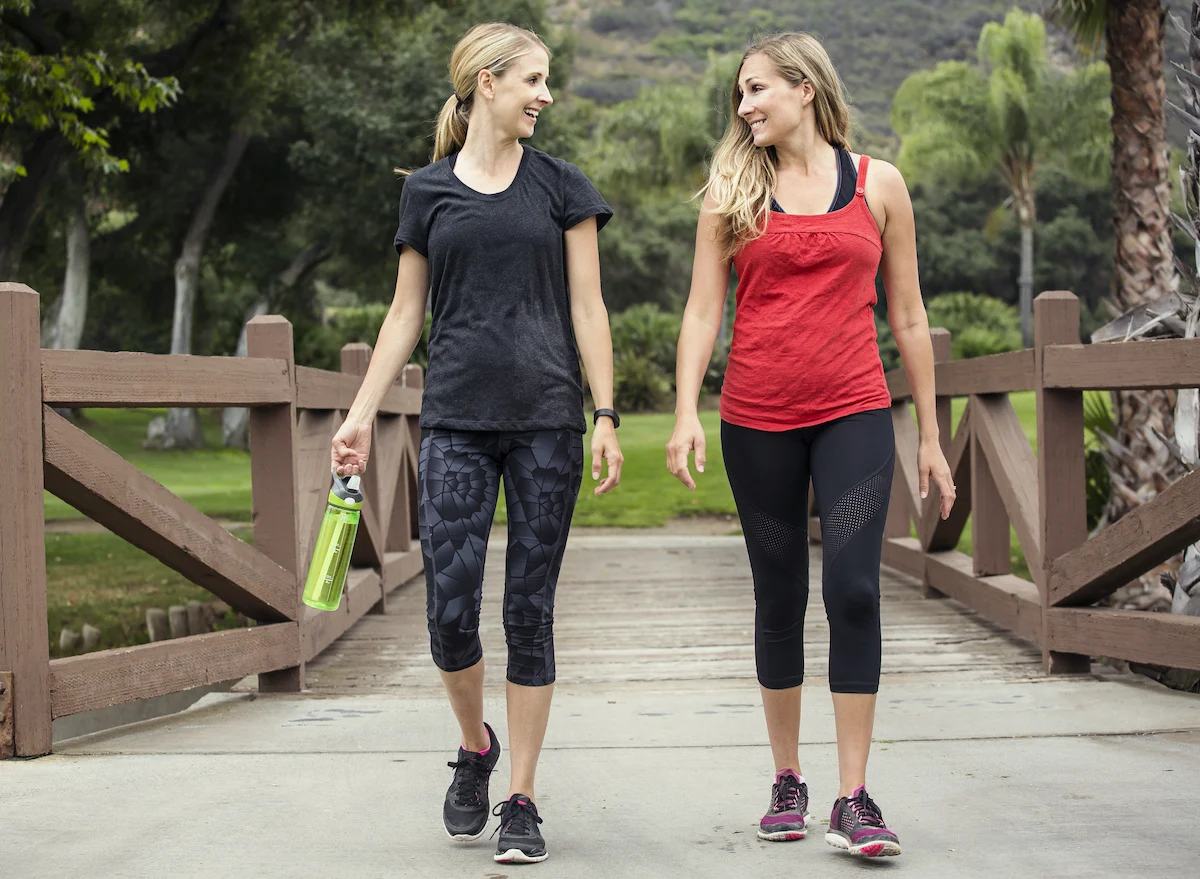
As we age, the mechanics of our movement often undergo subtle, yet profound shifts. For many adults over the age of 65, the natural, rhythmic cadence of walking can begin to transform into what is colloquially known as the "senior shuffle"—a gait pattern characterized by shortened steps, reduced ground clearance, and a sense of diminished confidence. While often dismissed as a mere byproduct of getting older, this change is frequently a diagnostic indicator of declining musculoskeletal strength, compromised balance, and underlying stiffness.
Reclaiming a robust and youthful stride is not just about aesthetics or vanity; it is a critical component of healthy aging, independence, and fall prevention. Simply walking more, while beneficial for cardiovascular health, often fails to address the root causes of a degraded gait. To truly revitalize your movement, one must target the specific "weak links" in the kinetic chain—the hips, calves, and core.
The Mechanics of the Shuffle: Why Gait Fades with Age
The Physiology of Diminished Stride
The human gait is a complex symphony of neurological signaling and muscular execution. As we cross the 65-year threshold, several physiological factors converge to disrupt this rhythm. Research published in the National Institutes of Health (NIH) databases highlights that sarcopenia—the age-related loss of muscle mass—targets the primary stabilizers and power producers of the lower body.
When the glutes and hamstrings lose their explosive capacity, the ability to propel the body forward diminishes. Simultaneously, if the hip flexors lose mobility, the "swing phase" of the gait cycle—where the foot leaves the ground—becomes truncated, leading to the characteristic dragging or shuffling motion.
The Critical Role of Core Stability
A common oversight in geriatric physical therapy is the neglect of the "trunk." Your core acts as the central pillar for all locomotive efforts. When the core is weak, the pelvis tilts and shifts excessively during each step. This instability forces the legs to compensate, leading to increased fatigue and a subconscious shortening of the stride to maintain a "safe" center of gravity. Strengthening the core isn’t just about abdominal definition; it is about providing a stable platform from which the legs can move with power and precision.
Chronology of Gait Decline and Intervention
The transition from a fluid walk to a shuffle does not happen overnight. It is typically a gradual process, often accelerated by a sedentary lifestyle or minor injuries that lead to "protective walking."
- Phase 1: The Subtle Slowdown: Individuals may notice they are no longer keeping pace with peers. This is often the first sign that power output at the ankle and hip is waning.
- Phase 2: Reduced Clearance: The "toe-drag" begins to appear. This is a critical juncture where the risk of tripping increases significantly.
- Phase 3: The Adaptive Shuffle: The brain and body, recognizing the instability, default to a shuffling gait to keep the feet closer to the ground, minimizing the time spent on a single leg.
By introducing targeted resistance training, this progression can be halted—and in many cases, reversed. The exercises outlined below are designed to be performed two to three days a week, serving as a "pre-habilitation" protocol to fortify the body against the mechanical failures that lead to the shuffle.
Targeted Exercises: The Foundation of a Stronger Stride
To restore a youthful gait, we must transition from passive activity to purposeful strength training.
1. Bodyweight Box Squat: Building Foundational Power
The box squat is the gold standard for restoring hip and quad strength. By utilizing a chair or bench as a depth target, you eliminate the fear of "missing" your seat, allowing you to focus on proper squat mechanics.

- Why it works: It forces the glutes and quads to take the full load of your body weight, building the explosive power necessary to push off the ground during a stride.
- Execution: Stand in front of a sturdy chair. Lower yourself until your glutes lightly tap the seat, then drive through your heels to return to a standing position.
2. Low Box Step-Up: Improving Unilateral Balance
Walking is essentially a series of controlled, single-leg movements. If one leg is weaker than the other, your gait will naturally compensate, leading to uneven stride lengths.
- Why it works: Step-ups isolate each leg, forcing the stabilizer muscles around the knee and hip to engage.
- Execution: Step onto a low, stable platform. Focus on using the top leg to lift your body weight rather than pushing off with the trailing foot.
3. Supported Calf Raise: Strengthening the Propulsion Phase
The calf muscles provide the final "push" that launches the body forward into the next step. A weak calf results in a "flat" stride.
- Why it works: Strengthening the gastrocnemius and soleus ensures you have the power to lift your heel and push off the ground with vigor.
- Execution: Use a counter for balance. Rise onto the balls of your feet, pause at the top, and lower slowly to maximize time under tension.
4. Standing March: Training Foot Clearance
The "shuffle" is largely a failure to lift the foot high enough to clear potential obstacles.
- Why it works: The standing march targets the hip flexors, the muscles responsible for picking up the leg.
- Execution: While standing, alternate lifting your knees as if marching in place. Keep your torso tall and core engaged.
5. The Pallof Press: The Anti-Rotation Core Masterclass
A swaying torso is the enemy of an efficient stride. The Pallof press is a resistive exercise that teaches the core to resist rotation.
- Why it works: It trains your trunk to remain rigid, ensuring that the force you generate from your legs goes into forward motion rather than side-to-side swaying.
- Execution: Using a resistance band anchored at chest height, push the band straight out in front of you and hold, fighting the band’s desire to twist your torso.
Implications for Long-Term Health
The implications of adopting this routine extend far beyond just walking speed. Clinical evidence suggests that gait speed is a "vital sign" for older adults, serving as a powerful predictor of future health outcomes, including cardiovascular disease, hospitalization risk, and cognitive decline.
When you invest time in these five movements, you are doing more than correcting a shuffle; you are engaging in a comprehensive preventative health strategy. Strengthening the legs reduces the load on the knee and hip joints, effectively mitigating the progression of osteoarthritis. Improving core stability reduces the risk of back pain. Perhaps most importantly, the increased confidence gained through improved balance significantly lowers the risk of catastrophic falls—the leading cause of injury-related mortality in the over-65 demographic.
Official Guidance and Best Practices
Health organizations, including the American College of Sports Medicine (ACSM), consistently advocate for resistance training as a cornerstone of longevity. For those over 65, the recommendation is clear: combine moderate-intensity aerobic activity (like your daily walk) with at least two days of strength training that targets all major muscle groups.
Safety Considerations:
- Consultation: Always speak with a healthcare provider or a certified physical therapist before beginning a new strength program, especially if you have pre-existing conditions like osteoporosis or cardiac concerns.
- Progression: Start with the "supported" variations of these exercises. As your strength improves, gradually reduce the amount of support used.
- Consistency Over Intensity: The goal is not to lift heavy weights to failure, but to maintain consistent, controlled movement patterns that signal your muscles to stay active and engaged.
By integrating these exercises into your weekly routine, you are effectively "re-programming" your body. You are replacing the cautious, compensatory patterns of the senior shuffle with the strong, intentional stride of an active life. The power to change your walk—and by extension, your quality of life—is quite literally beneath your feet.
