

After more than a decade navigating the fast-paced corridors of the global fashion industry, I have developed a rather specialized skill set: the ability to discern which high-street items possess that elusive, "expensive-looking" quality. While many brands attempt to bridge the gap between runway aesthetics and accessible pricing, Zara consistently remains the destination where the most compelling finds are hiding. The challenge, however, is not just identifying these gems—it is securing them before they vanish from the virtual shelves.
As we look toward the 2026 winter season, my colleagues at Who What Wear and I have been closely monitoring the retailer’s "New-In" section. Our focus has shifted from the fleeting nature of transitional trends toward the substantial, hardworking pieces that will anchor a wardrobe when the temperature inevitably plummets. We are looking for investments that do more than just fill space in a closet; we are looking for pieces that elevate the mundane, transforming a simple knit-and-jeans combination into a high-fashion statement.
The Evolution of High-Street Strategy
The landscape of high-street retail has undergone a seismic shift over the last three years. In 2026, the consumer is more discerning than ever, prioritizing textile quality and tailoring over pure volume. Zara’s strategy has evolved in tandem, leaning heavily into their "ZW Collection" (Zara Woman) and premium fabric lines.
The current crop of arrivals demonstrates a deliberate move toward "quiet luxury" silhouettes. We are seeing a marked increase in wool-blend coats with structured shoulders, trousers crafted from genuine leather rather than synthetic alternatives, and footwear that mimics the architectural lines of luxury Italian fashion houses. These are not just seasonal novelties; they are foundational garments designed to withstand the test of time and repeated wear.
A Chronology of the 2026 Winter Build-Up
The transition into early winter 2026 began in late summer, with a focus on deep, earthy tones—burgundy, moss green, and deep charcoal—which have set the mood for the coming months.
- Early September: Initial drops focused on "transitional tailoring," introducing the first wave of structured blazers and wide-leg trousers.
- Late September: The focus shifted to outerwear. The arrival of the wool-blend coat series marked the start of the heavy-duty winter preparation.
- October: The "Cozy Core" trend took hold, characterized by a massive influx of cashmere and high-grade wool knits, alongside the highly anticipated leather accessories drop.
- November (Current): We are now in the prime window for acquiring winter staples. Retail data indicates that the highest search volume for "investment coats" and "leather boots" occurs during this period, often leading to rapid sell-through rates.
Supporting Data: The Economics of the "Investment Piece"
Why does a £150 coat from Zara garner as much attention as one from a mid-tier designer brand? The answer lies in the price-per-wear ratio. Our internal data suggests that shoppers are becoming increasingly analytical about their purchases. By selecting pieces like a 100% cashmere V-neck or a genuine leather trench, consumers are effectively opting for quality over trend-chasing.
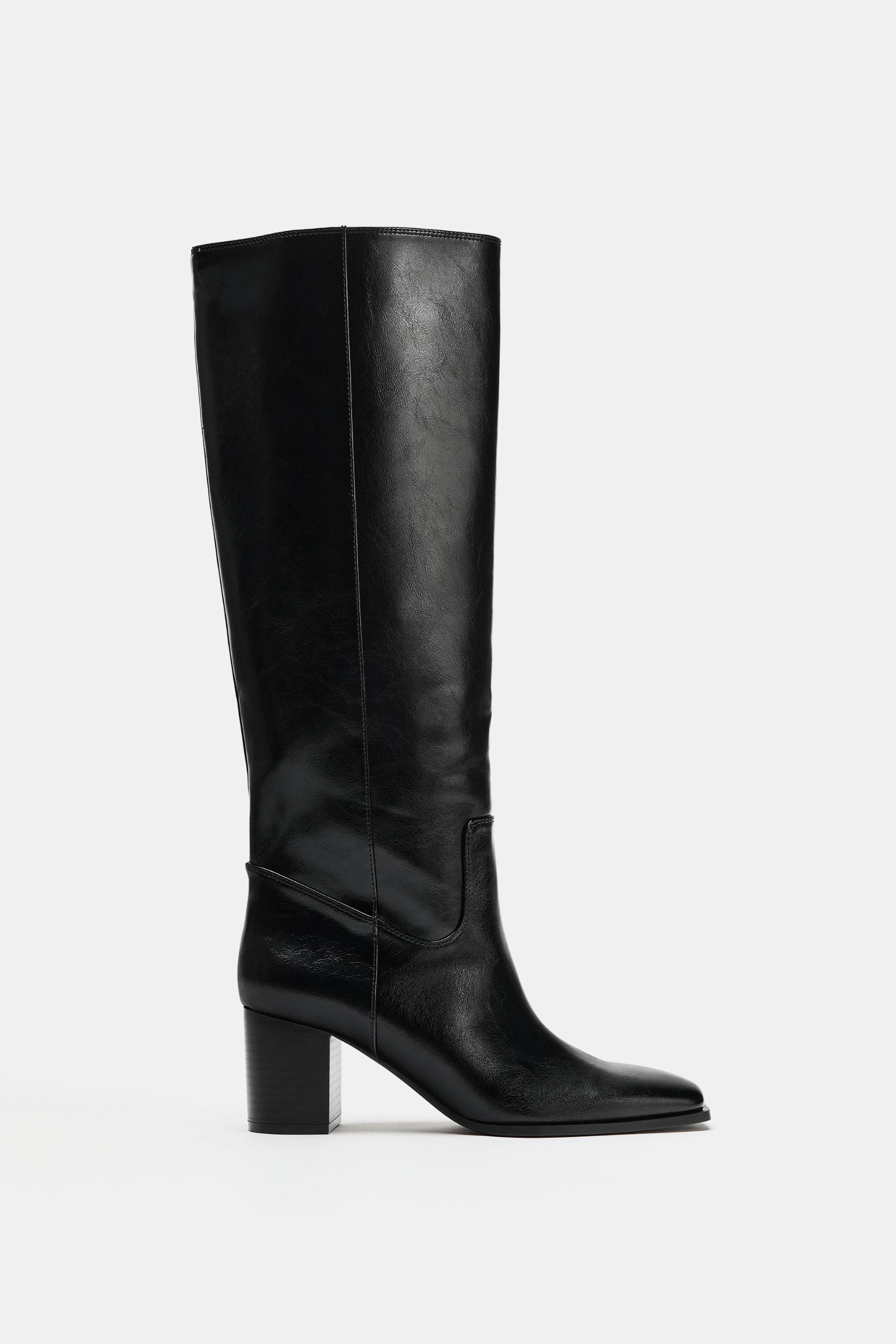
Furthermore, the "fast-sellout" phenomenon at Zara acts as a psychological catalyst. When a piece—such as the recently released Leather Riding Boots—sells out within 48 hours of launch, it reinforces the item’s perceived value. It creates a secondary market, both in terms of social media buzz and the actual resale value of the garment, proving that "high street" no longer necessarily means "disposable."
Official Perspectives: The Shift Toward Elevated Basics
Industry analysts have noted that Zara’s parent company, Inditex, has significantly invested in supply chain transparency and fabric sourcing. By incorporating more natural fibers—cashmere, wool, and leather—into their main collections, they are competing directly with contemporary brands that charge two to three times the price for similar compositions.
In recent industry briefings, the focus has been on "Circular Design." While Zara is a fast-fashion entity, the design language of their 2026 winter collection suggests a move toward longevity. A spokesperson for the brand noted that the objective this season was to provide "the building blocks of a permanent wardrobe," acknowledging that the modern shopper values the ability to style a single piece in five different ways throughout the winter season.
Implications for the Modern Wardrobe
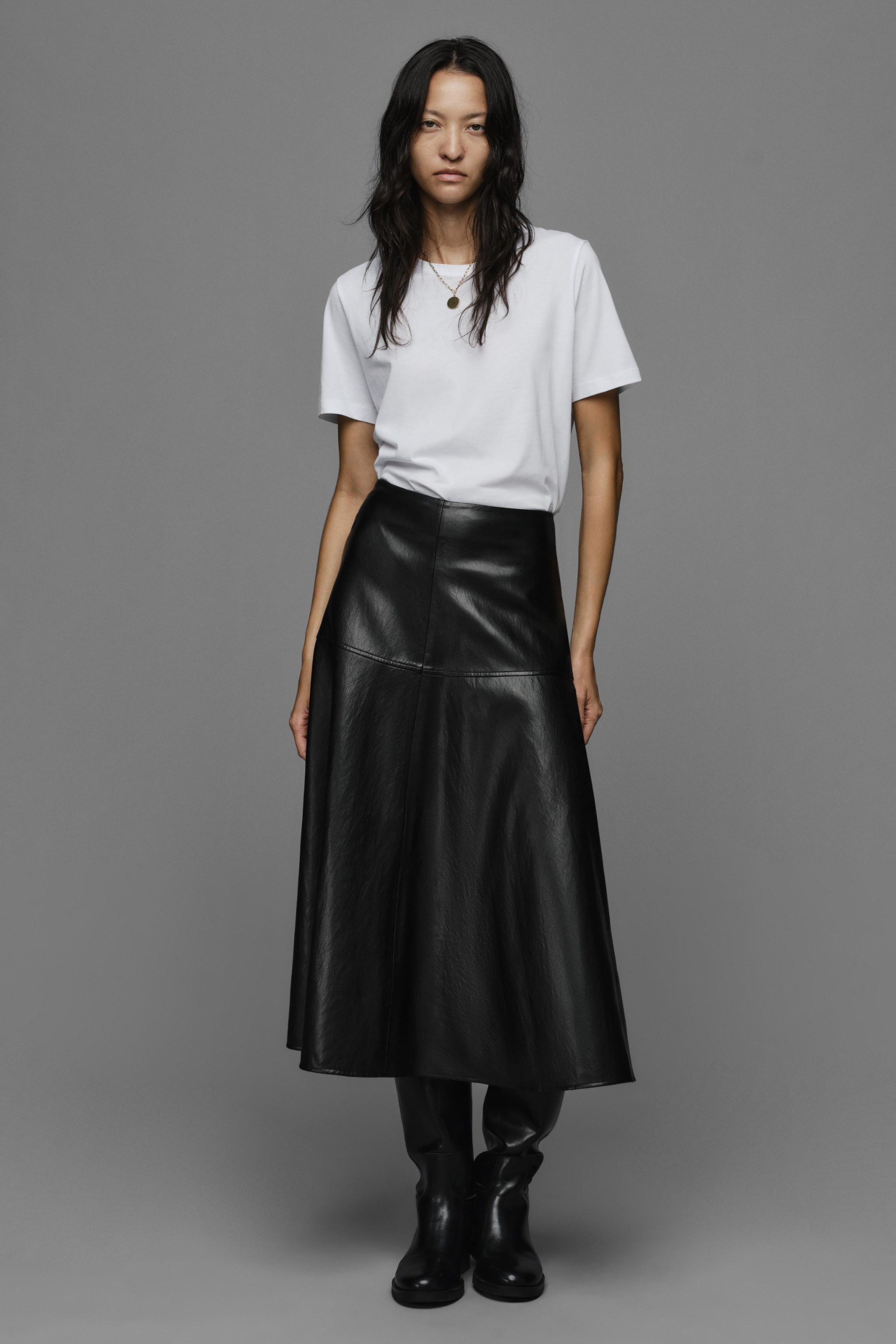
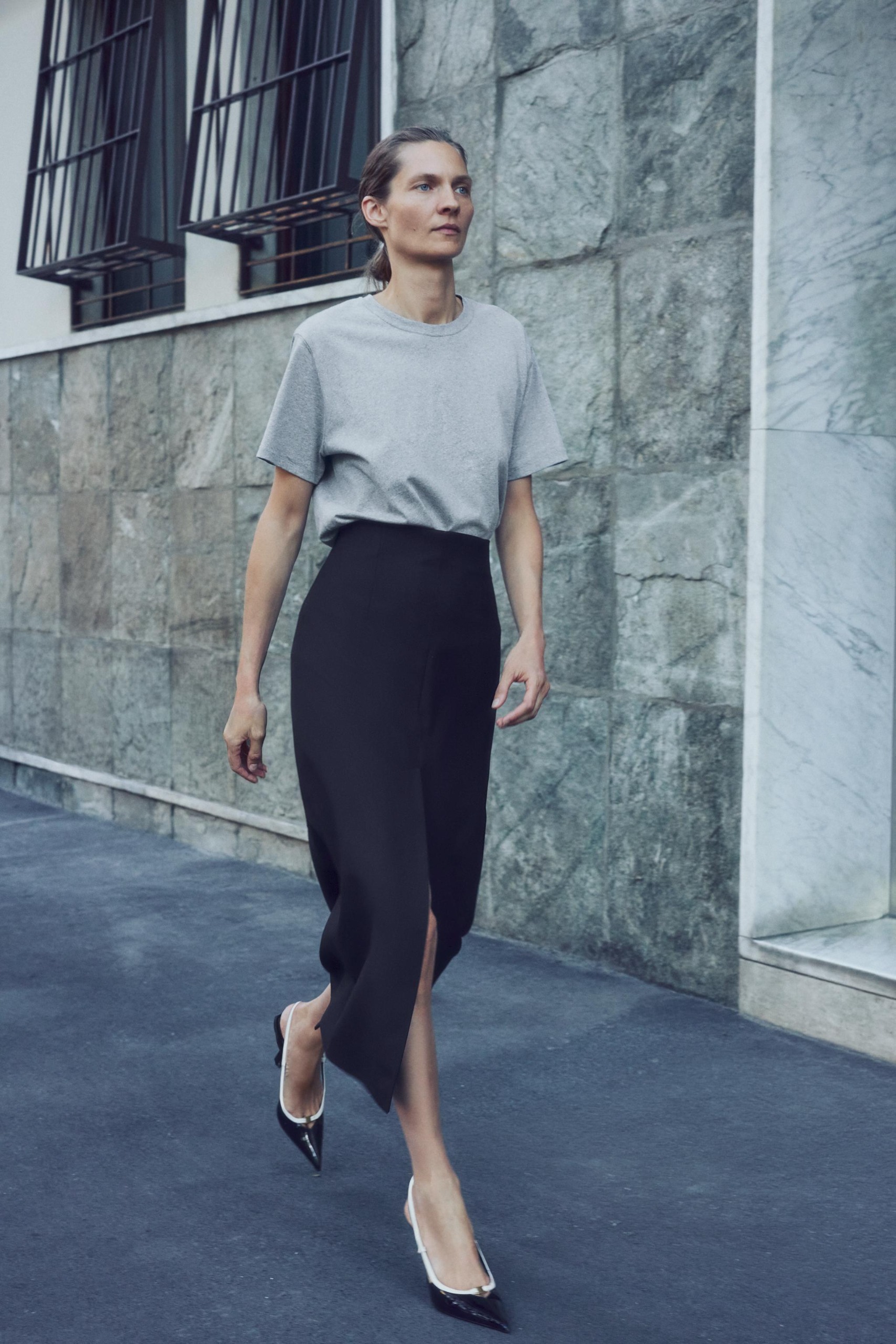
What does this mean for the average consumer? It implies that the "best" way to shop is to curate, not collect. The items we have selected for this season’s guide—the leather-effect midi skirts, the barrel-leg trousers, and the cashmere bandanas—are designed to interact with each other.
The implication is a more cohesive, intentional personal style. By investing in a well-cut wool coat now, you eliminate the need to purchase three cheaper, less durable coats later in the season. The "cost" of the piece is mitigated by the longevity of the garment.
The Essential 2026 Winter Edit
After consulting with the team, we have identified the standout pieces from the current Zara collection that are worth the investment.
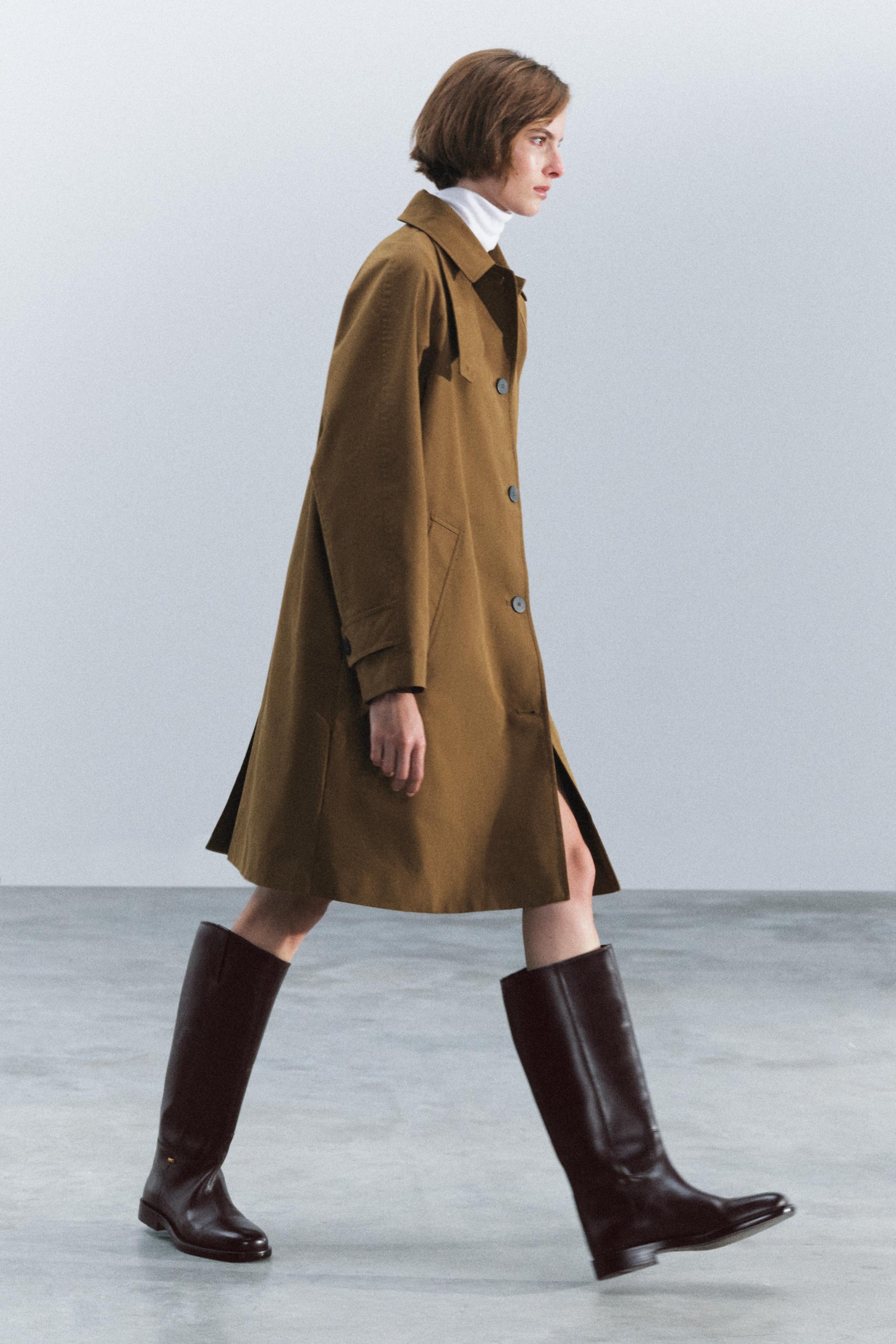
1. The Outerwear Staples
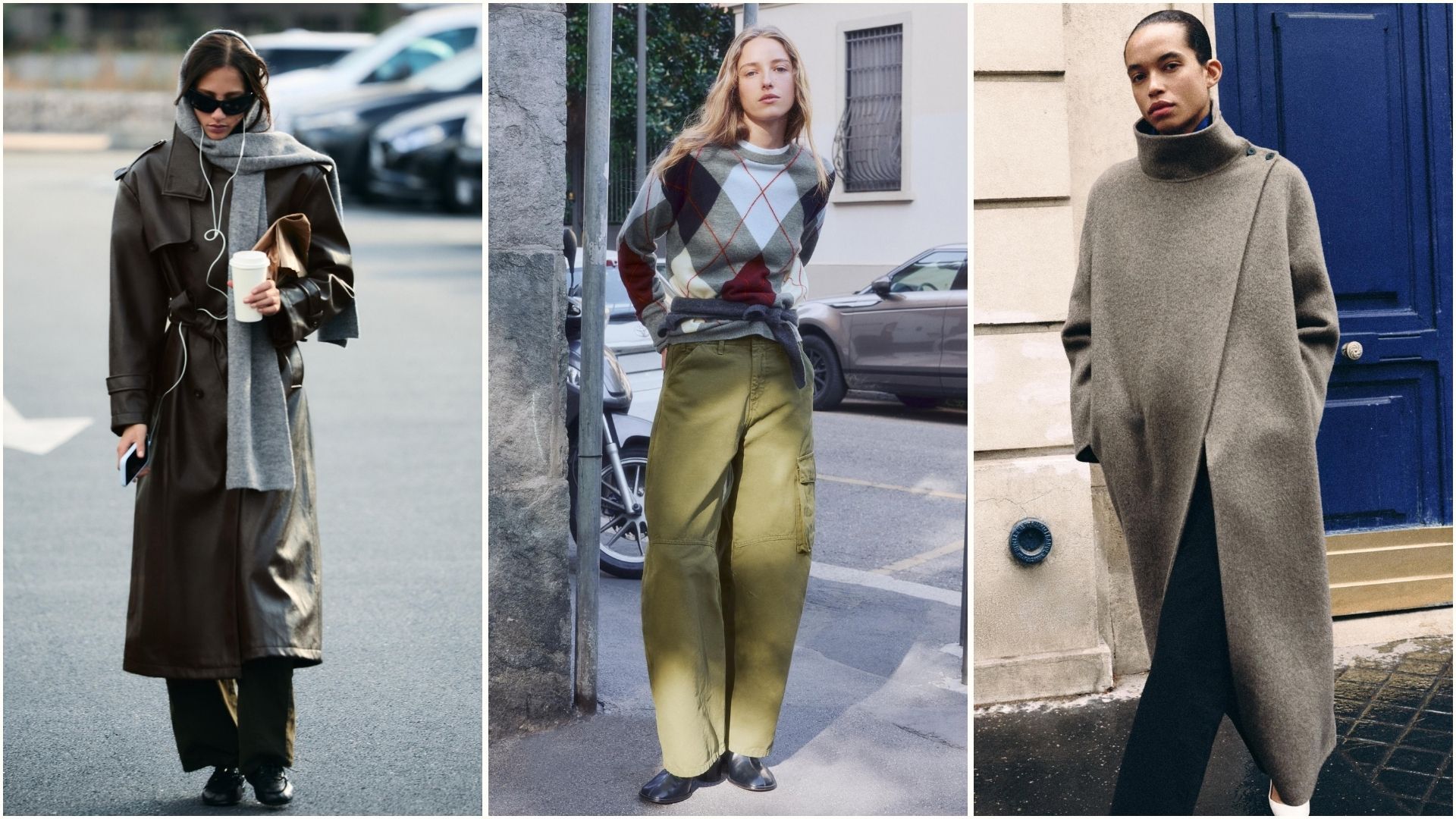
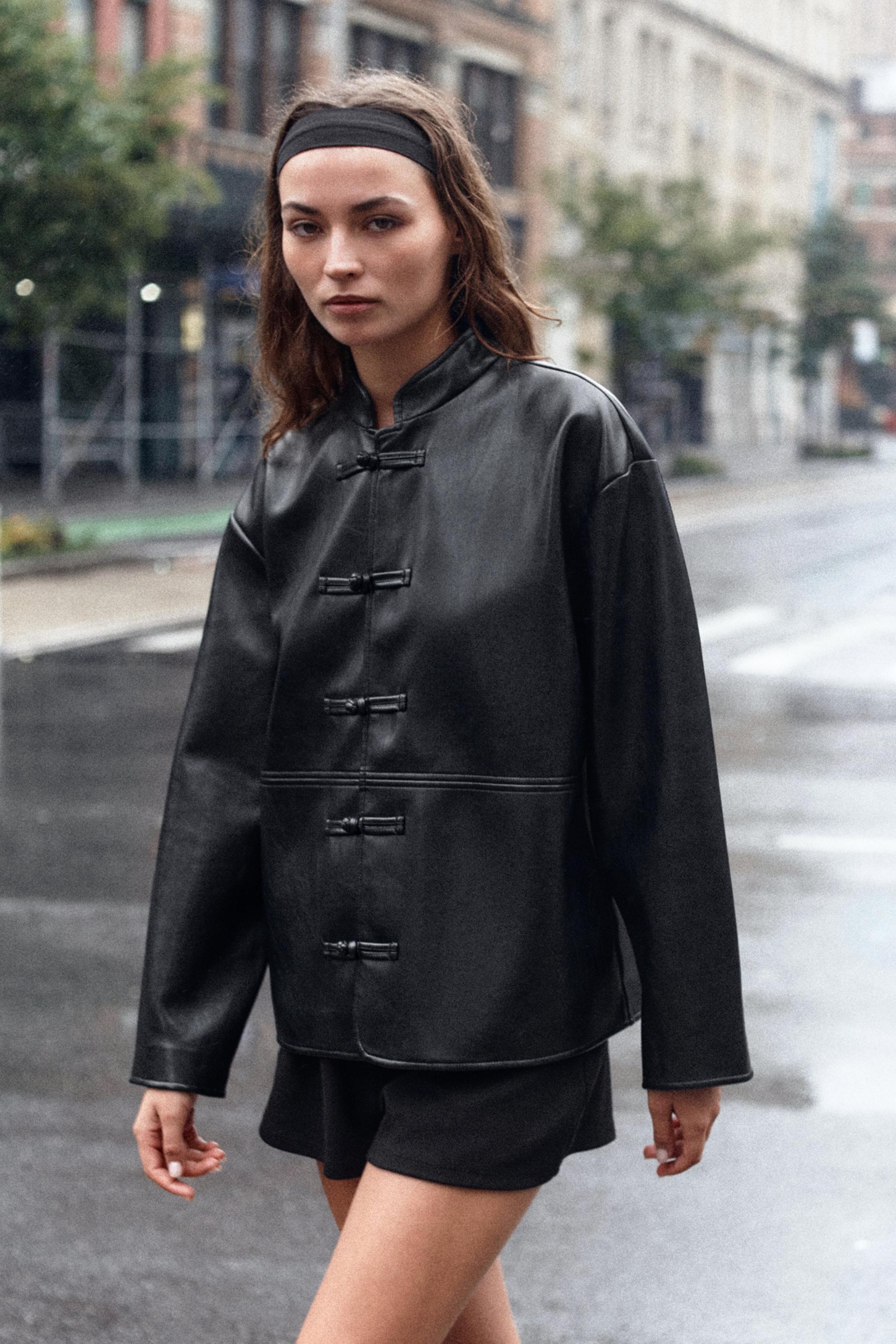
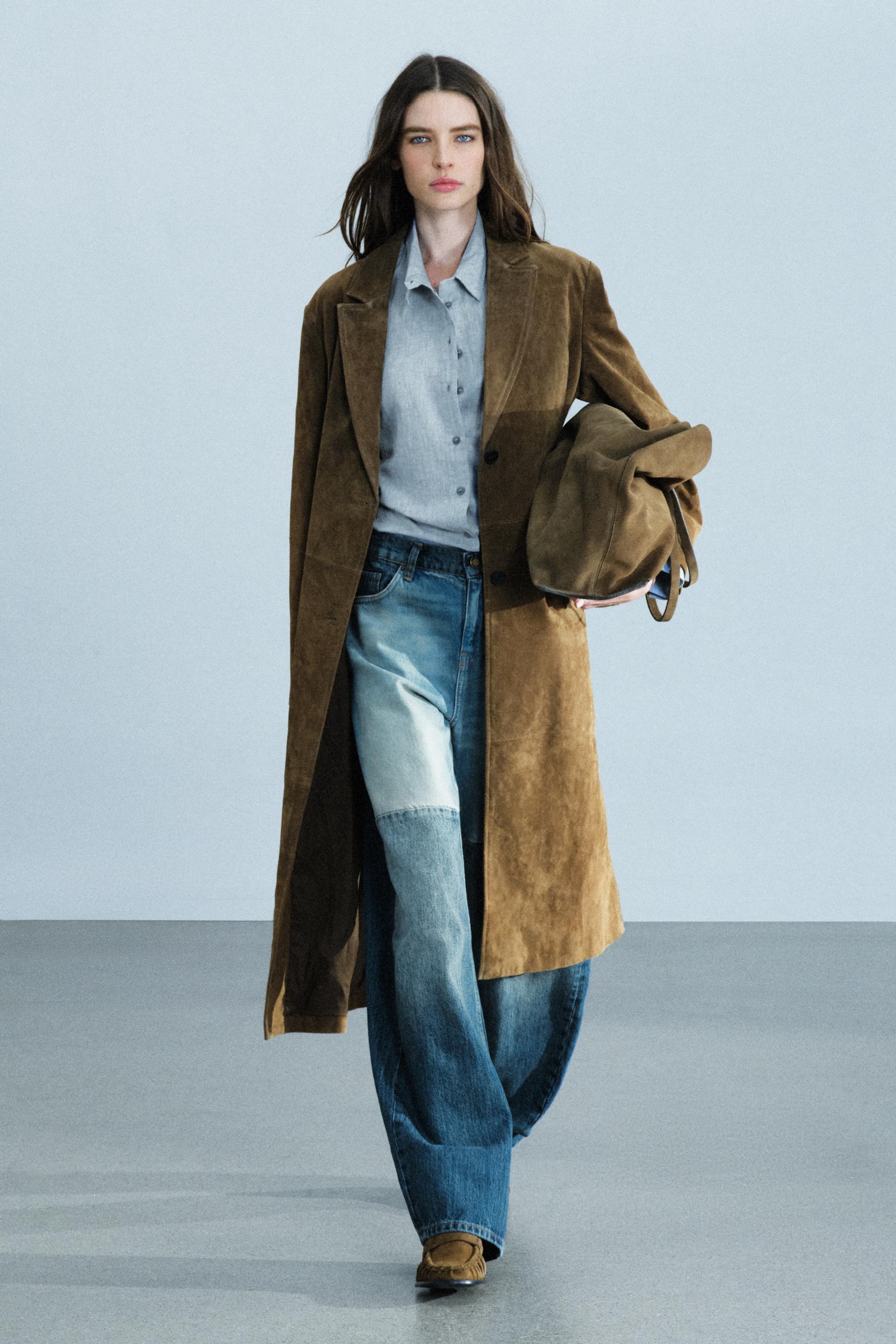
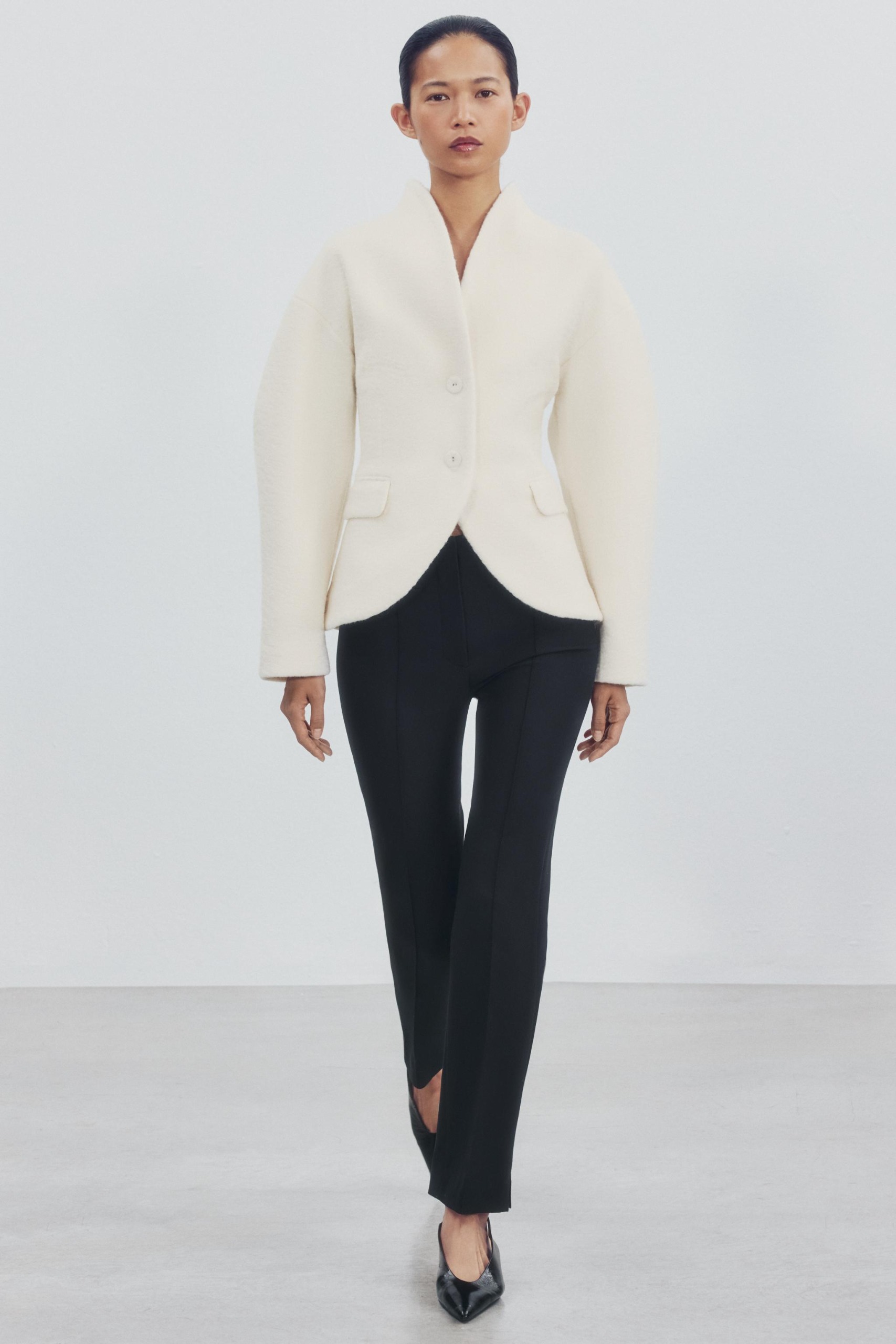
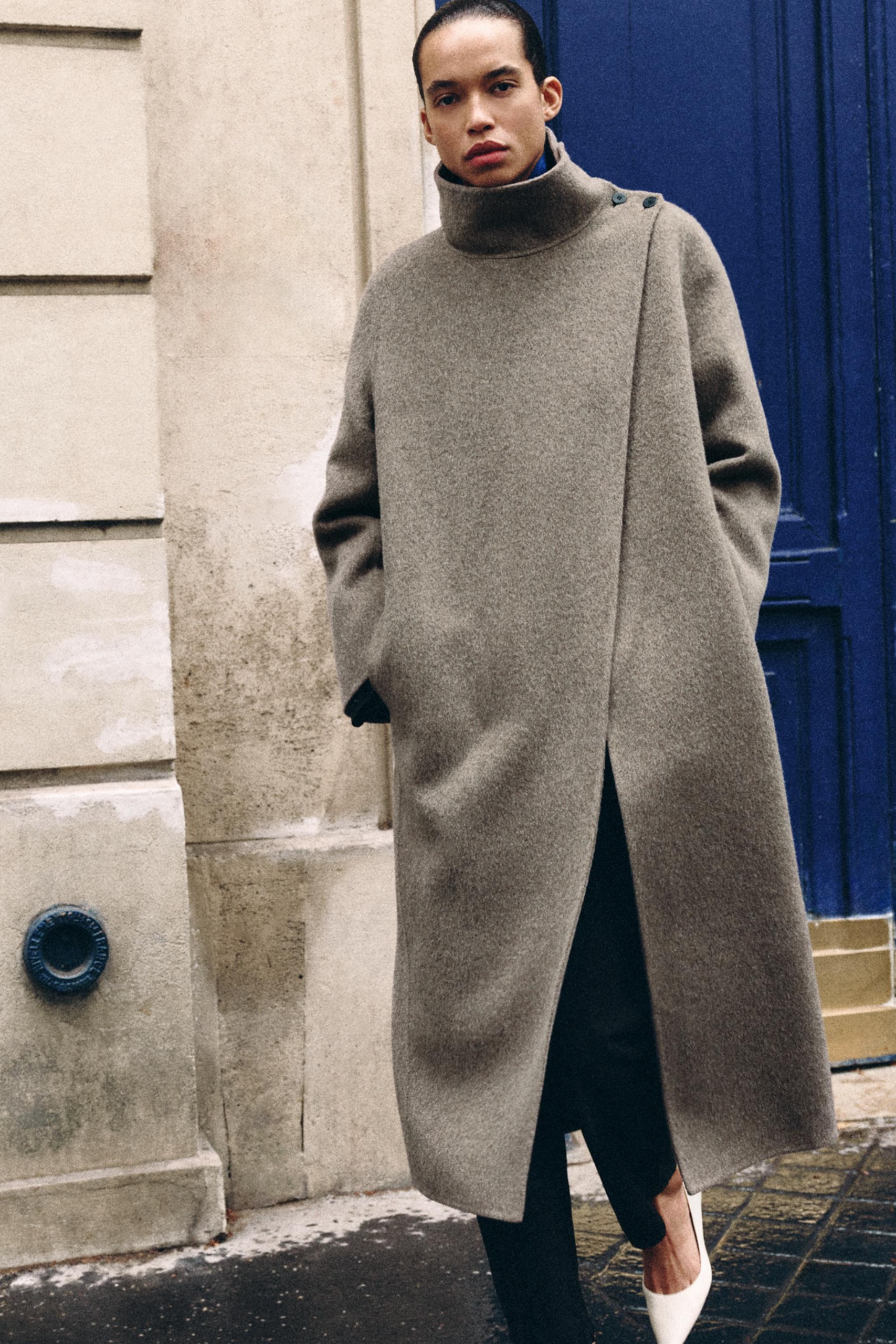
The ZW Collection Long Wool Blend Coat is arguably the most important purchase of the year. Its cut is reminiscent of high-end tailoring, providing a silhouette that works equally well with evening wear as it does with weekend denim. Similarly, the Long Leather Effect Trench Coat offers a modern, edgy alternative to the classic beige trench, providing a weather-resistant layer that adds instant polish to any outfit.
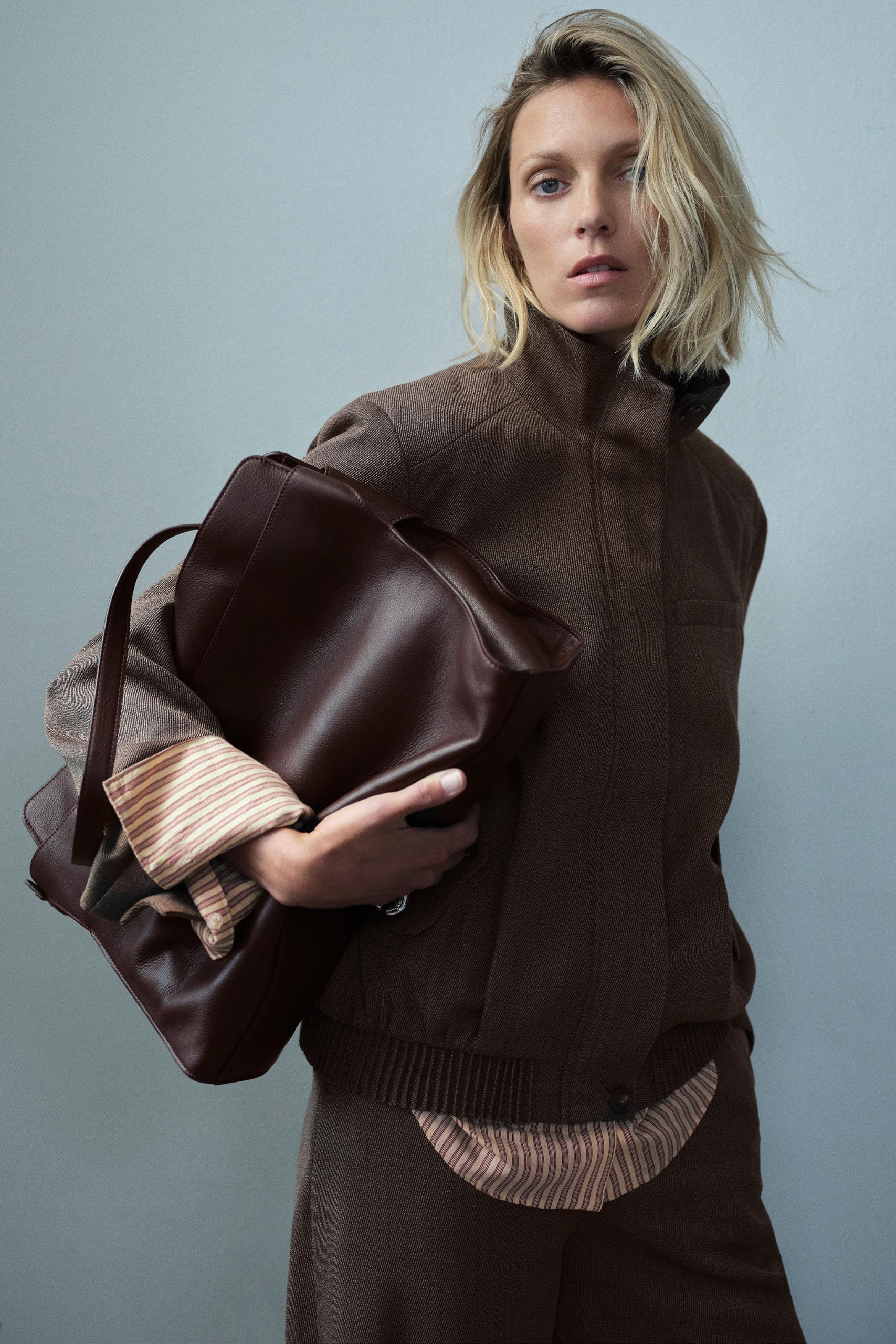
2. Knitwear with Longevity
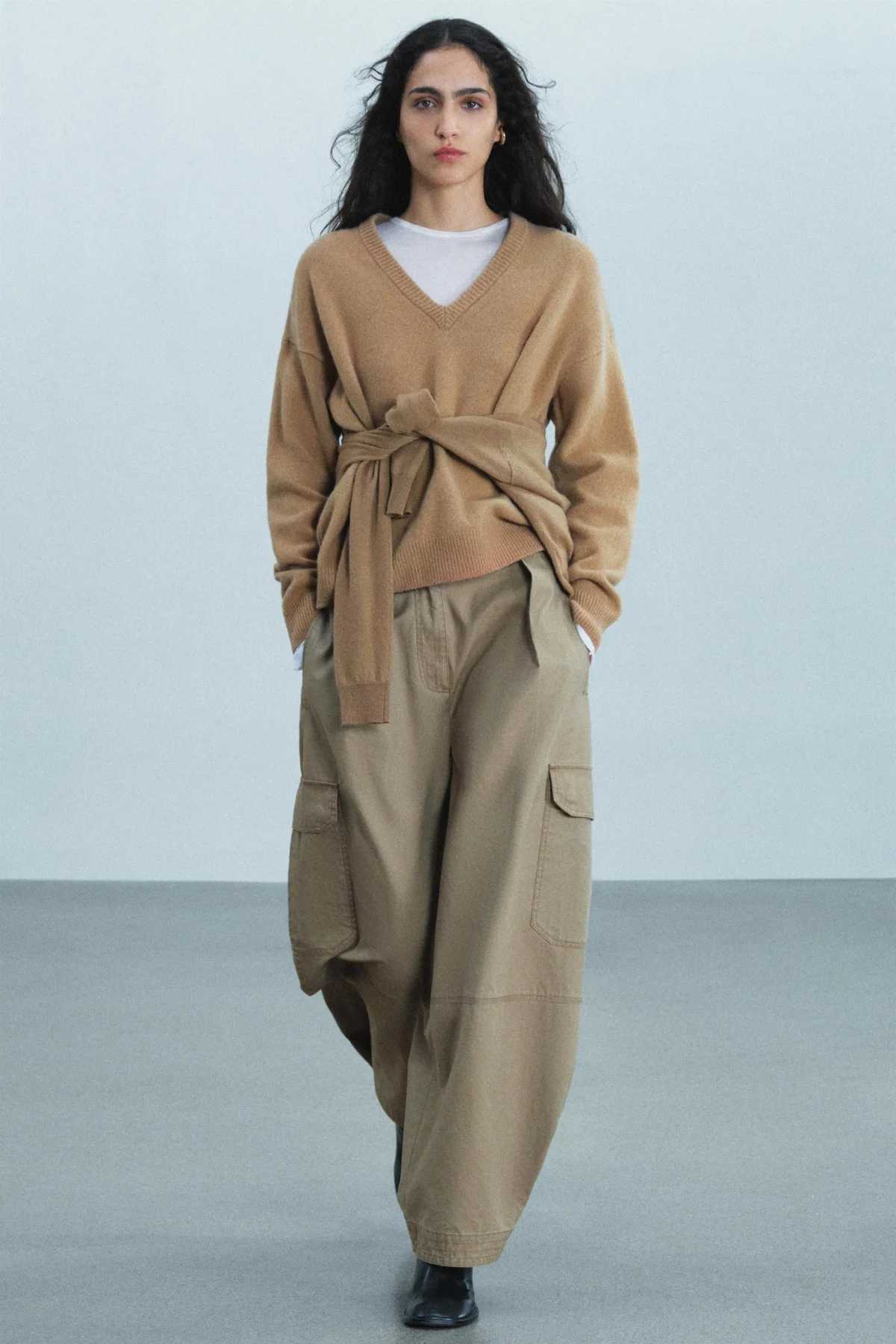
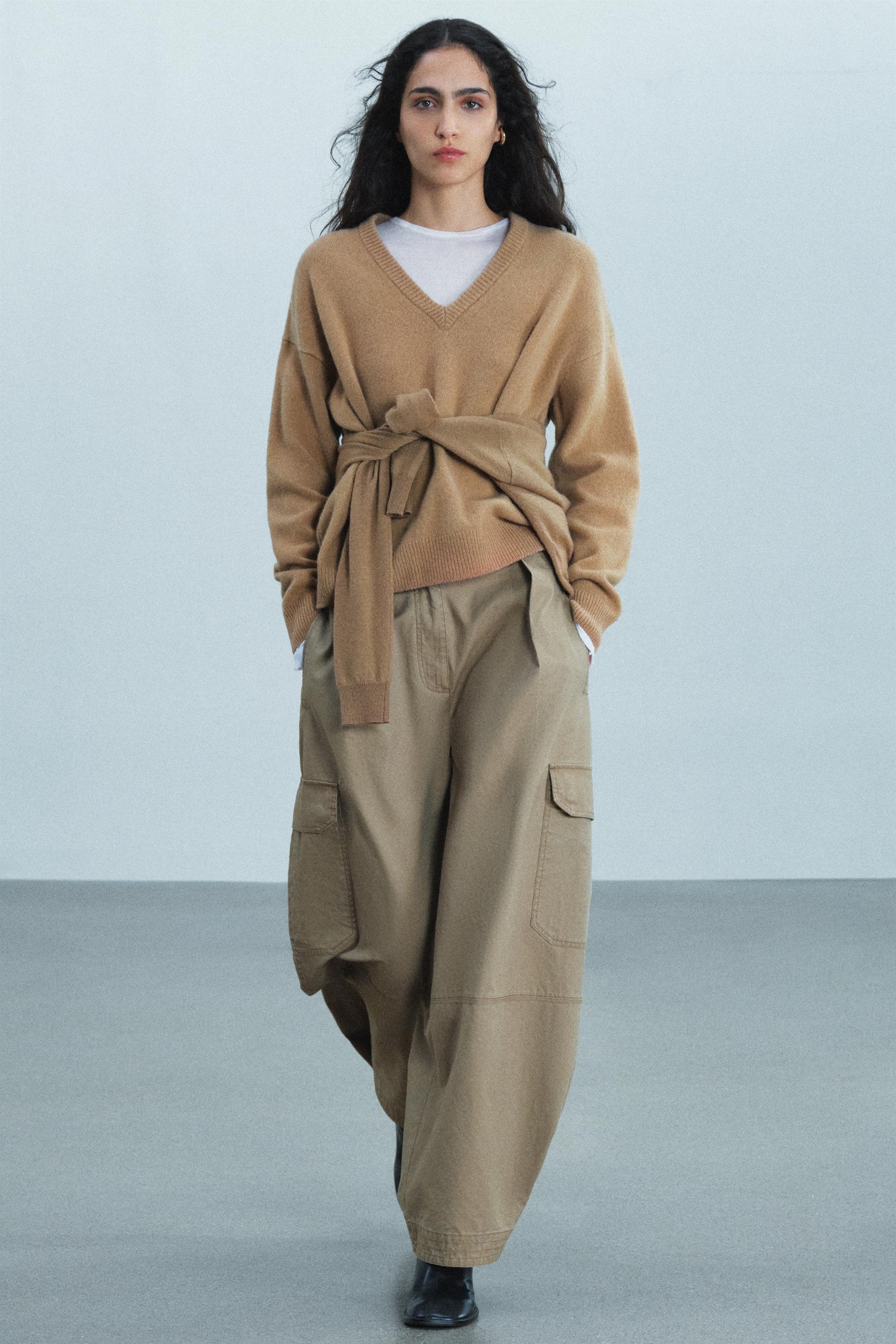
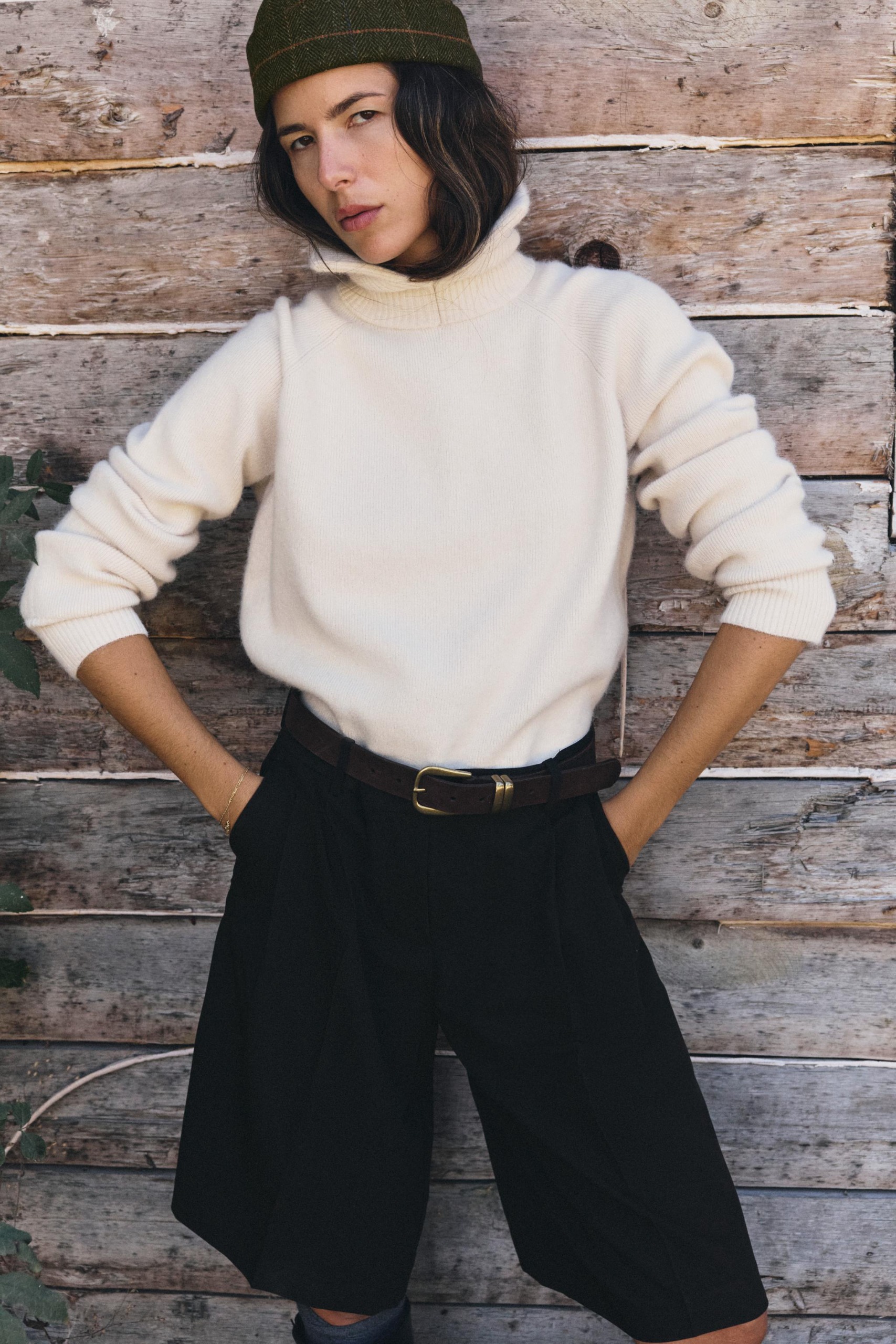
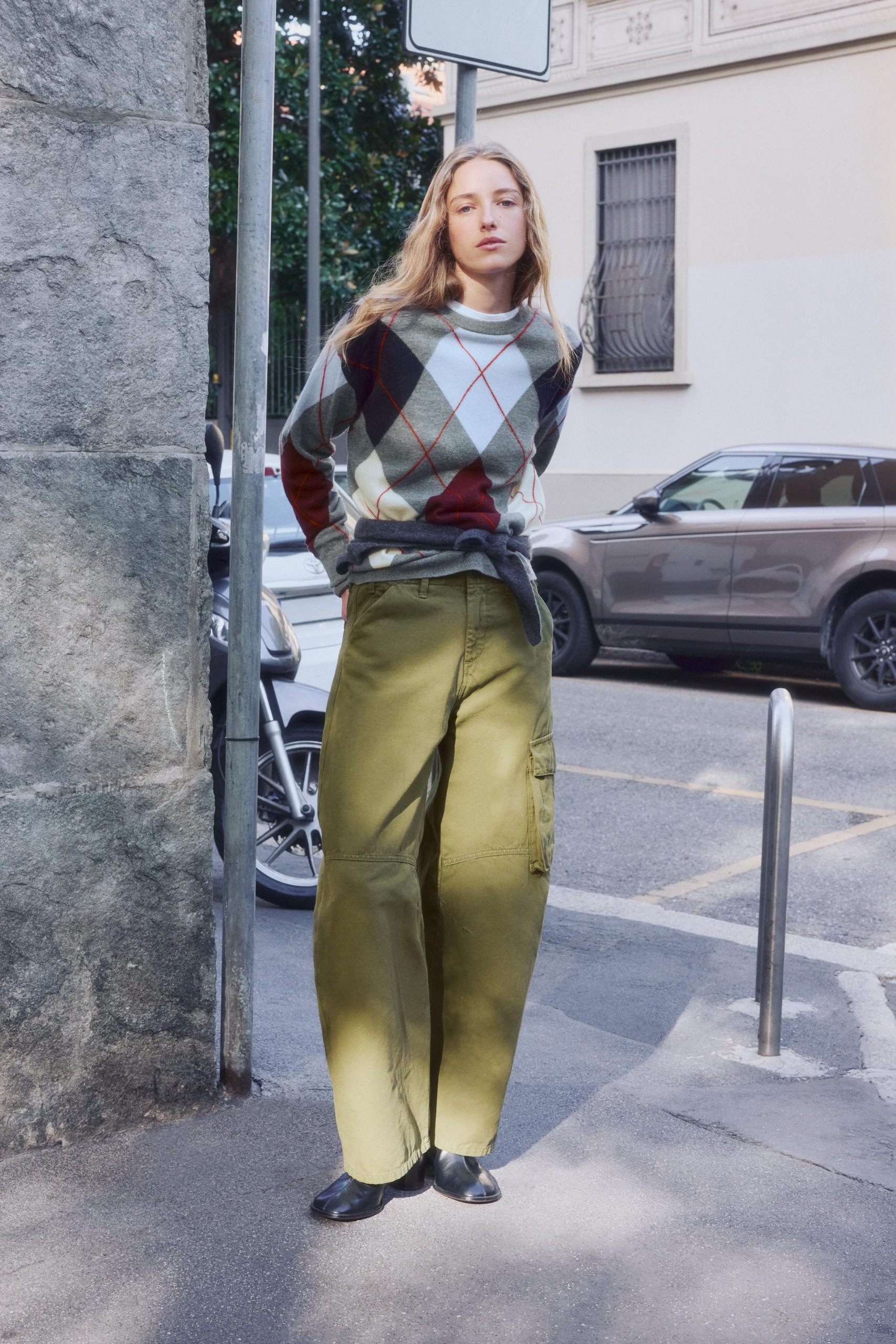
When it comes to knitwear, the goal is to find pieces that feel soft against the skin but are substantial enough to provide warmth. The 100% Extra-Soft Wool Argyle Jumper is a key trend piece, while the Cashmere Wool Blend V-Neck serves as the perfect neutral base layer. These items are the "hardworking" pieces that prevent an outfit from looking flat or purely functional.
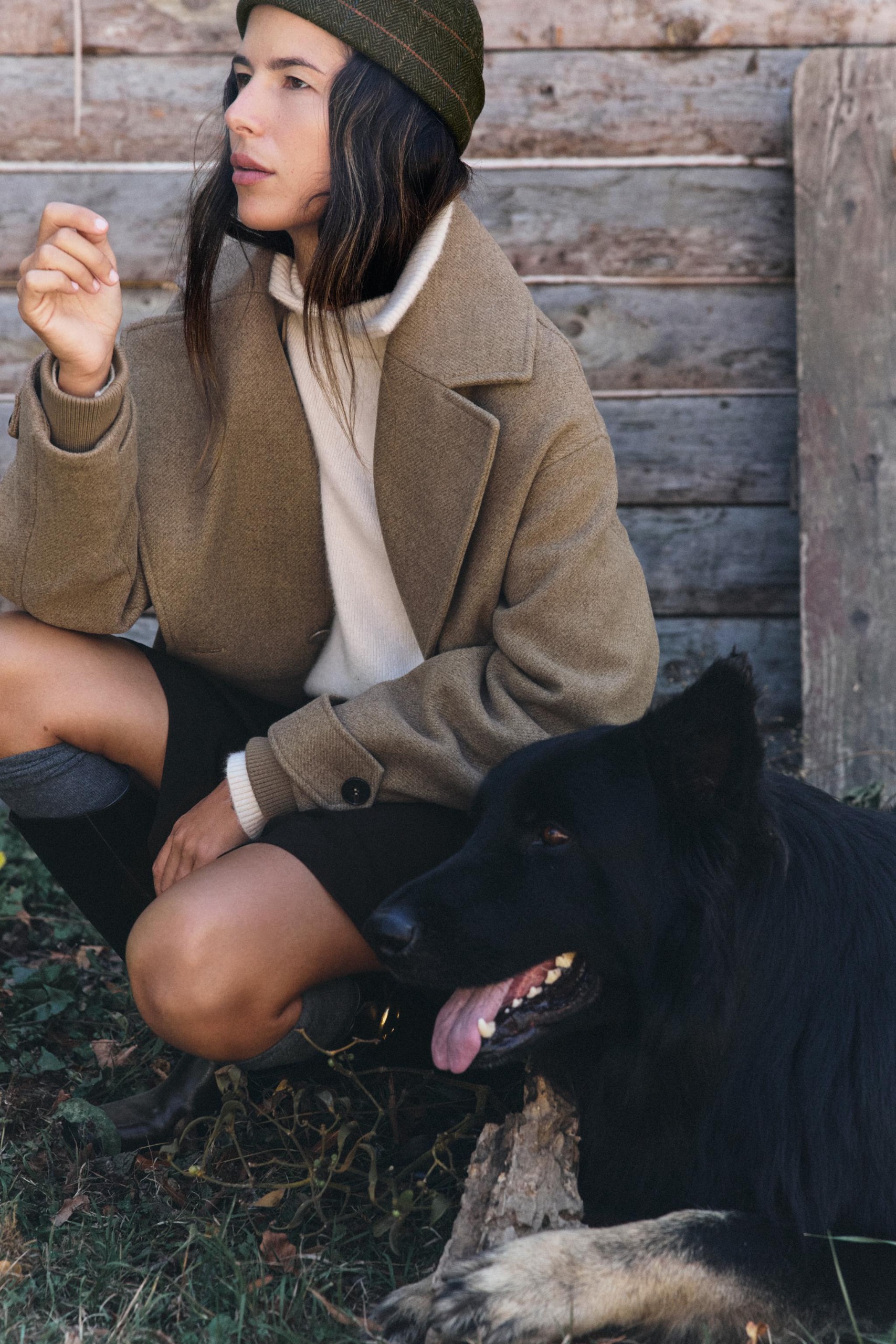
3. Leather and Structured Trousers
Leather trousers have moved beyond the "night out" category and are now a staple of daytime office wear. The ZW Collection 100% Leather Trousers in dark brown offer a rich, sophisticated hue that is much softer than standard black. For those looking for a modern shape, the Barrel Trousers have been a standout favorite in the office for their unique, flattering fit.
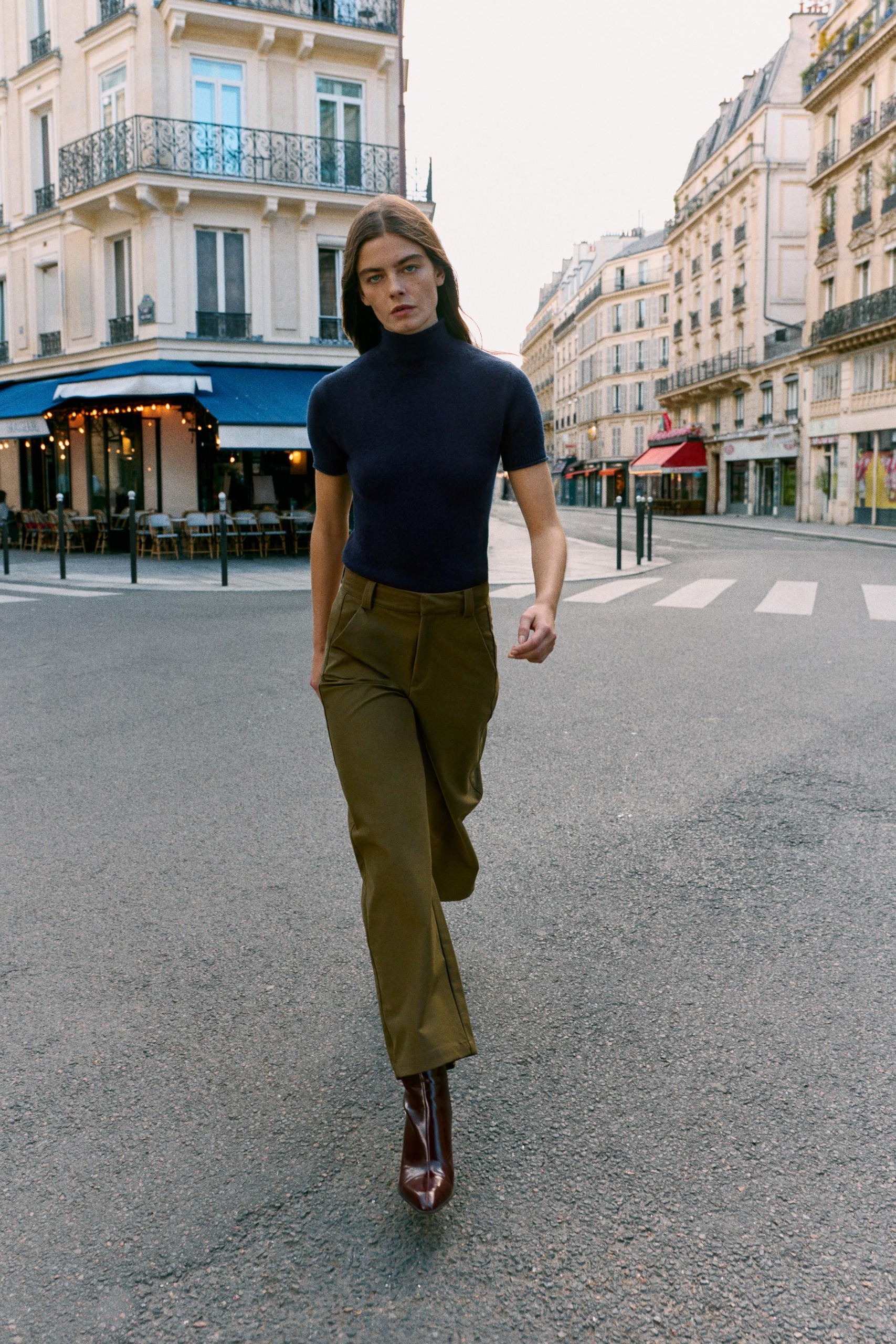
4. Footwear and Accessories
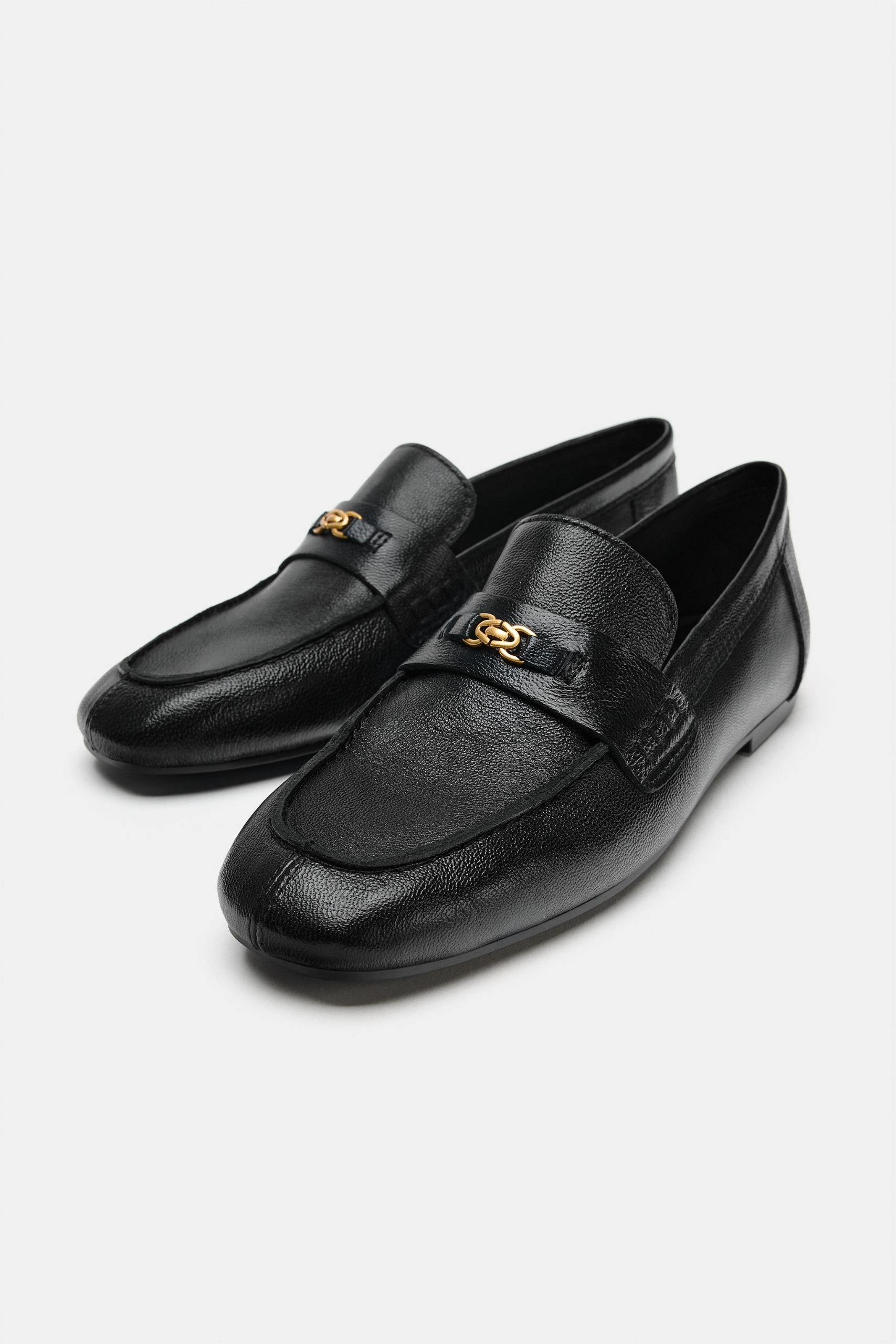
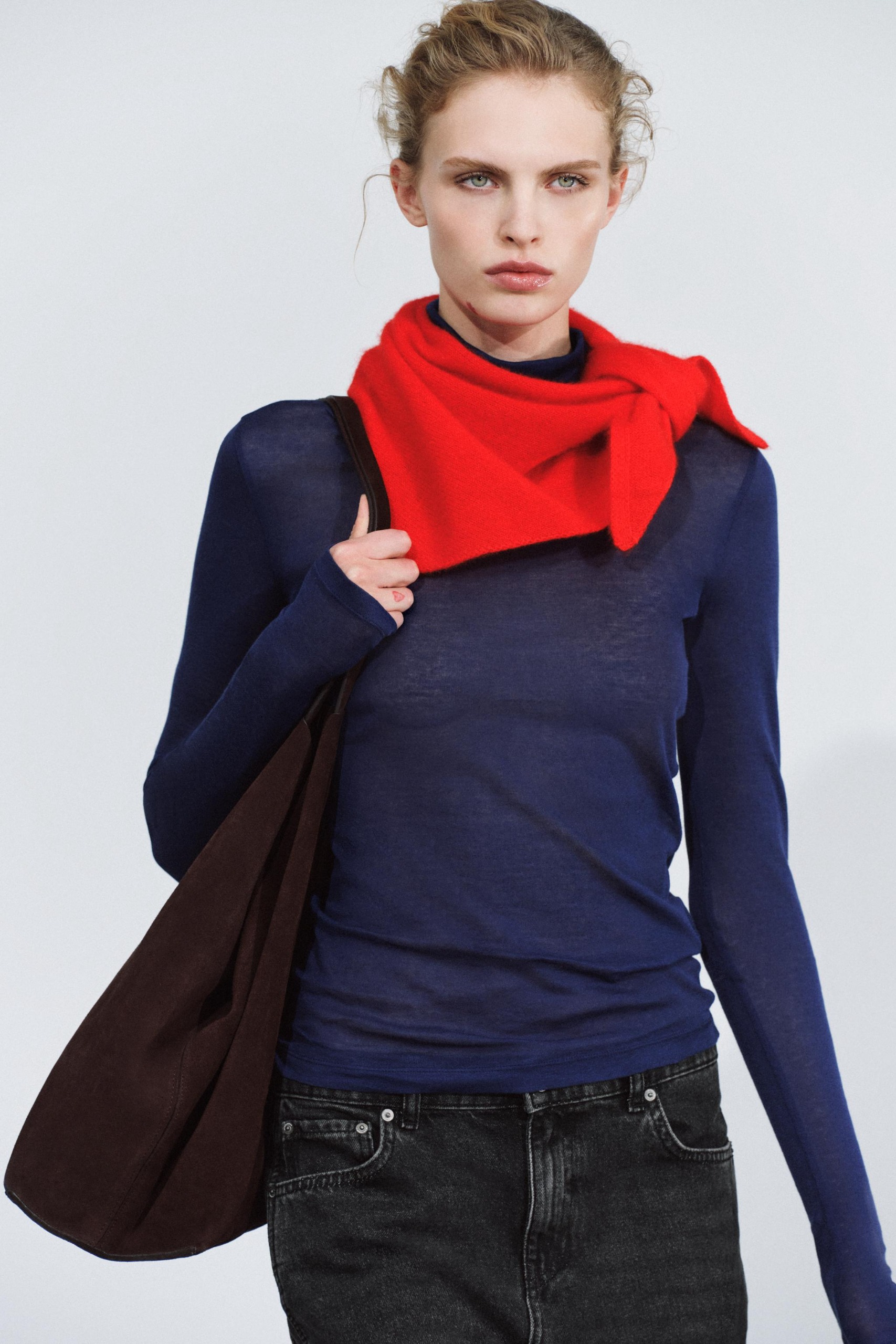
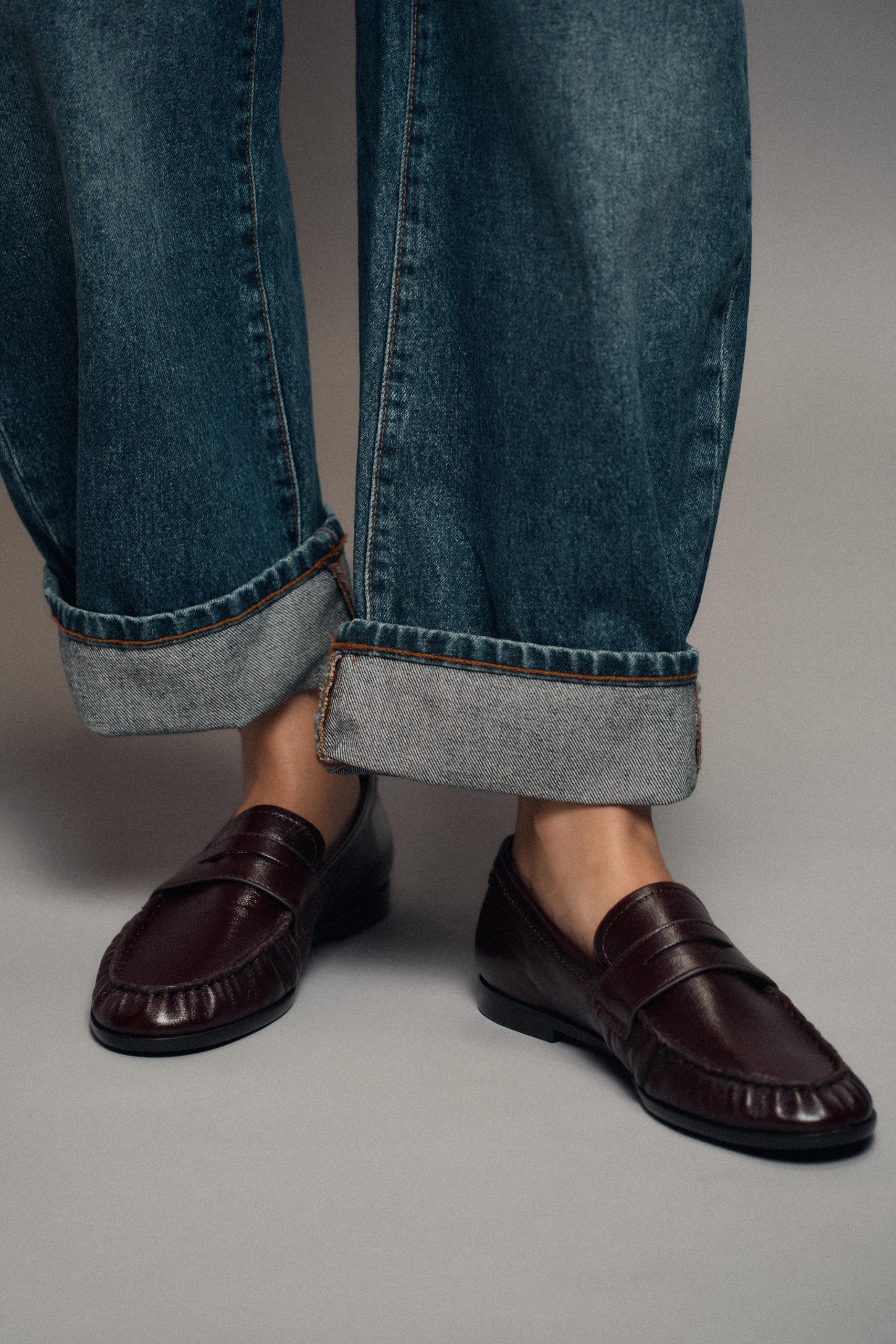
Accessories often make or break an outfit. The Leather Riding Boots are a nod to the equestrian trend that has dominated the 2026 runways, while the Leather Loafers with Metal Appliqué provide a practical, stylish alternative to heels. Finally, the Plain 100% Cashmere Bandana is perhaps the most underrated item of the season; it is the ultimate accessory for adding a pop of color and luxury to a coat lapel.
Conclusion: The Early-Bird Advantage
The reality of the current retail environment is that waiting for a sale is often a gamble. The items that are genuinely worth owning—the ones that bridge the gap between high-street accessibility and designer quality—are almost always the first to sell out.
If you are looking to build a wardrobe that feels curated and elevated for the 2026 winter season, now is the time to act. By focusing on quality fabrics, timeless silhouettes, and pieces that serve a distinct purpose in your daily rotation, you can create a look that feels both current and enduring.
As we continue to track the season’s developments, keep a close eye on these categories. The goal is to reach that point in mid-winter where you open your wardrobe and find that, regardless of the weather, you have a collection of clothes that you are genuinely excited to wear. That is the true definition of a successful wardrobe strategy.
To shop these items and more, visit the Zara website or your local boutique, and remember: in the world of high-street fashion, timing is everything.
