

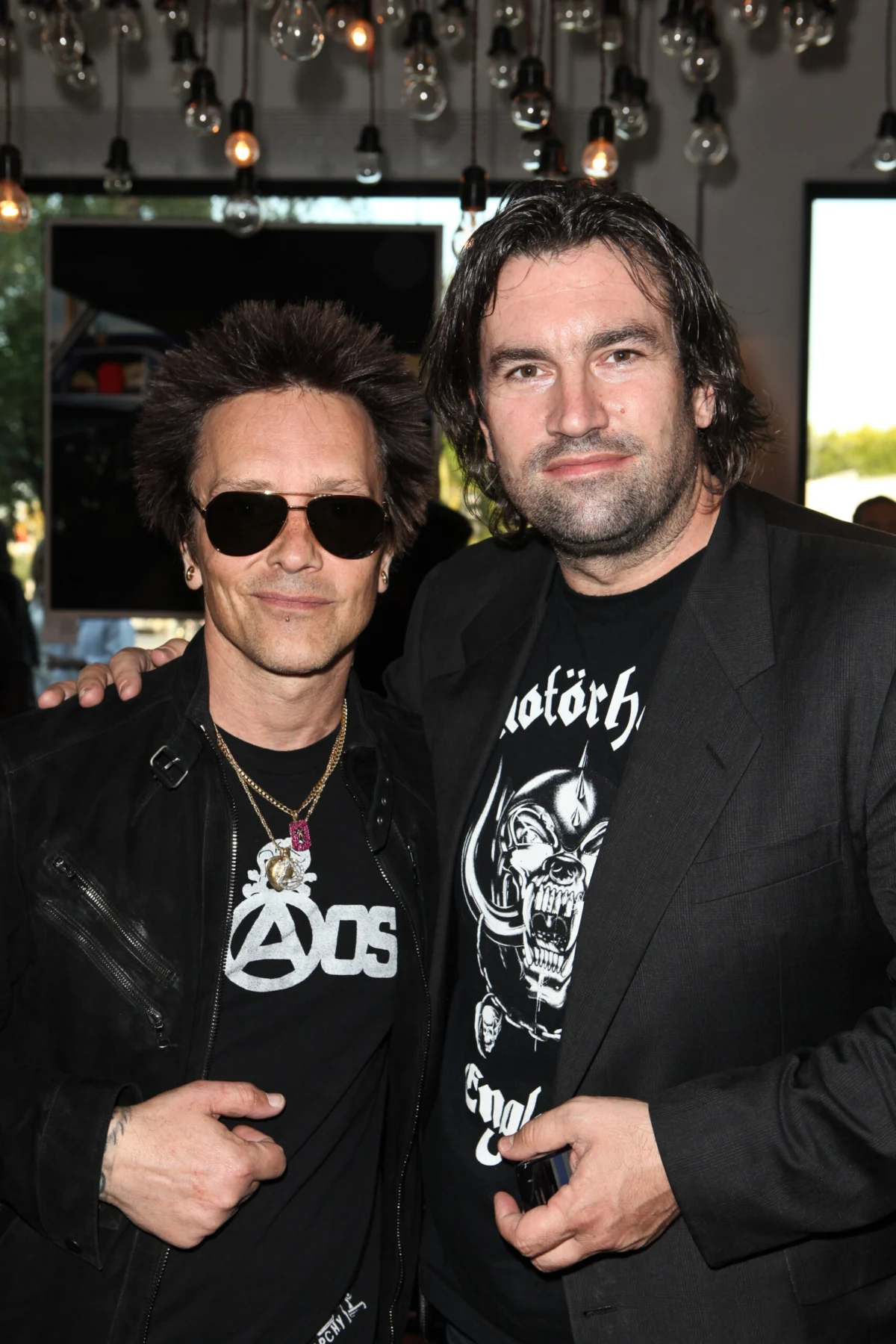
The John F. Kennedy Center for the Performing Arts—the preeminent cultural institution in the nation’s capital—has announced the appointment of Rick Canny as its new artistic director. The selection of Canny, a seasoned veteran of the rock-and-roll industry, marks a radical departure from the center’s traditional focus on classical music, opera, ballet, and jazz. This appointment comes at a precarious moment for the institution, which has faced a turbulent two years under the oversight of the Trump administration, characterized by dwindling revenue, artist boycotts, and existential threats regarding the future of its physical infrastructure.
A Pivot in Programming Strategy
Rick Canny’s resume is inextricably linked to the grit and spectacle of the music touring industry. Throughout his career, he has served as a talent buyer, concert promoter, and vice president at major artist-management firms. His roster of former clients includes hard-rock heavyweights such as Whitesnake, ZZ Top, Mötley Crüe drummer Tommy Lee, and former Creed frontman Scott Stapp.
By tapping a figure whose primary experience lies in stadium tours and rock management, the Kennedy Center is signaling an intent to pivot away from its long-standing identity as a bastion of high-brow performance art. While the center’s statement regarding the appointment emphasizes the need for a "commanding reopening season," skeptics within the arts community argue that Canny’s professional pedigree—which includes an executive producer credit on a 1995 recording by the band Dad’s Porno Mag—is fundamentally misaligned with the institution’s mission of promoting the performing arts at the highest level of artistic excellence.
Chronology of a Tumultuous Tenure
The crisis currently engulfing the Kennedy Center did not occur in a vacuum. It is the result of a series of administrative and political escalations that began in early 2025.

- Early 2025: Following a change in federal oversight, the Trump administration assumed a more hands-on role in the management of the center. Almost immediately, the institution saw a sharp decline in philanthropic support and box-office receipts.
- Mid-2025: As donor confidence wavered, a wave of artists, citing ideological disagreements with the new management, withdrew from previously scheduled performances, leaving significant gaps in the center’s programming calendar.
- Late 2025: The administration proposed a $250 million renovation project for the main building. The proposal was met with fierce resistance from preservationists and the arts community. At the height of the dispute, the administration publicly floated the idea of demolishing the structure if the renovation, which included plans for significant branding changes, was not approved.
- Early 2026: A legal battle over the building’s future rendered the main venue effectively "dark," halting all major performances in the Concert Hall and the Opera House.
- October 2026: Rick Canny, who had been serving as a consultant for the institution for over a year, was officially named artistic director.
Supporting Data and Financial Realities
The financial trajectory of the Kennedy Center has been nothing short of alarming. According to industry reports, the combination of the artist exodus and the current, albeit involuntary, closure of the main building has crippled the center’s liquidity.
The center’s current financial standing is a far cry from its status just three years ago. The shift in leadership has resulted in a double-digit percentage drop in corporate sponsorships and individual donations, which historically formed the bedrock of the center’s operational budget. While the annex known as "The Reach" continues to host limited, small-scale programming, it lacks the capacity to generate the revenue necessary to support the massive operational costs of the main campus.
The mandate for Canny is clear: stabilize the institution. He will work closely with executive director Matt Floca to overhaul the center’s ticketing infrastructure, modernize its media outreach, and seek out new, non-traditional sponsorship opportunities. Whether the "rock-and-roll" approach to commercial viability can save the center remains the central question for the board of trustees.
Official Responses and Internal Tensions
The official stance from the Kennedy Center remains one of forced optimism. In a statement released following the announcement of Canny’s appointment, the center’s administration noted: "Regardless of building closure timelines, the center must continue to curate programming during infrastructure upgrades and deliver a commanding reopening season that brings audiences back and puts the center on stable financial footing."

However, this public-facing confidence masks deep-seated internal tensions. Sources close to the center have indicated that several long-term department heads, particularly those specializing in classical repertoire and dance, have expressed profound concern over the shift in vision. The request for "family-friendly" programming, reportedly championed by the current administration, is viewed by many as a euphemism for the commercialization of the stage at the expense of artistic integrity.
Canny, for his part, has maintained a low profile regarding the criticisms, focusing his public statements on the necessity of adapting to "modern audience expectations."
Implications for the Future of American Performing Arts
The appointment of an individual with no experience in ballet, classical music, or opera to lead one of the nation’s premier performing arts institutions is a bellwether for the broader culture wars currently playing out in the public sphere. If the Kennedy Center succeeds under Canny’s leadership, it may set a precedent for other public institutions to prioritize commercial appeal and celebrity-driven programming over traditional academic and artistic pursuits.
Conversely, should the strategy fail, the damage to the center’s reputation may be irreparable. The "long dark" of the main building has already damaged the institution’s standing in the international arts community. The addition of a leadership team perceived as "outsiders" to the world of fine arts may exacerbate the disconnect between the center and the donor class that has historically sustained it.

As the legal battles regarding the $250 million renovation continue to drag on in the courts, Canny finds himself in the unenviable position of steering a ship with no primary engine. His tenure will likely be defined by whether he can bridge the gap between his background in the rough-and-tumble world of rock management and the sophisticated, often delicate, requirements of managing a national cultural treasure.
The appointment of a man who once managed the career of the frontman of a band known for the track "Smell My Finger" to the head of the Kennedy Center is, in many ways, the perfect distillation of the current era: a period where the boundaries between high art, populist entertainment, and political maneuvering have never been more blurred. For the audiences who have long walked the halls of the Kennedy Center for the sounds of a symphony or the grace of a prima ballerina, the coming months will be a test of whether their institution can survive the transition—or if the music, as they know it, has finally reached its crescendo.
