

The dream of the "affordable electric vehicle" has long been the holy grail for the automotive industry in the United States. For years, the promise was simple: produce a functional, reliable EV for under $30,000, and the masses would flock to showrooms. On paper, the new iterations of the Chevrolet Bolt and the Nissan Leaf seemed to fulfill this mandate. They offered improved range, modern features, and a price tag that finally brought electric mobility into the realm of the average American commuter.
Yet, reality has proven far more stubborn. Despite the theoretical appeal, these vehicles have landed with a resounding thud in the marketplace. As legacy automakers navigate a shifting landscape defined by high interest rates, the expiration of federal tax credits, and a cooling consumer appetite for pure electrics, the strategy for compact EVs is being rewritten in real-time. Amidst this turbulence, Kia is making a bold, calculated bet with its new EV3. Whether this "baby EV9" can defy the current market gravity remains the most pressing question for the future of budget-friendly electrification.
A History of Hype and Hesitation
To understand the current precarious position of the affordable EV segment, one must look at the recent trajectories of the industry’s stalwarts. When General Motors announced its new-generation Bolt, expectations were high. However, the excitement was quickly tempered by the company’s own messaging. GM explicitly stated that the new Bolt would only see a "limited run," signaling a lack of long-term commitment to the platform. By capping the production window through 2027, GM effectively told the market that this vehicle was a stopgap rather than a cornerstone.
Similarly, Nissan’s approach to the new Leaf has been defined by extreme caution. Last year, the company’s then-marketing chief warned that the rollout would be conservative, a sentiment that has manifested in lackluster sales figures. With only 2,318 units moved in the U.S. so far this year, the Leaf is currently underperforming against its own sales numbers from 2025—a period before the updated model was even available.
This hesitancy is not merely a lack of faith in the products themselves, but a reaction to a broader, harsher economic climate. Without the $7,500 federal tax credit that once greased the wheels of adoption, and with manufacturers pivoting production capacity toward high-margin hybrids to meet shifting demand, the "cheap EV" has suddenly become a difficult sell.
The Kia Gambit: Betting on the EV3
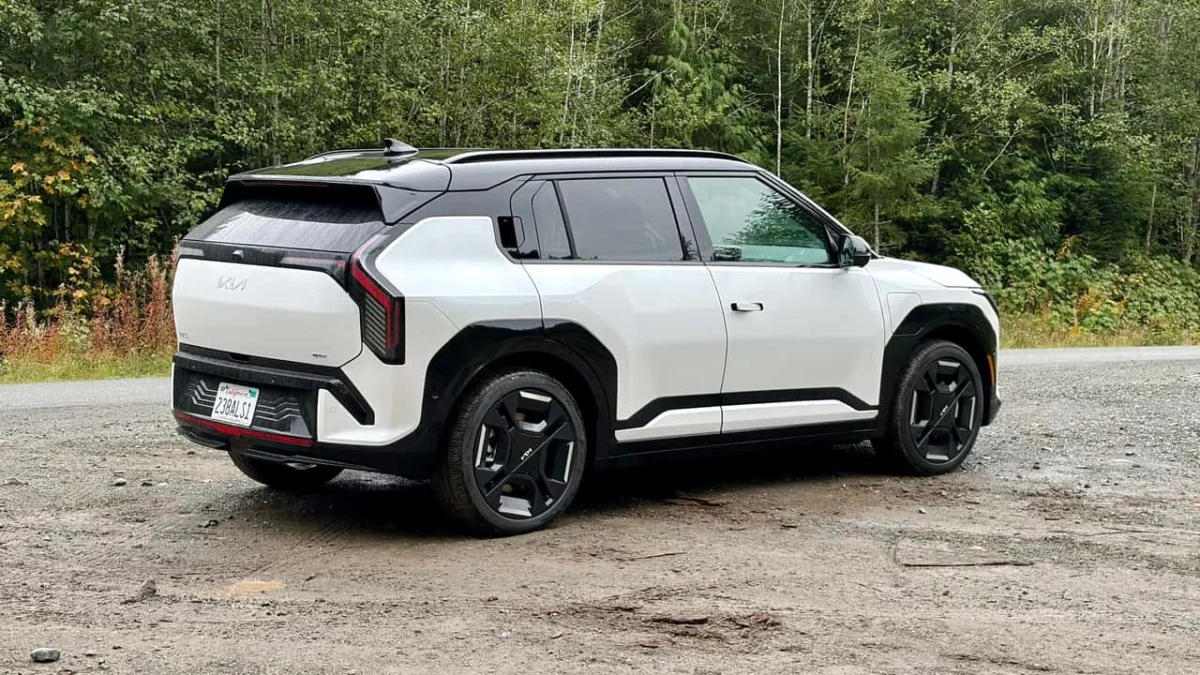
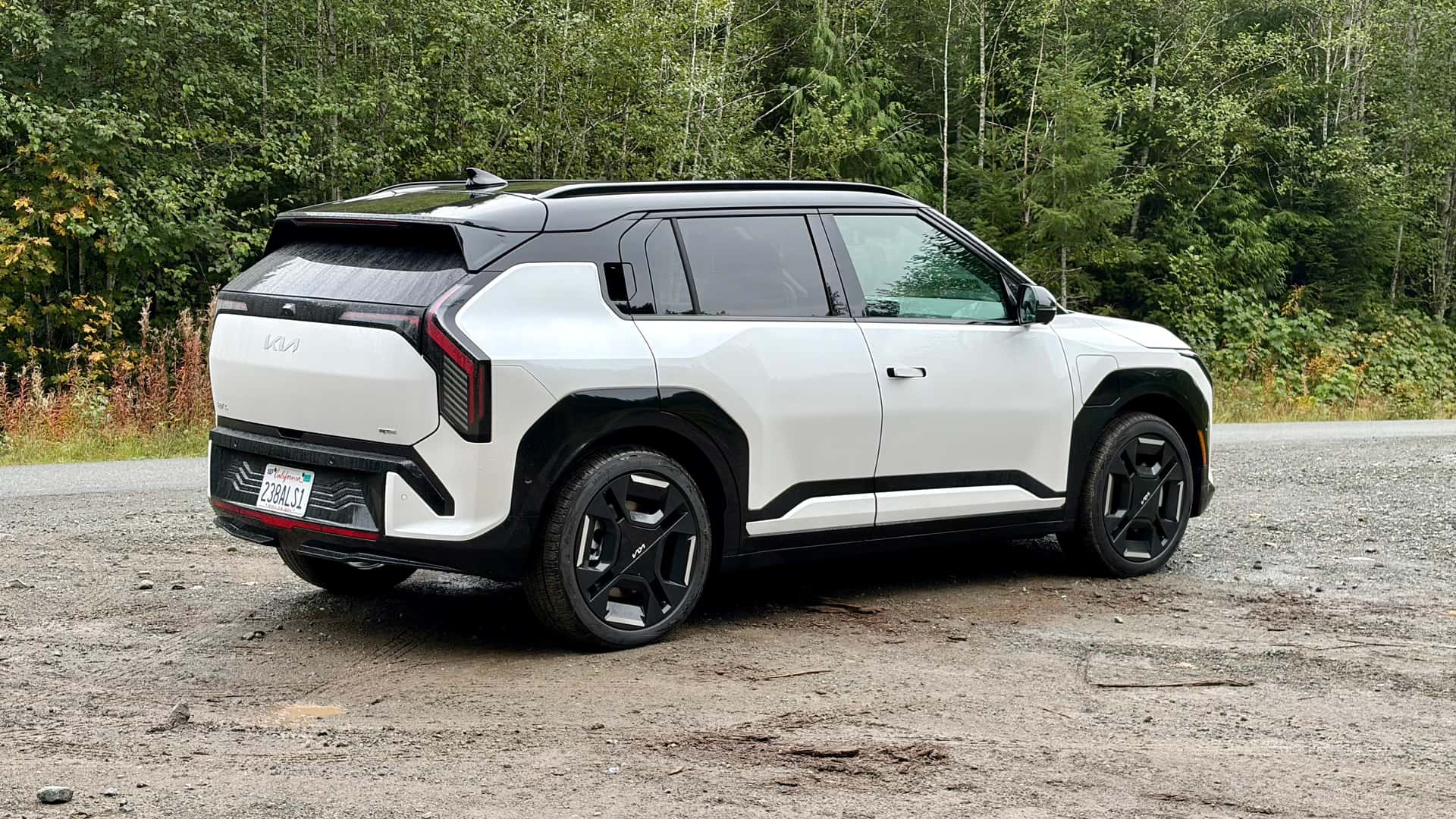
Enter the Kia EV3. Launched in August, the EV3 represents a different philosophy. Rather than positioning itself as a stripped-down economy car, Kia is marketing the EV3 as a premium-feeling, highly capable crossover that just happens to be small.
During the vehicle’s recent press drive, Young Kim, Kia’s senior product planning manager, expressed significant confidence in the model. He suggested that the EV3 is poised to become the brand’s most popular electric offering in the United States. While he remained tight-lipped regarding a specific timeline for this milestone, the evidence from abroad suggests the goal is not entirely fanciful. In Europe, where the model has been available for a longer duration, the EV3 has already established itself as the Hyundai Motor Group’s top-selling electric vehicle, boasting approximately 27,000 sales in the first half of 2026 alone.
Market Realities and Shifting Sands
The domestic environment into which the EV3 is launching is undeniably more challenging than the one Kia anticipated when it first announced the U.S. rollout in 2024. The overall electric vehicle market has cooled, and even established players are seeing their numbers fluctuate. Kia’s own EV6, for example, has experienced a 45% decline in year-to-date sales, landing at 6,264 units.
However, the data is not universally grim. The larger, more expensive three-row EV9 has demonstrated surprising resilience, maintaining sales levels nearly identical to those seen in 2025. This suggests that while the "EV craze" may have leveled off, there is still a robust demand for the right product. Kia is hoping that the EV3—which essentially functions as a "baby EV9"—will capture that same consumer interest by offering the design language and build quality of its flagship SUV in a more accessible, entry-level package.
The Strategy: Beyond Volume
Kia remains cautious about projecting exact sales volumes for the U.S. market, likely aiming below the ambitious 70,000-to-80,000 annual units they forecasted in 2024. In the current policy environment, such numbers are rare for any brand outside of Tesla.
Christine Bagnard, Kia America’s director of sales and field operations, emphasizes that the strategy is not necessarily to chase massive, unsustainable volume immediately. Instead, the focus is on regional strength and strategic positioning. "I think with this particular vehicle, we’re going to do very, very well given its entry price point," Bagnard noted during a press briefing. "Even the well-equipped model is very, very well-priced and positioned."
The company is seeing early signs of success not just in traditional EV strongholds like California, but in less obvious, more "traditional" markets. By keeping a flexible production plan, Kia intends to ramp up if demand exceeds expectations, rather than flooding the market and risking the kind of inventory pileups that have plagued other manufacturers.
The Competition and the "Small EV" Problem
Kia is not alone in its quest to define the entry-level EV segment. Other manufacturers are preparing to enter the fray with their own solutions. Ford is reportedly eyeing a target of 100,000 sales per year for its upcoming "Fathom" electric pickup, slated for release next fall with an estimated $30,000 price tag. Meanwhile, the startup Slate is preparing its Illinois facility with a capacity to churn out 150,000 vehicles annually.
Despite this collective enthusiasm, the industry faces three significant headwinds:
- Policy Uncertainty: The lack of federal incentives makes it harder to close the price gap between EVs and internal combustion engine (ICE) vehicles.
- Consumer Preference: The American market has shown a historical preference for larger vehicles, making the compact form factor of the EV3 and similar models a harder sell.
- The Used Market: A growing supply of lightly used, modern EVs is currently available at significant discounts, creating fierce competition for new, budget-oriented electric cars.
Why the EV3 Might Just Work
What sets the EV3 apart from the Bolt and the Leaf is its departure from the "economy car" aesthetic. During recent test drives, critics have noted that the EV3 feels remarkably refined. With a range of up to 321 miles on the larger-battery variant, it bridges the gap between a city runabout and a legitimate road-trip vehicle.
Furthermore, the styling is a major differentiator. The boxy, rugged design cues borrowed from the EV9 resonate with current consumer trends toward SUVs and crossovers. Where the previous generation of affordable EVs often looked "different for the sake of being different," the EV3 looks like a proper, high-quality SUV.
The Road Ahead
The failure of the Bolt and Leaf to ignite a mass-market revolution was not a failure of electrification itself, but perhaps a failure of product-market fit. Consumers have shown they are willing to pay for EVs, provided those vehicles don’t feel like compromises.
Kia is betting that the EV3 can avoid this trap by offering a "premium-adjacent" experience at a competitive price. If the EV3 can successfully climb the sales charts, it will serve as a powerful proof-of-concept for the entire industry. It would suggest that Americans aren’t necessarily opposed to small, affordable EVs—they were simply waiting for one that felt like it was designed for them, rather than designed to meet a regulatory requirement.
As the industry looks toward 2030, with expectations that the mainstream electric SUV segment will exceed 400,000 units, the lessons learned from the EV3’s launch will be critical. Whether or not it becomes the runaway success Kia hopes for, it has already provided a vital piece of the puzzle: design, quality, and practicality matter just as much as the battery pack beneath the floorboards. For now, the automotive world is watching, waiting to see if the EV3 is the breakthrough the affordable electric market so desperately needs.
