

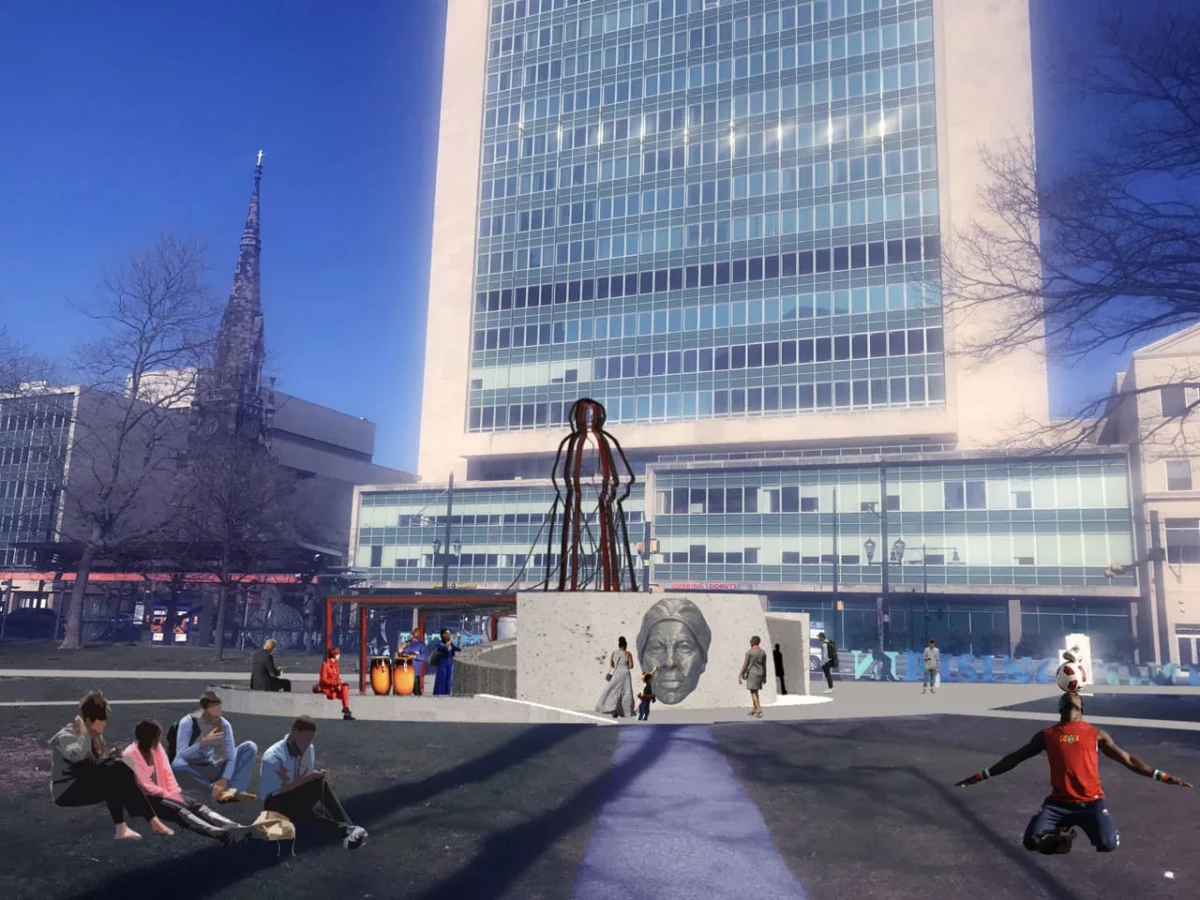
In the heart of downtown Newark, New Jersey, a profound shift is occurring within the landscape of Washington Park. For generations, public spaces have served as silent narrators of history, reflecting the values and priorities of the eras in which they were erected. Today, the City of Newark is actively redefining that narrative. By commissioning a new monument dedicated to the legendary abolitionist Harriet Tubman and preparing to rename the historic grounds to "Tubman Square," the city is signaling a move toward a more inclusive and representative public history. This project, which replaces a former statue of Christopher Columbus removed in 2020, stands as a testament to the evolving identity of an American city grappling with its past while forging a forward-looking future.
Main Facts: A New Chapter for Newark
The Harriet Tubman Monument Project is not merely the installation of a sculpture; it is a comprehensive civic endeavor designed to reclaim public space. The project, spearheaded by the City of Newark, aims to honor Harriet Tubman—an iconic figure of courage and resistance—and acknowledge New Jersey’s vital role in the Underground Railroad.
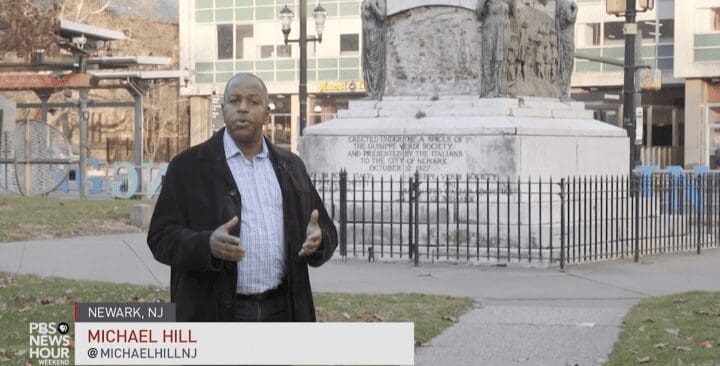
The monument is slated for installation in Washington Park, a location that has long served as a focal point for city discourse. The initiative represents a direct response to the national dialogue surrounding historical monuments and their cultural resonance. By replacing a statue of Christopher Columbus—which was removed by the city in June 2020 amidst a national movement to re-evaluate monuments dedicated to controversial historical figures—Newark has chosen to center the narrative on the fight for human dignity and liberty.
The selected artist for this high-profile commission is Nina Cooke John, a New Jersey-based architect and artist whose design was chosen following a rigorous national open call. Beyond the physical structure, the project is defined by its participatory nature. The Newark Museum of Art has entered a unique partnership with the artist, facilitating workshops that invite community members to craft their own ceramic tiles, which will be integrated into the final monument. This approach ensures that the monument is not only a tribute to Tubman but also a collective creation of the people who inhabit the city today.
Chronology: From Removal to Renewal
To understand the significance of the Tubman Monument, one must trace the timeline of the site’s transformation.
June 2020: The Removal of the Past
In the wake of nationwide protests against systemic racism and social injustice, the City of Newark made the decisive move to remove the statue of Christopher Columbus from Washington Park. This decision was part of a broader local and national trend, as municipalities began to question the appropriateness of monuments honoring figures associated with colonization and the subjugation of indigenous populations.
February 2022: The Vision Unveiled
On February 16, 2022, the City of Newark officially publicized the plans for the Harriet Tubman Monument. This announcement served as a bridge between the void left by the removed statue and the future promise of the park. It was during this period that the selection of Nina Cooke John was finalized, and the vision for "Tubman Square" was introduced to the public.
Spring 2022: Engaging the Community
Following the announcement, the Newark Museum of Art launched a series of engagement initiatives. The workshops designed to involve the public in the creation of the monument’s tiles were essential in shifting the monument from a static art piece to a "living" history. By late spring 2022, the city began documenting these interactions, emphasizing that the project was a collaborative journey.

The Present and Future: Construction and Dedication
As the project continues to advance toward completion, the site preparation and final fabrication of the monument remain the primary focus. The transition of the park’s identity to Tubman Square marks the final stage of this transition, cementing the site as a permanent hub for community reflection and historical education.
Supporting Data and Context: The Underground Railroad in New Jersey
New Jersey’s historical role in the Underground Railroad is often overshadowed by the prominence of other corridors, but it was, in fact, a crucial artery for freedom-seekers traveling toward New York and beyond. The selection of Newark as the site for this monument is deeply rooted in this history.
Harriet Tubman herself navigated the complexities of the New Jersey landscape during her missions as a "conductor." While the primary routes often focused on the southern reaches of the state, the proximity to the coast and the dense urban networks made Newark a transit point of immense consequence. By erecting a monument here, the city is not only honoring a national hero but also reclaiming its own local identity as a sanctuary of resilience.
Furthermore, the design by Nina Cooke John utilizes materials and forms that emphasize accessibility and engagement. The use of ceramic tiles—created by the hands of Newark residents—serves as a physical metaphor for the diverse community that makes up the city today. Statistics regarding local participation in the monument’s workshops have highlighted a strong desire among the youth and elderly alike to engage with the city’s civic development, indicating that the project is successfully bridging the generational divide in historical appreciation.
Official Responses and Perspectives
The initiative has garnered widespread support from city officials, historians, and local stakeholders. Mayor Ras Baraka has been a vocal proponent of the project, framing it as an essential step in "correcting the record" of American history. According to city representatives, the move to rename the park to "Tubman Square" is a deliberate act of public memory, ensuring that the names etched onto our civic landscape reflect the diverse contributions of the people who built the nation.
Nina Cooke John, the project’s lead artist, has expressed that her goal was to create a space that feels personal and approachable. "The monument is not meant to be a pedestal that looks down on you," she noted in project presentations. "It is meant to be a space you enter, a space you contribute to, and a space where you can feel the presence of Harriet Tubman as a guide."
The Newark Museum of Art has echoed these sentiments, noting that their involvement stems from a commitment to being a community-centric institution. By hosting the workshops, the museum has transformed from a repository of artifacts into an active participant in the creation of new cultural heritage.
Implications: A New Standard for Public Art
The Harriet Tubman Monument Project carries significant implications for the future of public art in America. It poses a fundamental question: How do we build monuments for a modern, diverse democracy?
1. Participation as Preservation
By allowing community members to contribute tiles to the monument, the city has created a sense of "ownership" among the populace. This model of participatory art suggests that the relevance of a monument is determined by its ability to engage the living rather than just memorialize the dead.
2. The Recontextualization of Public Space
The renaming of Washington Park to Tubman Square illustrates the power of municipal governance in defining historical narratives. It serves as a reminder that public spaces are never neutral; they are reflections of the current political and social climate. This project sets a precedent for other cities to re-evaluate their own public squares and consider whether their current statues accurately represent the values of their modern populations.
3. The Intersection of Architecture and Narrative
The design—which incorporates multimedia elements and interactive spaces—moves away from the traditional, solitary statue model. This shift toward "experiential" monuments suggests that future memorials will need to do more than stand as static figures; they will need to provide educational context and interactive potential to remain relevant in the digital age.
4. A Symbol of Persistent Progress
Finally, the project serves as a symbol of Newark’s own resilience. As a city that has faced numerous economic and social challenges, the decision to invest in a major cultural project centered on the theme of "freedom" and "liberation" is a bold statement. It tells the story of a city that refuses to be defined by its hardships and instead seeks to be defined by its aspirations.
Conclusion
The Harriet Tubman Monument Project is a landmark achievement in the integration of public history, community engagement, and urban design. By transforming Washington Park into Tubman Square, the City of Newark is doing more than replacing a statue; it is fostering a space for dialogue, education, and reflection. As the ceramic tiles are placed and the monument stands tall in the center of the city, it will serve as a constant reminder of the enduring power of the fight for equality.
Harriet Tubman’s journey was one of constant movement toward a better future, and in the heart of Newark, that journey continues. This monument will stand not as a closed chapter of history, but as an open invitation for future generations to contribute their own stories to the fabric of the community. In this way, the project succeeds in its most ambitious goal: ensuring that history is not just something we remember, but something we continue to build together.
