

In an era where home security technology is rapidly evolving, homeowners are increasingly looking for ways to fortify their property beyond the front door. While high-end, subscription-based security camera systems often dominate the conversation, a more subtle, cost-effective, and highly reliable solution has emerged as a staple for suburban and rural homeowners alike: the driveway alarm.
Driveway alarms act as a digital "gatekeeper," providing real-time notification when a vehicle, delivery driver, or unexpected visitor enters your property. For those with long driveways, sprawling estates, or simply a desire for greater peace of mind, these devices offer a critical layer of defense that traditional systems sometimes miss. Following a week of rigorous hands-on testing of the current market leaders, we have evaluated which systems provide the best balance of detection accuracy, signal range, and user-friendly design.
The Core Mechanics: How Driveway Alarms Protect Your Home
At its simplest, a driveway alarm consists of two main components: a motion-activated sensor installed at the perimeter and a receiver placed inside the home. When the sensor detects movement, it transmits a wireless signal to the indoor unit, which then triggers a light or an audible alert.
Unlike complex security camera systems that require consistent Wi-Fi connectivity and cloud storage fees, most driveway alarms function as standalone, dedicated security tools. Their primary advantage lies in their simplicity. Because they are designed for a singular purpose—detecting motion—they are often more responsive and less prone to the connectivity "lag" that can plague smart cameras. With ranges extending up to a half-mile in some models, they are the preferred choice for homeowners who need to monitor distant entry points where Wi-Fi signals may not reach.
Our Top Recommendation: The HTZSafe Driveway Alarm
After extensive field testing, the HTZSafe Driveway Alarm emerged as the clear winner. This system impressed our testing team with its sophisticated design and consistent performance.
Why It Leads the Pack
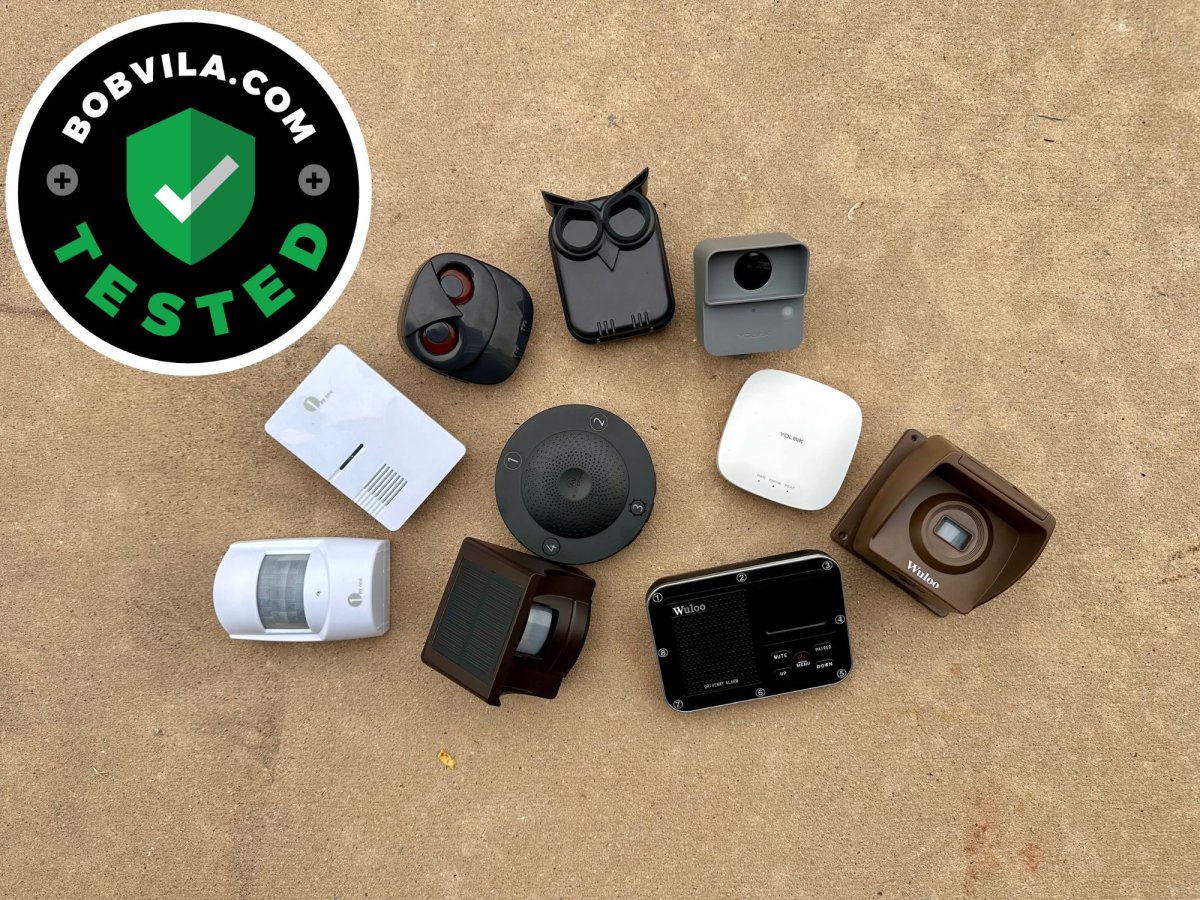
The HTZSafe distinguishes itself with a clever, nature-inspired design. The transmitter and receiver are shaped like owls, with the unit’s eyes illuminating when motion is detected. Beyond its aesthetic appeal, the functionality is robust:
- Customizable Alerts: The receiver offers 35 distinct sound options, including melodic tones and specific voice alerts (e.g., "front door," "garage," "backyard").
- Scalability: A single receiver can support up to 32 sensors, making it an ideal choice for complex properties with multiple entry points.
- Sensitivity Control: With three distinct sensitivity settings, we found it remarkably easy to calibrate the sensor to ignore smaller animals while maintaining a sharp focus on incoming vehicles.
During our testing, the HTZSafe maintained a reliable connection over a quarter-mile distance, even with obstacles like heavy landscaping and varying terrain elevation. It provides the perfect entry point for those beginning their home security journey.
Comparative Overview of Top Market Contenders
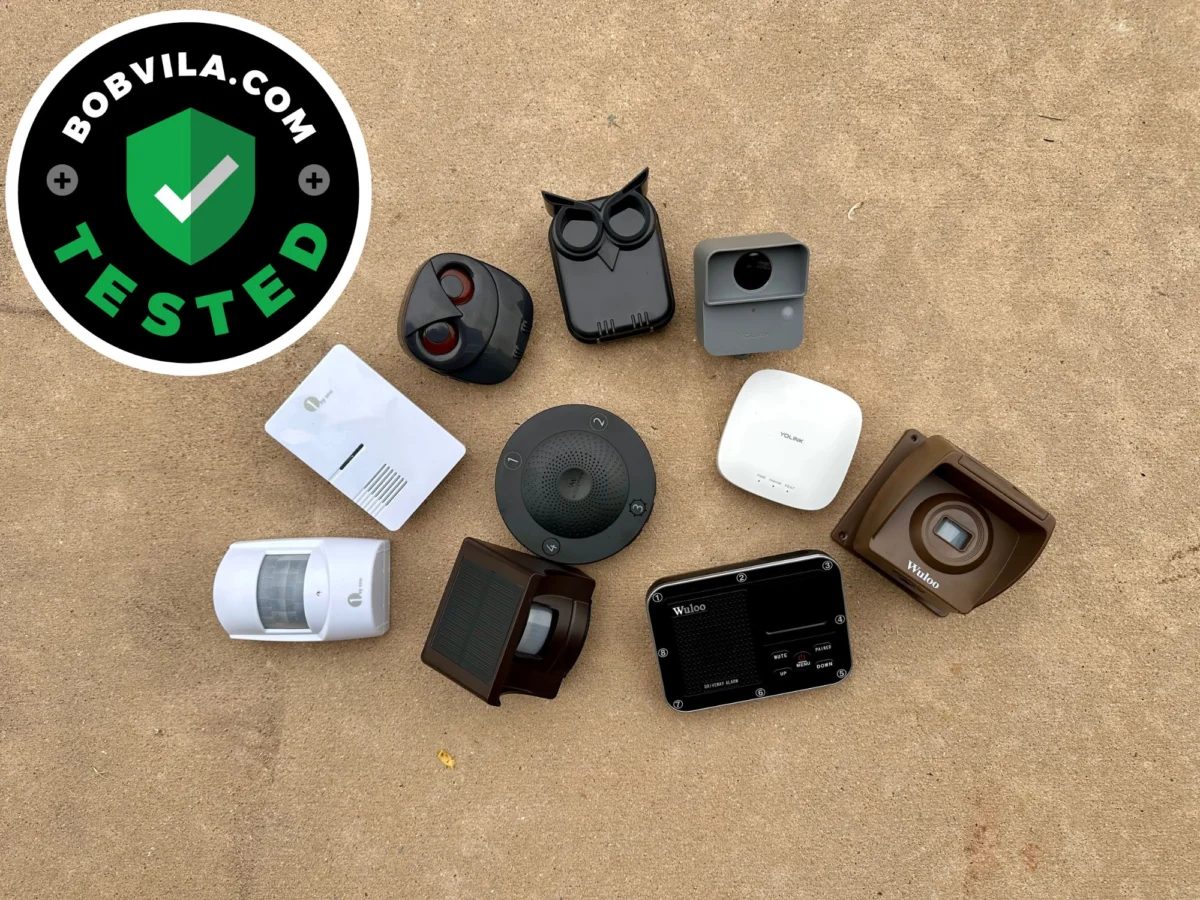
While the HTZSafe takes the crown for overall performance, other models excel in specific use cases. Our testing included:
- YoLink LoRa Alarm: This model is the premier choice for tech-savvy users. It utilizes Long Range (LoRa) technology to push real-time alerts directly to your smartphone, ensuring you are notified even when you are away from home.
- Emacros Driveway Alarm: Designed for the "long haul," this system features exceptional signal strength. It is the gold standard for rural properties with exceptionally long driveways that require high-range transmission.
- Wuloo Driveway Alarm: A versatile, multi-functional unit. Beyond its core security features, the Wuloo doubles as a digital alarm clock, offering a clean, compact footprint for a nightstand or desk.
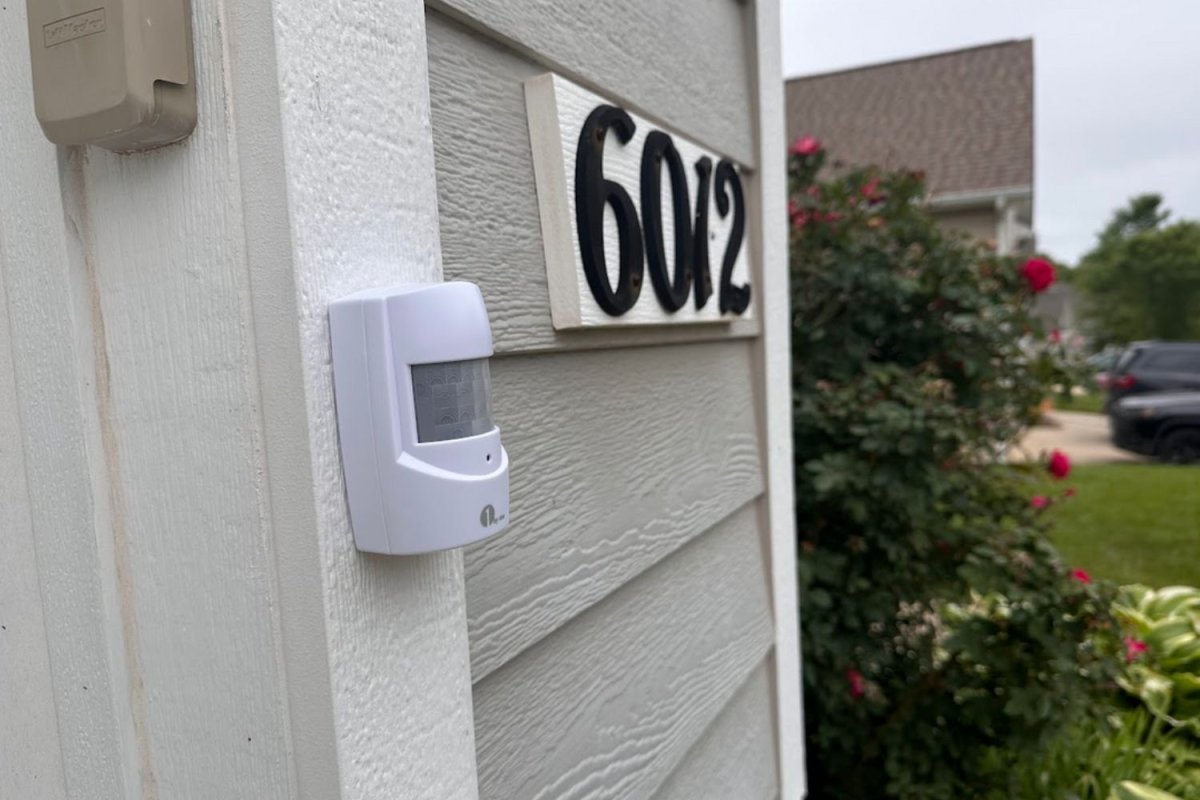
- 1byone Security Alert: Known for its "plug-and-play" simplicity, this unit is ideal for homeowners who want a security boost without the need for technical configuration.
Methodology: Putting Security to the Test
To ensure our recommendations are based on real-world reliability, we subjected these units to a week-long evaluation. Our methodology focused on five key performance indicators:
- Ease of Setup: We evaluated how long it took to go from unboxing to operational status.
- Detection Performance: We tracked the frequency of false alarms triggered by pets, wind, or wildlife.
- Alert Performance: We assessed the clarity and variety of the notification sounds.
- Signal Strength: We physically moved the sensors to varying distances—up to half a mile—to determine the threshold of signal failure.
- Durability: We performed a stress test by exposing the sensors to direct, prolonged water spray to simulate severe weather conditions.
Understanding the Technology: PIR vs. AIR vs. Magnetic
When shopping for an alarm, it is essential to understand the underlying technology to match the device to your property’s layout.
Passive Infrared (PIR)
PIR sensors detect heat signatures. Because humans and vehicles emit heat, these sensors are excellent at detecting intruders. They are generally the most affordable and easiest to install. However, they can sometimes be triggered by small animals, which is why sensitivity settings are a vital feature.
Active Infrared (AIR)
These systems use a "beam" of light between two units. When an object breaks the beam, the alarm sounds. These are highly accurate for specific, narrow pathways but are easily bypassed if an intruder knows where the beam is located.
Magnetic Probe
These are the "heavy-duty" options. A probe is buried slightly underground, detecting the metallic mass of a passing vehicle. Because they only react to metal, they virtually eliminate the risk of false alarms from wind or animals. They are the most reliable option for monitoring vehicle traffic specifically.
Implications for Home Security
The rise of the "DIY security" market has fundamentally shifted how homeowners approach property protection. The primary implication of adopting a high-quality driveway alarm is the mitigation of risk before a threat reaches the structure of the home. By creating an "early warning system" at the perimeter, homeowners gain the critical seconds needed to verify visitors, prepare for deliveries, or contact authorities if an intrusion is verified.
Furthermore, the integration of smart technology—such as the push notifications found in the YoLink system—bridges the gap between traditional alerts and modern mobile security. As we move toward a more connected home environment, the driveway alarm serves as the first line of defense in a broader security ecosystem.
Installation Tips to Minimize "False Alarms"
Even the most advanced sensors can struggle if installed improperly. To optimize your system:
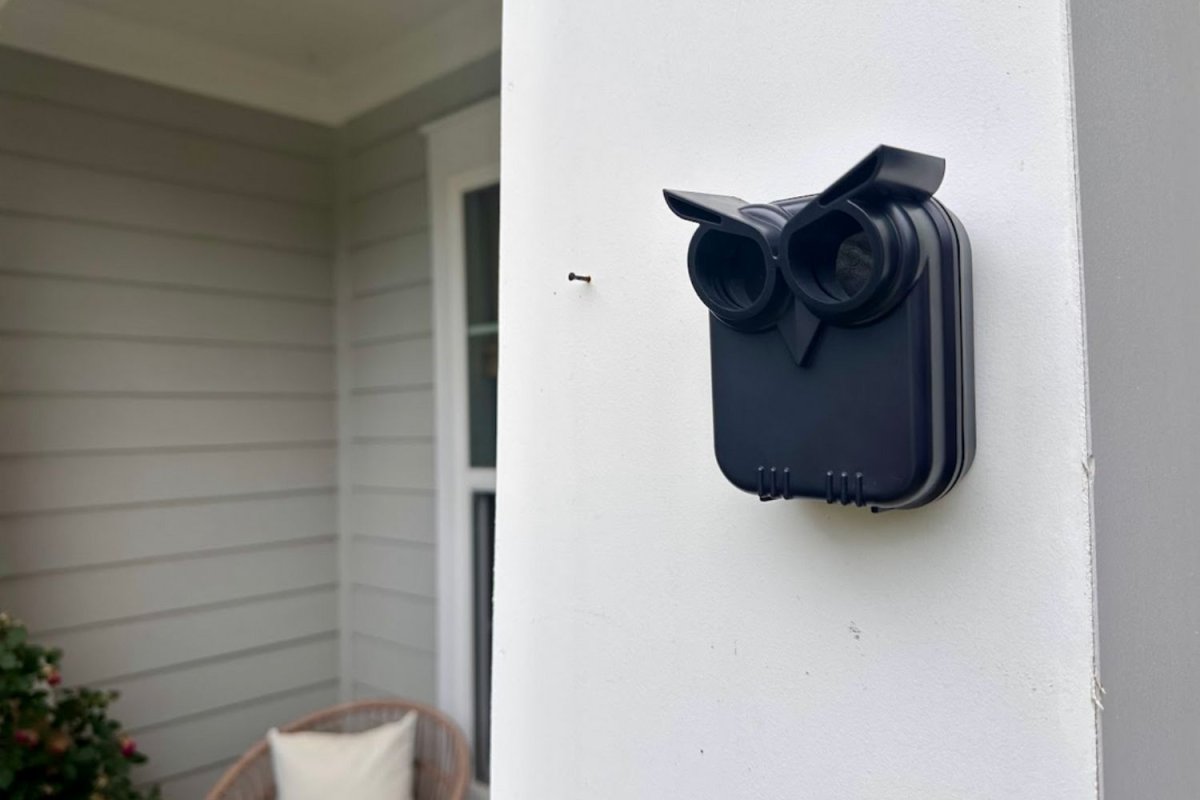
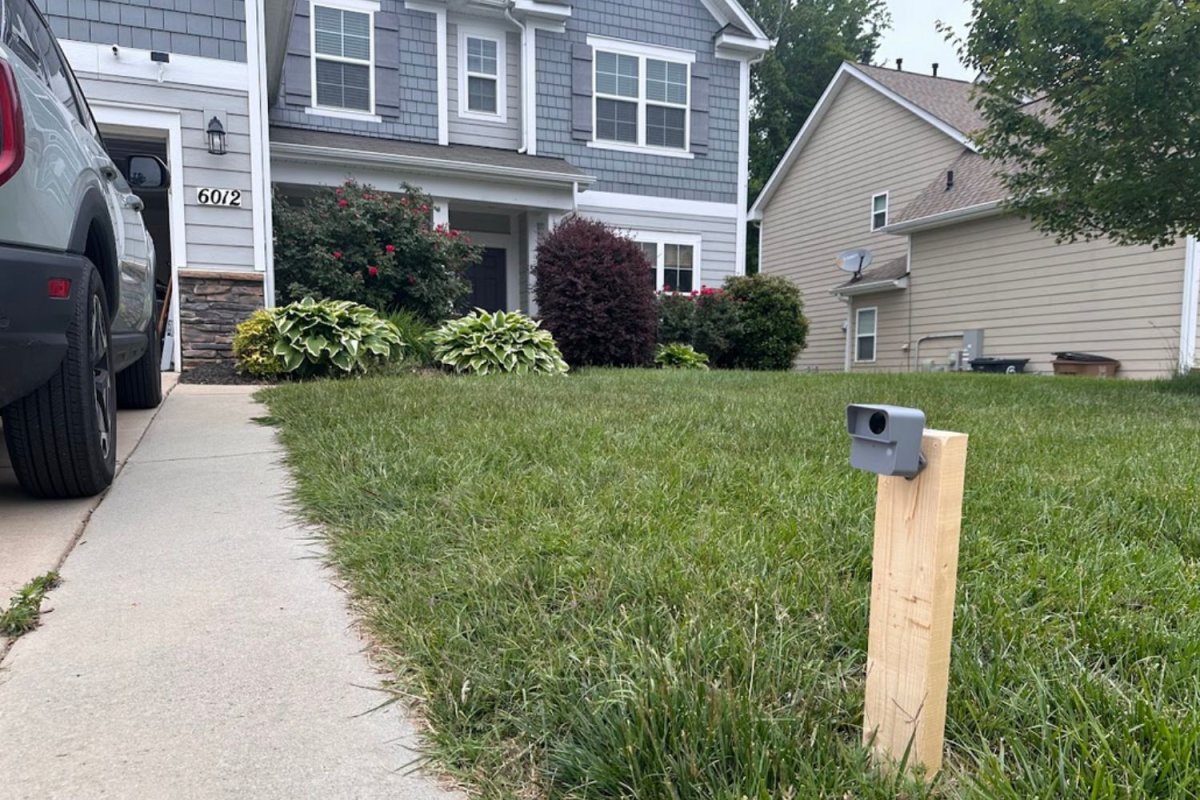
- Height Matters: Mount sensors at the manufacturer’s recommended height to ensure they catch vehicle chassis but miss small backyard wildlife.
- Strategic Positioning: Avoid pointing sensors directly at high-traffic public roads to prevent constant alerts from passing cars.
- Environmental Awareness: Ensure the sensor’s "line of sight" is clear of moving branches or tall grass, which can sway in the wind and trigger a PIR sensor.
Final Verdict: Why You Need an Alarm
Investing in a driveway alarm is a high-yield, low-cost security decision. At an average price point well under $100, these systems provide a level of awareness that is invaluable. Whether you are living in a quiet cul-de-sac or on a remote acreage, knowing who is entering your property is the first step toward true security. By choosing a model that fits your specific environmental needs and property size, you are not just buying a sensor—you are buying peace of mind.
