

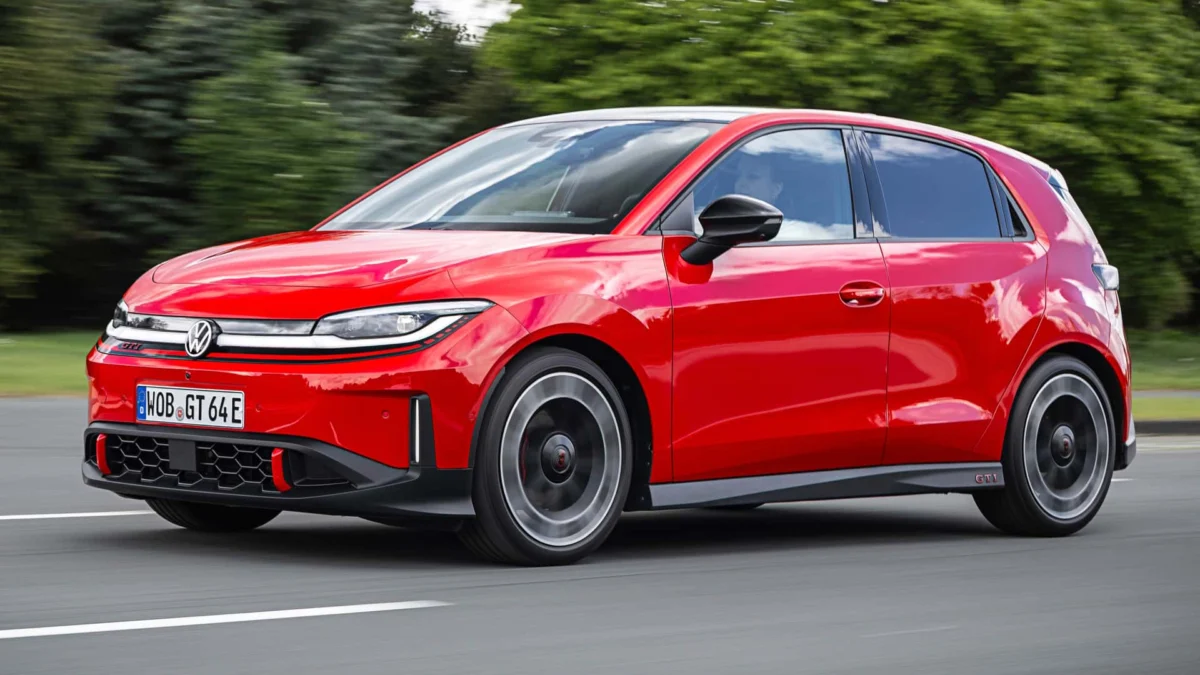
For years, the automotive industry operated under the assumption that electric vehicle (EV) adoption would be driven primarily by early adopters, environmental policy, and the allure of high-performance tech. However, as the industry matures, a new reality has set in: mass-market consumers shop with their wallets, not their hearts.
Volkswagen Group, the European automotive titan, has recognized this fundamental shift. By pivoting toward an aggressive, cost-conscious strategy centered on its “Electric Urban Car” family, the automaker is proving that when EVs reach price parity with their internal combustion engine (ICE) counterparts, consumer demand follows suit. With nearly 150,000 orders already secured for its newest entry-level lineup, Volkswagen is signaling a definitive transition in its global electrification strategy.
The Strategy: Power in Platform Sharing
At the core of Volkswagen’s recent success is the MEB+ platform. While the original MEB architecture helped VW establish a foothold in the EV market, the "+" iteration is designed for the rigorous demands of the entry-level segment—vehicles priced between 25,000 and 30,000 euros.
The genius of this strategy lies in component standardization. Volkswagen has engineered its new lineup—which includes the Cupra Raval, the Volkswagen ID. Polo, the Škoda Epiq, and the Volkswagen ID. Cross—to share approximately 80% of their core components. By utilizing the same drivetrains, battery modules, and chassis architecture across multiple brands and models, the group is achieving unprecedented economies of scale. This cross-brand synergy allows the company to penetrate various market segments and demographics without the crushing development costs that previously hindered affordable EV production.
Chronology: A Turbulent Path to Current Success
The road to this milestone has been anything but linear.
- Early 2024: Volkswagen faces mounting pressure as legacy EV sales growth slows globally, exacerbated by cooling demand in China and the U.S.
- Mid-2024: The company announces a strategic restructuring, prioritizing the development of the "Electric Urban Car" family to address the price-sensitive market.
- Q3 2026: A pivotal reporting period. Despite a 14.3% drop in overall sales, the company reports a 20% year-over-year increase in European EV deliveries, totaling 209,100 units.
- Late 2026: The official launch of the order books for the MEB+ family sees an immediate surge, with 150,000 units reserved in the initial window, validating the "affordability first" thesis.
Supporting Data: Where the Market is Moving
The data from the first nine months of 2026 provides a clear picture of what consumers are actually buying. Volkswagen Group delivered over six million vehicles worldwide, with battery-electric vehicles (BEVs) accounting for 678,700 of those sales.
A breakdown of these figures reveals a stark trend: the era of the expensive, high-margin EV being the company’s primary driver is fading. The best-selling EV in the group’s portfolio is the Škoda Elroq (92,200 units), followed by the ID.4/ID.5 (81,900 units) and the Škoda Enyaq (72,700 units).
Premium models are noticeably absent from the top of the list. Only the Audi Q6 e-tron managed to crack the top five, with 50,400 sales. The lack of premium dominance in the top 10 rankings highlights a significant market correction: as economic headwinds increase, consumers are gravitating toward functional, reliable, and reasonably priced electric mobility.
Official Responses and Market Analysis
Martin Sander, a member of Volkswagen’s Committee of Sales, has been vocal about the necessity of this pivot. "In our home market, we are seeing a significantly accelerated trend towards all-electric vehicles," Sander noted. "The main reasons for this are the currently high fuel prices and the wider range of entry-level models. This includes our Electric Urban Car Family, for which we received nearly 150,000 orders shortly after its launch."
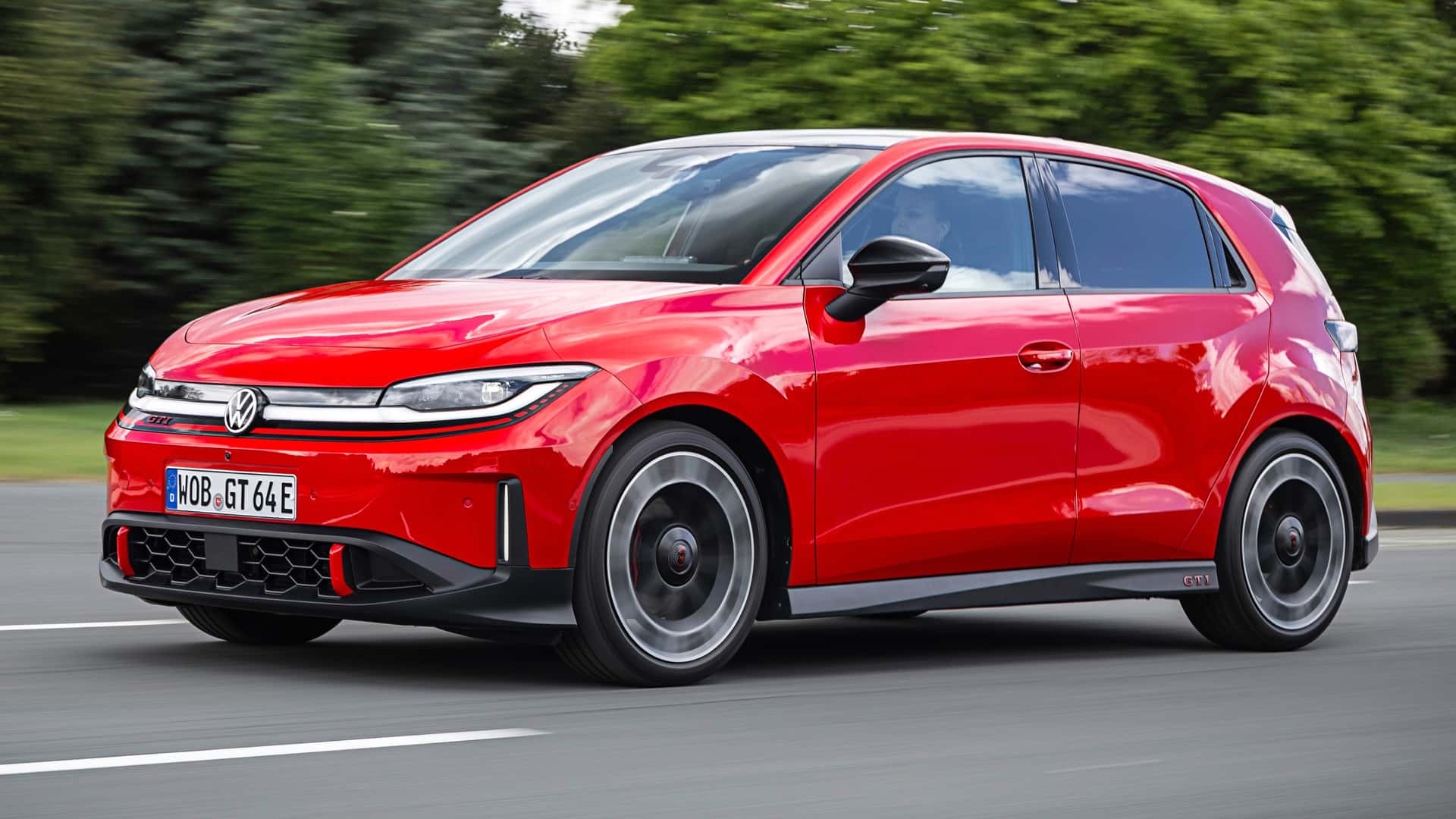
However, Sander also acknowledged the regional disparities that continue to plague the company. While European sales remain resilient, the situation in Asia and North America tells a different story. In China, where the market is saturated with domestic EV manufacturers offering aggressive pricing and sophisticated software, VW’s BEV sales plummeted by 30.1% in Q3. The decline in the U.S. was even more severe, with an 86.4% drop to just 5,100 units.
Implications: The Global Disconnect
The disparity in performance between Europe and the rest of the world highlights the "model gap" that Volkswagen must close to remain a global leader.
The China Challenge
In China, the shift toward Plug-in Hybrid Electric Vehicles (PHEVs) and Extended Range Electric Vehicles (EREVs) has caught many legacy manufacturers off guard. While Volkswagen’s European strategy focuses on pure battery electrics, the Chinese market is currently showing a strong preference for hybrid powertrains that alleviate "range anxiety." VW’s current struggle there stems from an inability to compete with local players who have localized their software and pricing models more effectively.
The U.S. Vacuum
The American market presents a unique set of challenges. With the ID.4 being phased out and the ID. Buzz suffering from production and timing delays, Volkswagen has effectively left a vacuum in its own U.S. lineup. The planned introduction of the ID. Tiguan is intended to be the brand’s redemption arc in North America. By replacing a polarizing model with a more traditional, consumer-friendly SUV, VW hopes to recapture the market share it lost to domestic and Asian competitors.
The Path Forward: Can VW Maintain Momentum?
The success of the "Electric Urban Car" family is a testament to the fact that EVs no longer need to be luxury tech products to be successful. They simply need to be cars. By stripping away the bloat and focusing on the 80% of shared components that matter—efficiency, range, and cost—Volkswagen has created a roadmap for sustainability in a high-interest-rate, inflation-sensitive economy.
However, the company’s long-term viability will depend on two factors: the speed at which it can scale the production of the MEB+ family to satisfy those 150,000 orders, and its ability to adapt its product strategy for the U.S. and Chinese markets.
If Volkswagen can successfully export its European "affordability" model to the rest of the world, it will likely secure its position as a dominant force in the post-combustion era. If it remains tethered to regional models that fail to resonate with local needs, it risks becoming a fragmented player in a rapidly consolidating global industry.
For now, the orders are flowing in. The consumers have spoken, and they are waiting for an electric car that they can actually afford to drive. Volkswagen has finally answered the call; now, it must deliver.
