

In a move that marks a significant pivot in his post-retirement journey, Pete Adeney—widely known to millions as the financial independence pioneer "Mr. Money Mustache"—is packing up his Colorado life for a four-month stint in the desert. On December 1, 2023, Adeney will trade the snowy peaks of Colorado for the burgeoning urban experiment known as Culdesac Tempe, an ambitious, car-free neighborhood in Arizona.
For a man who built a global platform on the pillars of frugality, intentionality, and early retirement, this move is not merely a seasonal escape from the cold. It is a calculated social experiment, a test of his own philosophy, and a high-profile endorsement of a new way to build the American city.
The Evolution of Freedom: From Parenting to Personal Reinvention
When Adeney first achieved financial independence in 2005, his primary motivation was the pursuit of freedom. Specifically, he sought the autonomy to be a present father—a luxury he feared would be stripped away by the rigid demands of a traditional tech career. Eighteen years later, he views that decision as the most successful investment of his life.
However, as the "child-raising phase" of his life draws to a close, Adeney finds himself at a crossroads. With his son having graduated from high school, the constraints that kept him anchored to his Colorado home have loosened. This transition has prompted a shift in his definition of "Freedom Chips"—the internal currency he uses to justify life changes. He is now choosing to cash those chips in for a deliberate disruption of his own comfort.
"The thing that drew me to early retirement is freedom, and that’s still the best part of it," Adeney notes. By moving to a walkable, bikeable community, he intends to force himself out of the "easy comforts" of his established routines.
A Chronology of the Move: Preparing for the Arizona Transition
The logistical planning for this move reflects the same methodical approach that defined Adeney’s rise to financial independence.
- The Planning Phase: Throughout the autumn of 2023, Adeney finalized arrangements for a four-month lease on a two-bedroom apartment within the Culdesac Tempe development.
- The Transition: On December 1, Adeney, accompanied by his son, will embark on a cross-mountain road trip. His son will alternate time between his parents in Arizona and Colorado, ensuring stability while allowing Adeney to fully immerse himself in the new environment.
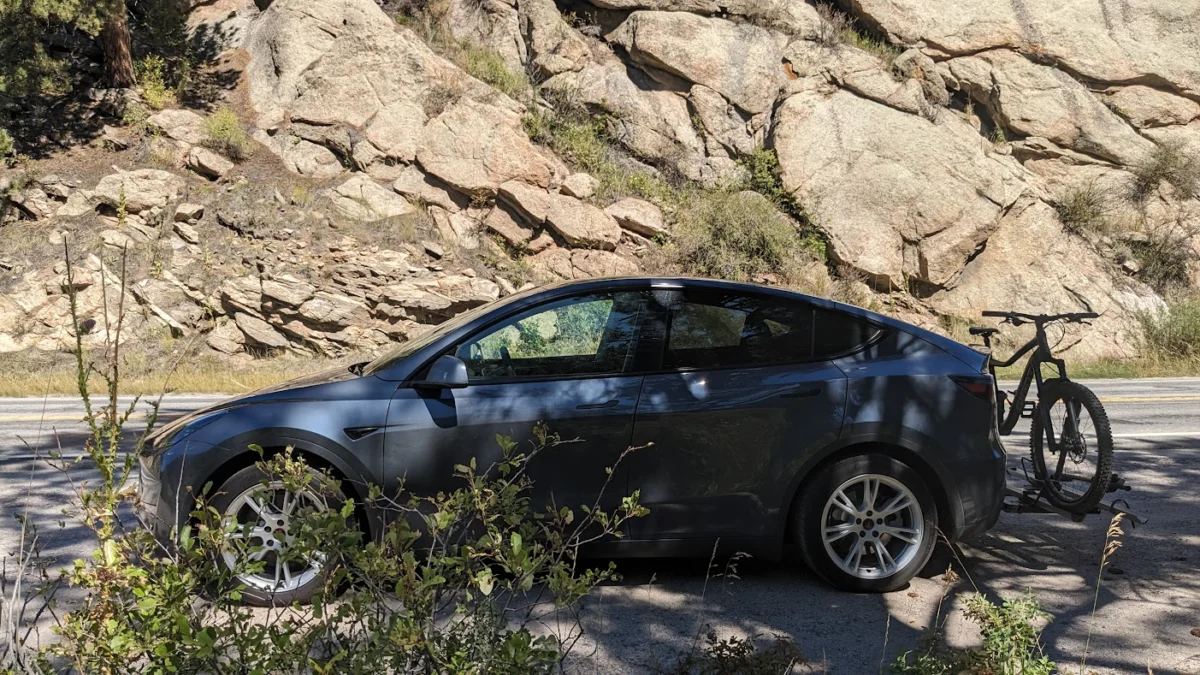
- The Operational Shift: While Adeney is bringing his electric vehicle, he intends for it to remain parked off-site. The goal is to fully commit to the car-free ethos of the development, utilizing local light rail, bike-sharing programs, and pedestrian infrastructure for his daily needs.
- The Colorado Home: Adeney is not abandoning his primary residence. He has arranged for the property to be partially rented out to a trusted acquaintance, applying his long-standing principle of "making money while taking vacations."
The Culdesac Experiment: A New Blueprint for Urban Living
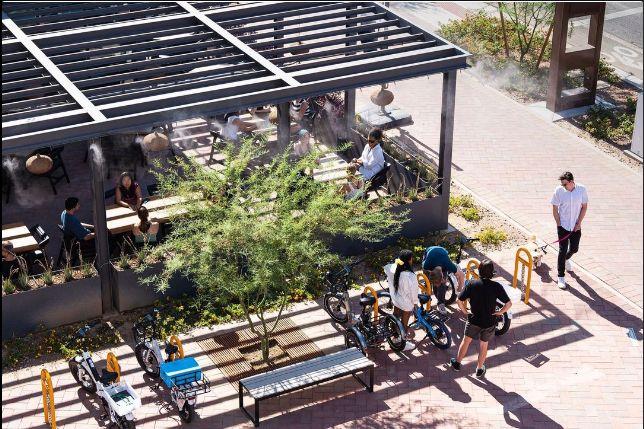
Culdesac Tempe is more than just a destination; it is an infrastructure-level challenge to the traditional American suburban model. The community is built entirely without parking lots, relying instead on high-density living, abundant bike infrastructure, and proximity to light rail.
For Adeney, supporting this project is a "first-layer selfish goal" that serves a greater public interest. He believes that if Culdesac proves to be a commercial and social success, it will serve as a proof-of-concept that other developers can replicate nationwide.
Supporting Data and Infrastructure
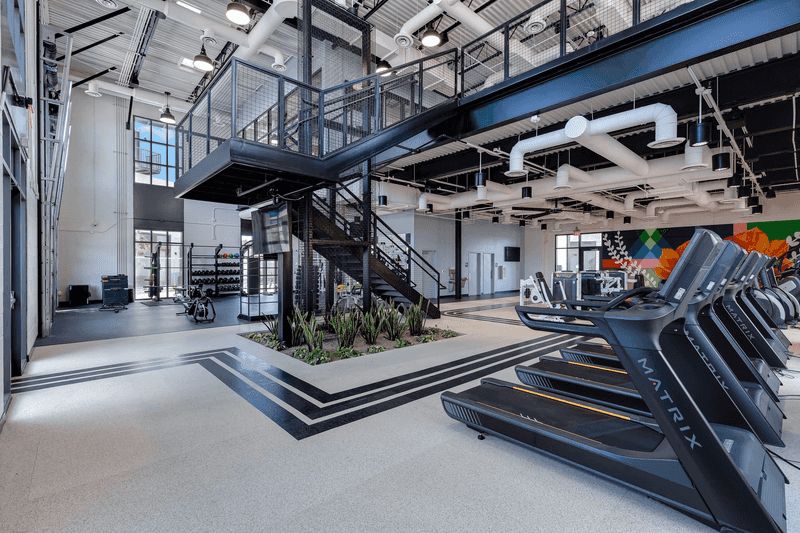
The design of Culdesac replaces traditional asphalt parking lots with community hubs, restaurant patios, and fitness centers. The development is designed to integrate work, play, and residence into a single, seamless environment. By situating himself here, Adeney is collecting firsthand data on the viability of car-free living for the modern American, hoping to demonstrate that "walkability" is a feature that can be engineered into new construction, rather than just found in historic city centers.
The Philosophy of "Strategic Hardship"
A core theme of Adeney’s current thinking is the concept of "strategic hardship." He cites Dr. Anna Lembke’s Dopamine Nation as a primary influence. The central premise is that human happiness is relative; our brains establish a baseline for satisfaction based on the most difficult tasks we undertake.
In a prosperous society, it is easy to fall into the trap of convenience: streaming services, processed comfort foods, and luxury purchases. Adeney argues that by removing these comforts and replacing them with intentional challenges—such as moving to a new city, adapting to a new social circle, or shifting to a more active, car-free lifestyle—individuals can recalibrate their dopamine baselines.
"If you eliminate all hardship," Adeney writes, "suddenly even the pleasures of life seem bland, and you live a spoiled and unmotivated life."
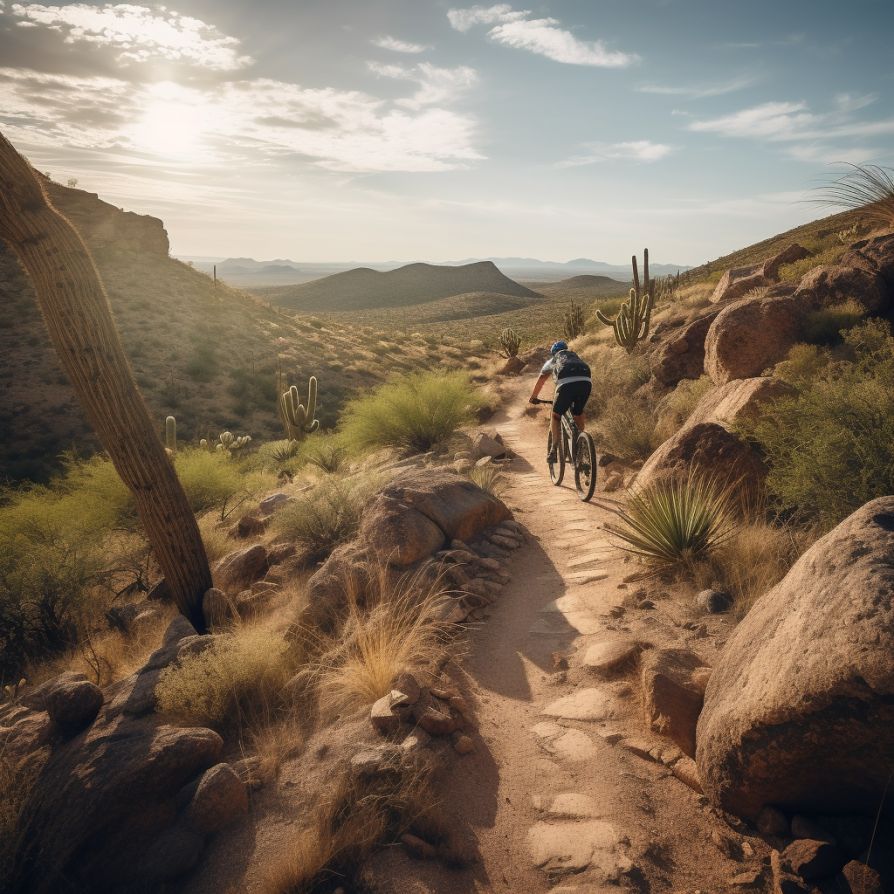
By moving to Arizona, he is intentionally setting his "life treadmill" to a steeper incline. He views the disruption of his comfort as a necessary exercise to keep life feeling "full of meaning and joy."
Implications: What This Means for the FIRE Movement
Adeney’s move carries significant implications for the Financial Independence, Retire Early (FIRE) movement. For years, the community has focused on the "how-to" of accumulating assets. Increasingly, however, the conversation is shifting toward the "now what?" of early retirement.
1. The Death of the "Static" Retirement
Adeney is challenging the notion that retirement should be a permanent state of rest in one location. He suggests that true freedom includes the agility to move, to experiment, and to reinvent one’s lifestyle as life stages change.
2. Urbanism as a Financial Strategy
By championing car-free living, Adeney is aligning financial independence with sustainable urban planning. The costs associated with car ownership—depreciation, fuel, insurance, and maintenance—are massive inhibitors to wealth building. By moving to a car-free community, he is demonstrating a lifestyle that is both environmentally conscious and fiscally resilient.
3. The Value of Social Capital
Adeney’s move is not an exercise in isolation. He is actively seeking to meet "smart new people" and expand his social circle. This highlights a growing trend in the FIRE community: the realization that while financial capital is necessary, social and intellectual capital are the engines of a meaningful retirement.
A Call to Action for the Reader
Adeney’s message is clear: the comfort of the modern American life is a silent killer of ambition. Whether it is moving to a new city, changing careers, or simply starting a new physical fitness regimen, he encourages his audience to find one "little experiment" to run in the background of their lives.
"Create some purposeful change," he urges, acknowledging that while change is inherently difficult, "hard things are good."
As he settles into his four-month stint in Tempe, Adeney will be documenting his progress on a dedicated tracker page on his website. Whether this experiment leads to a permanent shift in his lifestyle or remains a seasonal interlude, the impact on his readers is likely to be significant. He is not just telling his audience to build a life they don’t need to escape from—he is demonstrating how to actively construct that life, one "Freedom Chip" at a time.
For those interested in following the experiment or potentially visiting the site themselves, the infrastructure is already in place. Culdesac offers short-term rentals that allow prospective residents to test the waters of a car-free life, mirroring the very experiment Adeney is currently undertaking.
As of December 2023, the "Mustachian" experiment moves into its next chapter: the desert, the bike, and the promise of a life designed with intention rather than habit.
