

The Financial Independence, Retire Early (FIRE) movement—a philosophy predicated on aggressive saving, mindful consumption, and early retirement—has faced a barrage of scrutiny in the post-pandemic era. For years, the movement was championed by voices like Mr. Money Mustache (MMM), who advocated for a lifestyle of extreme frugality and strategic investment. However, as housing markets reach record highs and inflationary pressures mount, a new generation of aspiring savers is questioning the relevance of this decade-old playbook.
The central conflict is clear: Can the principles of the FIRE movement survive in a world defined by soaring mortgage interest rates, high-cost metropolitan living, and the perception that the "easy money" of the 2010s has evaporated?
The Modern Critique: Is the FIRE Playbook Obsolete?
The recent discourse was ignited by a reader comment that resonated with many in the FIRE community. The reader argued that the current generation of aspiring savers is facing structural hurdles that their predecessors did not. Specifically, the criticism points to the "tech-worker bias"—the idea that most prominent FIRE figures built their wealth on six-figure salaries during the low-interest-rate environment of the 2010s, often acquiring real estate before the 2019 price surge.

The commenter highlighted a critical friction point: "House hacking"—the practice of renting out parts of a primary residence to subsidize the mortgage—has become increasingly difficult. With many local zoning laws prohibiting accessory dwelling units (ADUs) and housing costs having effectively decoupled from average income growth, the traditional "fixer-upper" path to wealth appears to many as a relic of a bygone era.
Chronology of a Financial Philosophy
To understand the current tension, one must look at the evolution of the FIRE movement:
- 2010–2015: The Formative Years. During this period, the movement focused heavily on the "Mustachian" principles of extreme waste reduction. By optimizing transportation (biking over driving) and cutting consumer debt, participants could reach financial independence in under a decade.
- 2016–2019: The Mainstream Pivot. As the movement gained media traction, the focus shifted toward high-earning professionals. The "side-hustle" culture emerged, and real estate investment became the primary vehicle for accelerated wealth.
- 2020–2022: The Pandemic Disruption. The global pandemic shifted labor markets. Remote work led to a "geographic arbitrage" boom, where high earners flooded smaller, lower-cost cities, inadvertently driving up home prices in formerly affordable regions.
- 2023–2024: The Reckoning. High inflation and interest rates have halted the easy path to property ownership. This has led to a fundamental divide: those who argue the strategy is dead, and those who argue that the principles are more relevant than ever.
Supporting Data: Housing and the Inflationary Reality
The skepticism regarding housing is not entirely unfounded. Data from the St. Louis Federal Reserve (FRED) indicates that inflation-adjusted housing prices are significantly higher today than in 2019. While the national average shows a 25% increase in "affordability strain" relative to income, this figure masks regional volatility.
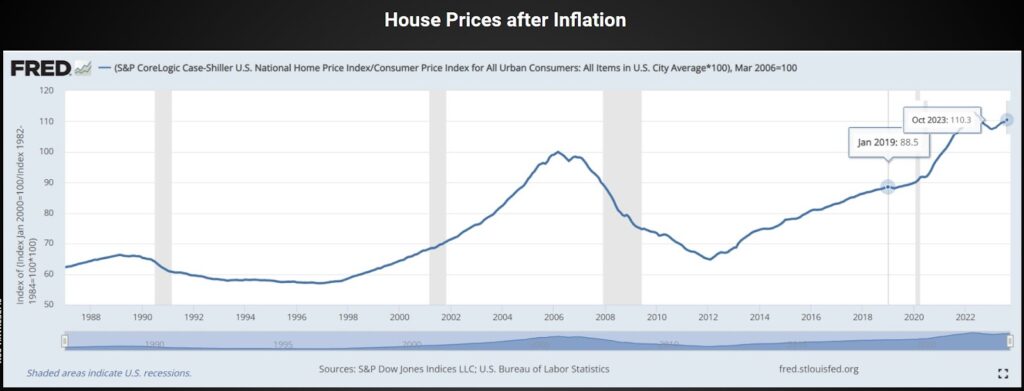
In markets like Longmont, Colorado, or major tech hubs, median home prices have tripled since 2011. When housing accounts for the largest share of a household’s monthly budget, such a spike is mathematically significant. However, the data also reveals an opportunity: the "geographic mismatch."
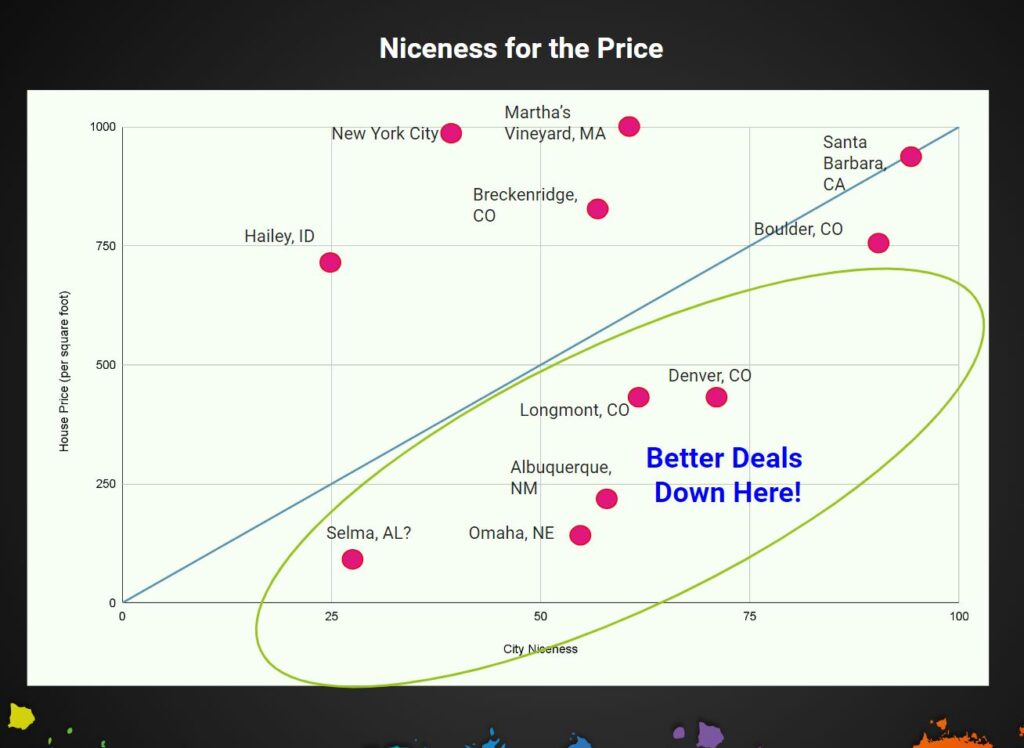
The FRED dataset shows a wide disparity in the cost per square foot across the United States. While the public focus is often on the most expensive "glamour" cities, there remains a vast, often overlooked landscape of mid-sized cities—such as Chattanooga, Tennessee, or various metros in the Midwest—where housing remains relatively affordable. The implication is that the FIRE strategy is not failing; rather, the location-agnostic component of the strategy is being tested.
Rethinking the "Home" as a Financial Product
Proponents of the FIRE movement argue that the current housing crisis requires a shift in mindset. They suggest that potential homeowners often fall into the trap of "cultural anchoring"—the belief that one must live in the city where they were raised or where they currently work, regardless of the financial cost.
Strategic Location Arbitrage
The core argument for the modern FIRE adherent is "geographic arbitrage." By analyzing data on cost-per-square-foot and quality of life, individuals can identify cities that offer the same—or better—amenities at a fraction of the cost. Tools like The Earth Awaits have become essential for this demographic. These platforms allow users to filter locations by climate, budget, and family size, effectively democratizing the ability to relocate to lower-cost environments.
The Rental vs. Ownership Debate
One of the most persistent, yet often flawed, assumptions is that homeownership is the only path to wealth. Current financial analysis suggests that in many high-interest-rate environments, renting can actually be more fiscally responsible. By investing the "difference" (the amount saved by not paying for property taxes, maintenance, and high interest), individuals can often outperform the long-term gains of a primary residence.
Official Responses and Expert Perspectives
Economists and financial planners offer a balanced view on this trend. While many acknowledge that the barriers to entry for first-time homebuyers have reached their highest point in decades, they emphasize that financial literacy is the ultimate equalizer.
Financial experts note that "Excuse-itis"—the tendency to blame macro-economic conditions for personal financial stagnation—is the primary obstacle to success. While the government and local townships often make housing development difficult, they argue that the individual has more agency than they realize. Whether it is moving to a more affordable metro area, changing career paths to increase income, or ruthlessly eliminating lifestyle inflation, the "Mustachian" focus on waste reduction remains a mathematical necessity.
"Even the highest earners struggle if they spend at the same rate they earn," notes one financial analyst. The math remains immutable: if you earn a six-figure salary but have no savings after three decades, the problem is not the housing market—it is the lack of a conscious spending plan.
Implications for the Future of FIRE
The evolution of the FIRE movement suggests several key implications for the next decade:
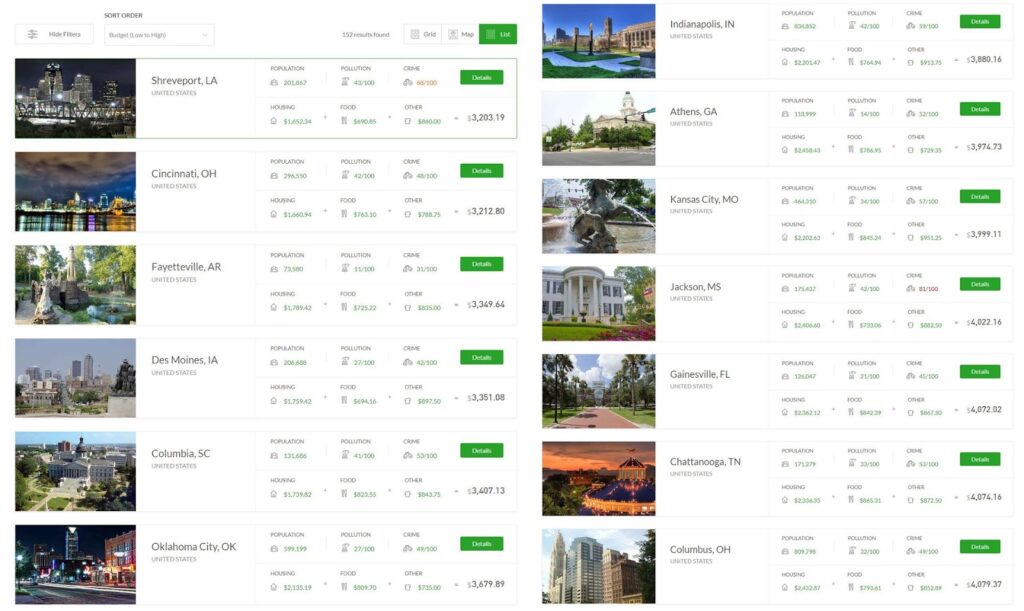
- Increased Geographic Mobility: The era of staying in one’s hometown to achieve financial independence is likely ending. Future FIRE success will be tied to an individual’s willingness to relocate.
- Technological Integration: The use of data tools—like those provided by the St. Louis Fed and specialized lifestyle calculators—will become standard practice for anyone serious about retirement.
- Redefining "Success": The goal of FIRE is shifting away from "owning a home at any cost" toward "designing a life of maximum flexibility." For some, this means smaller homes, more intentional travel, or nomadic living.
- Policy Advocacy: As more young people find themselves priced out of their own communities, it is likely that the FIRE community will begin to advocate more strongly for zoning reform and the legalization of diverse housing types (like ADUs and duplexes).
Conclusion: The Choice Remains
Ultimately, the critique that the FIRE movement is "out of touch" misses the core message of the philosophy: financial independence is not a product to be bought, but a series of choices to be made. While the macro-economic environment of 2024 is objectively more challenging than in 2010, the fundamental levers of control—income optimization, spending efficiency, and geographic flexibility—remain within the individual’s grasp.
The next generation of FIRE will likely look different. It will be less focused on the "fixer-upper" house in a trendy suburb and more focused on the strategic deployment of capital across a globalized, data-informed landscape. For those willing to challenge their assumptions about where and how to live, the dream of early retirement is not dead—it has simply moved to a different zip code.
