

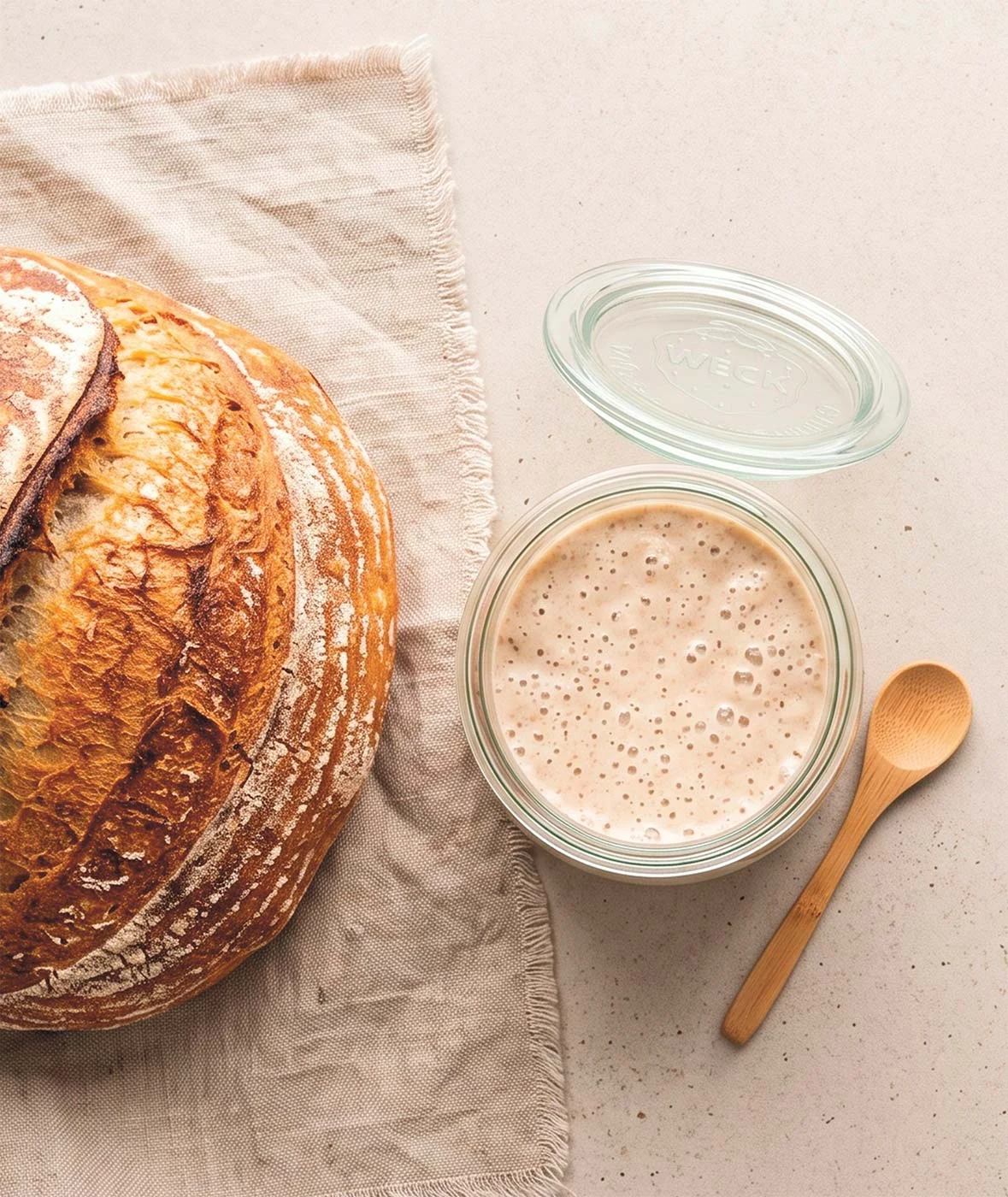
In the contemporary landscape of nutrition, bread has frequently been maligned, relegated to the category of "empty carbohydrates" or dietary obstacles. From the rise of low-carb trends to the ubiquity of gluten-free labeling, the traditional loaf has struggled to maintain its reputation. However, a quiet revolution is taking place in kitchens and artisanal bakeries across the country. Sourdough, an ancient staple, is emerging not merely as a culinary trend but as a scientifically backed functional food. By harnessing the power of natural fermentation, sourdough is challenging the narrative that bread is inherently unhealthy, offering a window into how ancient techniques can address modern digestive concerns.
The Science of Fermentation: A Microbiome Ally
At the heart of the sourdough resurgence is the biological process of fermentation. Unlike conventional breads, which rely on commercial, single-strain yeast to achieve a rapid rise, sourdough is born from a symbiotic culture of wild yeast and lactic acid bacteria (LAB).
"Fermented foods have been around for thousands of years, and fermentation has been used as a primary method for preserving meat, fish, fruit, and vegetables," explains Judy Dunlop, a Registered Dietitian and clinical nutrition manager at Capital Health in Trenton. Dunlop emphasizes that this natural preservation process does far more than extend shelf life; it fundamentally alters the nutritional composition of the food.
The human microbiome—the vast, complex ecosystem of trillions of organisms residing in our gut—is a focal point of modern health research. Dunlop notes that incorporating fermented foods into a daily diet provides the gut with a diverse array of beneficial bacteria. "There are trillions of organisms in our digestive tract, and enhancing the diversity of that microbiome is essential for overall health, immunity, and even metabolic function," she says.
By consuming sourdough, individuals are not just eating bread; they are consuming the byproducts of a living process. These byproducts include anti-inflammatory compounds and enzymes that modulate immune signals, effectively turning a slice of toast into a delivery system for gut-supporting agents.
Chronology: From Ancient Egypt to the Modern Countertop
The history of sourdough is as old as civilization itself. Archeological evidence suggests that sourdough-like leavening practices date back to ancient Egypt around 1500 BCE. Before the commercialization of standardized yeast in the 19th century, nearly all bread was "sourdough."
For millennia, the practice of keeping a "starter"—a slurry of flour and water that captures wild yeasts from the surrounding environment—was a domestic necessity. A starter requires patience; it must be left at room temperature, fed regularly, and allowed to cultivate its own unique biological signature. This process typically takes five days of incubation, depending on the ambient temperature and local air quality, before it is robust enough to leaven a loaf.
The 20th century saw a decline in this practice as the "Green Revolution" and industrial baking prioritized speed and consistency over nutritional bioavailability. However, the COVID-19 pandemic triggered an unexpected global renaissance. As supply chains faltered and yeast became scarce on supermarket shelves, millions turned to the age-old practice of nurturing a starter. This was not merely a survival tactic; it became a meditative hobby. The act of "feeding" a starter and waiting for the slow rise of the dough provided a sense of control and connection to food production that mass-produced, factory-made loaves could not replicate.

The Biochemical Advantage: Why Sourdough Is Different
To understand why sourdough is often tolerated by those who struggle with conventional bread, one must look at the biochemistry of the fermentation process.
The Breakdown of Gluten
Commercial bread production prioritizes speed, often bypassing the long fermentation times necessary to break down complex grain structures. In contrast, the lactic acid bacteria in a sourdough starter actively consume the carbohydrates in the flour. During this process, they produce beneficial acids and enzymes.
"Lactobacillus, the primary bacteria found in sourdough, helps break down proteins—specifically gluten—as well as complex carbohydrates," Dunlop explains. This partial "pre-digestion" by the bacteria means the human digestive system has less work to do. For many, this makes the resulting bread significantly easier to process.
The Phytic Acid Problem
One of the most compelling arguments for sourdough is its ability to unlock minerals. Grains contain phytic acid, a natural compound that binds to essential minerals like calcium, magnesium, zinc, and iron, preventing the body from absorbing them efficiently.
During the long fermentation of a sourdough loaf, an enzyme called phytase is naturally generated. "Phytase effectively breaks down phytic acid," says Dunlop. "Once this compound is neutralized, the minerals present in the grain become bioavailable, meaning our bodies can actually absorb and utilize them." This shifts the nutritional profile of the bread from a simple starch to a more nutrient-dense food source.
The Terroir of Bread: Insights from the Field
Mary Parr, the proprietor of Sourland Bread in Ringoes, provides a firsthand perspective on the transition from commercial bread to artisanal sourdough. After years of avoiding gluten, she discovered that traditional sourdough allowed her to enjoy bread without the digestive distress she experienced in the United States.
"In Europe, I could eat bread and be just fine," Parr recalls. "It made me realize that the issue wasn’t necessarily the wheat itself, but the way we were processing it in the States."
Parr describes her starter as a living entity, shaped by her travels and the specific environment in which she works. "There are dozens of strains of bacteria in our starter," she notes. "Each strain contributes a unique flavor profile. Much like wine or cheese, sourdough has a ‘terroir’—a sense of place."
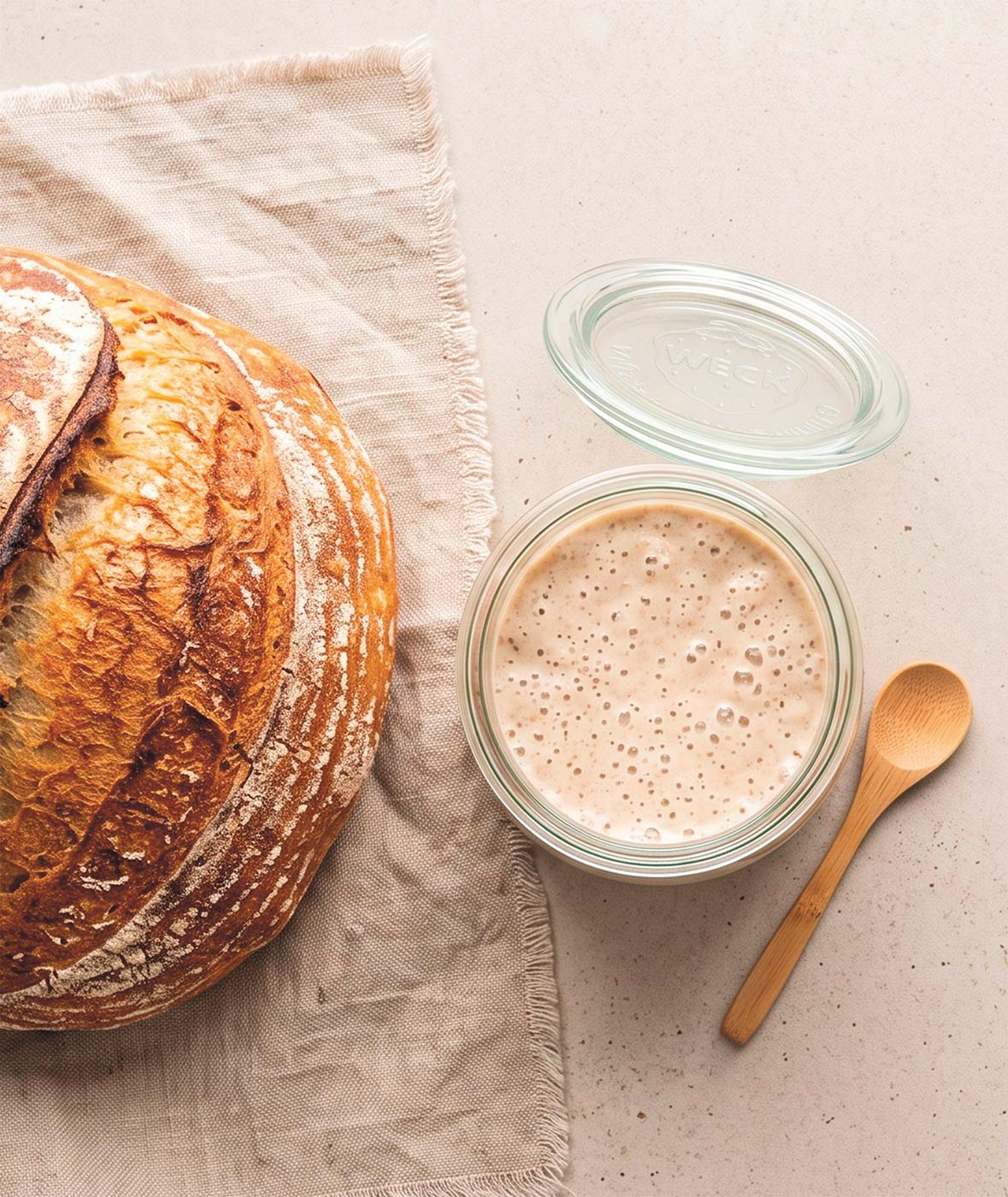
Parr has traveled extensively with her starter, intentionally introducing it to different environments to enrich its microbial complexity. She famously brought her culture to San Francisco, seeking to incorporate Lactobacillus sanfranciscensis, the specific bacteria responsible for the region’s iconic, tangy flavor. This intentionality highlights the difference between a "monoculture" of commercial yeast and the complex, living ecosystem of an artisanal starter.
The Physics of the Loaf: Hydration and Texture
The visual and textural qualities of a high-quality loaf are not accidental; they are a direct result of the baker’s management of fermentation and hydration.
"Texture is entirely dictated by fermentation and the hydration of the loaf," Parr explains. The "holes" (or crumb) that enthusiasts seek in a sourdough loaf are created by high hydration—the ratio of water to flour. While most commercial grocery store breads are roughly 50% water, artisan sourdoughs often reach 80% hydration. This high moisture content not only creates the airy, open crumb structure but also acts as a natural preservative.
"Our bread stays soft for a solid four days without the use of additives," says Parr. "Commercial bread relies on dough conditioners like mono- and diglycerides or bromelain to simulate that freshness and shelf-stability. When you move to traditional sourdough, you’re stripping away the chemicals and relying on the natural acidity and moisture to keep the bread fresh."
Implications: Making an Informed Choice
For the consumer, the lesson is clear: not all bread is created equal. When selecting a loaf, the ingredient list is the most reliable indicator of quality.
"Traditional sourdough bread should contain only four ingredients: water, flour, salt, and the starter," Parr advises. She encourages consumers to look for loaves made with ancient, nutrient-dense grains like spelt, rye, and einkorn. Because the sourdough fermentation process enhances the bioavailability of nutrients, these ancient grains become even more powerful sources of health when prepared in the traditional manner.
However, consumers should remain vigilant. "If you see a long list of additives, preservatives, or added sugars, it is not a true sourdough," Parr cautions. She also warns against the impact of pesticides on grain health, recommending organic options whenever possible. "Consuming grains that have been heavily sprayed with synthetic pesticides can trigger an inflammatory response in the body, which negates many of the benefits of the fermentation process."
Conclusion: A Return to Roots
The rise of sourdough is a testament to a growing desire for transparency and nutritional integrity in our food systems. By bridging the gap between ancient wisdom and modern nutritional science, sourdough offers a way to reclaim bread as a healthy, staple food. Whether one is a home baker looking to nurture a starter or a consumer seeking a more digestible, nutrient-dense loaf, the evidence is clear: the most sophisticated technology for better health may simply be time, bacteria, and a handful of flour. As we move forward, the "sour" in sourdough is increasingly being recognized not as a flavor profile, but as a marker of a vibrant, living, and genuinely nutritious food.
