

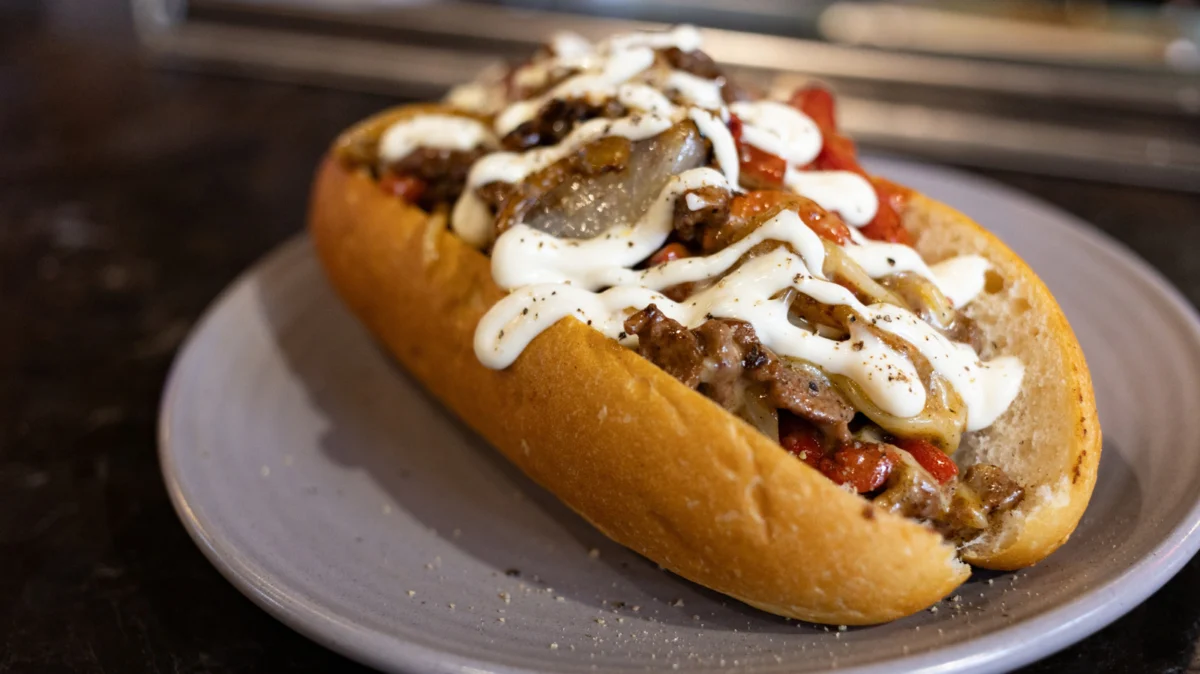
To the uninitiated, a cheesesteak is merely a sandwich: griddled beef, melted cheese, and bread. To a Philadelphian, however, it is a cultural totem, a culinary litmus test, and a point of fierce regional pride. While debates rage endlessly over the merits of Cheez Whiz versus provolone, or whether onions should be translucent or deeply caramelized, there is one non-negotiable pillar upon which the integrity of the sandwich rests: the roll.
If you are attempting to recreate a true-to-form Philadelphia cheesesteak in your own kitchen, the search for the perfect vessel ends at one name: Amoroso’s Baking Company. For over a century, this family-owned institution has defined the structural and flavor profile of the city’s most famous export.
The Anatomy of the Perfect Roll
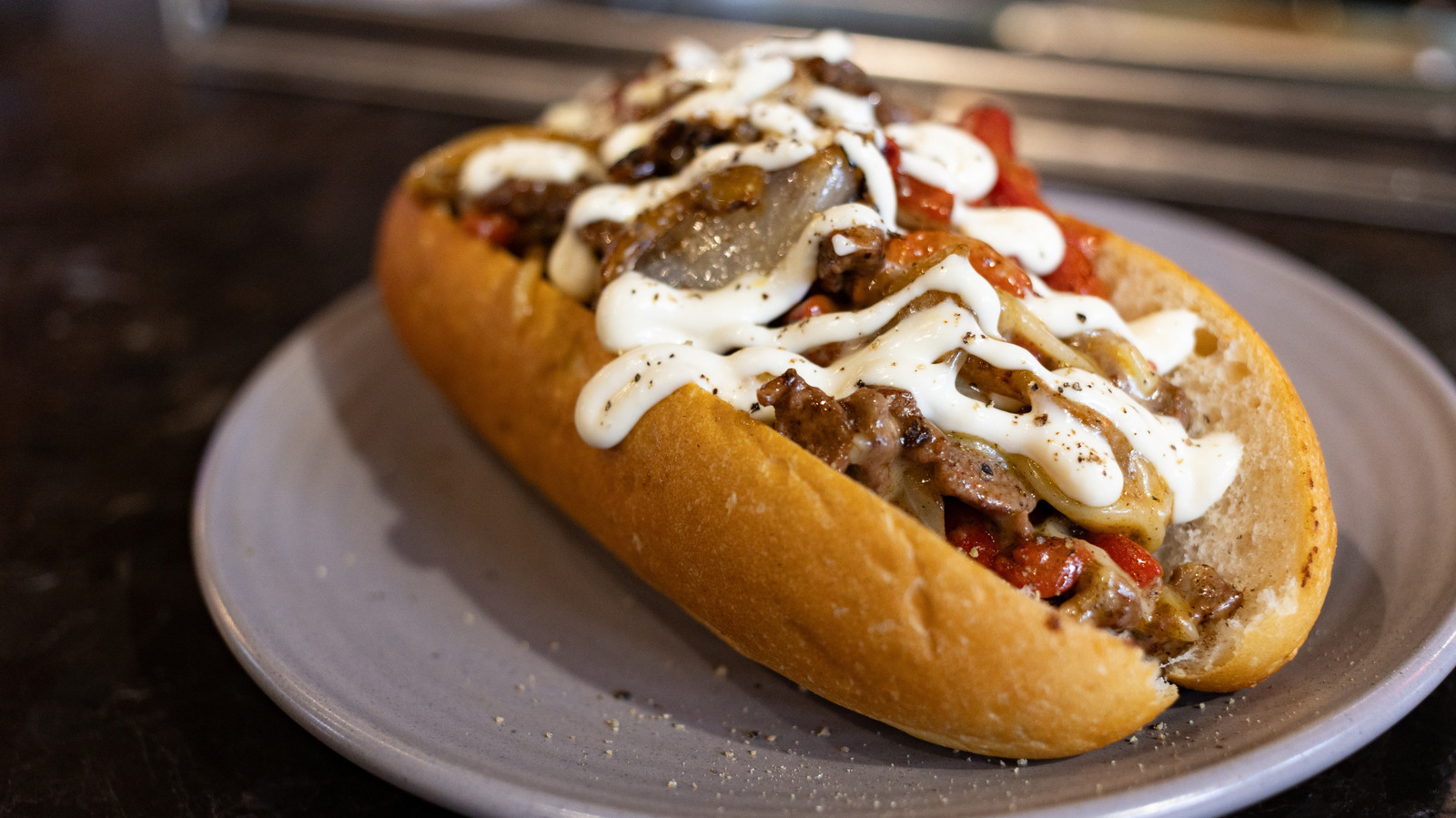
Before diving into the history of the brand, one must understand the functional requirements of a proper cheesesteak roll. The bread is not merely a handle; it is an architectural necessity. A superior cheesesteak roll must possess a "tender yet sturdy" interior—a sponge-like crumb capable of absorbing the savory, rendered fat and juices of the ribeye without disintegrating into a soggy mess. Simultaneously, the crust must offer a delicate resistance, a slight chew that provides the structural integrity needed to hold the weight of the meat and cheese together during the consumption process.
When you bite into a cheesesteak, the bread should compress, not crumble. Amoroso’s has mastered this balance, producing a roll that bridges the gap between a soft Italian hoagie roll and a dense baguette. It is this specific texture that has made them the unofficial "gold standard" for Philly-style sandwich shops across the United States.
A Chronological Journey: From 1904 to the Modern Era
The story of Amoroso’s is a quintessential American immigrant success tale, rooted in the preservation of tradition.
The Founding Years (1904–1930s)
In 1904, Vincenzo Amoroso arrived in the United States with a vision and a recipe. He began by hand-crafting Italian-style bread that prioritized quality ingredients and a slow, deliberate fermentation process. Initially a small neighborhood operation, the bakery quickly gained traction among the local immigrant population who recognized the authentic taste of the Old World. Vincenzo was joined by his sons, Salvatore and Joseph, who helped stabilize the business during its formative years.
The Expansion (1940s–1980s)
The true turning point for the bakery occurred in the 1940s. Under the leadership of Salvatore’s sons, Leonard and Daniel, the company pivoted toward the commercial sector. By securing their first major grocery store account, the brothers triggered a period of explosive growth. This era required a transition from boutique baking to large-scale industrial production without sacrificing the integrity of the original recipe. They built a massive, state-of-the-art facility, transforming the company into a juggernaut capable of supplying the entire Philadelphia metropolitan area and beyond.
The Digital Pivot (2000s–Present)
As the 21st century dawned, the bakery faced the challenge of maintaining "old-school" relevance in a digitized global market. Despite the shift toward online retail and digital marketing, Amoroso’s has remained remarkably steadfast. Their 2026 brand refresh signaled a commitment to evolving their public image while keeping their century-old production techniques largely untouched. Today, they operate almost 24/7, churning out hundreds of millions of rolls annually to satisfy a demand that spans from the East Coast to the West Coast.
Supporting Data and Market Reach
The scale of Amoroso’s operations is staggering. While many local bakeries struggle to expand beyond their zip code, Amoroso’s has successfully bridged the gap between a regional staple and a national commodity.
- Production Volume: The bakery produces hundreds of millions of units annually, a figure that is rarely matched in the artisanal bread space.
- Logistics: Through a sophisticated distribution network, the company has managed to maintain the freshness of its product, ensuring that "Philly-style" rolls are available in major supermarket chains like Aldi, as well as through direct-to-consumer channels like Amazon.
- Supply Chain Integration: The company’s influence is so profound that many restaurant supply stores consider Amoroso’s to be the baseline requirement for any establishment branding itself as a "Philly Cheesesteak" shop.
Implications for the Home Cook
For the home enthusiast, the challenge has always been accessibility. Historically, if you lived outside the Philadelphia orbit, you were forced to settle for generic grocery store buns that lacked the necessary structural integrity. This often led to a disappointing experience—a "cheesesteak" that turned into a pile of meat on a plate within three bites.
The rise of e-commerce has been the great equalizer. By making their products available via online marketplaces, Amoroso’s has empowered home cooks to close the gap between a home-cooked meal and a trip to South Street. However, there is a caveat: when ordering online, buyers are often forced to purchase in bulk. This has created a secondary market of "cheesesteak enthusiasts" who curate their own freezer stashes, ensuring that a professional-grade roll is always on standby for a late-night craving.
The Professional Consensus
The culinary community generally agrees that while the quality of the beef (ideally thinly shaved ribeye) and the choice of cheese (whether it’s Cooper Sharp, white American, or the classic Cheez Whiz) are vital, they are secondary to the bread.
"The bread is the foundation," says one prominent food critic specializing in Mid-Atlantic cuisine. "You can have the most expensive, marbled Wagyu beef, but if you put it on a flimsy, mass-produced hot dog bun, you aren’t eating a Philly cheesesteak. You’re eating a burger-style mess. Amoroso’s provides the resistance, the flavor, and the history that completes the dish."
The Legacy of Tradition
What makes Amoroso’s unique is not just their production capacity, but their refusal to compromise on their heritage. In an industry defined by the "race to the bottom"—where companies cut costs by using preservatives and artificial softening agents—Amoroso’s has maintained a level of quality that feels remarkably consistent with the loaves Vincenzo baked in 1904.
As the company looks toward the future, the implications are clear: the cheesesteak is no longer just a Philadelphia phenomenon. It is a national treasure. By maintaining their traditional processes while utilizing modern distribution, Amoroso’s has ensured that the "Philly experience" is available to anyone with a hot skillet and a passion for the perfect sandwich.
Ultimately, the choice of bread is a testament to the maker’s intent. If you reach for a roll branded by Amoroso’s, you are acknowledging the century of labor, the family lineage, and the strict structural requirements of the perfect cheesesteak. It is the only way to ensure that your sandwich is not just a meal, but an authentic piece of Philadelphia history.
