

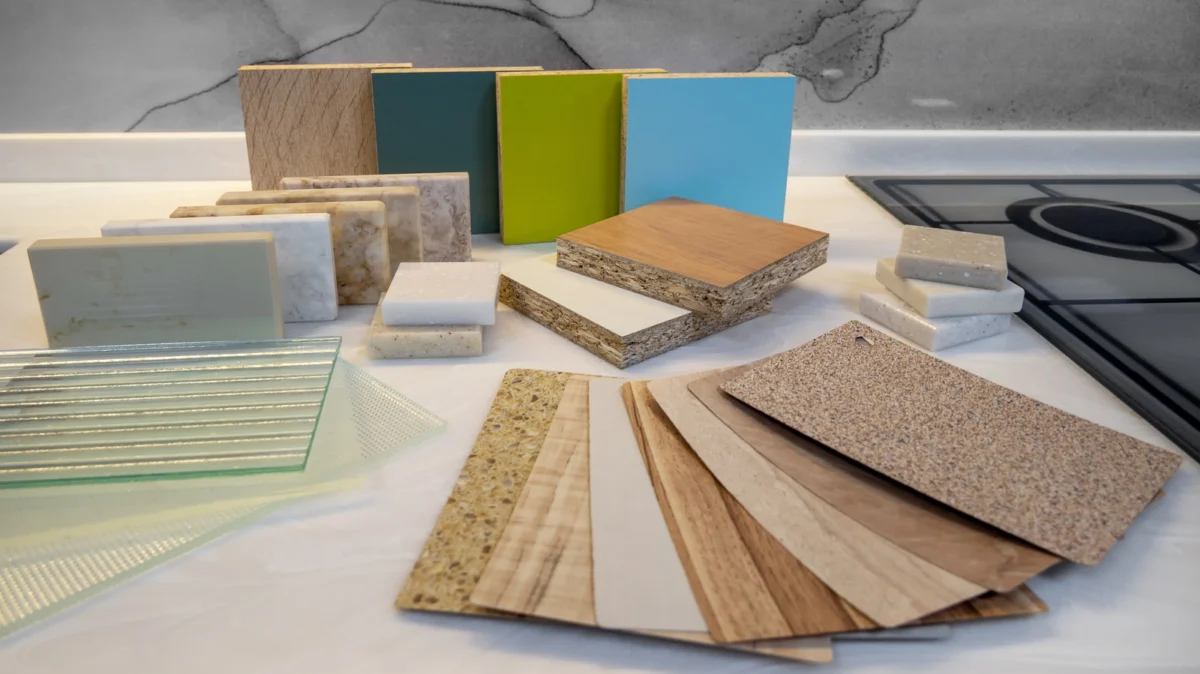
In the world of interior design, few choices are as polarizing as the kitchen countertop. It is the primary stage for culinary creation, a focal point for home aesthetics, and a significant investment in a property’s long-term value. While high-end materials like Calacatta marble, industrial-grade stainless steel, and resilient quartz often dominate the conversation, laminate remains a pervasive fixture in American homes.
Often lauded for its accessibility and wide variety of patterns, laminate presents an enticing entry point for budget-conscious homeowners. However, beneath its polished, resin-coated surface lies a set of inherent limitations that frequently escape the notice of first-time buyers. As design professionals and experts like the Property Brothers have cautioned, opting for a lower-cost surface today can lead to significant headaches—and expenses—down the line. To understand why, we must look beyond the price tag and examine the structural, aesthetic, and functional realities of laminate.
The Evolution of a Kitchen Staple: A Chronological History
To understand the current state of laminate, one must look back to its inception. The Formica brand, which has become almost synonymous with the material itself, was founded in 1913. Initially, the company’s focus was purely industrial; they developed a resin-bonded laminate to serve as electrical insulation, replacing the cumbersome mica mineral previously used for that purpose—hence the name "For-Mica."
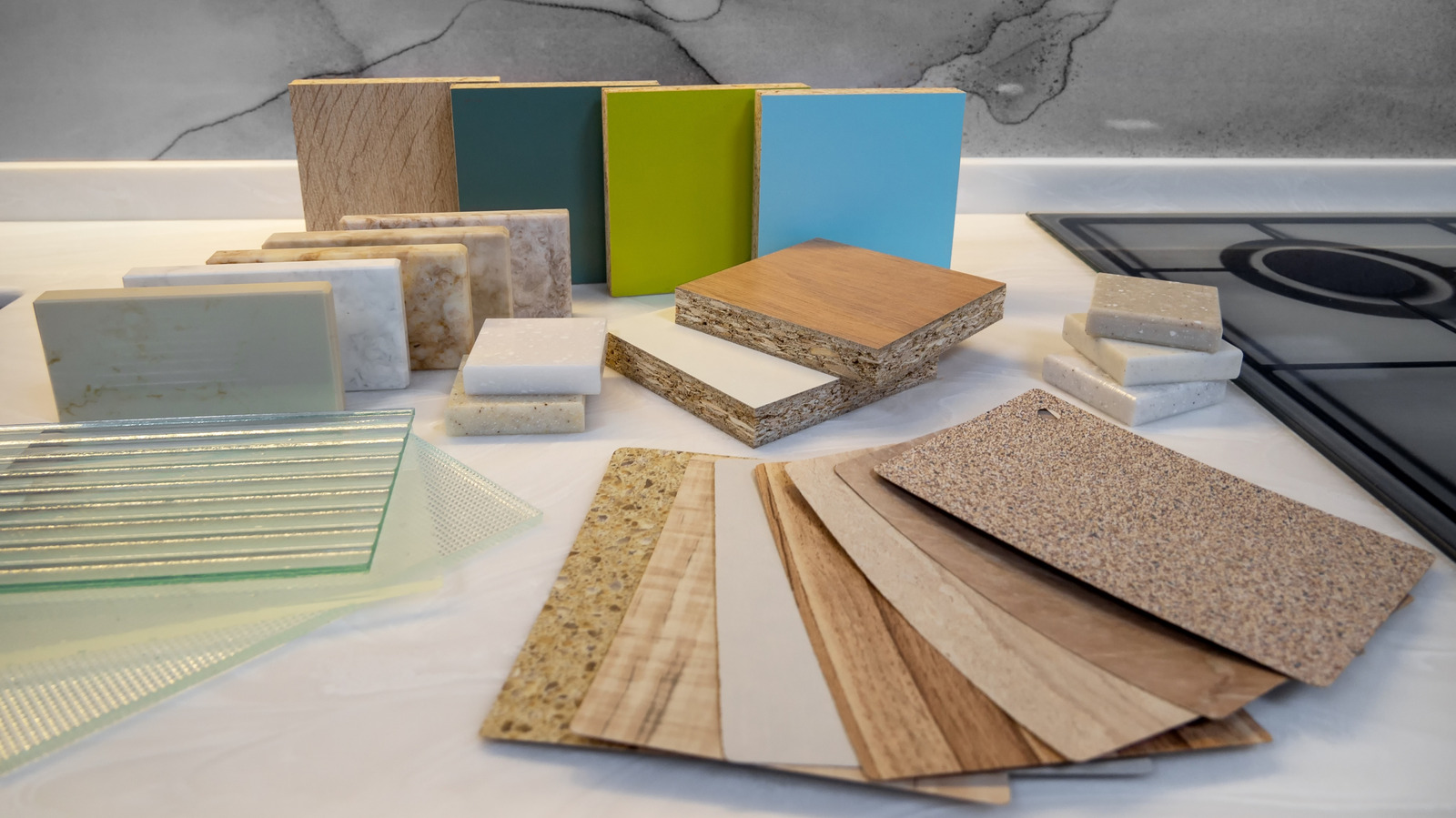
By the 1930s, the company pivoted toward the decorative arts. The advent of new printing technologies allowed the material to mimic the look of more expensive substances. By the 1950s, post-war America was in the midst of a housing boom, and the kitchen became the heart of the home. Laminate, with its vibrant colors, easy-to-clean plastic surface, and extreme affordability, became the defining look of the mid-century kitchen.
Over the decades, manufacturing techniques evolved to allow for the replication of wood grains, granite veining, and metallic finishes. Yet, while the aesthetic mimicry has improved, the core composition remains largely the same: layers of wood-based substrates (typically particleboard or MDF) topped with decorative paper and a protective, transparent layer of melamine resin.
The Aesthetic and Appraisal Gap
The most immediate concern with laminate is its impact on home valuation. In real estate, the kitchen is often the primary factor in a home’s appraisal. Prospective buyers and appraisers alike categorize materials based on their longevity and luxury status.
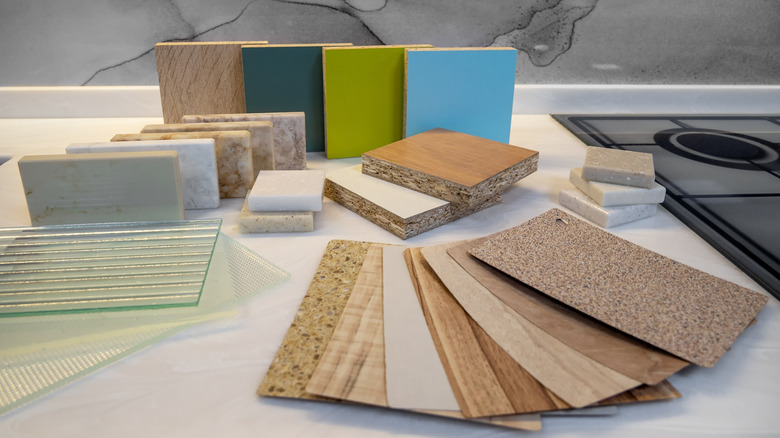
When a potential buyer walks into a kitchen featuring high-end quartz or natural stone, they perceive a premium surface that justifies a higher property value. Laminate, conversely, carries the stigma of a "temporary" or "budget" solution. Because it is widely recognized as a lower-cost material, its presence can diminish the perceived "upscale" feel of a kitchen.
Furthermore, the "printed" nature of the design creates an aesthetic bottleneck. While modern printing can produce incredibly realistic marble patterns, it is a static image. Upon close inspection, the human eye is remarkably good at detecting the repeating motifs inherent in mass-produced prints. Unlike natural stone, where no two slabs are alike, laminate lacks the organic depth and unique character that premium materials provide. For homeowners looking to maximize their return on investment (ROI), installing laminate can be a strategic misstep, as it rarely adds significant appraisal value to the property.
Structural Vulnerabilities and Lifespan
When comparing material lifespans, the gap between laminate and its premium counterparts is stark. A well-maintained granite or marble countertop, if sealed correctly, can endure for decades, often outlasting the cabinets underneath. Stainless steel, favored by professional chefs for its near-indestructible nature, is both a lifetime investment and a sustainable, recyclable choice.
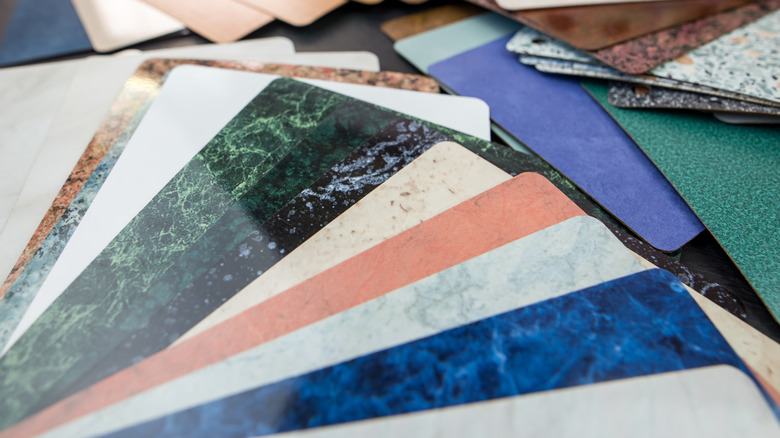
Laminate, by contrast, typically claims a functional lifespan of just 10 to 15 years. This limitation is not merely a matter of fading fashion; it is a result of material degradation. Laminate does not age with the "grace" of natural materials. Where marble might develop a patina—a soft, weathered look that many designers celebrate as evidence of a home’s history—laminate simply wears thin. The resin surface eventually dulls, and the edges, where the laminate meets the substrate, begin to fray or peel, signaling to guests and potential buyers that the kitchen is in need of a complete renovation.
The Reality of Thermal and Physical Damage
The physical fragility of laminate is perhaps its most discussed drawback among home contractors. Because the surface is a thin layer of resin, it is susceptible to two primary types of damage: impact and heat.
Thermal Sensitivity
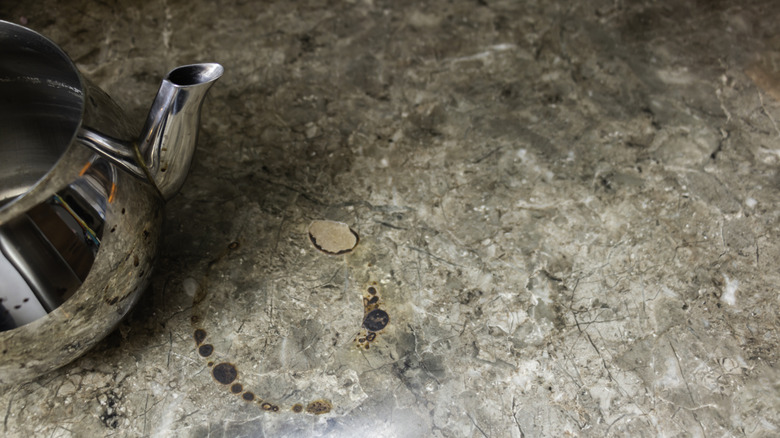
Laminate is notoriously sensitive to high temperatures. Unlike stone, which can withstand a hot pan pulled directly from the stove, laminate surfaces are prone to scorching. Exposing the surface to temperatures above its threshold can cause the plastic to warp, melt, or bubble. Once the bond between the resin surface and the underlying substrate is broken by heat, it is effectively irreparable. This forces homeowners to rely perpetually on trivets and heat-resistant mats, adding a layer of daily maintenance that does not exist with granite or concrete.
Impact and Abrasion
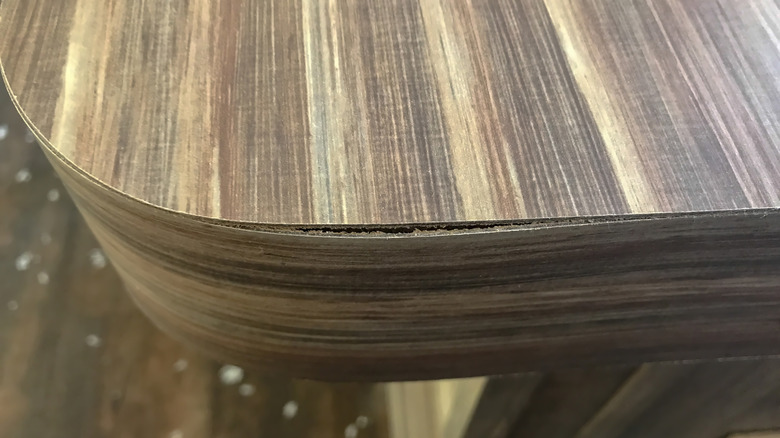
The structural integrity of laminate is also compromised by mechanical stress. The surface is relatively soft compared to stone, making it highly susceptible to scratching from standard kitchen knives. Furthermore, heavy cookware, if dropped, can cause the laminate to chip along the edges. These chips expose the porous, wood-based substrate underneath, which creates an immediate aesthetic eyesore and a point of entry for moisture.
The Moisture Paradox: The "Silent Killer" of Countertops
While laminate is marketed as a non-porous, waterproof surface, the reality is more nuanced. The material itself is indeed resistant to liquid, but the system of the countertop—specifically the seams, edges, and points where the sink meets the counter—is highly vulnerable.
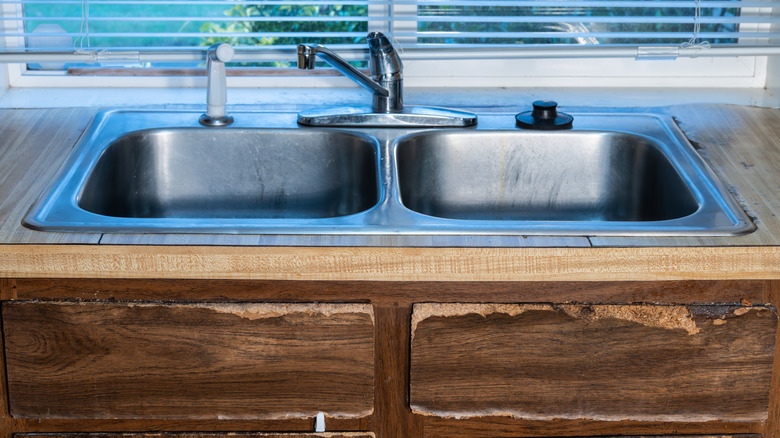
If the sealant around a sink begins to fail, water can seep into the seam. Once moisture penetrates the particleboard or MDF substrate, it triggers a cascade of destruction. The substrate swells as it absorbs water, causing the laminate to bubble, lift, and eventually peel away from the base. This process is often irreversible. Spilled pasta water, condensation from a glass, or a leaking faucet can turn a minor oversight into a major structural failure within weeks. The presence of moisture-related damage is often the primary reason homeowners are forced to replace their laminate countertops long before the end of their intended 15-year lifecycle.
The Myth of the "Quick Fix"
A common defense of laminate is its repairability. Proponents often point to the abundance of DIY kits and fillers available at hardware stores. However, in professional contracting, these are widely regarded as temporary aesthetic bandages rather than solutions.
When a laminate surface is chipped or scorched, the repair material rarely matches the texture, gloss level, or color of the original print. Even a perfect color match will reveal the seam where the filler meets the laminate. More importantly, these repairs do not restore the structural integrity of the countertop. A filled scratch is still a weak point, and a patch over a scorched area remains vulnerable to future heat exposure.
Ultimately, when significant damage occurs, the most cost-effective and visually consistent solution is a full replacement. While the cost of replacing laminate is lower than replacing quartz, the cumulative cost of replacing laminate twice over the course of 20 years may eventually rival the cost of a single, long-lasting stone installation.
Implications for Homeowners and Designers
For those currently planning a kitchen renovation, the decision to choose laminate should be made with eyes wide open. While it serves a valid purpose for rental properties, secondary kitchens, or extremely tight budgets, it is rarely the optimal choice for a primary residence.
Homeowners must weigh the upfront savings against the long-term reality of maintenance, the risk of moisture damage, and the inevitable decline in aesthetic appeal. The "hidden" costs—the potential for reduced home value, the necessity of constant surface protection, and the likelihood of needing a full replacement within a decade—suggest that for many, investing in a more durable material like quartz or granite is not just an aesthetic choice, but a sound financial one.
In conclusion, while the laminate industry has made strides in visual fidelity, it remains a material of compromises. A kitchen countertop should be a reliable workhorse, not a source of constant concern. By understanding the inherent disadvantages of laminate, homeowners can make informed decisions that ensure their kitchens remain both functional and beautiful for years to come.
