

In a significant move to reshape the collaborative landscape of software development, design powerhouse Figma unveiled a suite of transformative tools during its inaugural Config event in India. The announcement centers on a new Markdown-based editor designed to bridge the chasm between static design files and living, breathing codebases. By integrating these tools with the Payload headless content management system (CMS) and advancing its artificial intelligence (AI) capabilities, Figma is positioning itself not just as a design tool, but as the central nervous system for modern digital product development.
This strategic expansion comes at a critical time for the company, as it doubles down on the Indian market—now its largest user base outside of the United States—and seeks to standardize design systems for both human teams and autonomous AI agents.
The Core Innovation: Figma Specs and the Markdown Revolution
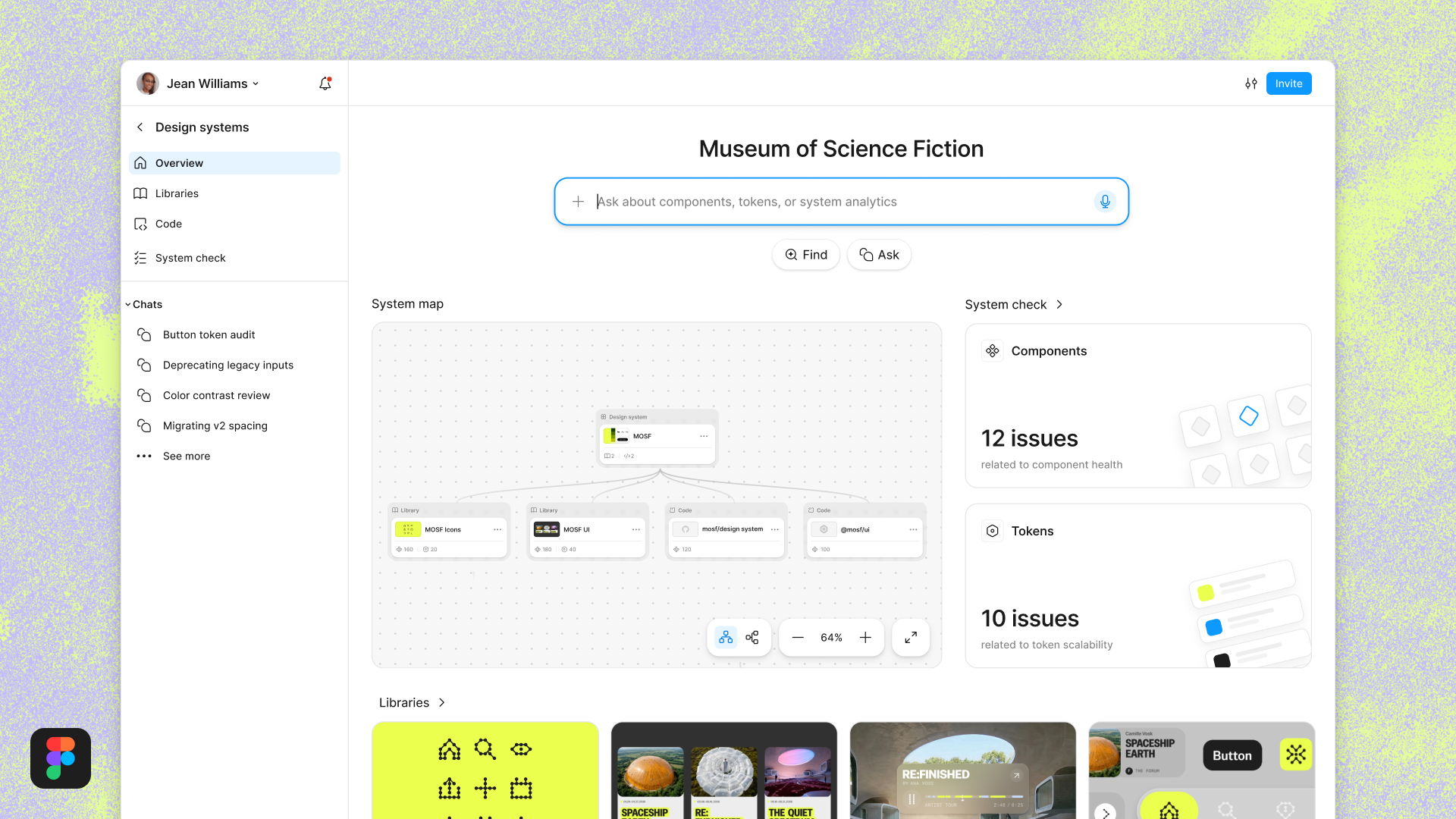
At the heart of the latest update is "Figma Specs," a sophisticated Markdown-based editor. Figma’s vision for this tool is to provide a "single source of truth" for design language. In a fragmented development environment, design guidelines are often lost in wikis, PDF documents, or scattered Slack threads. Figma Specs aims to consolidate these into the design environment itself.
Functional Utility
Figma Specs functions as a dynamic document that can exist as a standalone file or live directly on the canvas. Beyond standard text editing, the tool allows for deep, bi-directional linking. Users can reference specific elements on the canvas, embed FigJam diagrams, and integrate live code layers. By hosting documentation alongside the design, the company ensures that developers and stakeholders are always looking at the most current version of a brand’s design system.
Defining Rules for AI
One of the most pressing challenges in the era of Generative AI is "hallucination" and stylistic inconsistency. AI models, when left to their own devices, often drift from a company’s established brand guidelines. Figma Specs acts as a foundational context layer. By clearly defining design rules, color palettes, spacing, and component behaviors within these Markdown files, teams can provide AI agents with a strict set of constraints, ensuring that generated UI elements remain on-brand and functionally accurate.
Chronology: From Private Beta to Public Ecosystem
Figma’s journey toward these integrated tools has been deliberate and iterative.

- June 2026: The company first signaled its intent to merge design and code by introducing "Code Layers" in a private beta. This feature allowed designers to embed actual code snippets into their prototypes, creating more interactive and realistic representations of final products.
- Late 2025 – Early 2026: Recognizing that the "design-to-development" handoff remained the biggest friction point in software production, Figma acquired Payload, an open-source headless CMS. This acquisition was a strategic signal that Figma intended to move into the content-management space.
- October 2026: At the inaugural Config India event, Figma transitioned Code Layers into public beta. Simultaneously, the company rolled out its Agent-on-Canvas feature to a wider audience, empowering users to leverage AI directly within their workflows.
- Current State: The debut of Figma Specs marks the maturation of this ecosystem. By connecting Specs, Code Layers, and Payload, Figma has successfully created a closed-loop system where design, content, and code exist in a unified environment.
Supporting Data: Why the Industry Needs This
The necessity for these tools is backed by a startling disconnect in modern software productivity. According to Figma’s internal research and industry analysis cited during the event, the volume of code being produced is currently 17 times higher than it was in previous cycles. However, the output of actual product releases has only increased by 1.3 times.
This massive disparity suggests that a significant portion of developer energy is being spent on "discovery"—writing code to test layouts, explore UI patterns, or figure out what a product should look like, rather than shipping finished features. Figma is positioning its new toolset to capture that "discovery" phase, allowing teams to prototype, define, and document simultaneously, thereby reducing the "dead code" that never makes it into production.
The company’s growth in India also serves as a vital data point for its strategy. With 40% of India’s top 100 companies (listed on the Bombay Stock Exchange) already utilizing Figma, the platform has become a critical utility for the region’s burgeoning tech sector. The decision to host the first India-based Config event highlights that the region is no longer just a talent hub for Figma, but a primary engine for its product evolution.
Official Perspectives: Redefining the Ship-to-Code Pipeline
Loredana Crisan, Figma’s Chief Design Officer, framed the shift as a necessary evolution for software teams. "We see Figma as the place where software teams come to decide what they build and ship," Crisan explained. "A lot of that code [being produced today] is not necessarily built to ship, but really built to discover what the product is. It’s built to design."
By providing tools that allow developers and designers to interact with the same source of truth, Figma aims to eliminate the "translation" errors that occur when a designer’s intent is misinterpreted by a developer. The inclusion of the Payload CMS further streamlines this by allowing teams to generate dynamic websites and manage content directly from the Figma interface, effectively shortening the path from a design mock-up to a live deployment.
Implications for the Future of Design
The implications of these updates extend far beyond the Figma interface.

The Rise of AI-Agentic Workflows
With the introduction of the Model Context Protocol (MCP) support, Figma is integrating with over 20 new tools, including Open Code, Dia, Grok Bot, and the Indian AI startup Sarvam. This suggests a future where design is not just a human-led activity but an AI-assisted one. By "steering" these agents with Figma Specs, companies can ensure that their AI-generated outputs adhere to professional standards.
Reducing Technical Debt
By allowing designers to reference live code libraries and code layers within their documents, Figma is helping to minimize the accumulation of technical debt. When a design system is documented alongside its corresponding code, changes to the design are more likely to be reflected in the code, and vice versa. This tight coupling is the ultimate goal of "DesignOps" (Design Operations) teams globally.
A New Standard for Content-Driven Design
The integration of the Payload CMS is a direct challenge to the status quo of web development. Traditionally, design tools and content management systems lived in silos. Figma’s move to bring these worlds together suggests that the future of web design is fundamentally "content-first." By managing content directly within the design environment, teams can build prototypes that reflect real-world data, leading to more accurate testing and faster iteration cycles.
Conclusion
Figma’s announcements at Config India signal a transition from a creative "drawing board" to a holistic software development platform. By embracing Markdown for documentation, integrating headless CMS capabilities, and creating robust guardrails for AI agents, Figma is attempting to solve the "shipment gap" that has plagued the industry for years. As software development becomes increasingly automated and AI-driven, Figma’s infrastructure for defining, managing, and documenting design systems will likely become the standard against which other collaborative platforms are measured. For developers and designers alike, the message is clear: the siloed days of separate design files and codebases are coming to an end.
