

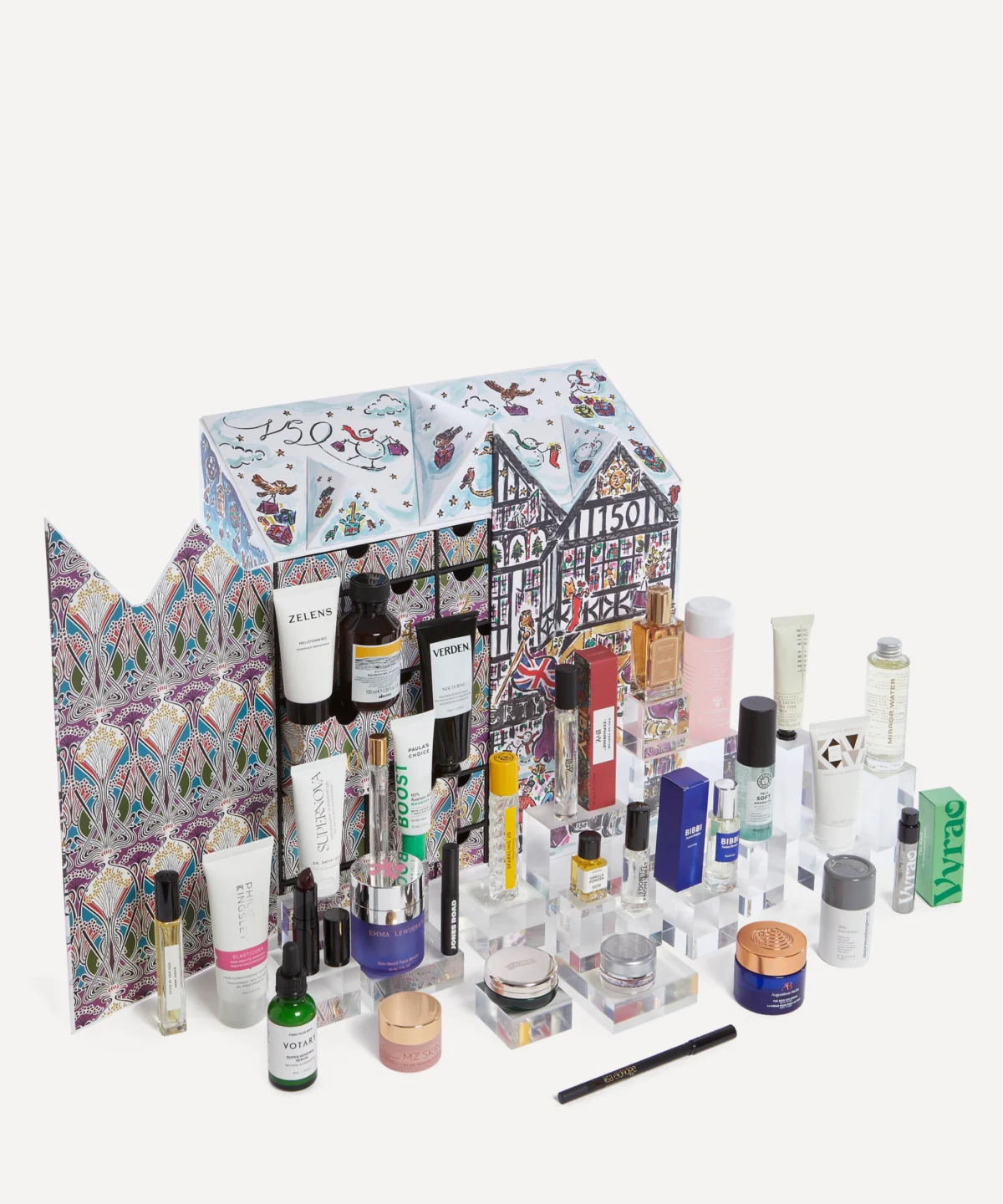
As the air turns crisp and the shadows lengthen, the retail industry is already turning its collective gaze toward the most anticipated season of the year. While the average consumer might still be finalizing their late-summer plans, the beauty industry is already deep into the "holiday sprint." Central to this phenomenon is the rise of the high-end beauty advent calendar—a product category that has evolved from a simple chocolate-filled tradition into a massive, multi-billion-dollar retail force.
For those looking to get ahead of the holiday rush, the time to strategize is now. Our editorial team has curated a comprehensive look at why these "blockbuster" sets are dominating the market and how they offer a unique intersection of luxury, value, and strategic gifting.
Main Facts: The Evolution of the Beauty Advent Calendar
The concept of the advent calendar dates back to 19th-century German traditions, but the modern iteration—specifically within the luxury beauty sector—is a relatively recent invention that has fundamentally changed holiday shopping. These collections are no longer mere stocking stuffers; they are flagship releases designed to showcase a brand’s most iconic products while introducing consumers to new, limited-edition shades and formulations.
Why do these sets command such premium price points? The answer lies in three pillars: scarcity, presentation, and curation.
- Scarcity: Most beauty advent calendars are produced in limited quantities. Once a brand’s stock is depleted, it is rarely replenished, creating a "buy now or regret it later" urgency that drives early-season sales.
- Exquisite Packaging: Brands treat these calendars as architectural projects. From reusable wooden vanity drawers to intricate, storybook-inspired pop-up designs, the packaging is often intended to be repurposed as home décor, justifying the higher cost.
- Value Density: While a $300 or $500 price tag may cause initial sticker shock, the retail value of the individual products contained within often exceeds the cost of the set by 50% to 100%.
Chronology: The "Christmas Creep" of Retail
The holiday retail calendar has undergone a significant transformation over the last decade. Historically, holiday marketing began in late November, following the American Thanksgiving holiday. Today, we are witnessing a phenomenon known as "Christmas Creep," where major beauty houses begin teasing their holiday collections as early as August.
August: The Tease and the Waitlist
By late August, major retailers and beauty conglomerates begin circulating "save the date" alerts. This is the period when brand loyalists sign up for early-access email lists. The strategy here is psychological: by creating a sense of exclusivity, brands ensure that their most devoted customers are primed to purchase the moment the product drops in September or October.
September: The Official Drop
September marks the "Grand Opening" of the advent calendar season. High-end department stores and luxury skincare brands release their primary inventory. This is when the most sought-after calendars—those featuring luxury fragrances, high-performance serums, and limited-edition color cosmetics—tend to sell out within hours of their official online launch.
October: The Secondary Market and Refinement
By October, the "early bird" phase concludes. Consumers who missed out on initial drops turn to secondary markets or smaller, niche boutique calendars. This is also the time when editors, influencers, and beauty experts provide deep-dive reviews, helping consumers decide whether the investment is worth the specific product mix included in each box.
November–December: The Unboxing Phase
The final stretch is defined by the physical act of "unboxing." The rise of short-form video content on platforms like TikTok and Instagram has turned the act of opening an advent calendar into a communal social event. Many brands now curate their calendars specifically to perform well on camera, emphasizing "unboxing-friendly" packaging and viral product reveals.
Supporting Data: By the Numbers
To understand the market power of these collections, one must look at the data. Market research into the beauty industry indicates that holiday-themed sets—specifically advent calendars—account for a disproportionate amount of fourth-quarter (Q4) revenue.
- Average Value Proposition: Analysis of current season offerings suggests that the average luxury advent calendar contains between 20 and 25 items. The average total retail value of these items is estimated at $750, while the average retail price for the calendar itself sits around $350. This represents a significant discount for the consumer, provided they are interested in the majority of the products included.
- Consumer Behavior: According to retail analytics, 65% of consumers who purchase an advent calendar do so as a "self-gift." The remaining 35% purchase as gifts for others, often citing the "all-in-one" convenience as the primary motivator.
- Search Volume: Google Trends data consistently shows a vertical spike in searches for "best beauty advent calendar" beginning in mid-August and peaking during the first week of October.
Official Responses: What the Brands Say
We reached out to various industry experts and brand representatives to discuss the strategy behind these massive holiday rollouts.
"The goal of the advent calendar is not just sales; it is an immersive brand experience," says a spokesperson for a leading global skincare conglomerate. "When a customer opens 24 doors, they are spending 24 days engaging with our brand. That is a level of customer retention that a single purchase simply cannot provide."
Industry analysts note that brands are also using these calendars as a testing ground. "By including a new, experimental shade of lipstick or a trial-size serum in a calendar, brands can gauge consumer interest before committing to a full-scale product launch," says one retail strategist. "If a product in the calendar receives high engagement on social media, that’s a signal to the brand to move it into their permanent collection."
Implications: The Strategic Approach to Holiday Shopping
As you navigate the overwhelming world of holiday "stuff," it is important to approach these beauty advent calendars with a critical eye. Here is how to maximize your investment this season:
1. The "Halfsies" Strategy
As mentioned in our editorial notes, these calendars are often so voluminous that a single person may not be able to use every product before its expiration date. Going "halfsies" with a friend or family member is an excellent way to split the cost and the contents, effectively turning a $400 purchase into a $200 investment for a curated selection of high-end goods.
2. The Value Audit
Before clicking "purchase," take a moment to look at the "contents" list provided on the product page. If you are only interested in two out of the 25 items, the cost-per-use value plummets. However, if the calendar includes items you already use—such as a daily cleanser or a staple moisturizer—it may be a cost-effective way to restock your vanity for the year ahead.
3. The Patience Paradox
While the tradition dictates opening one door per day, the modern consumer often lacks the patience—or the desire—to wait. If you are gifting these to others, remember that the "surprise" element is part of the value. However, if you are buying for yourself, don’t feel pressured to follow the rules. Many beauty enthusiasts prefer to open the full set upon arrival to ensure they can incorporate the products into their current skincare routine immediately.
4. Environmental Considerations
A final, critical implication is sustainability. As consumers become more eco-conscious, many are criticizing the amount of plastic and cardboard waste associated with these calendars. Look for brands that utilize recyclable packaging, magnetic closures that can be reused for jewelry storage, or calendars that are designed to be refilled in future years.
Conclusion: A Curated Experience
The beauty advent calendar has moved beyond a seasonal gimmick to become a cornerstone of the modern holiday experience. By offering a mixture of trial-sized luxury, full-sized favorites, and exclusive items, these sets provide a unique value proposition that is difficult for standard retail to match.
Whether you are looking to treat yourself to a month-long celebration of self-care or seeking the ultimate gift for the beauty enthusiast in your life, the key is to stay informed, act early, and choose sets that align with your personal needs.
At Refinery29, we are committed to helping you navigate this overwhelming world of stuff. All of our market picks are independently selected and curated by our editorial team. We monitor price and availability in real-time to ensure you are getting the best information available. If you buy or click on something we link to on our site, Refinery29 may earn a commission, but our editorial integrity remains our top priority.
