

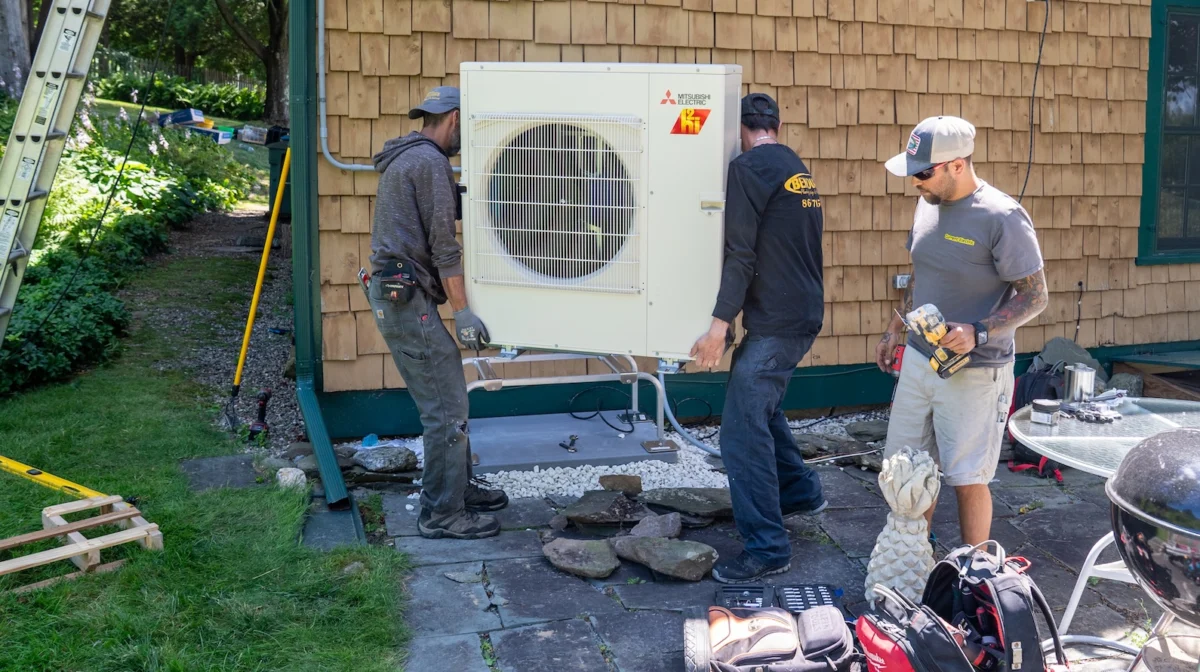
For decades, a pervasive myth has haunted the American energy transition: the idea that heat pumps—those marvels of thermodynamic efficiency that move heat rather than creating it—are simply incapable of handling the biting chill of a true winter. The conventional wisdom suggested that when the mercury drops into the sub-zero range, heat pumps effectively "give up," forcing homeowners to rely on inefficient, expensive backup heat.
However, as the climate crisis accelerates and the national conversation turns toward energy independence and affordability, this narrative is being dismantled. Modern, cold-climate heat pump technology has matured rapidly, proving that these systems can keep homes toasty even in the most unforgiving, sub-zero conditions. The proof is not merely theoretical; it is playing out in real-time in Nordic countries and parts of Alaska, where heat pumps are becoming the standard for residential heating.
The Myth of Grid Collapse
Beyond the concern over performance lies an even more daunting fear: the stability of the American electrical grid. Critics often argue that if millions of households were to abandon gas furnaces for electric heat pumps, the resulting surge in demand would overwhelm our aging power infrastructure, leading to blackouts and systemic failure.
According to a comprehensive new report from the energy thinktank RMI, this fear is largely unfounded. In fact, the report suggests the opposite: the widespread adoption of heat pumps could be the key to optimizing grid efficiency.
The RMI analysis identifies a critical phenomenon known as "grid headroom." In the United States, electricity demand is heavily skewed toward the summer months, driven by the massive power requirements of air conditioning units. During the winter, however, that demand plummets, leaving significant latent capacity within the power grid. Because many Americans currently heat their homes with fossil fuels like natural gas or heating oil, the grid remains underutilized during the coldest months.
"A substantial number of homes can upgrade to heat pumps within the headroom today," says Ryan Shea, a manager on the buildings team at RMI. "We’d be better utilizing the grid capacity that’s already there. By essentially spreading those fixed grid costs across more kilowatt-hours, everyone benefits with a lower electricity rate."
The Mechanics of "Headroom"
To understand why this transition wouldn’t cause a grid collapse, one must look at the seasonal cycle of energy demand. In a typical utility service area, the peak load—the moment when the grid is most strained—occurs during summer heatwaves. Millions of air conditioners cycle on simultaneously, pushing infrastructure to its limit.
In contrast, the winter months present a surplus of generation capacity. Because heat pumps are highly efficient—often operating at three to four times the efficiency of traditional electric resistance heaters—they can absorb this existing "headroom" without requiring a massive, costly expansion of power generation facilities. By transitioning to heat pumps, we are essentially filling the empty space in the grid’s demand profile, smoothing out the peaks and valleys that utilities struggle to manage.
This is not a call to build new gas-fired power plants; rather, it is an opportunity to leverage the infrastructure we have already paid for, making the entire system more economically viable.
Regional Nuances and the Future of Energy
It is important to note that this "headroom" is not distributed evenly across the country. Regional climate patterns and generation mixes create a complex mosaic of energy needs. In places like Phoenix, where summer heat is extreme, the cooling load is the primary driver of grid stress. In contrast, colder regions like New England have different seasonal profiles.
Furthermore, the transition to renewables is changing the calculus of grid management. As more solar and wind power come online, utilities are faced with the challenge of intermittency. When the sun sets and the wind dies down, the grid must remain reliable. To solve this, utilities are investing heavily in a three-pronged approach:
- Utility-scale battery farms that store excess renewable energy for use during peak hours.
- Vehicle-to-Grid (V2G) technology, which allows electric vehicles to act as decentralized, mobile power banks that can feed energy back into the grid during shortages.
- Long-duration thermal storage, which essentially uses the Earth itself as a giant battery, storing heat or cold in the ground to balance out seasonal fluctuations.
These innovations are making the grid more flexible and resilient than it ever was under a fossil-fuel-only regime. As these technologies mature, the integration of heat pumps becomes not just feasible, but a cornerstone of a modernized, decarbonized energy system.
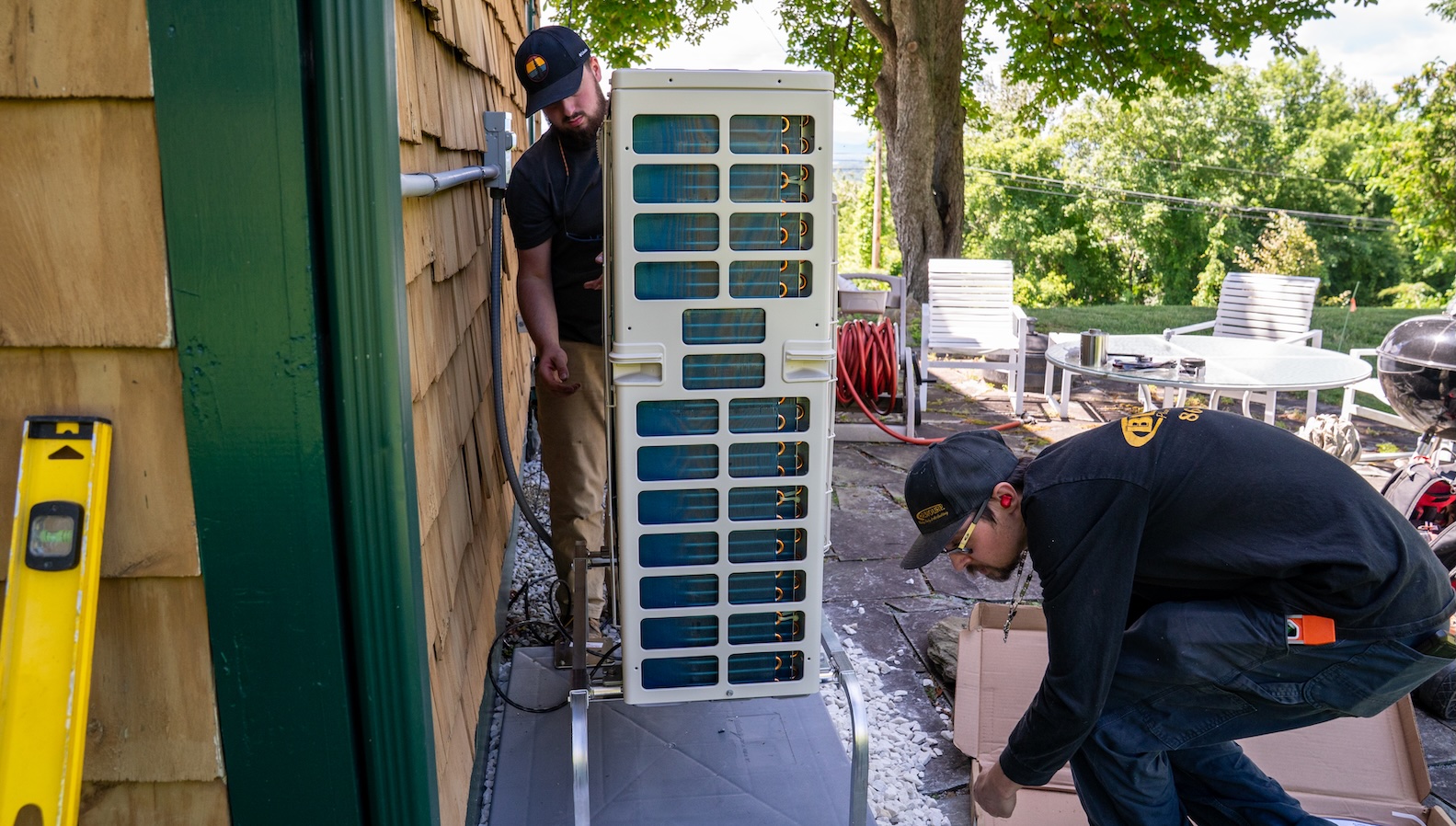
The Efficiency Imperative: Heat Pumps vs. "Giant Toasters"
A vital, yet often overlooked, component of this shift is the replacement of electric resistance heating. In regions like the Pacific Northwest and the Southeast, many homes rely on electric baseboard heaters or wall units—essentially "giant toasters" that convert electricity directly into heat.
While these are cleaner than burning gas or oil inside the home, they are drastically less efficient than heat pumps. By upgrading from resistance heating to heat pumps, households can cut their electricity consumption for heating by nearly 75%. The financial implications are significant; RMI estimates that such a switch could save the average household over $1,500 annually.
Beyond the economics, there is a public health imperative. Gas furnaces and other fossil-fuel-burning appliances release nitrogen oxides, carbon monoxide, and particulate matter into the home environment. Heat pumps eliminate these indoor air quality hazards entirely, providing a safer, cleaner living environment for families.
A Chronology of Progress
The path toward widespread adoption is already being paved by proactive policy. The progression of the heat pump movement in the U.S. can be viewed through several distinct phases:
- The Early Adoption Phase: Initial skepticism regarding cold-weather performance kept market penetration low.
- The Technological Pivot: Manufacturers introduced "cold-climate" heat pumps, specifically engineered for temperatures well below freezing, which effectively neutralized the primary argument against the technology.
- The Policy Catalyst: States began recognizing the potential for climate goals. Maine, for instance, set an ambitious goal to install 100,000 heat pumps. Through a combination of aggressive rebates and public education, the state smashed its target two years ahead of schedule, proving that rapid market transformation is possible when political will aligns with consumer incentives.
- The Integration Phase (Current): We are now entering a period where heat pumps are increasingly viewed as a tool for grid management. Housing developers, driven by both climate mandates and the need for cost-effective construction, are increasingly opting for heat pumps in new residential projects, further accelerating the trend.
The Role of Policy and Affordability
If heat pumps are the "superstar" appliance of the future, how can the United States accelerate the transition? The answer lies in both policy and infrastructure.
First, the transition must be opportunistic. When an air conditioner or furnace breaks, the replacement cycle is the perfect moment to install a heat pump. States can facilitate this by streamlining rebate programs, making the upfront cost comparable to a traditional unit.
Second, the housing crisis provides a unique, if counterintuitive, opportunity. As the nation grapples with the need for more housing, building code updates that mandate high-efficiency electric heating in new construction can ensure that we aren’t locking in fossil-fuel dependency for another 30 years.
Finally, political discourse must pivot. In an era where affordability is the central theme of American politics, heat pumps represent a rare "triple win": they lower individual energy bills, reduce the financial burden on the grid by optimizing existing capacity, and slash the carbon emissions that drive the climate volatility necessitating these changes in the first place.
Conclusion: A More Reliable Grid
The transition to heat pumps is not merely an environmental endeavor; it is an economic and engineering upgrade to our national infrastructure. By moving away from the localized combustion of fossil fuels and embracing the efficiencies of heat transfer, the U.S. is positioning itself to handle the energy demands of the 21st century.
The grid will not collapse. On the contrary, by filling the seasonal gaps in demand, heat pumps are helping to create a more balanced, flexible, and robust system. As the technology continues to prove its worth from Alaska to the Southeast, it is becoming clear that the heat pump is not just an appliance—it is a foundational component of a stable, affordable, and clean energy future.
As Ryan Shea noted, the goal is clear: "We really think there’s a reason to include heat pumps within those affordability plans and try to really establish some heat pump installation goals." By doing so, the nation can turn the tide on both its climate targets and its long-term energy costs.
