

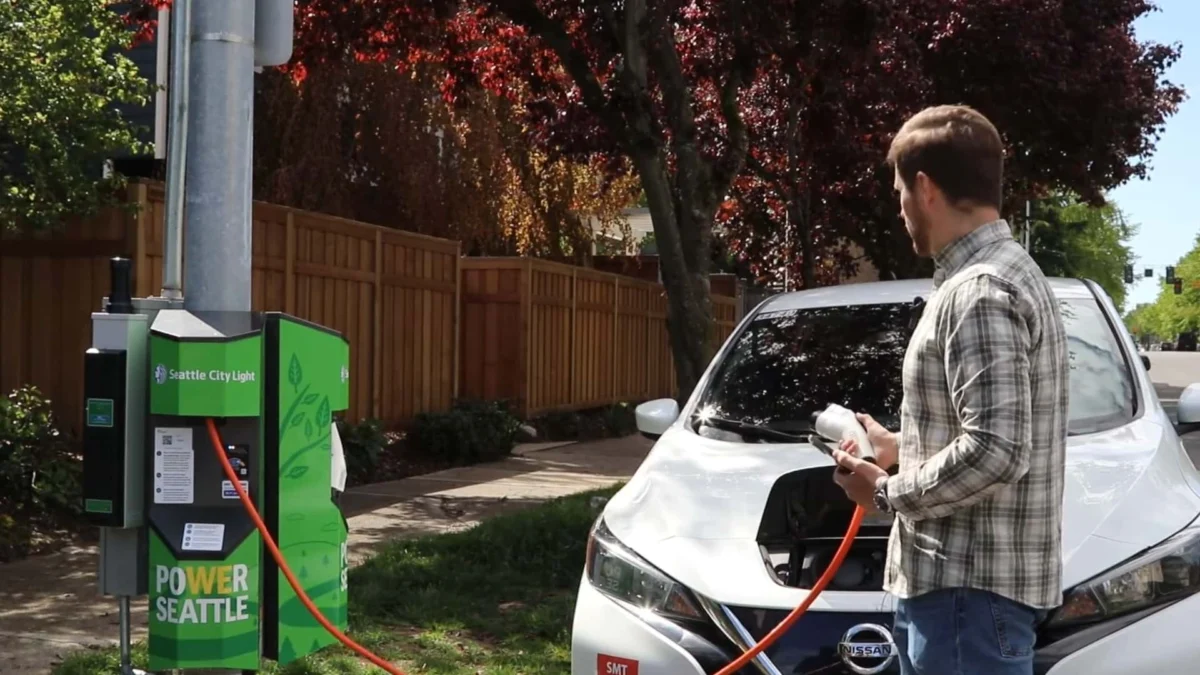
In a decisive move to accelerate the transition to sustainable transportation, the City of Seattle has unveiled an ambitious plan to install up to 200 new Level 2 electric vehicle (EV) chargers across the city by 2030. This infrastructure initiative, designed specifically to bridge the "charging gap" for residents of multifamily housing, marks one of the most significant municipal investments in EV accessibility in the United States. By leveraging public rights-of-way, Seattle is addressing the fundamental hurdle for apartment and condo dwellers who lack the luxury of a private garage or a dedicated driveway.
The Problem: The Multifamily Charging Gap
For many urban dwellers, the dream of owning an electric vehicle is often thwarted by the physical limitations of their living environment. In Seattle, where more than half of all households reside in apartment buildings or condominiums, the lack of off-street parking is a major deterrent to EV adoption. Without a private place to plug in, residents are often forced to rely on expensive, high-speed DC fast chargers located in commercial zones—a solution that is neither cost-effective nor convenient for daily usage.
This demographic, often referred to as "EV-curious" but "plug-deprived," requires a more integrated solution. Curbside charging represents the most promising remedy, as it allows vehicles to remain connected for extended periods—much like a traditional overnight home charge—without requiring occupants to alter their housing arrangements. By installing these units on public streets near residential hubs, the city aims to normalize the ownership experience for those who do not own a single-family home.
Chronology: From Pilot Program to Citywide Rollout
The current expansion is not a venture into the unknown; rather, it is a scaling up of a proven concept. In 2023 and 2024, Seattle conducted a highly successful pilot program that deployed 58 chargers across 31 strategic locations. The data from this initial phase was compelling: in the last year alone, these pilot units were utilized over 45,000 times, signaling a robust and growing demand for accessible, municipal-grade infrastructure.
Building on this success, the city has established a clear roadmap for the next five years:
- Present through Fall 2027: The open application window for residents to request new charging locations on the Seattle City Light portal.
- Spring 2027: The formal commencement of site design and permitting processes.
- Fall 2027: The physical installation of the new hardware begins, with projects rolled out in batches of 40 to 50 sites at a time.
- 2030: The full integration of the 200-unit network, expected to be completed and fully operational.
Supporting Data and Financial Framework
The financial backbone of this project is the $1.55 billion Seattle Transportation Levy, which was overwhelmingly approved by voters in 2024. This massive investment serves as a multifaceted tool to combat air pollution and expand sustainable mobility options.
Of the total levy, $32 million has been specifically earmarked for vehicle electrification efforts. Within this budget, $21 million is dedicated directly to the installation of the 200 curbside chargers, while an additional $2 million is being contributed by Seattle City Light to support infrastructure upgrades.
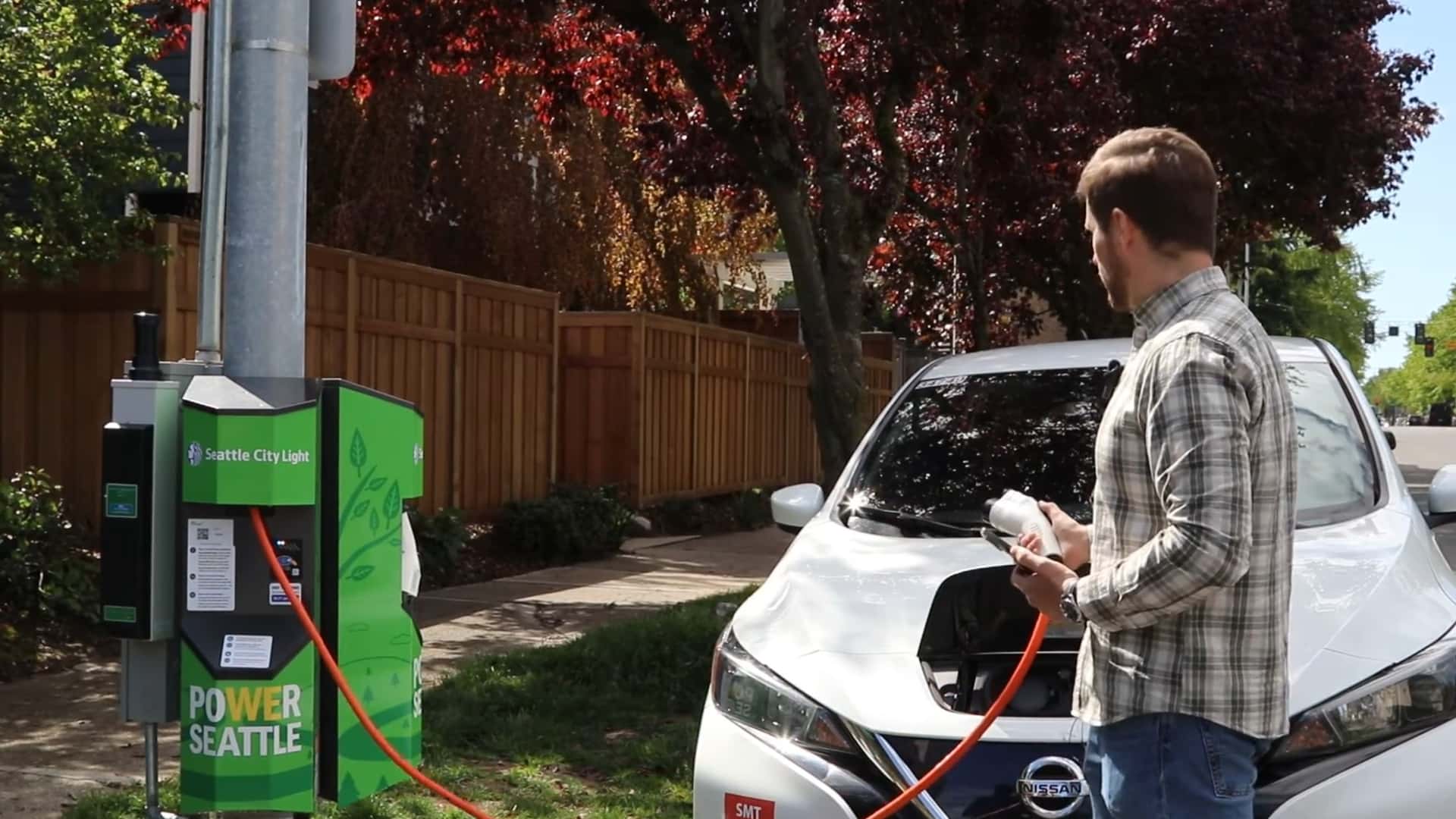
The operational economics of the program are designed to be accessible to the public. Currently, the city’s curbside chargers offer a peak power output of 9.6 kilowatts—ideal for an overnight "top-up"—at a rate of $0.21 per kilowatt-hour. This price point is significantly more affordable than the commercial DC fast-charging networks, which often charge premium rates for the speed they provide. By providing a low-cost, reliable alternative, Seattle is effectively lowering the total cost of ownership for EV drivers.
Strategic Prioritization: Beyond Simple Geography
The selection process for these 200 sites will not be based on a first-come, first-served model. Instead, the Seattle Department of Transportation (SDOT) and Seattle City Light have developed a sophisticated, data-driven approach to ensure that the infrastructure is placed where it will be most effective.
The "Walk Score" Metric
A core component of the site selection strategy is the "walk score" metric. The city is prioritizing locations that are in close proximity to local businesses, parks, and community amenities. The logic is twofold: high-utilization areas ensure that the infrastructure is not just present, but actively used, and placing chargers near walkable destinations encourages residents to "charge while they shop or play," effectively integrating the charging process into their daily routines.
Equitable Investment
Beyond mere usage metrics, the city is committed to social equity. Areas that have historically suffered from higher levels of air pollution and those that have experienced systemic underinvestment are top priorities for the rollout. By placing charging infrastructure in these neighborhoods, the city is ensuring that the transition to green energy is inclusive, providing lower-income residents with the same ability to transition to electric vehicles as those in more affluent neighborhoods.
Official Perspectives and Public Response
The initiative has garnered significant support from municipal leaders who view it as a critical pillar of Seattle’s climate action goals. The success of the pilot, as highlighted by SDOT spokesperson Mariam Ali, serves as a powerful testament to the readiness of the Seattle public to embrace electric transit.
While the city provides the framework, it is relying on citizen participation to identify the most critical gaps in the network. By opening the application portal to the public, the city is crowdsourcing the intelligence of its residents, allowing those who know their neighborhoods best to help shape the city’s future infrastructure.
Implications: Setting a National Precedent
Seattle’s strategy is part of a broader, national shift toward "curbside" or "on-street" residential charging, a model that has been common in European cities like Amsterdam and London for years. The United States, which has traditionally focused on large, centralized charging hubs, is finally beginning to recognize that urban, on-street charging is the missing piece of the puzzle.
Similar initiatives are popping up in major metropolitan areas across the country:
- New York City: Leveraging lamp-post charging technology to provide widespread coverage in high-density boroughs.
- Detroit: Utilizing innovative infrastructure projects to bring charging into the heart of the Motor City’s residential zones.
- San Francisco: Developing comprehensive application processes to map out future residential charging demands.
By adopting these international best practices, Seattle is positioning itself at the forefront of the American urban mobility revolution. The implications for the automotive industry are profound: as cities solve the "charging at home" dilemma, the barriers to entry for electric vehicles will continue to crumble. This will likely result in a secondary surge in EV adoption rates, as apartment dwellers who were previously excluded from the market begin to purchase electric vehicles with confidence.
Looking Ahead: The Path to 2030
As the city moves from the planning phase to the construction phase, the success of this project will depend on the continued collaboration between the city, its utility provider, and the public. The two-week construction window per site is designed to be minimally invasive, yet it will undoubtedly reshape the aesthetic and functional landscape of Seattle’s streetscapes.
The goal is not merely to install hardware, but to fundamentally alter the relationship between citizens and their vehicles. By treating electricity as a utility that can be accessed at the curb—much like water or high-speed internet—Seattle is removing the last major psychological and physical hurdle to electric vehicle ownership.
As 2030 approaches, the result will be a city that is not only quieter and cleaner but also more equitable in its technological advancements. For the apartment dweller in Capitol Hill or the condo owner in Ballard, the sight of a curbside charger will soon be as common and as mundane as a street lamp, signaling that the era of range anxiety and charging inconvenience is truly coming to an end in the Pacific Northwest.
The transition to a sustainable future is often framed as a challenge of technology and innovation. However, Seattle’s approach demonstrates that it is just as much a challenge of urban planning and civic willpower. By investing $32 million into the foundational infrastructure of our streets, the city is laying the groundwork for a cleaner, more efficient, and more accessible urban life for all its residents.
