

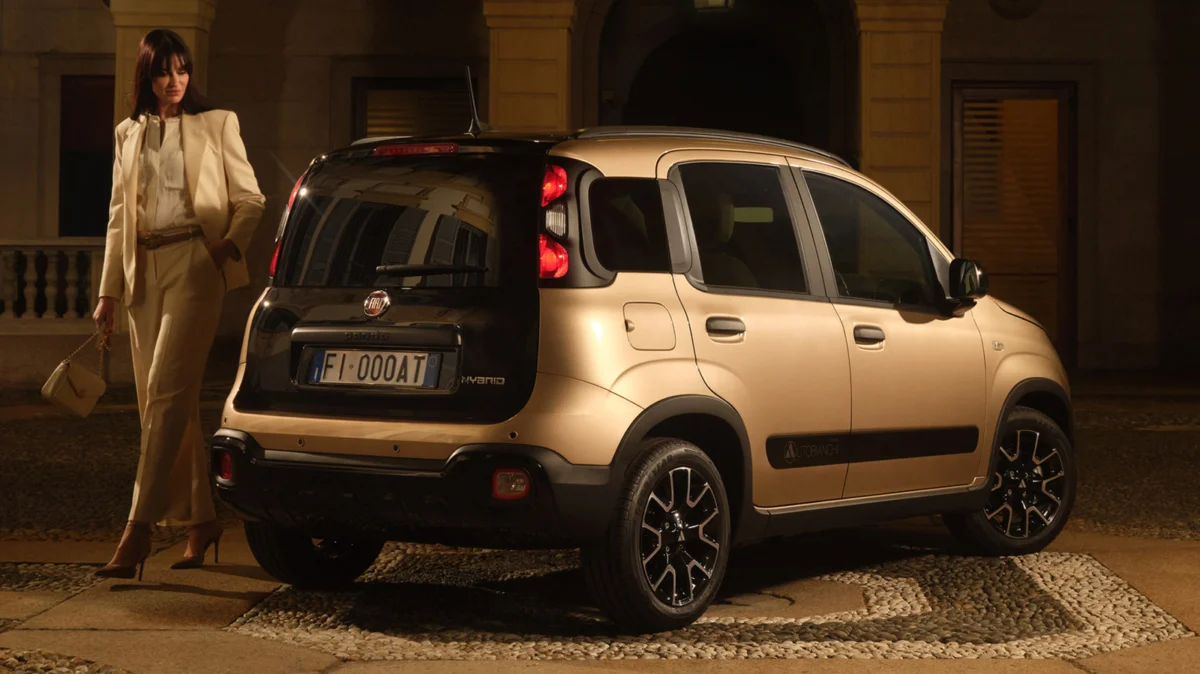
In the fast-paced, electrified world of modern automotive manufacturing, few companies dare to look back at brands that have been dormant for three decades. Yet, Fiat—under the vast umbrella of the Stellantis conglomerate—has recently unveiled the "Tributo Autobianchi," a special edition of its long-running Pandina city car. While the exterior paintwork and cabin trimmings suggest a heartfelt tribute to Italy’s rich motoring heritage, the motivations behind this move are rooted in a cutthroat legal landscape. This is not merely a nostalgia play; it is a calculated, strategic maneuver to protect one of Italy’s most storied automotive assets from being snatched up by foreign competitors.
The Core Facts: A Stylish Shield for an Aging Icon
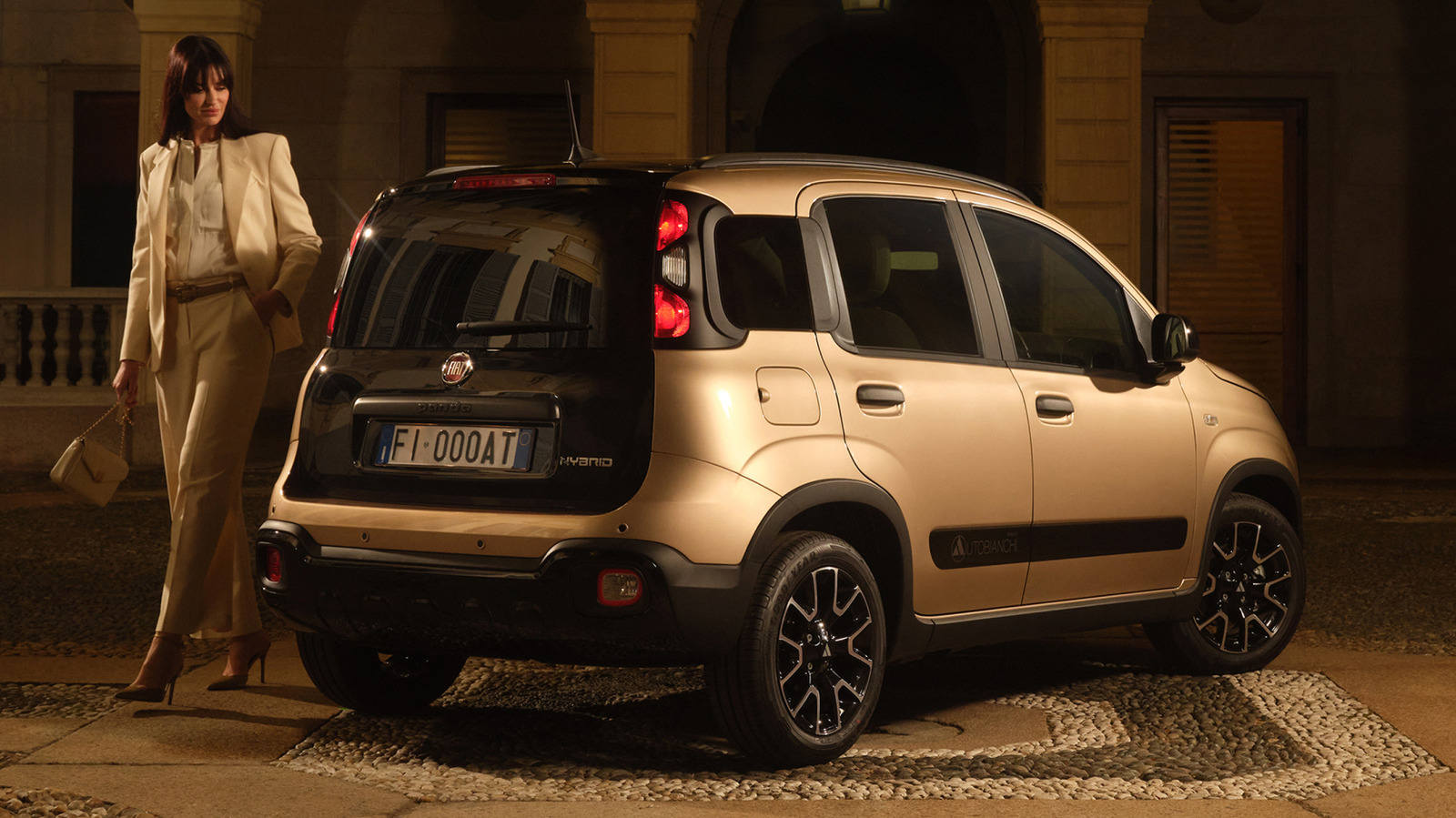
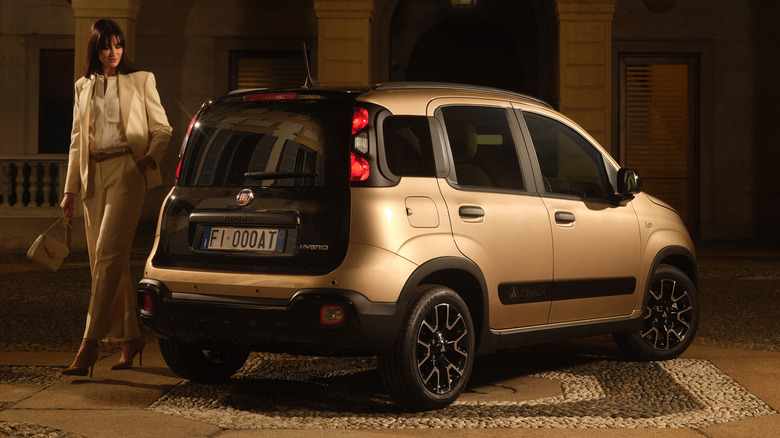
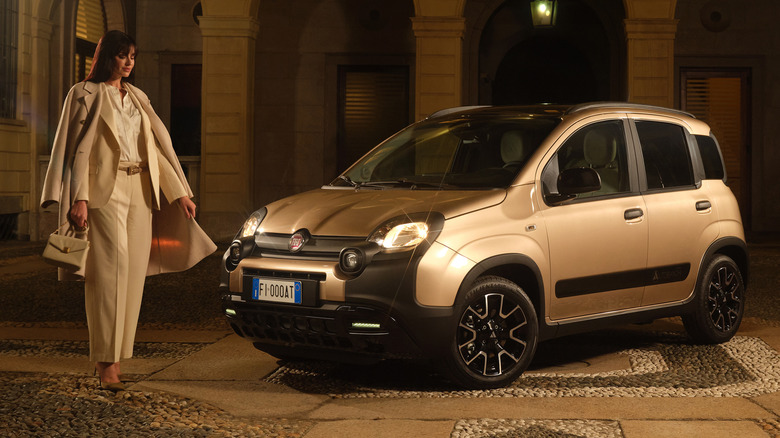
The Tributo Autobianchi, based on the current Fiat Pandina (the latest evolution of the third-generation Panda, which debuted in 2011), serves as the new flagship for the model line. It features an exclusive "Platino" exterior finish, distinctive black tailgate accents, and bespoke alloy wheels adorned with the classic Autobianchi hubcap emblem.
However, beneath the aesthetic homage lies a legal firewall. New Italian legislation has granted the government the authority to seize control of automotive trademarks that have remained dormant for five consecutive years. Reports suggest that the Italian Industry Ministry had identified the Autobianchi and Innocenti badges as prime targets, with intentions to reassign these historic names to emerging Chinese automotive manufacturers seeking to establish a production foothold on Italian soil. By placing the Autobianchi name back on a mass-produced, commercially active vehicle, Stellantis has effectively reset the five-year "use it or lose it" clock, ensuring the brand remains firmly under its stewardship.
A Chronology of a Forgotten Legend
To understand why the Autobianchi name is worth defending, one must look back at its trajectory. Founded in 1955 through a collaboration between Bianchi, Pirelli, and Fiat, Autobianchi served as a testing ground for innovative engineering and premium positioning within the Fiat Group.
- 1955–1960s: Autobianchi gains fame with the Bianchina, a microcar based on the Fiat 500 but marketed as a more upscale, refined alternative.
- 1985: The birth of the Y10. This model was a revolutionary "city car" that utilized the architecture of the original Fiat Panda but introduced a high-end interior and a sophisticated design that set the stage for the modern supermini.
- 1996: The final Autobianchi Y10 rolls off the production line. The brand is subsequently absorbed into Lancia, and the Autobianchi name effectively ceases to exist as an independent marque.
- 2026: Thirty years later, the name is revived on the Pandina Tributo. This milestone serves as both a marketing hook for the aging Pandina and a legal safeguard against the expiration of the trademark.
Supporting Data: The Enduring Success of the Pandina
Despite the third-generation Panda platform dating back to 2011, it remains a juggernaut of the European market. In the first nine months of 2026, the model achieved 100,000 registrations across Europe. Italy remains its stronghold, accounting for 86,000 of those units, consistently holding the title of the country’s best-selling vehicle.
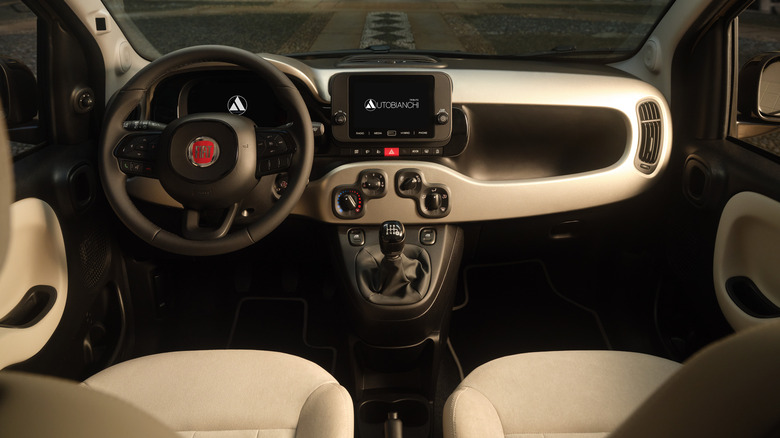
The "Tributo" edition leverages this momentum. It inherits the robust architecture of the Pandina Cross, complete with plastic body cladding and roof rails, but elevates the experience through:
- Premium Materials: Light-sand microfiber seating with "quadrettoni" patterns and headrests embroidered with the Autobianchi logo.
- Tech Integration: Bespoke welcome graphics on the instrument cluster and infotainment screens.
- Performance: A familiar 1.0-liter three-cylinder mild-hybrid powertrain, delivering 69 hp (51 kW) through a six-speed manual gearbox. While it mimics the look of an off-roader, it remains a front-wheel-drive city vehicle, optimized for urban efficiency rather than technical trail climbing.
Official Responses and Industry Context
Stellantis has remained relatively tight-lipped regarding the legal maneuvering behind the scenes, opting to frame the release as an homage to Italian design. A spokesperson for the company noted that the Tributo Autobianchi is designed to "celebrate the DNA of Italian city cars," drawing a direct line between the 1985 Y10 and the current Pandina.
However, industry analysts see through the marketing gloss. Marco Rossi, an automotive legal consultant based in Milan, explains: "The Italian government’s recent legislative shift regarding ‘ghost’ trademarks is a clear signal that they want to capitalize on historical value. If a company isn’t using a name, the state believes it shouldn’t be allowed to hoard it. Stellantis is acting with extreme prudence. By putting an Autobianchi badge on a car that is selling thousands of units a month, they make it impossible for the state to claim the trademark is abandoned."
This tension highlights a broader conflict between European legacy manufacturers and the influx of Chinese investment. Italy, eager to increase domestic vehicle production, has been courting various Chinese brands. If those brands can acquire a "heritage" Italian name, it provides an instant bridge to consumer trust—a shortcut that Stellantis is clearly desperate to deny them.
Implications for the Future of Automotive Heritage
The implications of the Tributo Autobianchi are far-reaching. First, it changes how legacy manufacturers manage their portfolios. We are likely to see a flurry of "special editions" across the industry as other brands with dormant nameplates—such as Innocenti, De Tomaso, or even lesser-known divisions—are forced to keep their trademarks active through similar "legal-compliance" models.
Second, this move underscores the continued dominance of the ICE (Internal Combustion Engine) platform in the city car segment. Despite the aggressive push toward full electrification, the success of the Pandina proves that there is still a massive, price-sensitive market that prefers proven, hybrid, or traditional internal combustion technology. By keeping the Pandina alive and wrapping it in high-value historical branding, Stellantis is effectively milking a cash cow that requires little R&D investment while protecting the corporate intellectual property of its parent company.
Finally, for the consumer, the Tributo Autobianchi offers a tangible piece of history. While it may be, as some critics point out, a "15-year-old car in a fancy suit," it is also a highly reliable, culturally significant vehicle. Priced at roughly €15,400, it offers a level of emotional resonance that most modern, sterile electric vehicles struggle to replicate.
Conclusion: The Strategic Value of Nostalgia
The Fiat Pandina Tributo Autobianchi is a masterclass in corporate survival. By blending the commercial necessity of maintaining a sales leader with the legal imperative of trademark protection, Stellantis has created a product that serves two masters. It is a vehicle that satisfies the consumer’s desire for a premium, heritage-inspired city car while simultaneously blocking the ambitions of external competitors looking to hijack Italy’s automotive legacy.
As the industry continues to consolidate and shift toward electrification, the value of a brand’s history becomes an increasingly precious commodity. The Tributo Autobianchi proves that in the modern automotive world, the most powerful tool in a manufacturer’s kit is not just the engine under the hood, but the name on the badge. By keeping the Autobianchi flame alive—even if it is just a flicker on the dashboard of a small city car—Stellantis has ensured that the history of one of Italy’s greatest carmakers remains under its own control, ready for whatever the future may hold. Whether or not this becomes a trend for other manufacturers remains to be seen, but one thing is certain: the era of the "ghost trademark" is rapidly coming to an end.
