

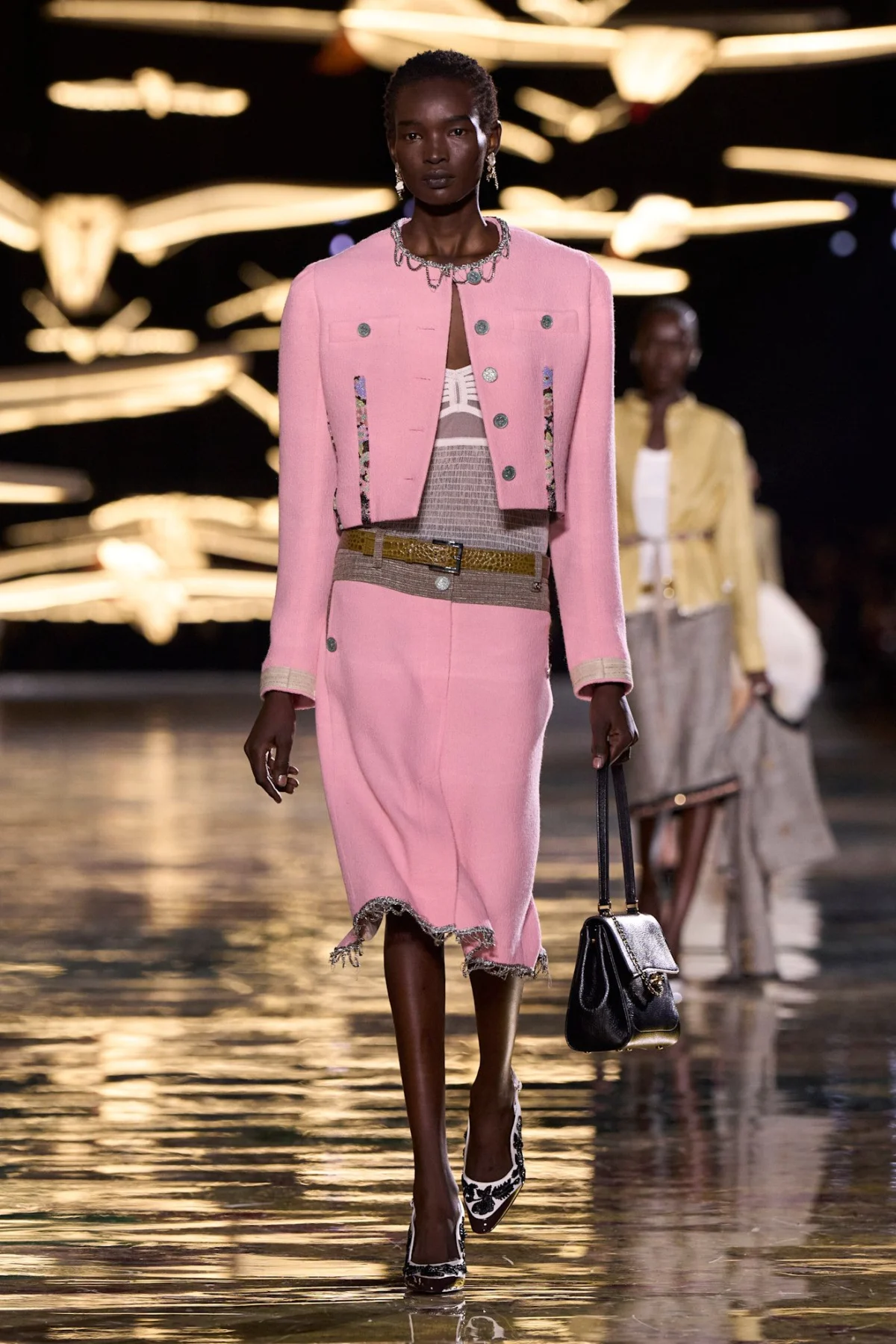
If the recent Spring/Summer 2027 runways in Milan are any indication, the era of the ubiquitous, oversized trouser may finally be reaching its sunset. As the fashion industry looks toward a future defined by sharper lines and intentional tailoring, one garment has emerged as the clear victor of the season: the pencil skirt.
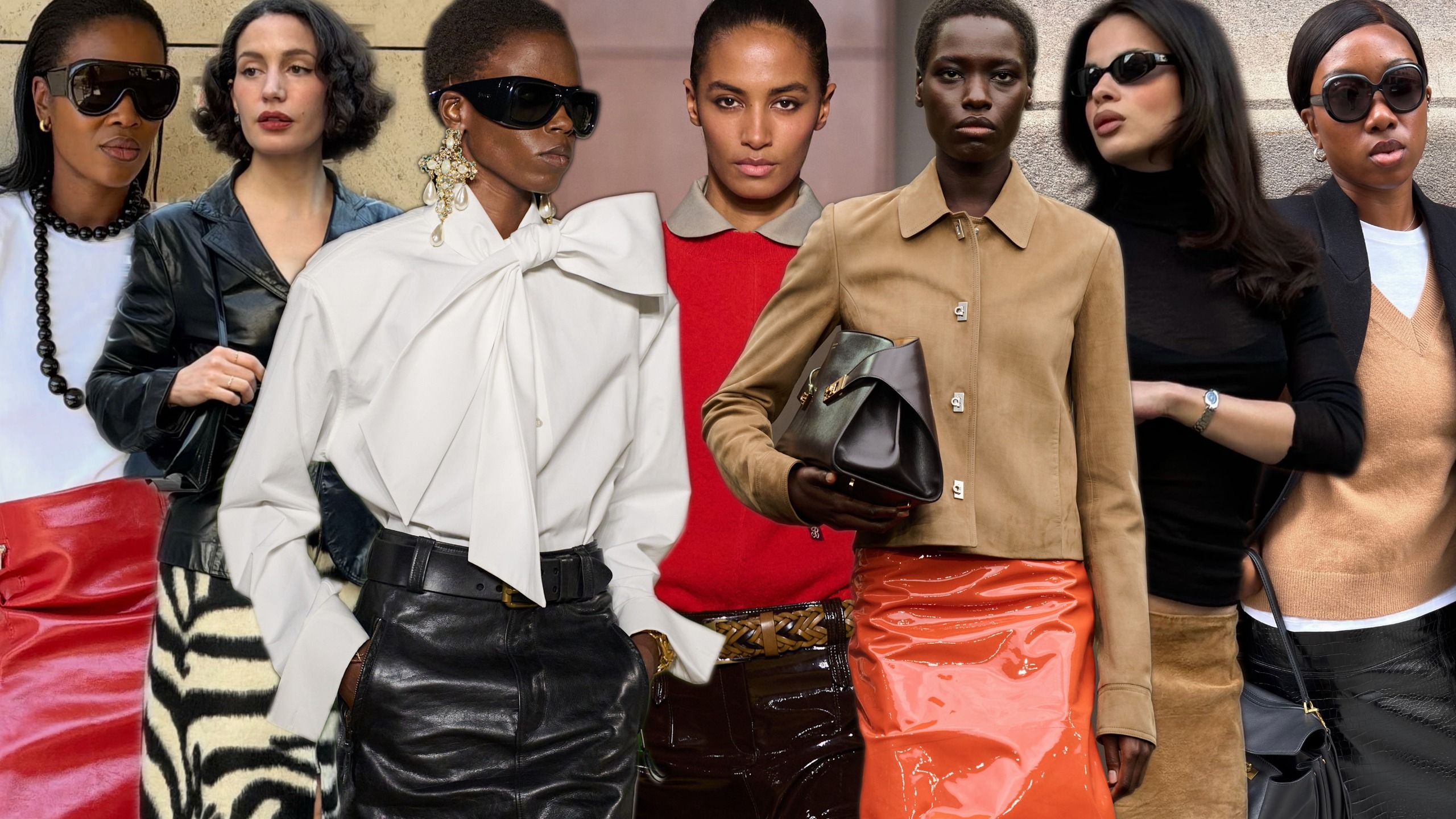
At the center of this shift is Prada’s S/S 27 collection, aptly titled "The Skirt." The show, which featured 63 distinct looks, served as a masterclass in versatility, showcasing the pencil skirt in every conceivable iteration—from classic, office-ready wool to experimental leather and avant-garde, pleated variations. This is not merely a fleeting trend; it is a profound pivot in the global sartorial psyche, signaling a move away from the comfort-first aesthetic of the early 2020s toward a more polished, structured silhouette.
A Chronology of the Skirt: From Necessity to Cultural Cachet
The pencil skirt’s resurgence is a story of cyclical history. While fashion is notoriously fickle, the pencil skirt possesses a unique longevity that allows it to survive the most aggressive trend cycles.
To understand its current dominance, one must look back at its origins. Popularized in the 1990s by the titans of minimalism—Jil Sander, Calvin Klein, and Prada—the skirt became the uniform of the modern working woman. This period marked a pivotal shift in society: as women entered the workforce in record numbers during the 1980s and 90s, the fashion industry responded with attire that balanced professional authority with a streamlined, feminine aesthetic.
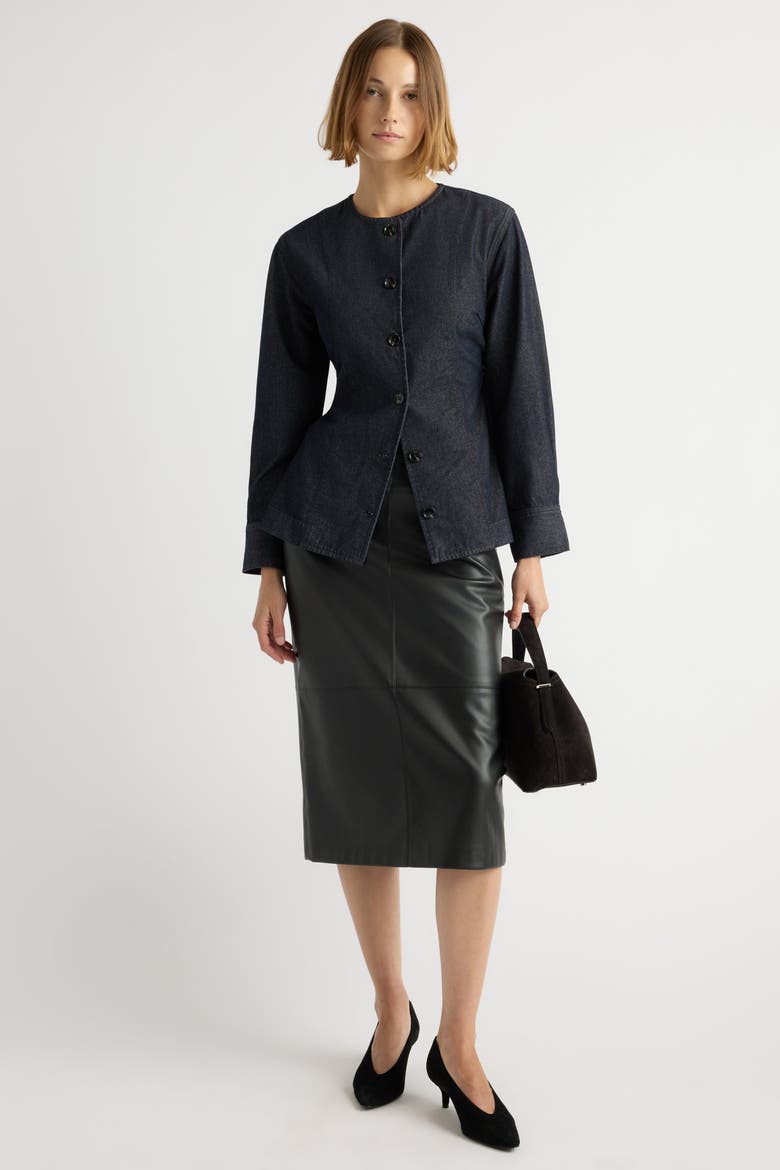
Cultural milestones have further cemented the skirt’s status. One cannot discuss the garment’s legacy without referencing The Devil Wears Prada. When the formidable Miranda Priestly demanded, "I need 10 or 15 skirts from Calvin Klein," it wasn’t just a line of dialogue; it was a defining moment for the garment’s place in the cultural imagination. That scene transformed the pencil skirt from a simple piece of clothing into an emblem of power, precision, and high-stakes ambition.
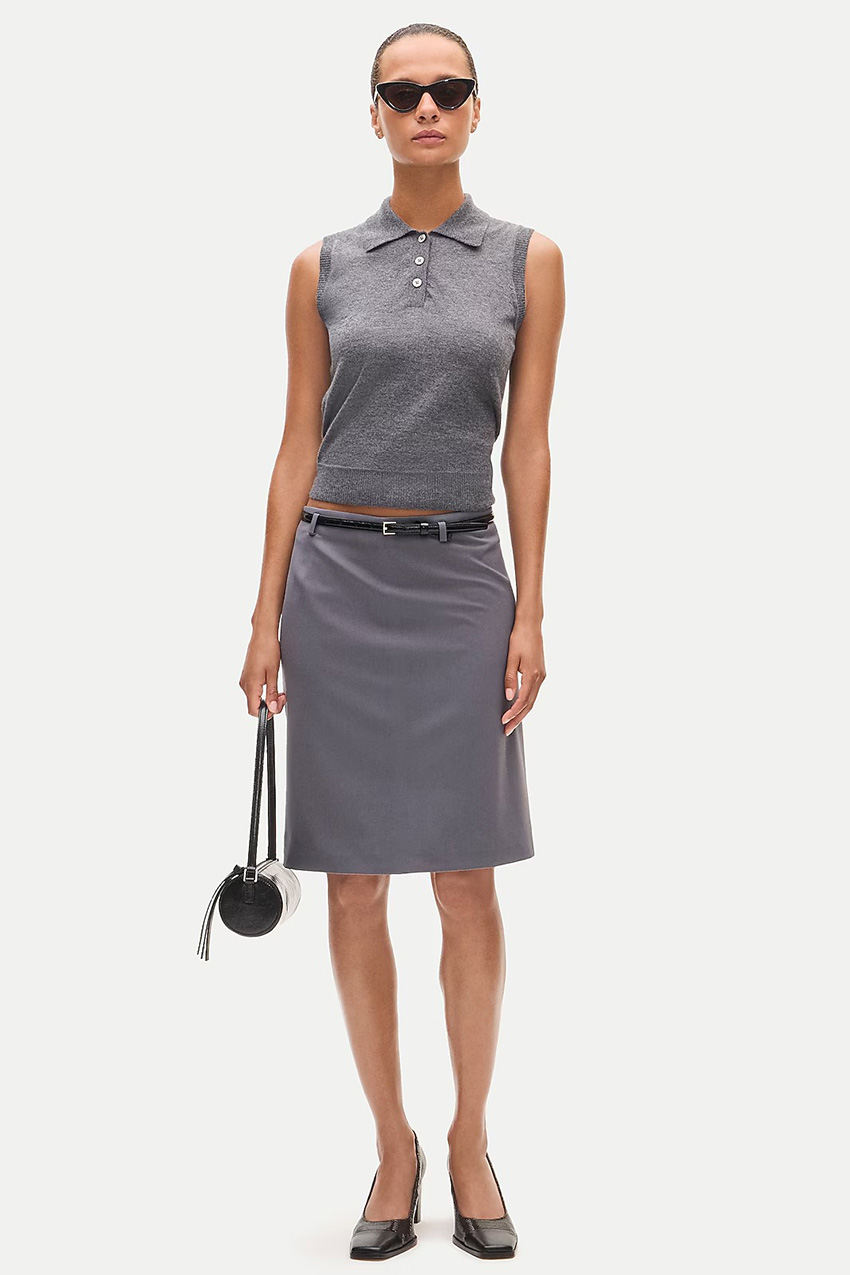
After a brief hiatus, the silhouette began its steady climb back to the top around 2025. The transition began with subtle appearances on the runway, followed by a total takeover in the 2026 and 2027 collections. Today, we are witnessing the culmination of that buildup, as the skirt has transitioned from a boardroom staple to the centerpiece of the modern wardrobe.
Supporting Data: The Economic and Societal Shift
The popularity of the pencil skirt is not merely a whim of creative directors; it is deeply rooted in broader socio-economic shifts. Historically, the demand for tailored, minimalist clothing peaks during times of economic uncertainty and professional transition.
By 1985, the number of women in the workforce reached 71%, a dramatic surge that fundamentally altered retail demand. As women sought clothing that communicated competence and poise, the pencil skirt became the default. We are seeing a parallel today. In an era where "quiet luxury" and "office siren" aesthetics have dominated the digital zeitgeist, the pencil skirt serves as the perfect vehicle for this disciplined approach to dressing.
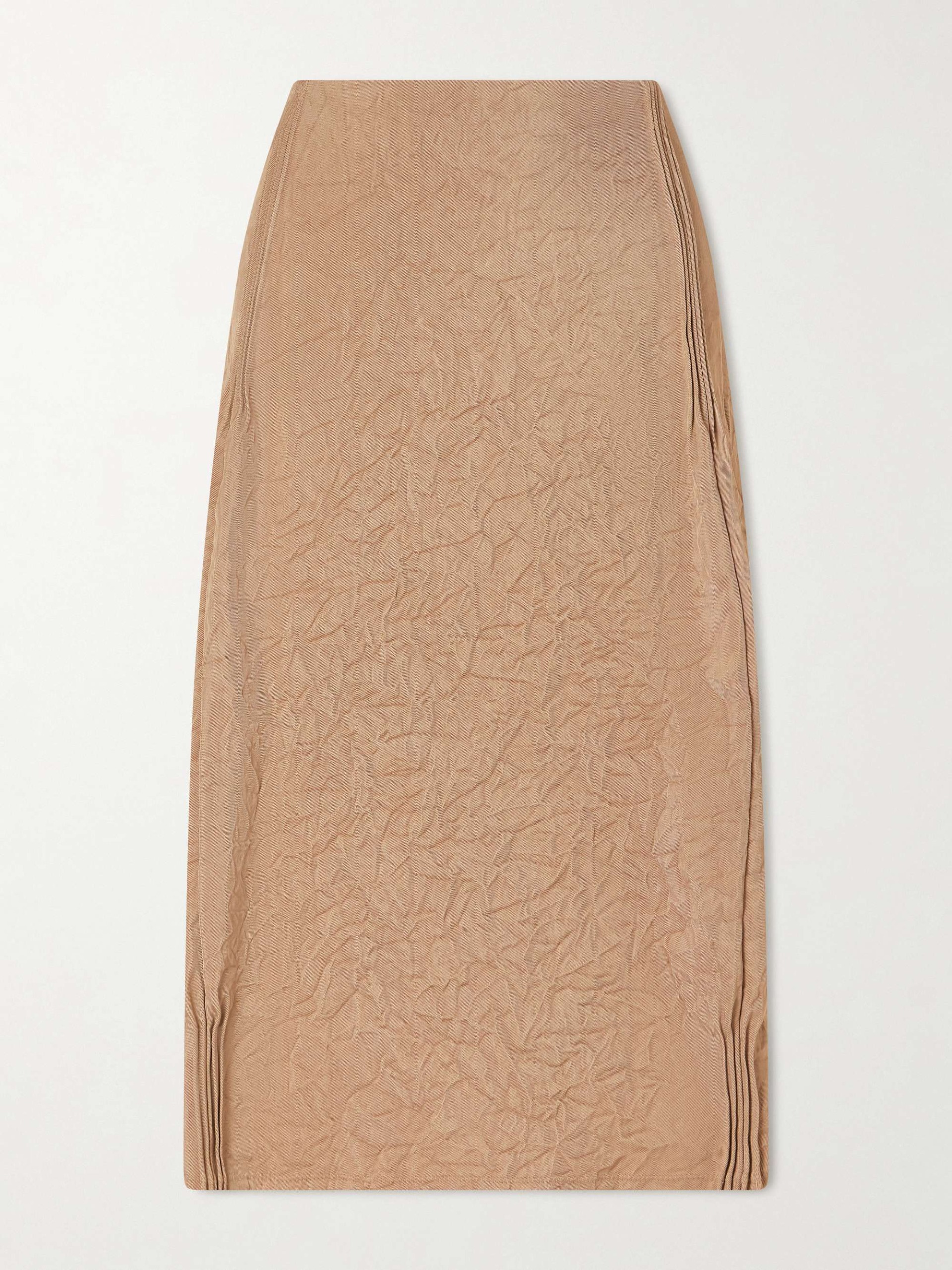
Data from the last three fashion cycles—Spring/Summer 2026, Fall/Winter 2026, and Spring/Summer 2027—confirms this trajectory. Retailers have reported a significant increase in the sell-through rate of midi-length, tailored skirts, while demand for wide-leg, slouchy trousers has begun to plateau. The "pencil" silhouette, with its clean lines and figure-hugging shape, offers a necessary counter-balance to the excess fabric that dominated the fashion landscape for the better part of the last five years.
The Design Evolution: A New Generation of Tailoring
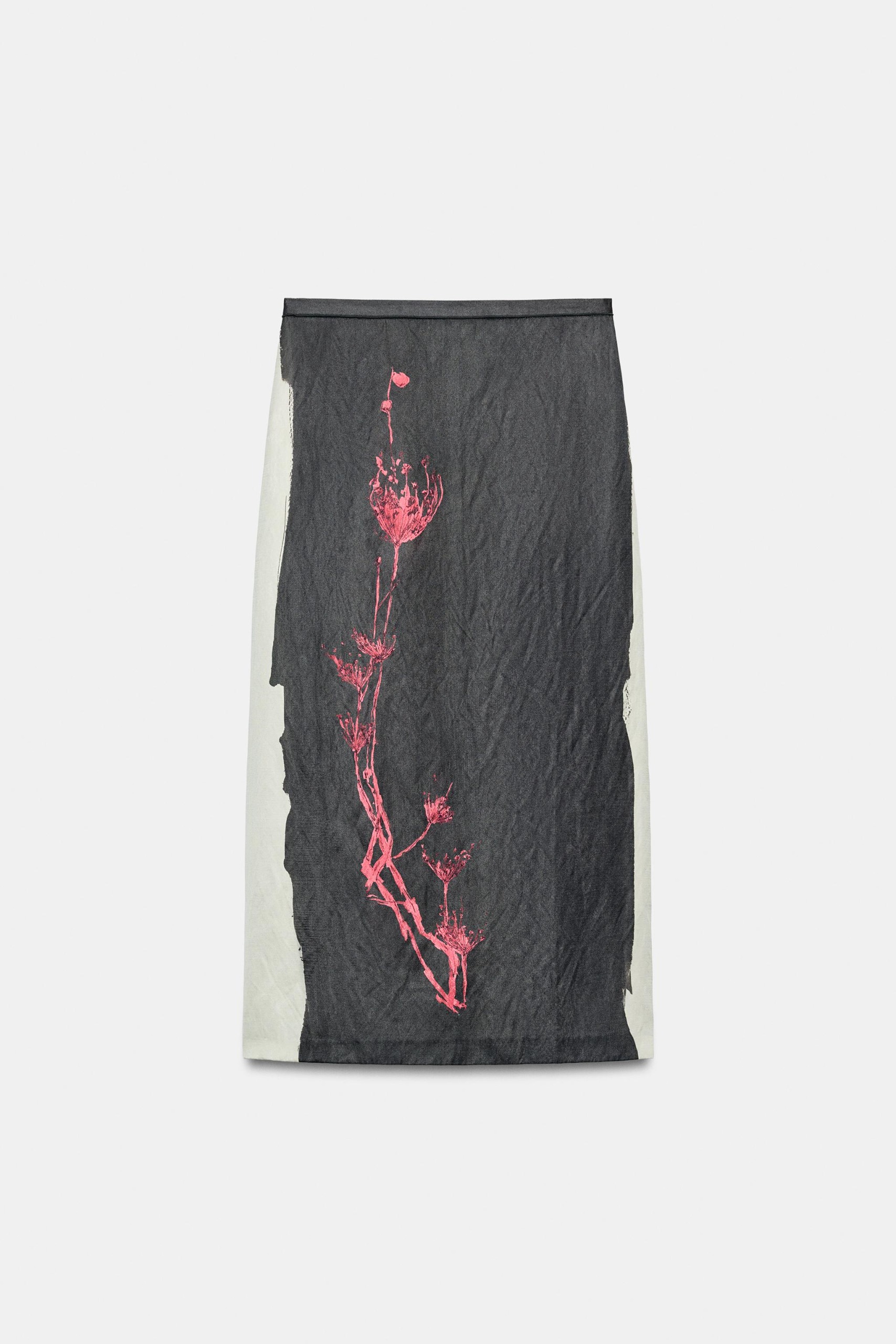
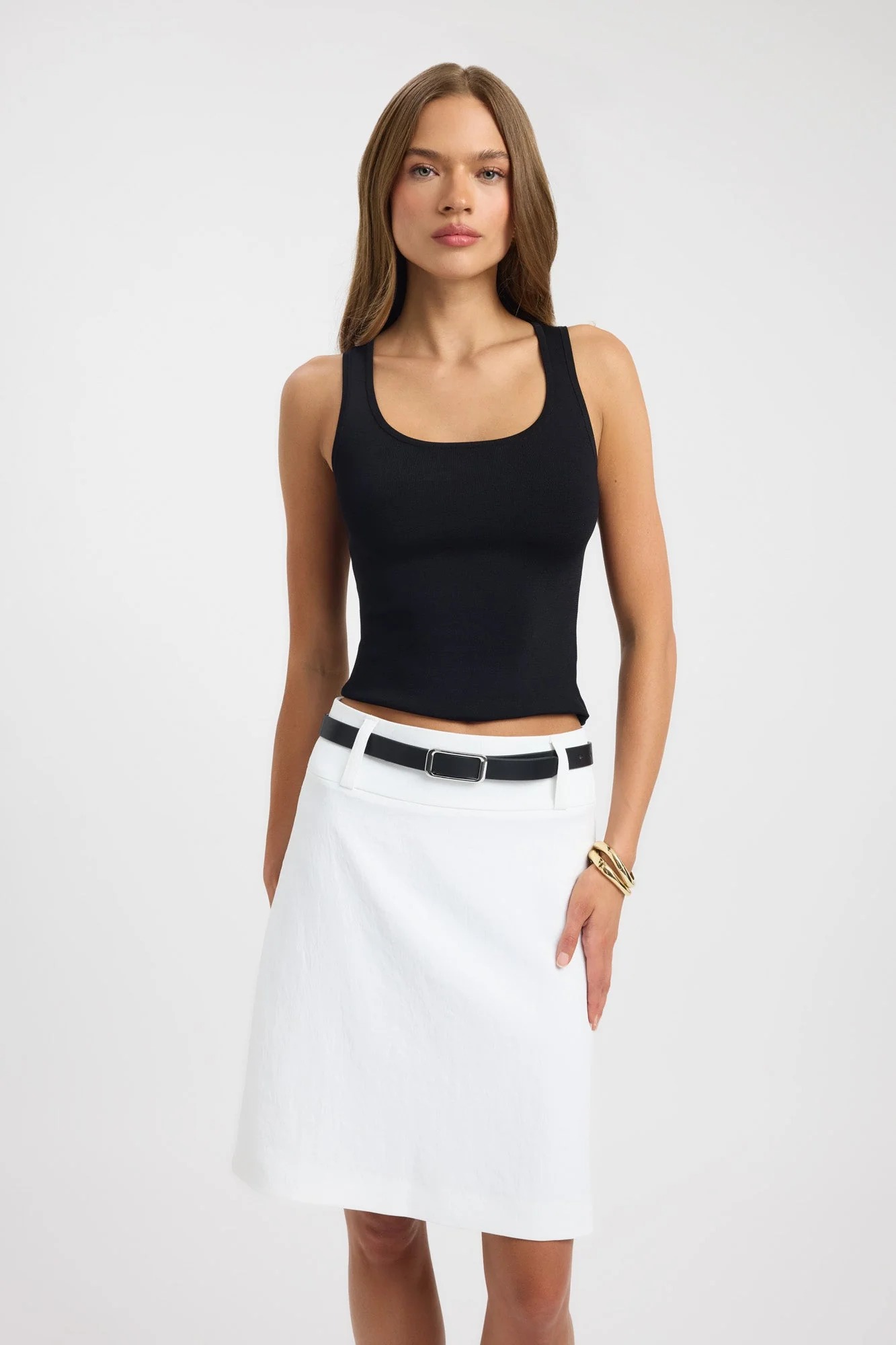
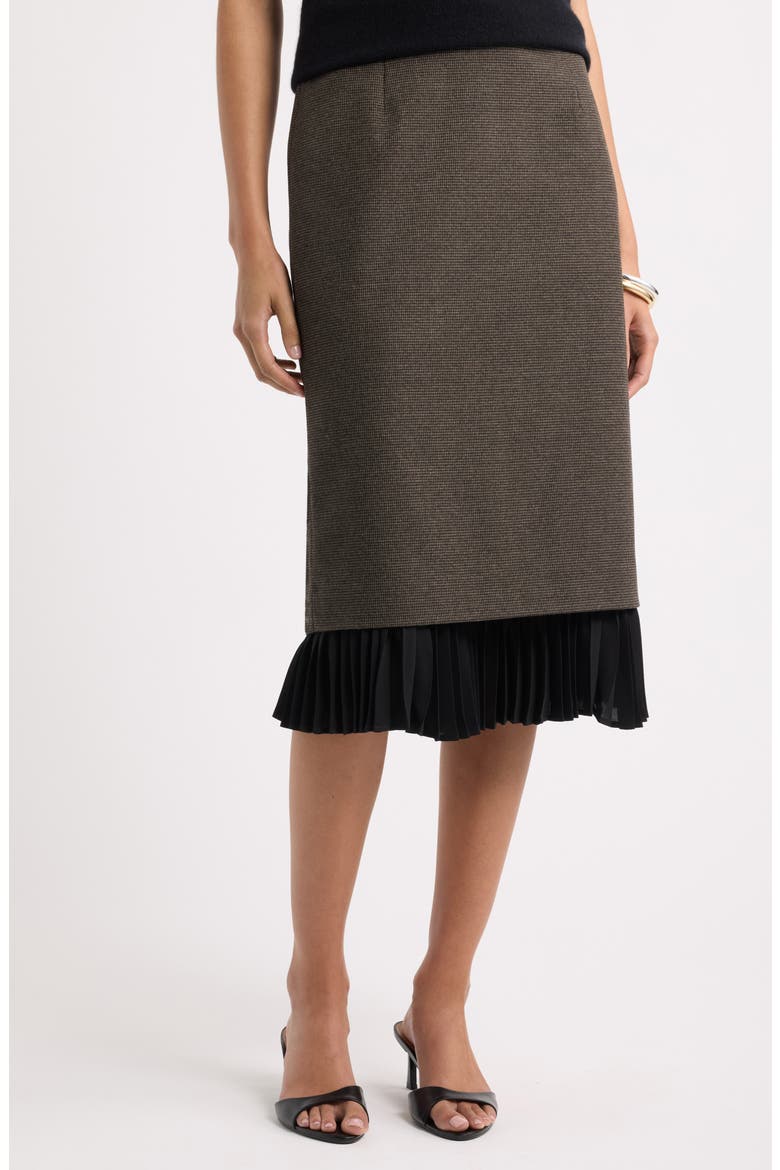
While the pencil skirt of the 90s was characterized by monochrome wool and standard cuts, the 2027 version is far more adventurous. Recent collections have seen designers experimenting with unexpected textiles and bold construction.
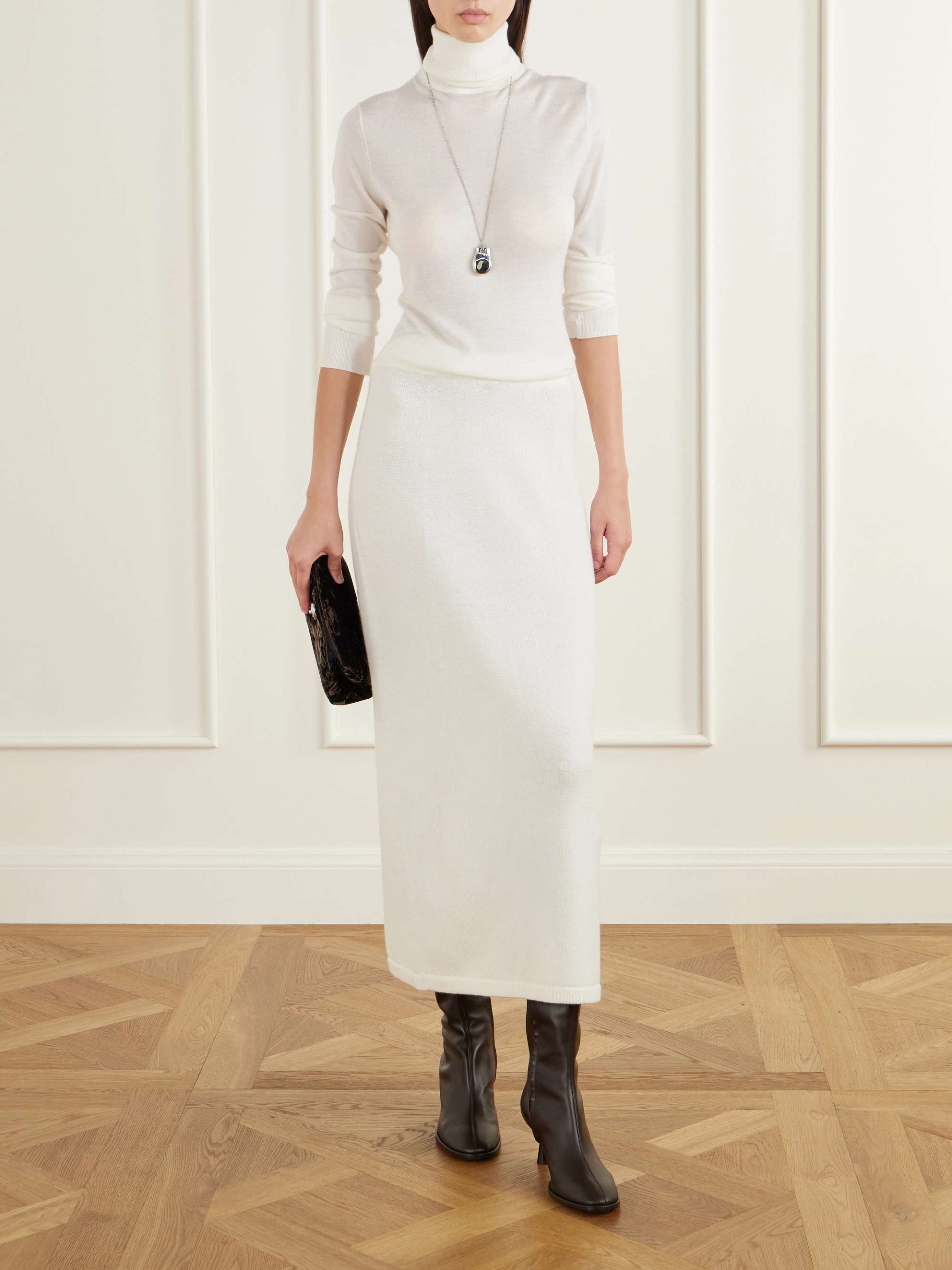
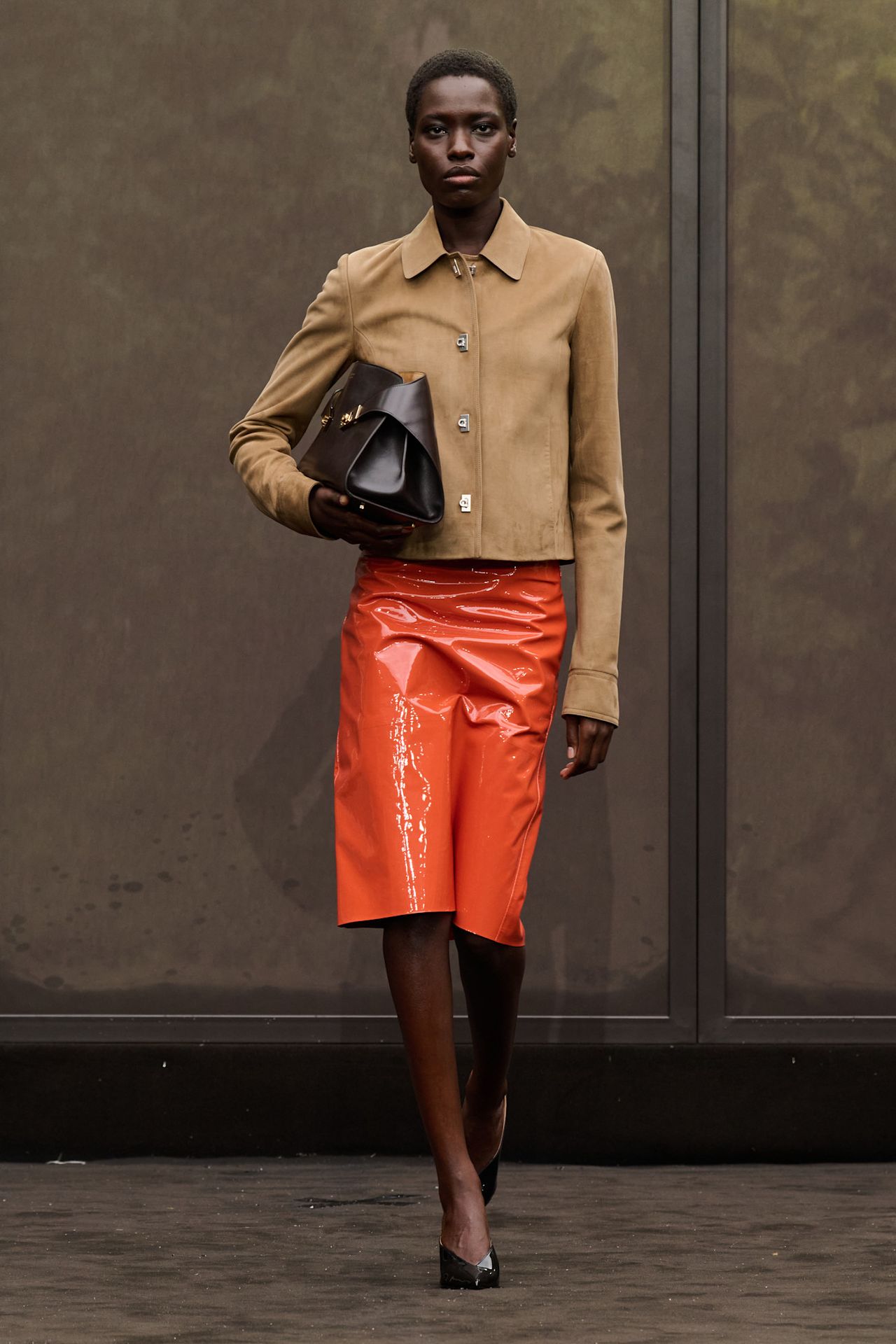
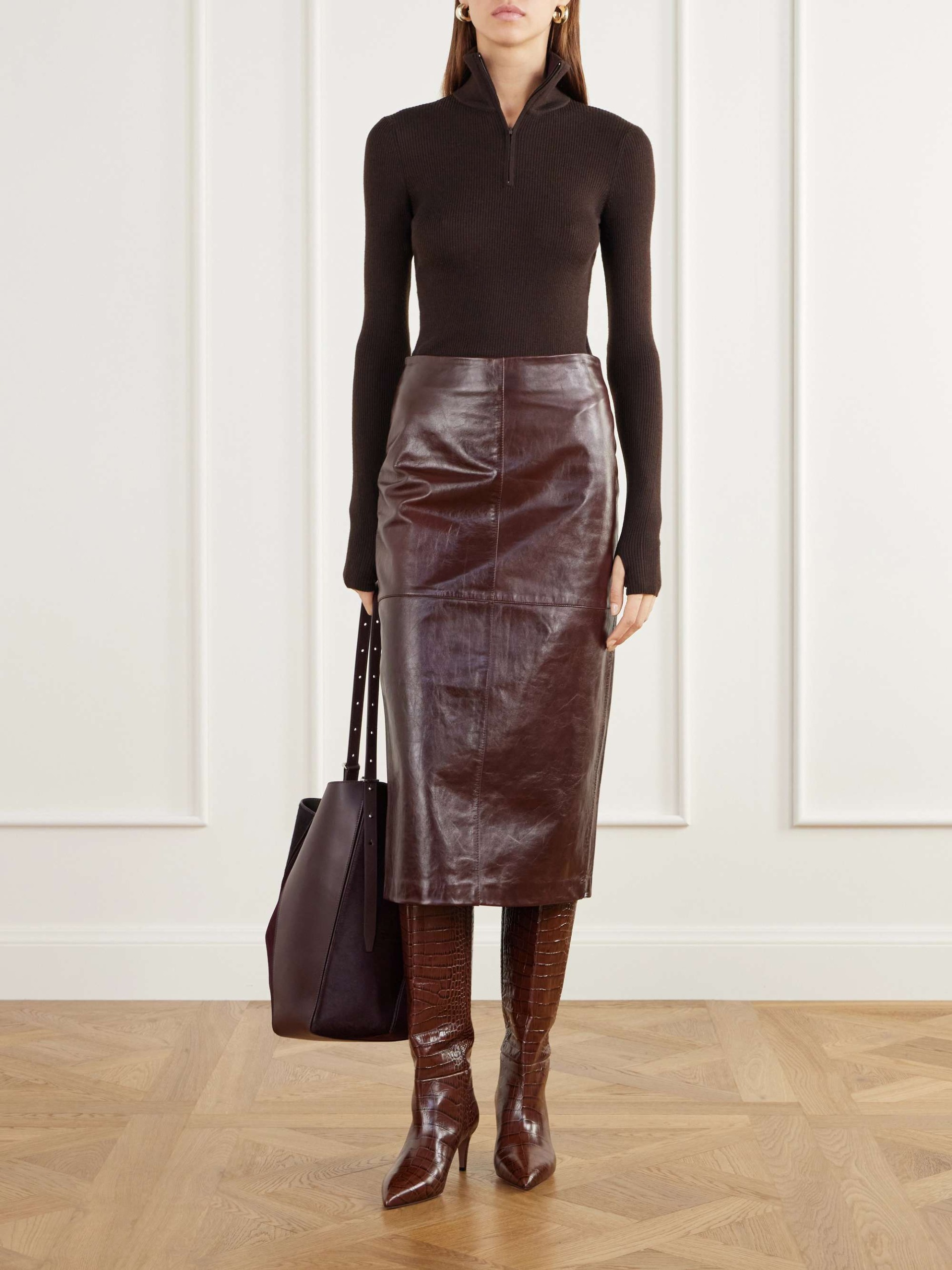
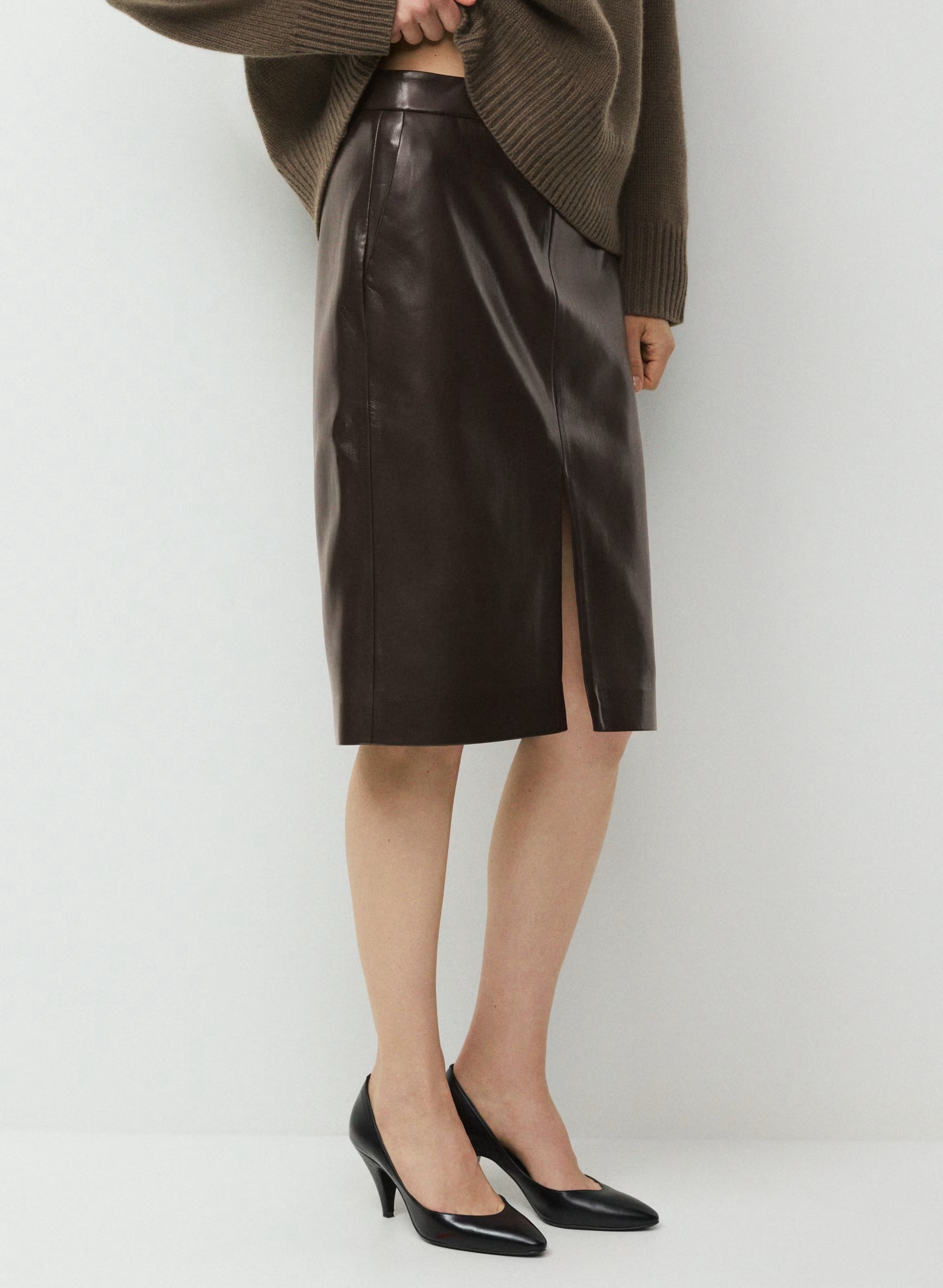
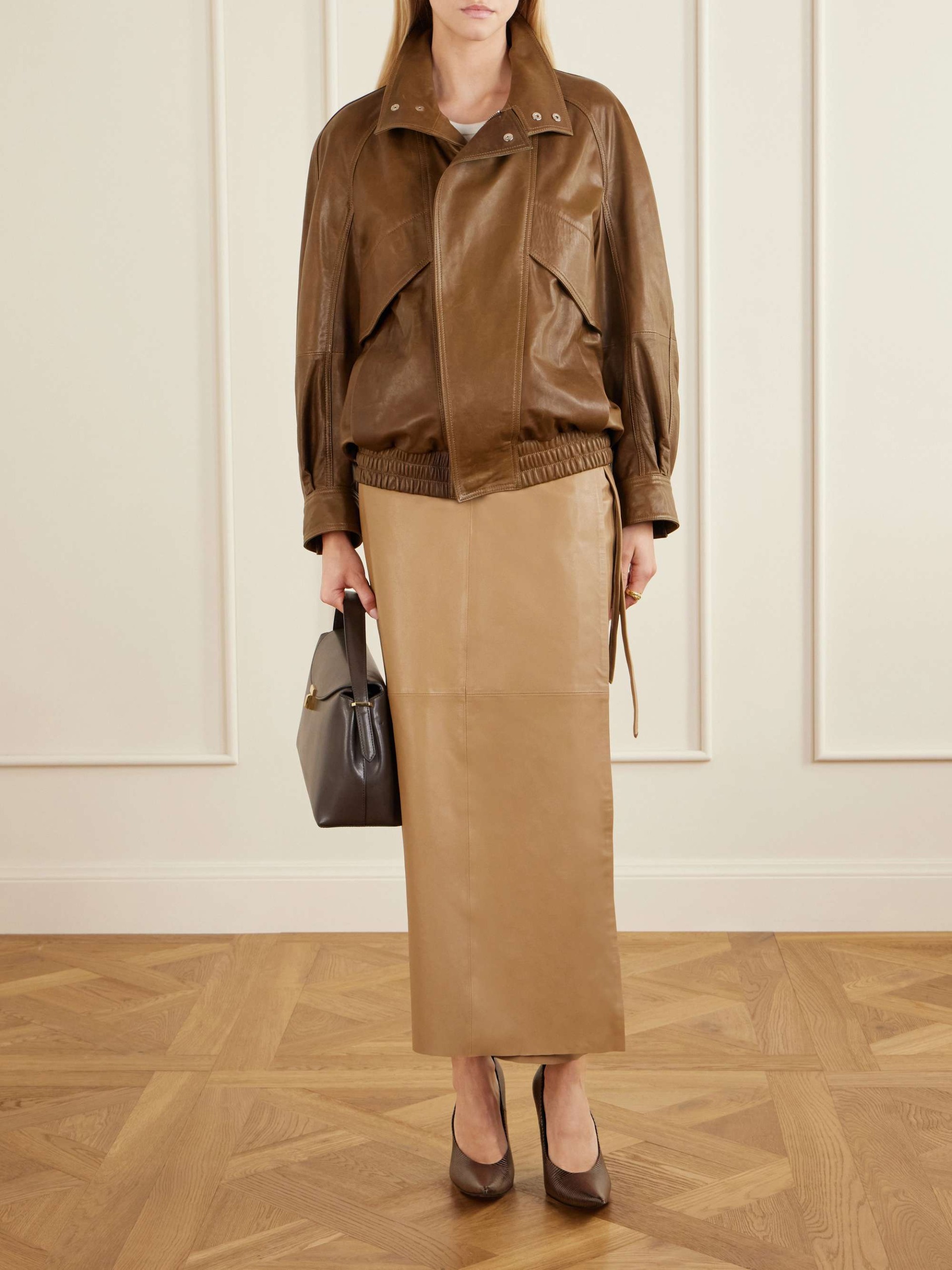
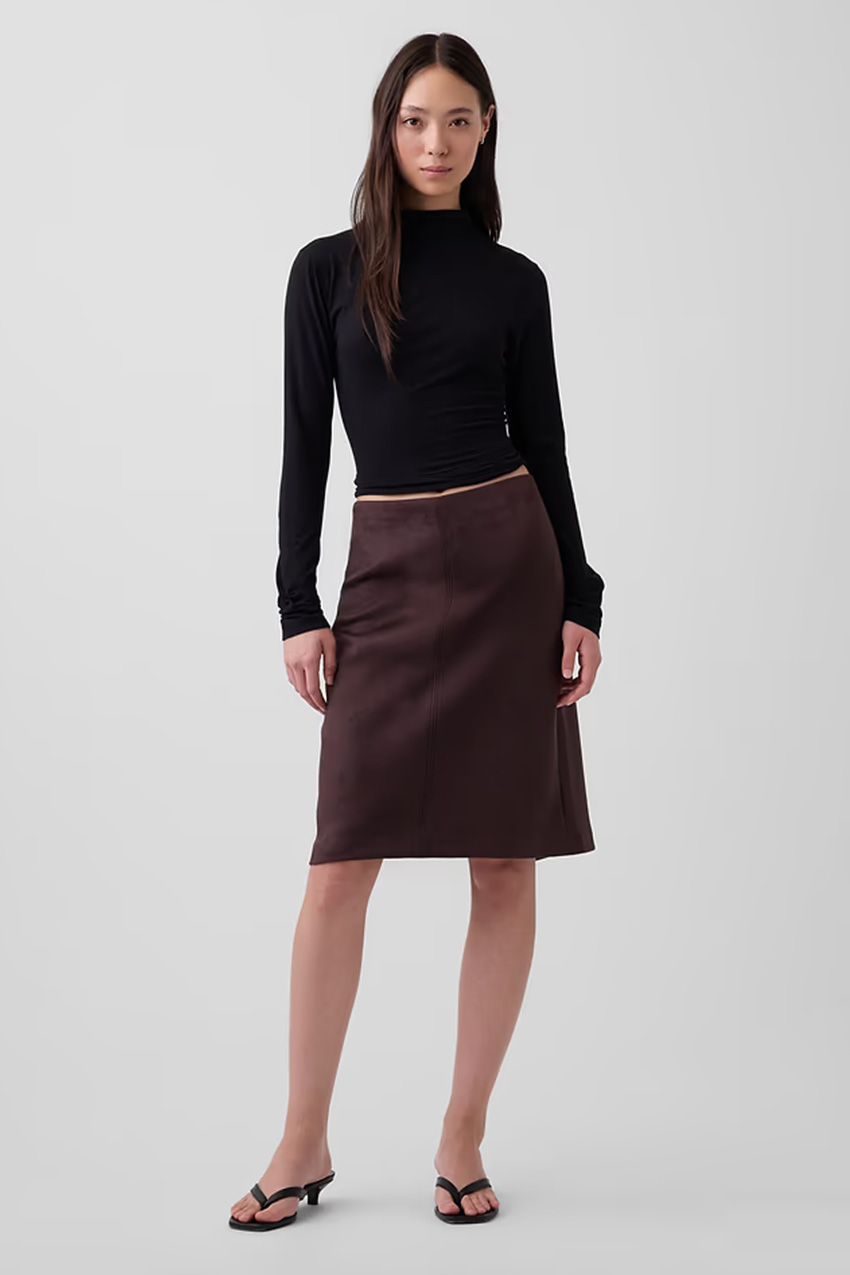
At the forefront of this evolution is the use of high-shine leather and glossy finishes. Brands like Ferragamo and Saint Laurent have successfully moved the needle by presenting the pencil skirt in rich, chocolate-brown suede and patent leather, proving that the item is as much for the weekend as it is for the office.
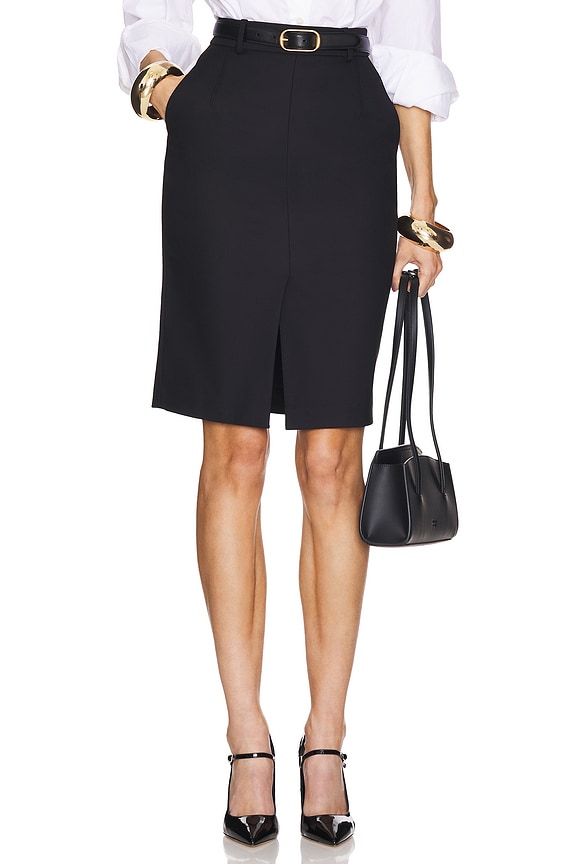
Furthermore, the integration of technology in fabric production has allowed for more comfortable, wearable versions of the skirt. With the rise of "unreal leather" and wool-cashmere blends, designers have managed to address the primary criticism of the pencil skirt: lack of mobility. Modern tailoring now emphasizes flexibility, often incorporating subtle slits, paneled wrap constructions, or elasticized waistbands that maintain the sleek look while allowing for movement.
Implications: The Death of the "Pant-First" Mentality
The rise of the skirt has significant implications for how we view the "capsule wardrobe." For nearly a decade, the trouser was the non-negotiable base of every chic outfit. The current shift suggests a move toward a more feminine, albeit structured, approach to dressing.
This transition challenges the "pant-first" mentality that has permeated street style. The implications are clear: if the skirt is to become the new default, styling must evolve. Fashion editors and stylists are now advocating for a "focal piece" approach, where the skirt is treated as the anchor of the ensemble, styled with oversized blazers, heavy knitwear, or simple, high-neck tees.
For the retail market, this means a total re-calibration of inventory. Buyers are moving away from heavy denim and cargo-inspired trousers to focus on midi-length skirts that pair equally well with sneakers for a casual, off-duty look or heels for a night out.
How to Wear It: Expert Styling Advice
If you are a self-proclaimed "pant person" struggling to make the transition, the secret lies in the styling. The modern pencil skirt is far more versatile than its rigid reputation suggests.
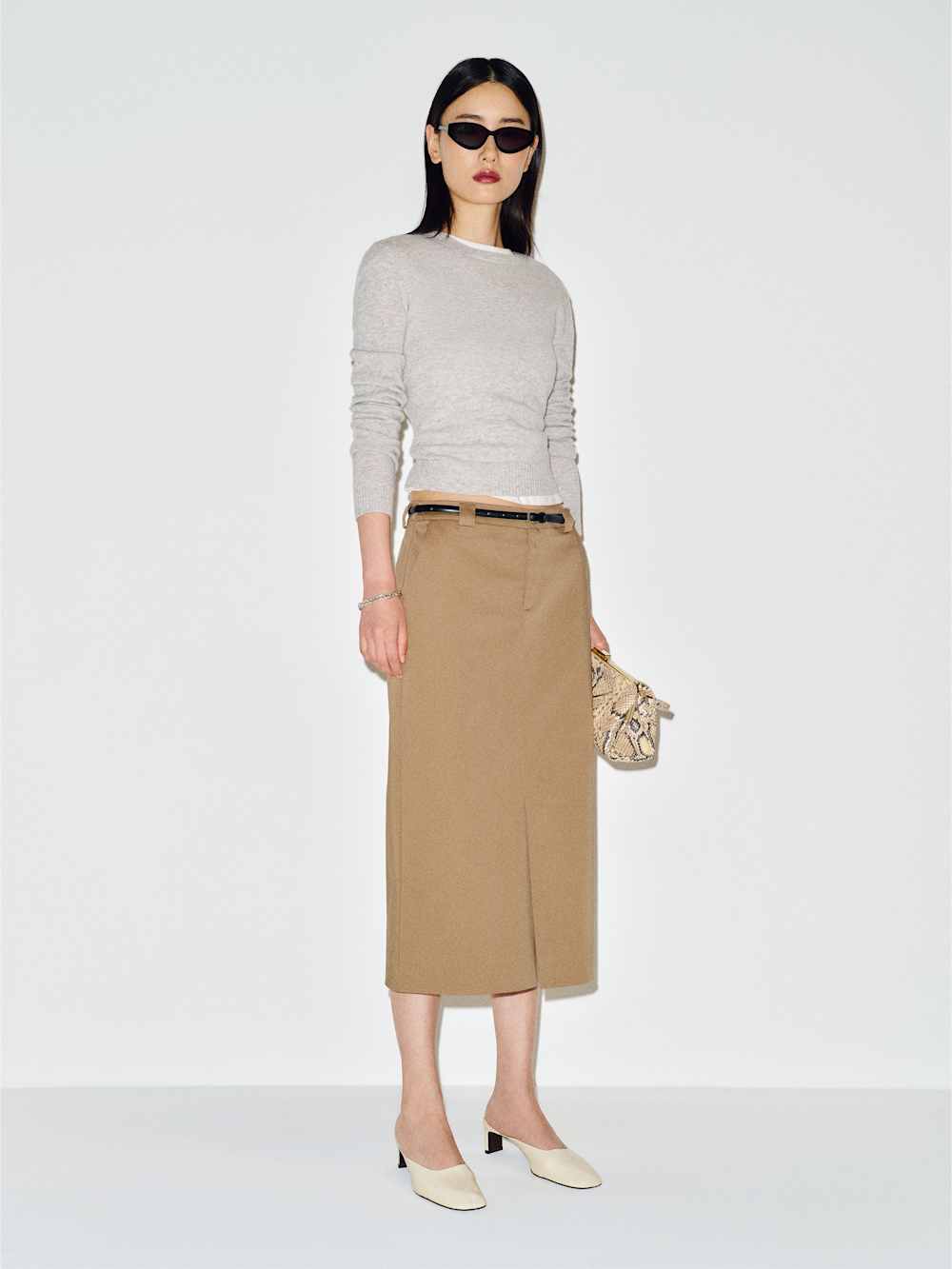
- The Professional Swap: For the office, trade your trousers for a leather or heavy-wool pencil skirt. Pair it with an oversized, structured blazer to play with proportions.
- The Off-Duty Edge: On the weekend, lean into the contrast. Style a tailored skirt with a simple, high-quality white cotton tee and a pair of minimalist sandals or ballet flats.
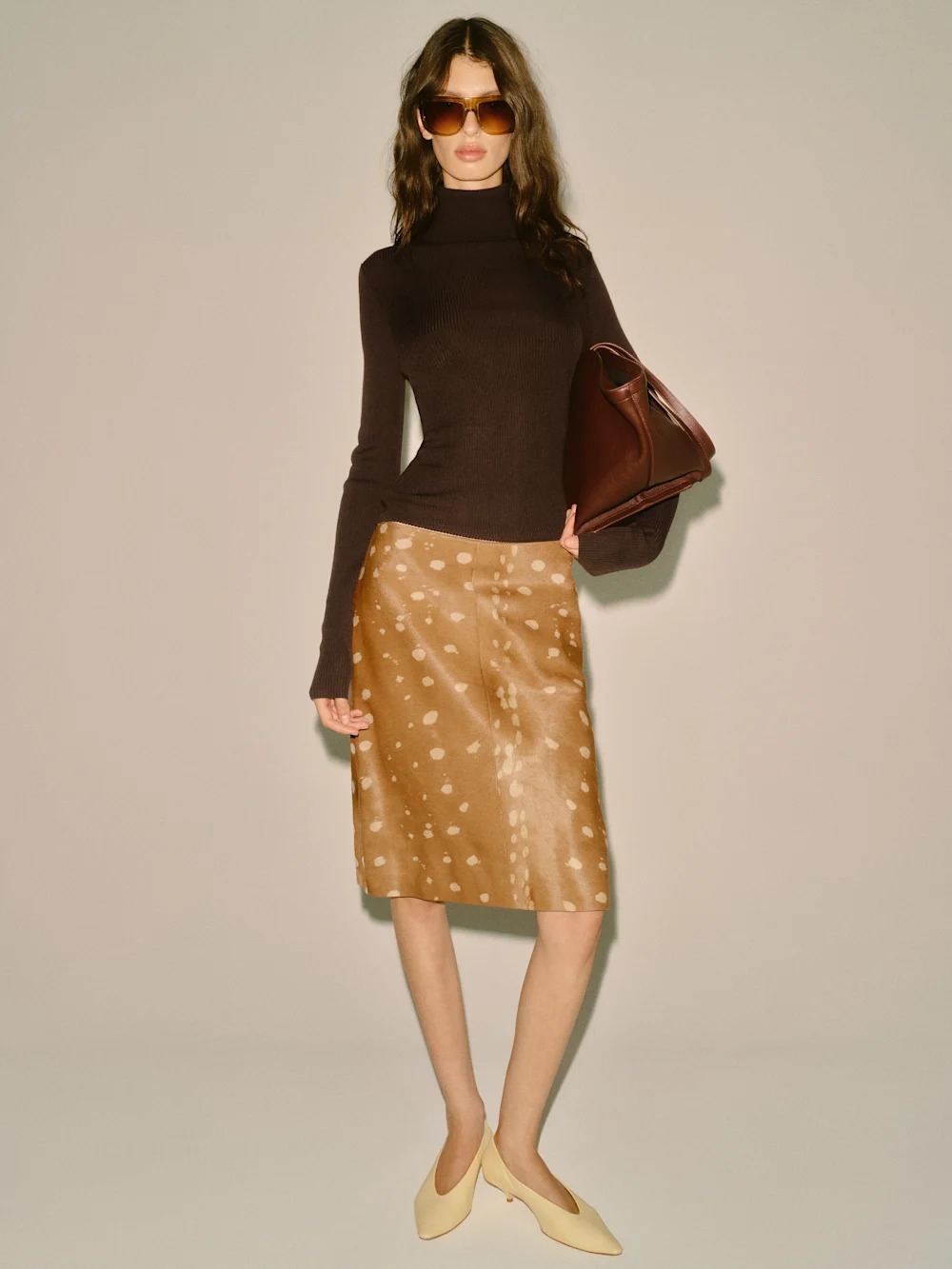
- The Focal Point: When wearing a statement skirt—such as one in a bold print, patent leather, or calf-hair—keep the rest of the outfit neutral. Let the skirt be the protagonist of your ensemble.
- Footwear Matters: The length of the skirt dictates the shoe. A knee-length skirt works beautifully with knee-high boots, while a mid-calf length is best paired with a sleek pump or a pointed-toe flat to elongate the leg.
Conclusion: A Permanent Fixture
As we navigate the remainder of the year and look toward future seasons, it is evident that the pencil skirt is not going anywhere. It has successfully bridged the gap between historical nostalgia and modern functionality.
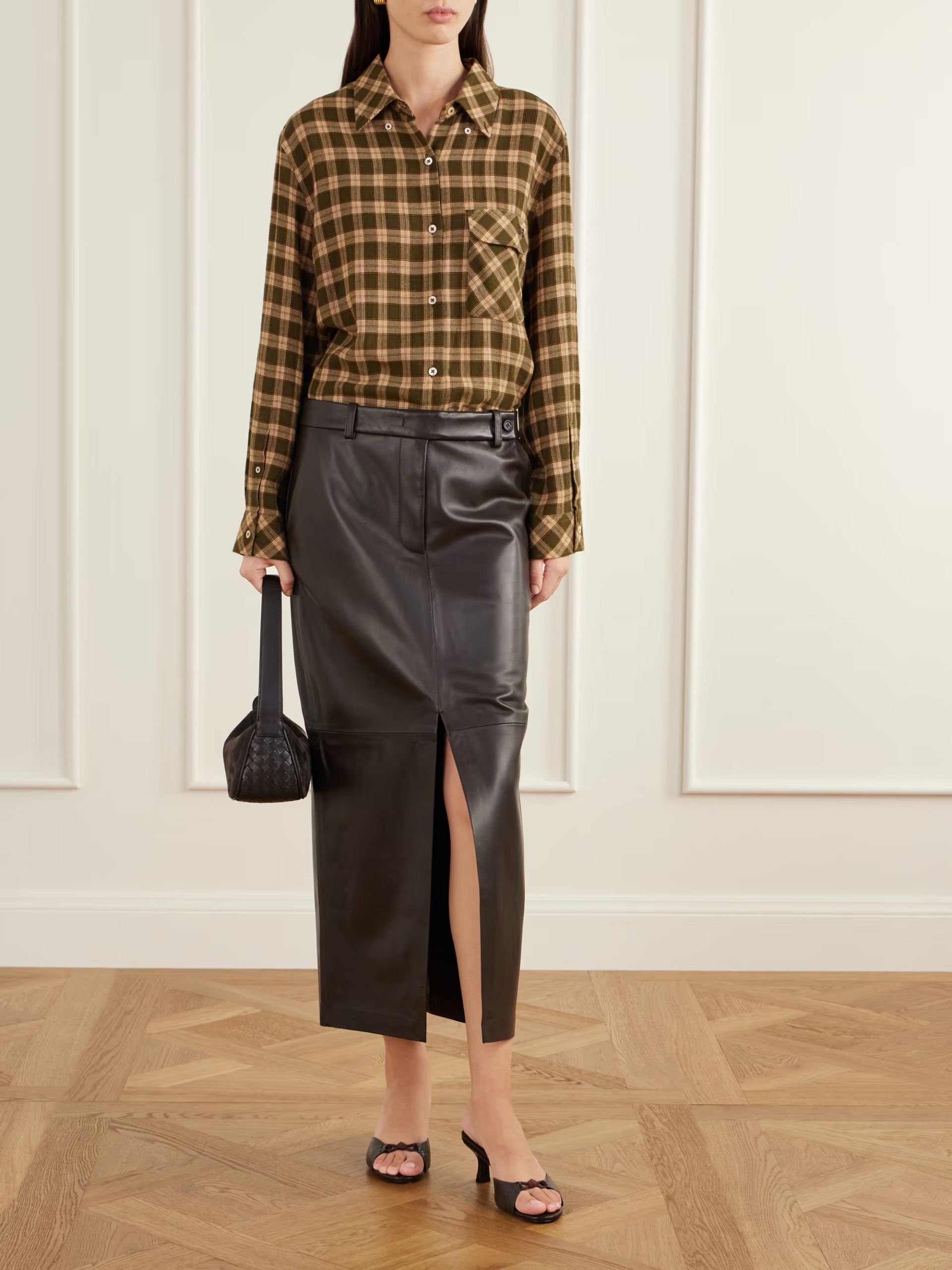
Whether you are drawn to the minimalism of the 90s or the experimental textures of the 2027 runways, there is a version of this piece for every individual. It is time to clear the closet, put the wide-leg trousers aside, and embrace the sharp, clean, and undeniably powerful silhouette of the season.
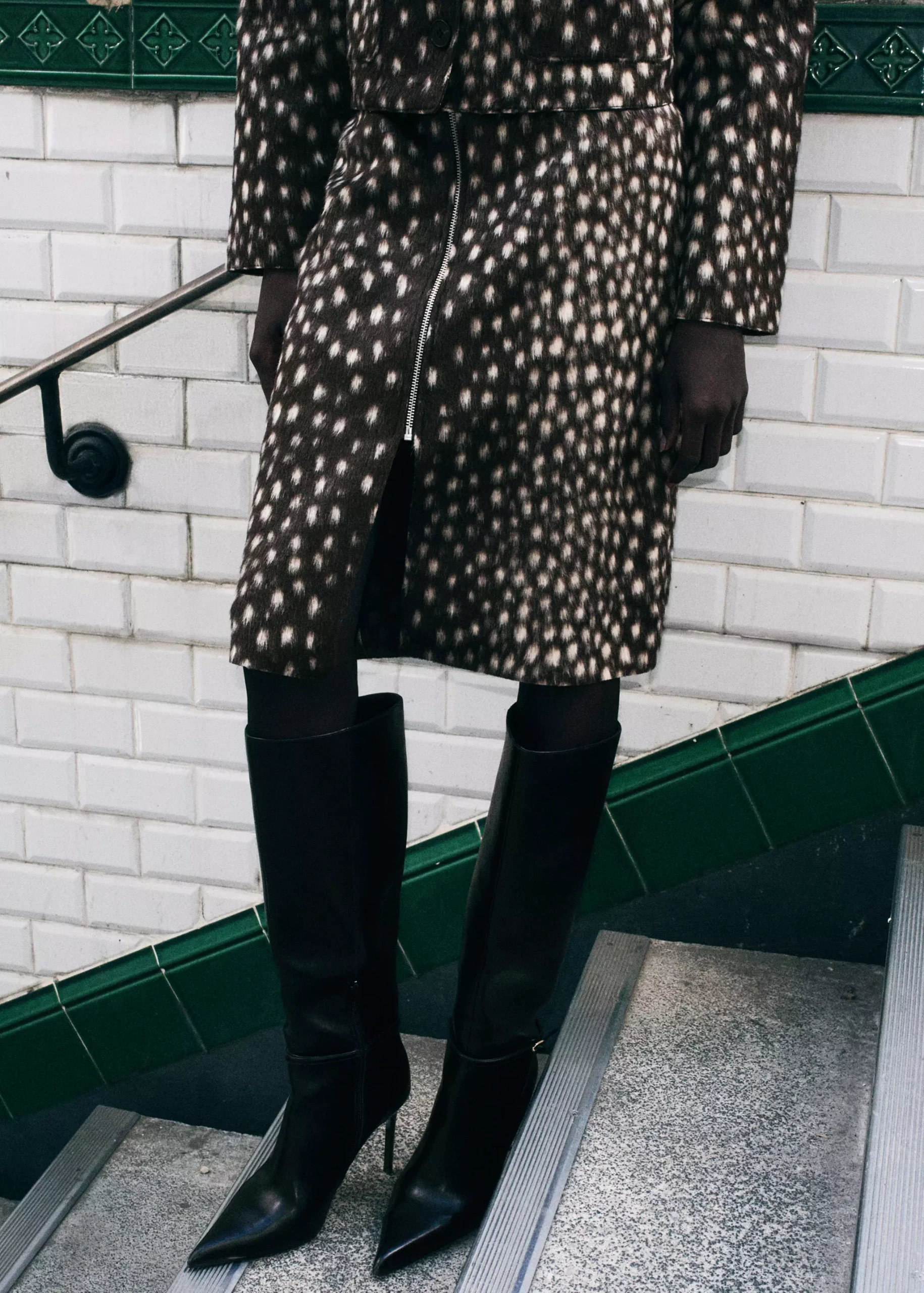
The pencil skirt has returned—and if the runways are any indication, it intends to stay. For the die-hard "pant people" among us, the time for grieving is over; it is officially time to become a "skirt person." With the sheer variety of cuts, fabrics, and price points currently hitting the market, there has never been a more accessible moment to join the movement. From luxury investments in supple leather to accessible, everyday wool-blends, the staple is waiting. The question remains: how will you style yours?
