

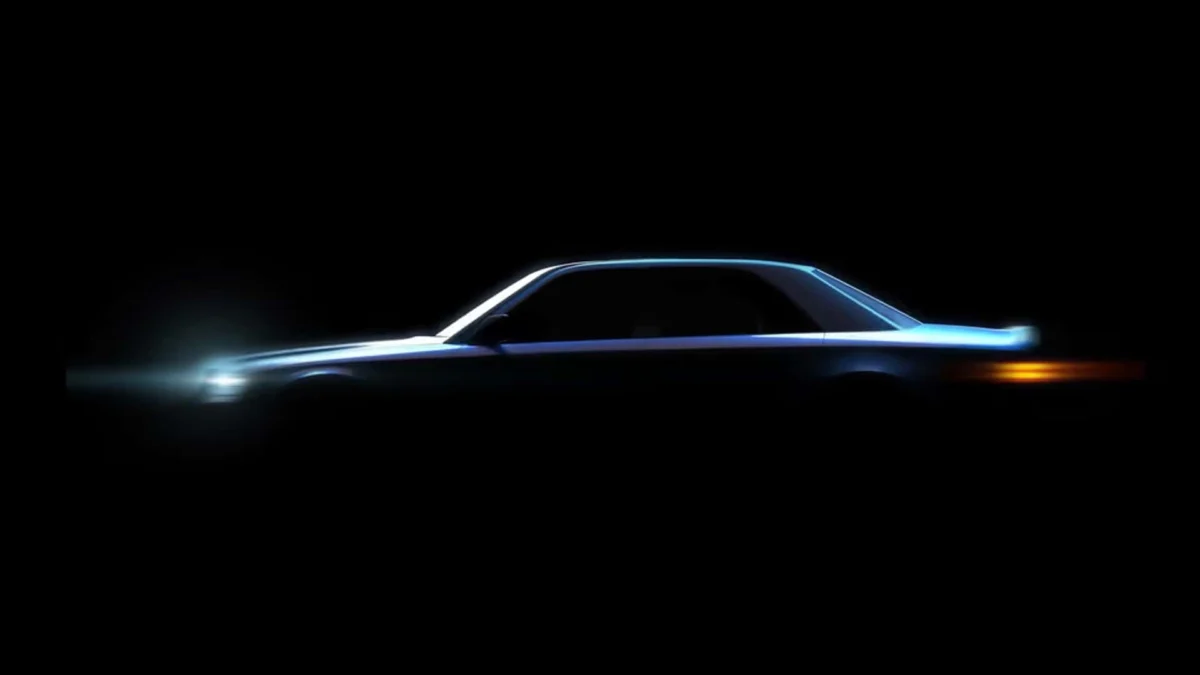
In the pantheon of automotive history, few vehicles command the same reverence as the Mercedes-AMG Hammer. It was the car that transformed AMG from a niche, boutique tuning house into the performance powerhouse we know today. Now, nearly four decades after it first shattered the conventions of the luxury sedan market, the Hammer is poised for a dramatic resurrection.
German engineering firm HWA AG, a company with deep historical ties to the roots of Mercedes performance, has begun teasing a restomod project that aims to capture the lightning-in-a-bottle spirit of the original W124-based Hammer. For enthusiasts of 1980s German engineering, this is not merely a restoration; it is a high-octane homage to an era when "performance" was defined by mechanical purity and understated brutality.
The Genesis of an Icon: How the Hammer Put AMG on the Map
To understand the magnitude of HWA’s upcoming project, one must first appreciate the legacy of the original Hammer. In the mid-1980s, Mercedes-Benz was the gold standard for luxury and build quality, but it was not widely associated with raw, visceral excitement. AMG, then an independent tuning firm, sought to change that perception.
The recipe for the original Hammer was audacious for its time. AMG took the unassuming W124-generation 300E sedan and performed open-heart surgery. They replaced the factory inline-six engine with a bored-out, 5.5-liter V8. This was not a simple engine swap; the powerplant was meticulously blueprinted, fitted with custom four-valve cylinder heads, and tuned to produce 355 horsepower and 388 pound-feet of torque.
In 1986, these figures were astronomical. With a top speed reaching 186 mph, the Hammer was faster than most contemporary Ferraris and Lamborghinis. It was a "wolf in sheep’s clothing"—a business sedan that could outrun a supercar on the Autobahn while maintaining the refined, vault-like composure of a Mercedes-Benz. It proved that AMG had the engineering prowess to stand alongside the world’s most prestigious manufacturers, eventually leading to their full integration as the official performance division of Mercedes-Benz.
Who is HWA AG? The Architects of Modern Heritage
If any entity is qualified to revive the spirit of the Hammer, it is HWA AG. Founded in 1998, the company takes its name from Hans Werner Aufrecht—the very same "A" in AMG. Aufrecht, a legendary figure in German motorsport, founded HWA to manage the racing activities of Mercedes-Benz, most notably in the DTM (Deutsche Tourenwagen Masters) series.
HWA is not a typical aftermarket tuner. They are a high-level engineering firm with an intimate knowledge of Mercedes-Benz architecture, having spent decades developing championship-winning race cars and limited-run performance vehicles for the brand.
Their recent work, particularly the HWA Evo—a radical, modernized reinterpretation of the legendary 190E 2.5-16 Evolution II—has demonstrated their ability to blend period-correct aesthetics with cutting-edge materials and performance technology. The HWA Evo was not just a car; it was a masterclass in restomod culture, proving that HWA respects the DNA of the original machines while optimizing them for modern road conditions.
Chronology of a Revival: The Evolution of the Hammer
The timeline of the Hammer’s legacy is a story of continuous engineering obsession.
- 1986: The debut of the original Mercedes-AMG Hammer based on the W124 E-Class platform. It shocks the industry by surpassing the performance of top-tier sports cars.
- 1987–1990: AMG refines the concept, offering various displacements, including 5.6-liter and 6.0-liter variants, further cementing the car’s status as the ultimate "Gentleman’s Express."
- 1999: Mercedes-Benz acquires a majority stake in AMG, formalizing the relationship that began with the Hammer.
- 2023: HWA begins teasing its "Evo" project, signaling a move toward high-end, low-volume restomods that celebrate the most significant cars in Mercedes history.
- 2024: Following the successful reception of the HWA Evo at events like the Goodwood Festival of Speed, HWA drops cryptic teasers featuring the silhouette of a W124 sedan, confirming that the Hammer is next in line for the HWA treatment.
Supporting Data: Why the W124 Platform Remains the Benchmark
The W124 chassis is widely considered one of the most robust and over-engineered platforms ever produced by Mercedes-Benz. Designed during an era when the company’s motto was "the best or nothing," the chassis features a sophisticated multi-link rear suspension that was decades ahead of its time.
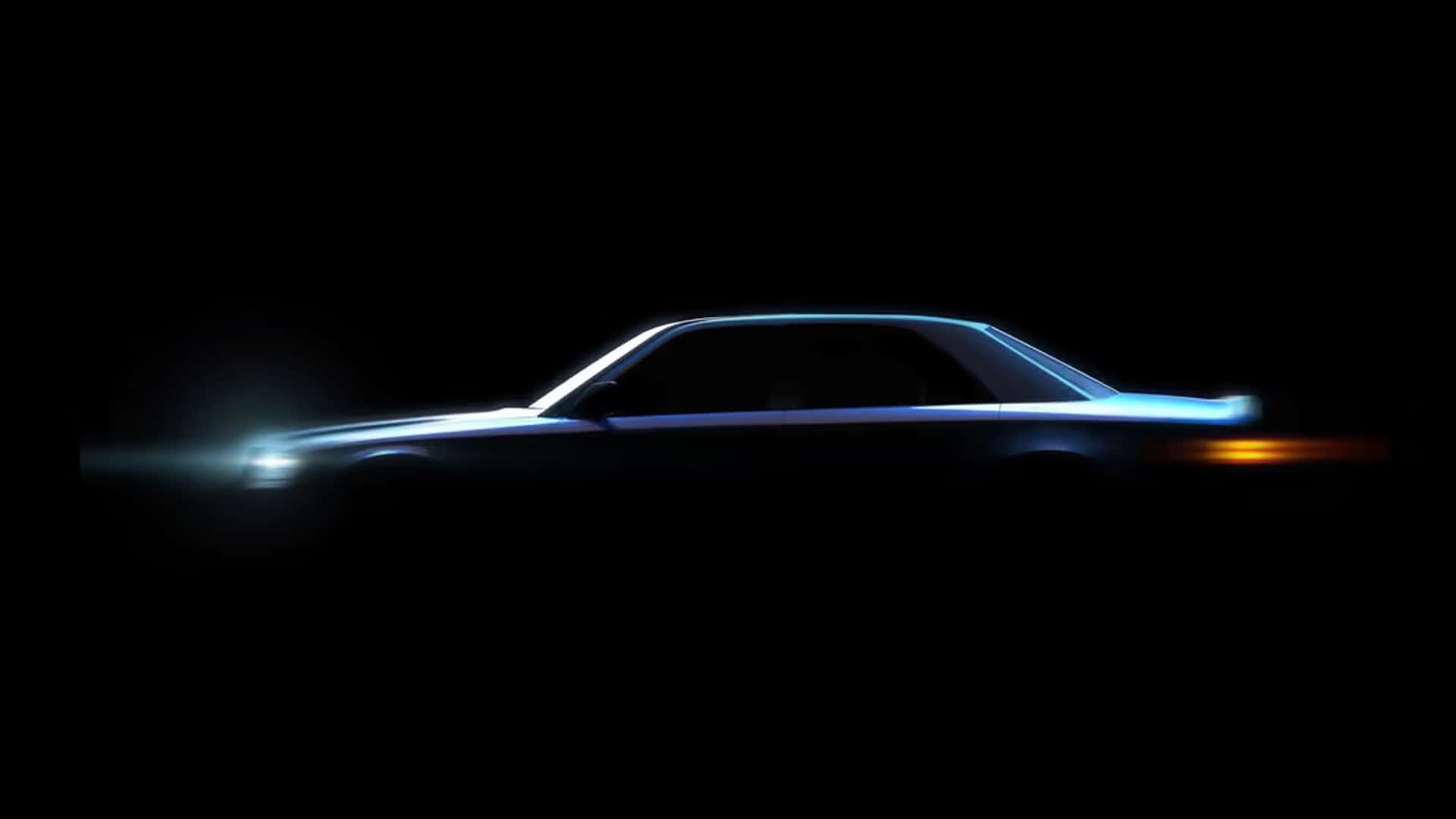
When HWA approaches a restomod, they are starting with a foundation that is already structurally superior to many modern mass-produced vehicles. The challenge for HWA is not fixing the chassis, but rather updating the powertrain and electronics to meet the demands of a modern driver.
While official specifications for the HWA-built Hammer have yet to be finalized, industry insiders expect the vehicle to feature:
- Modernized V8 Power: Likely a high-revving, naturally aspirated or forced-induction V8 sourced from a later performance Mercedes, heavily modified by HWA engineers.
- Carbon Fiber Integration: Following the blueprint of the HWA Evo, the bodywork will likely utilize advanced composites to reduce weight and improve rigidity.
- Advanced Aerodynamics: Retaining the classic "Hammer" look while incorporating subtle, wind-tunnel-tested aero enhancements to keep the car stable at modern high-speed limits.
- Bespoke Interior: A cabin that balances the retro aesthetic of the 1980s with modern connectivity and comfort features, using premium materials like Alcantara and hand-stitched leathers.
Official Responses and Industry Implications
While HWA has been careful not to reveal too much, their social media channels and press appearances at major events have left little room for doubt. The company has positioned itself as the "guardian" of the classic AMG spirit. By focusing on cars like the 190E Evo II and the W124 Hammer, HWA is tapping into a lucrative and highly emotional market of collectors who feel that modern cars have lost the analog connection that defined the golden age of motoring.
The implications for the broader car market are significant. The HWA Hammer represents a shift toward "manufacturer-backed" restomods, where the engineering is performed by those who actually worked on the original projects. This creates a bridge between the past and the future, ensuring that the legacy of cars like the Hammer remains relevant to a new generation of enthusiasts.
The Road Ahead: What to Expect
As HWA continues to develop its vision for the Hammer, the automotive world waits with bated breath. The project is expected to carry a premium price tag, reflective of the thousands of hours of labor and engineering expertise required to turn a vintage sedan into a world-class restomod.
For the lucky few who will secure a build slot, the HWA Hammer will be more than just a car. It will be a visceral, tactile experience—a chance to own a piece of history that has been sharpened, tightened, and refined by the very people who defined what "AMG" meant in the first place.
Whether it will feature a manual transmission or an updated automatic, or how HWA plans to manage the cooling requirements of a high-output engine within the tight confines of the W124 engine bay, remains the subject of intense speculation. However, if history is any indication, HWA will not settle for "good enough." They will aim for perfection.
As we look toward the official unveiling, one thing is certain: The Hammer is coming back, and it is going to hit harder than ever. By honoring the past while embracing the precision of modern engineering, HWA is ensuring that the legend of the Mercedes-AMG Hammer will continue to reverberate for decades to come.
For those who believe that the soul of an automobile is found in its heritage, the HWA Hammer is not just a project to watch—it is the ultimate revival.
