

In an era defined by the relentless encroachment of the "affordability crisis," the simple act of existing feels increasingly transactional. For the average consumer, a quick trip to the grocery store for a handful of essentials now routinely commands an $80 toll, while a solitary meal earned through a day of errands adds another $20 to the tab. As the cost of living climbs, the search for accessible, high-quality entertainment that doesn’t require a monthly subscription or a premium price tag has become a modern pursuit.
Amidst this economic austerity, a digital sanctuary has emerged for the automotive enthusiast. The YouTube channel "TopRareMedia" has become an unintentional savior for those suffering from subscription fatigue, offering an extensive, free, and deeply nostalgic archive of British automotive television. With a library spanning from the early 1990s to the late 2000s, this digital repository serves as a time capsule for an era of motoring that predates the highly produced, blockbuster-style car shows of the modern streaming age.
The Digital Curator: Who is Behind TopRareMedia?
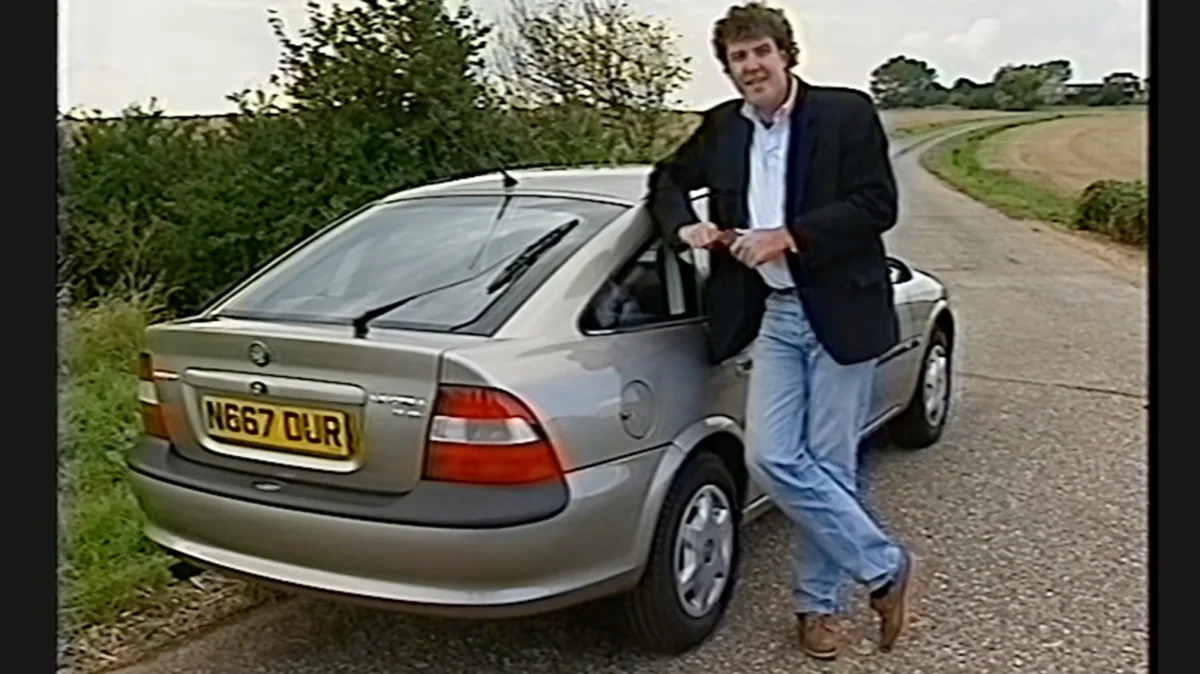
At its core, TopRareMedia is a labor of love for automotive anoraks. The channel functions as a digital preservationist project, hosting nearly 350 videos that capture the raw, unpolished, and often quirky essence of late-20th-century British car culture. While mainstream streaming services focus on the high-gloss, high-budget iterations of Top Gear or The Grand Tour, TopRareMedia focuses on the "lost media" of the industry—content that hasn’t seen the light of day in decades.
The channel’s appeal lies in its refusal to adhere to modern algorithmic trends. Instead of short, snappy clips designed for rapid consumption, the channel hosts full-length episodes of programs that once graced British television screens during an era when the automotive industry was undergoing massive, rapid shifts. For those who grew up in the late 2000s and only know the "trio" era of Top Gear, this archive offers a sobering and fascinating look at the program’s humble beginnings.
A Chronology of Motoring: From the 90s to the Digital Age
To understand the value of this archive, one must look at the timeline of automotive broadcasting. In the early 1990s, the automotive show format was radically different. It was less about cinematic cinematography and more about consumer advocacy, technical transparency, and the simple joy of testing utilitarian machines.
The Evolution of the Format
- The Early 1990s: Shows like the original Top Gear (pre-relaunch) were focused on family cars, the nuances of the British motor industry, and practical advice. It was a time when presenters wore blazers and ties, and the "stunt" element was virtually non-existent.
- The Mid-to-Late 1990s: As the millennium approached, the format began to shift. Shows like Pulling Power and Driven began to introduce more personality-driven segments. The focus moved toward lifestyle, performance, and the sheer audacity of manufacturers.
- The Early 2000s: This was the bridge between the old guard and the new. This period saw the rise of more experimental television, where producers began to realize that cars could be the stars of a narrative, not just a product review.
TopRareMedia documents this transition with startling clarity. By curating content that tracks this evolution, the channel allows viewers to see how the "automotive review" became the "automotive spectacle" that eventually conquered the world.
Supporting Data: Why This Content Matters
The cultural impact of these shows cannot be overstated. For many viewers, these programs were the definitive source of information before the internet democratized car reviews.
Key Shows Featured in the Archive:
- Classic Top Gear: With over 100 episodes archived, this collection offers a window into the pre-Jeremy Clarkson era. It is a masterclass in automotive journalism that has been largely ignored by modern streaming platforms.
- Deals on Wheels: A precursor to the modern "flipper" culture, this show provided a realistic look at the used car market, a subject that remains intensely relevant in today’s inflated vehicle economy.
- Driven: Known for its punchy editing and irreverent tone, Driven represents the peak of 90s television aesthetics, serving as a direct ancestor to the modern YouTube car-vlog format.
- Dream Machine: A more niche program that explored the intersection of technology and luxury, highlighting cars that were often considered impossible to own or even see in the flesh.
The inclusion of these shows provides a longitudinal study of how the automotive market has changed. The fascination with Japanese kei cars, which were a niche curiosity in the UK decades ago, is now a global trend. Seeing these vehicles reviewed in their contemporary context provides a perspective that modern reviews simply cannot replicate.
Official Responses and the State of Digital Archiving
While there have been no official corporate statements regarding the channel, the existence of such archives highlights a growing tension between copyright law and digital preservation. Much of the content hosted on TopRareMedia resides in a legal gray area, often referred to as "orphan media."
Broadcasters like the BBC or independent production houses from the 90s rarely prioritize the distribution of low-resolution, dated content. Consequently, the burden of preservation falls on individual enthusiasts. From a journalistic perspective, this highlights the fragility of digital media. If not for channels like TopRareMedia, thousands of hours of cultural and technical history would likely remain locked in aging tape archives, slowly degrading and becoming inaccessible to future generations.
Implications: The Search for Authenticity in a High-Gloss World
The success of these old shows suggests a profound shift in consumer appetite. Modern car media is often criticized for being overly polished, heavily sponsored, or reliant on high-octane stunts that feel disconnected from the reality of car ownership. In contrast, the "lost" media of the 90s feels authentic. When a presenter in 1994 struggles with the window winder of a Rover or critiques the plasticky interior of a budget city car, it resonates with the viewer’s own experiences.
The "Anorak" Appeal
The term "anorak," once a mild insult for those obsessed with niche hobbies, has been reclaimed by the automotive community as a badge of honor. The viewers of TopRareMedia are not just casual observers; they are students of history. They are interested in the minutiae—the specific engine noise of a forgotten hatchback, the strange design choices of a defunct manufacturer, and the evolution of automotive safety standards.
This archive also serves as an antidote to the "affordability crisis" mentioned earlier. By immersing oneself in the automotive world of the past, the viewer is reminded that cars were once attainable, repairable, and—most importantly—human-focused. It provides a psychological escape from the current reality of $60,000 MSRPs and complex, computer-heavy vehicles that require a degree in software engineering to maintain.
Conclusion: A Weekend Well Spent
As we navigate the complexities of a modern economy, the value of low-cost, high-engagement entertainment becomes increasingly clear. TopRareMedia is more than just a repository of old television; it is a community-driven effort to maintain a connection to our collective automotive heritage.
For those looking to fill their weekends without draining their wallets, the channel offers a sprawling map of the past. Whether you are interested in the origins of modern car television, the quirky engineering of obscure European sedans, or simply wish to see a young, pre-fame presenter struggling with a classic vehicle in a muddy field, the archive provides an endless supply of discovery.
In a world that is moving faster and getting more expensive by the day, there is a certain, quiet comfort in looking back. The cars may be older, the resolution may be lower, and the fashion may be questionable, but the passion remains exactly as it was: timeless, gear-driven, and entirely free of charge. As the adage goes, you don’t need to spend a hundred dollars to have a good time—sometimes, all you need is a reliable internet connection and a glimpse into the history of the machines that shaped our world.
