

By Editorial Staff
December 12, 2024
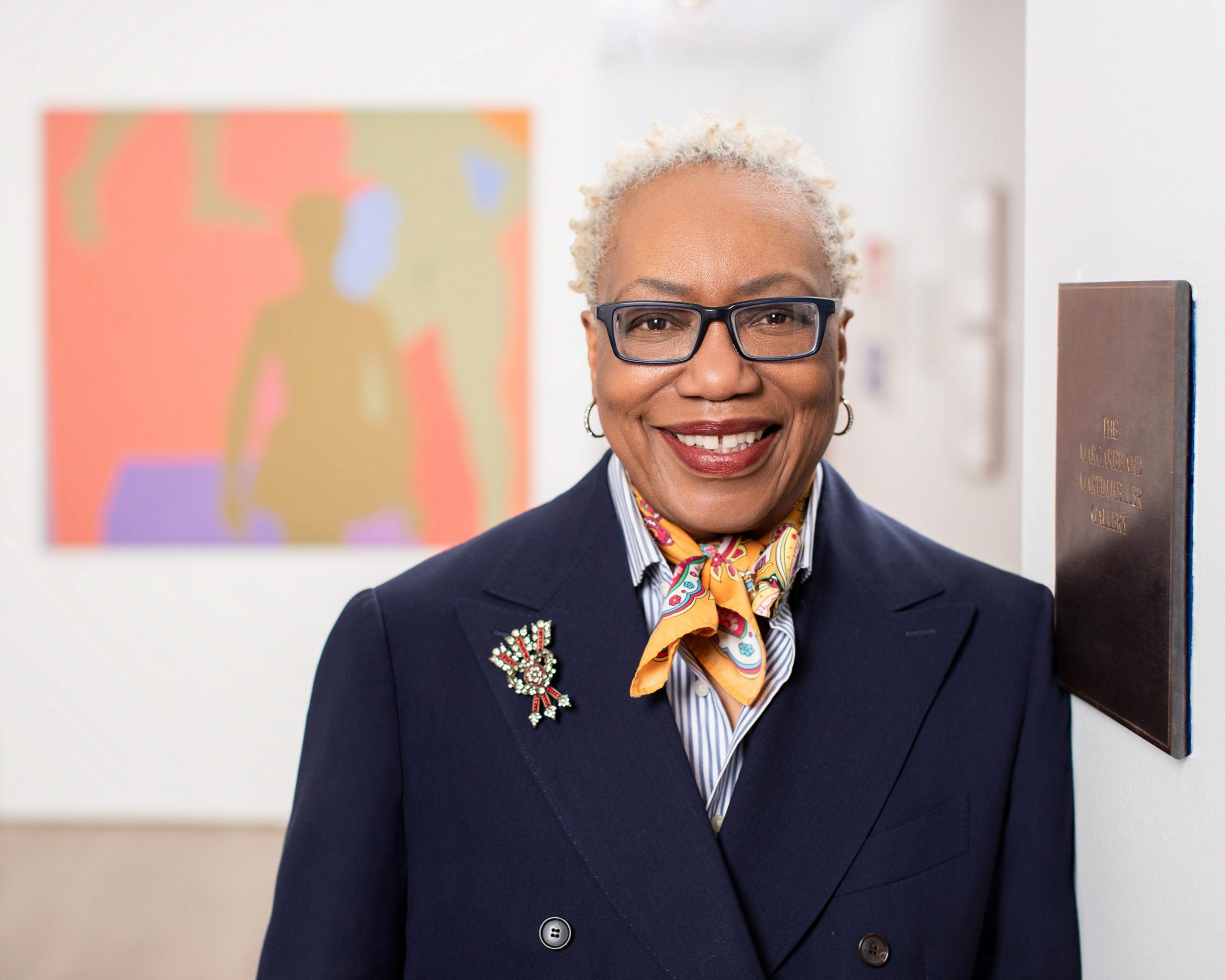
As the calendar turns toward the end of 2024, the Newark Museum of Art (NMOA) finds itself at a poignant intersection of historical preservation and bold, forward-looking evolution. In a year defined by the celebration of heritage and the anticipation of institutional growth, Director and CEO Linda C. Harrison has announced her departure, marking the end of a six-year tenure that fundamentally reshaped the museum’s identity and its relationship with the Newark community.
A Season of Reflection and Transition
In a message to the museum’s patrons, staff, and the broader Newark community, Linda C. Harrison framed the current moment as one of "celebration, light, and transition." Acknowledging the rapid pace of change in the global landscape, Harrison emphasized that the enduring power of an institution lies in its ability to anchor traditions while simultaneously embracing the future.
"Our world is offering us change on many fronts, but what endures are our traditions, our relationships, and the strength of the institutions we have created," Harrison wrote. Under her leadership, the NMOA has sought to be more than a repository of artifacts; it has functioned as a "museum of courage, joy, and wonder," actively working to dismantle the barriers that have historically separated cultural institutions from the public they serve.
Chronology of a Reshaping: 2024 in Review
The year 2024 served as a culmination of the strategic vision Harrison implemented during her six-year residency. Throughout the year, the NMOA successfully balanced high-profile exhibitions with community-centered programming.
February 2024: Honoring Local Identity
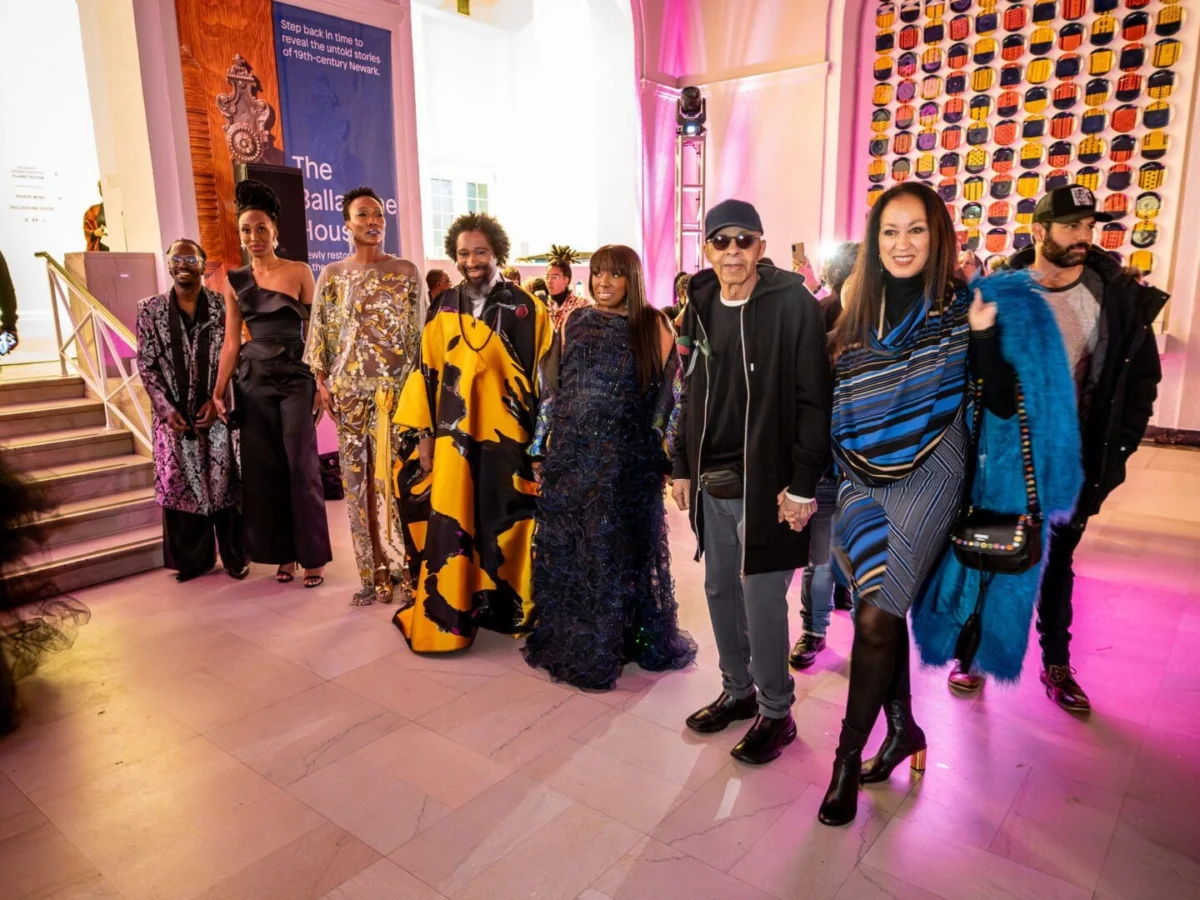
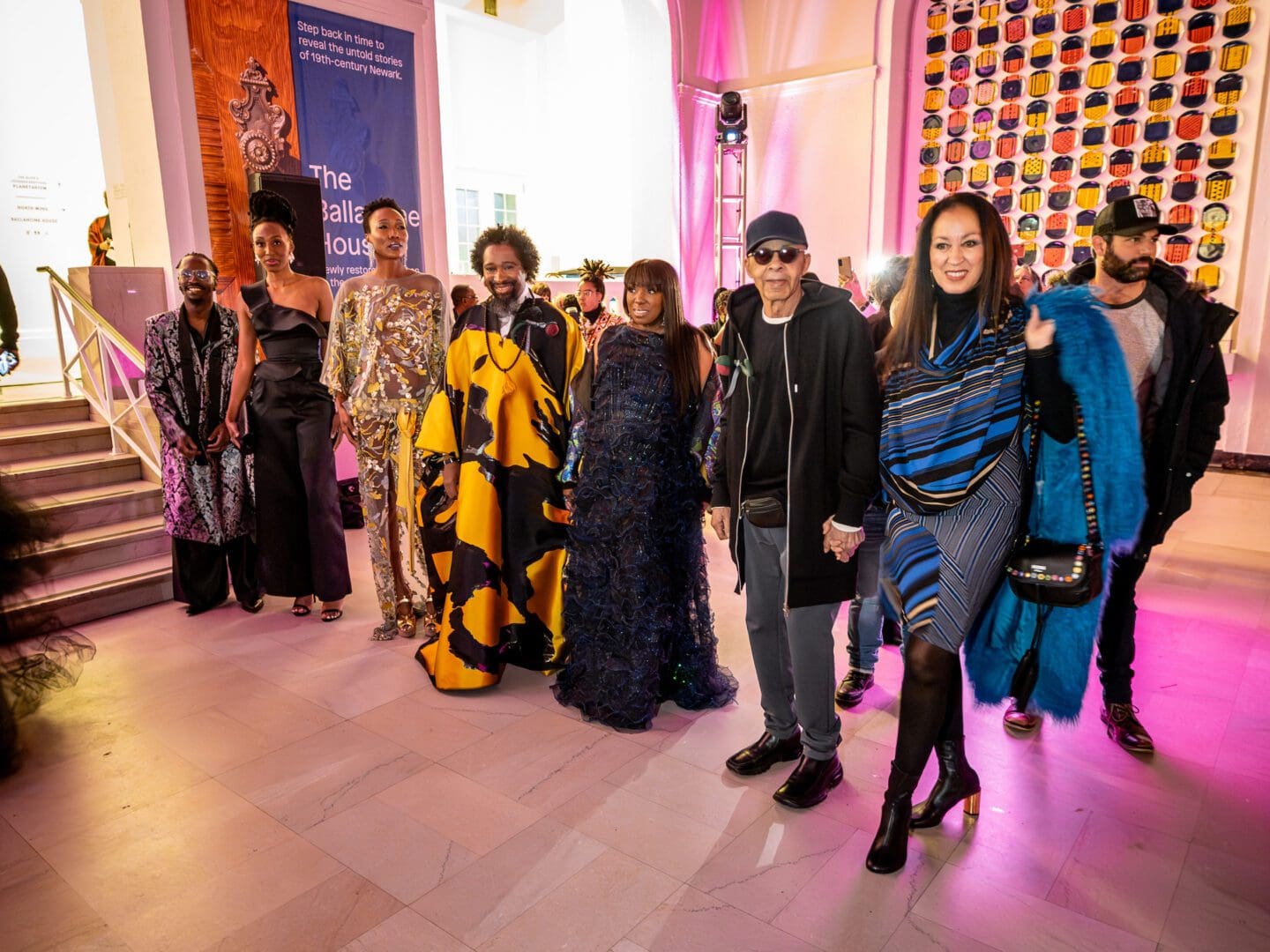
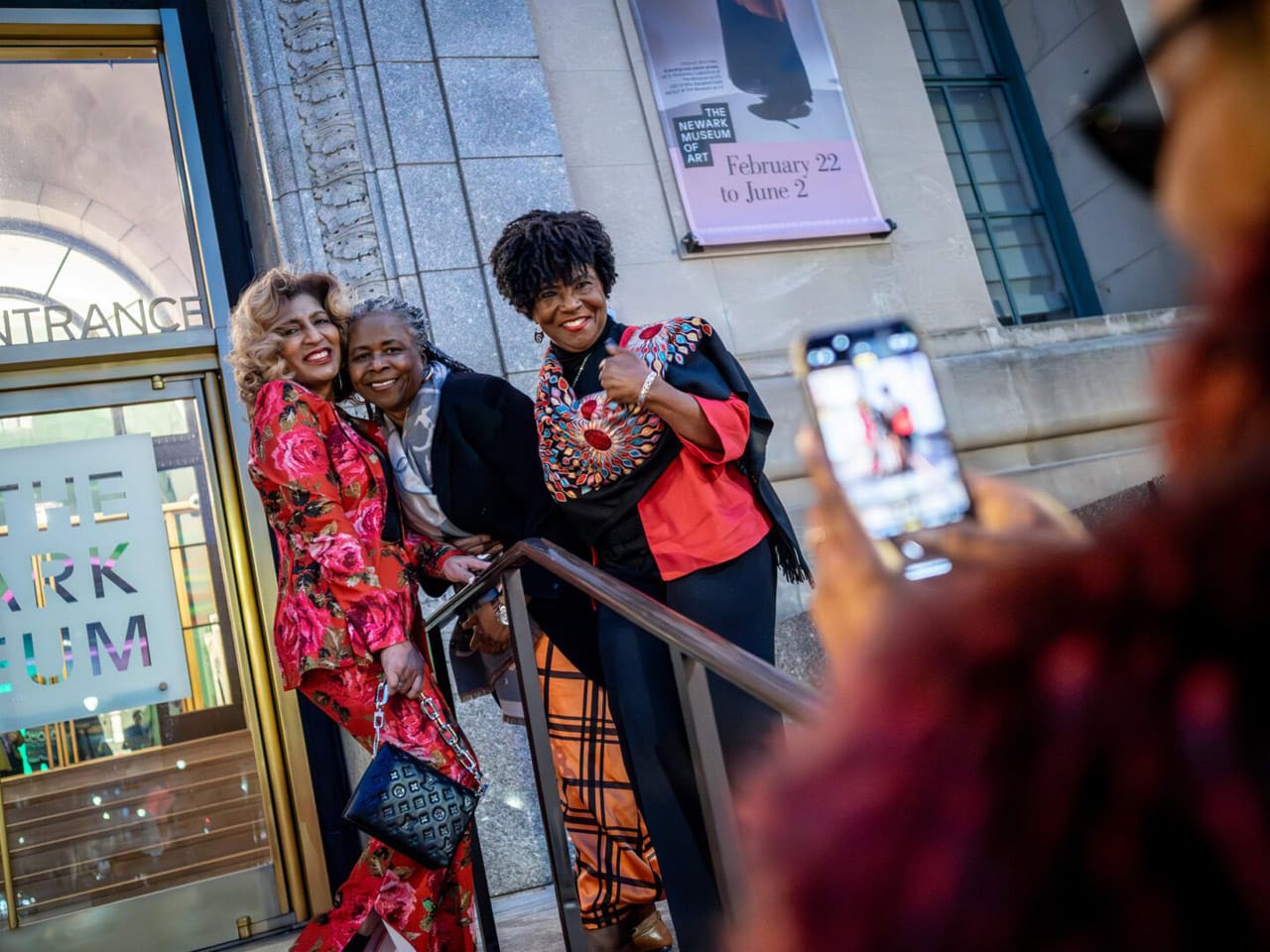
The year began with a significant focus on local culture through "The Story of Newark Fashion." The exhibition’s VIP opening in February was more than a display of garments; it was an examination of the aesthetic, economic, and social threads that weave through the history of New Jersey’s largest city. The event underscored the museum’s dedication to local storytelling as a vital component of American art history.
May 2024: Art, Architecture, and Dialogue
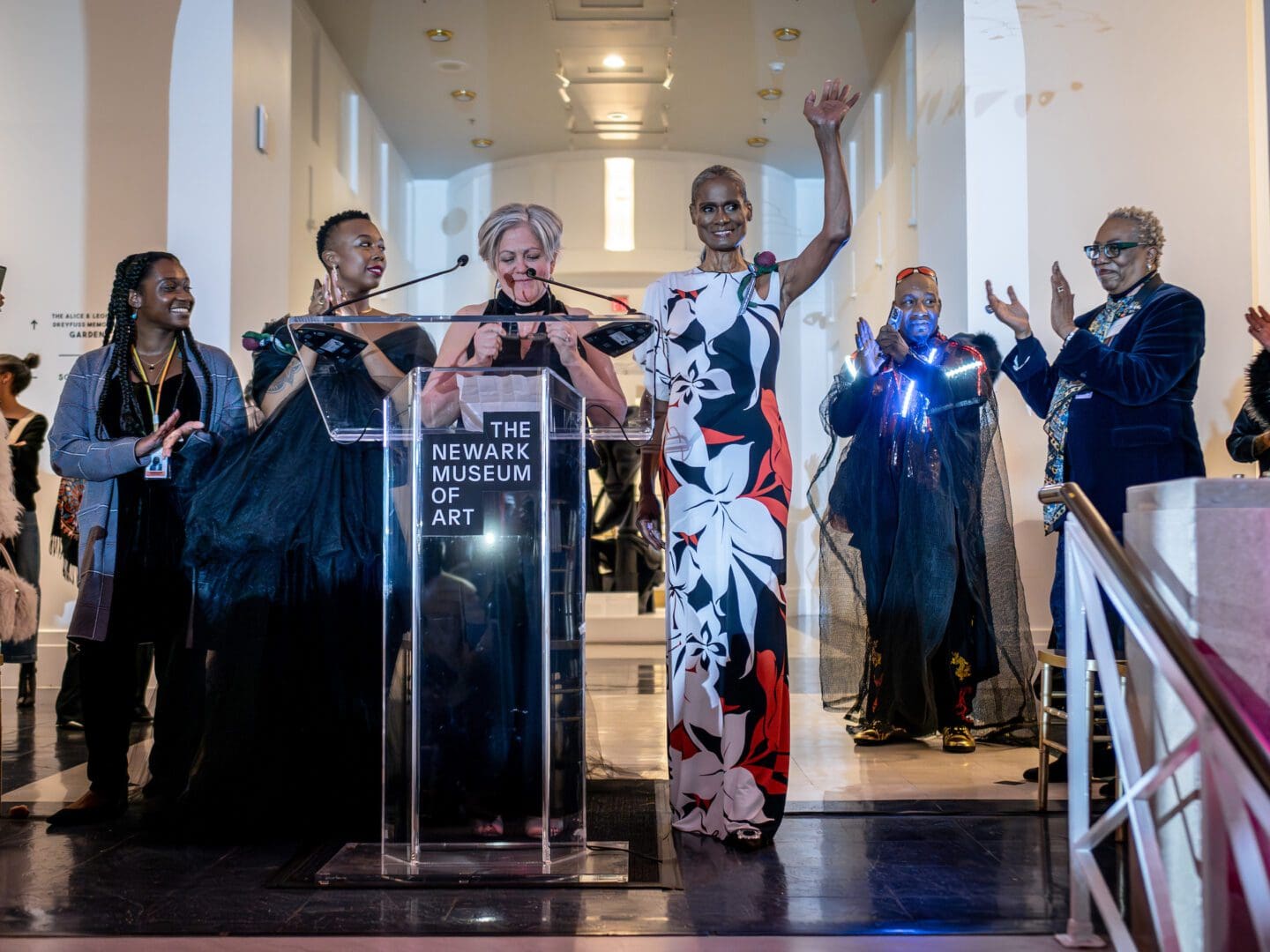
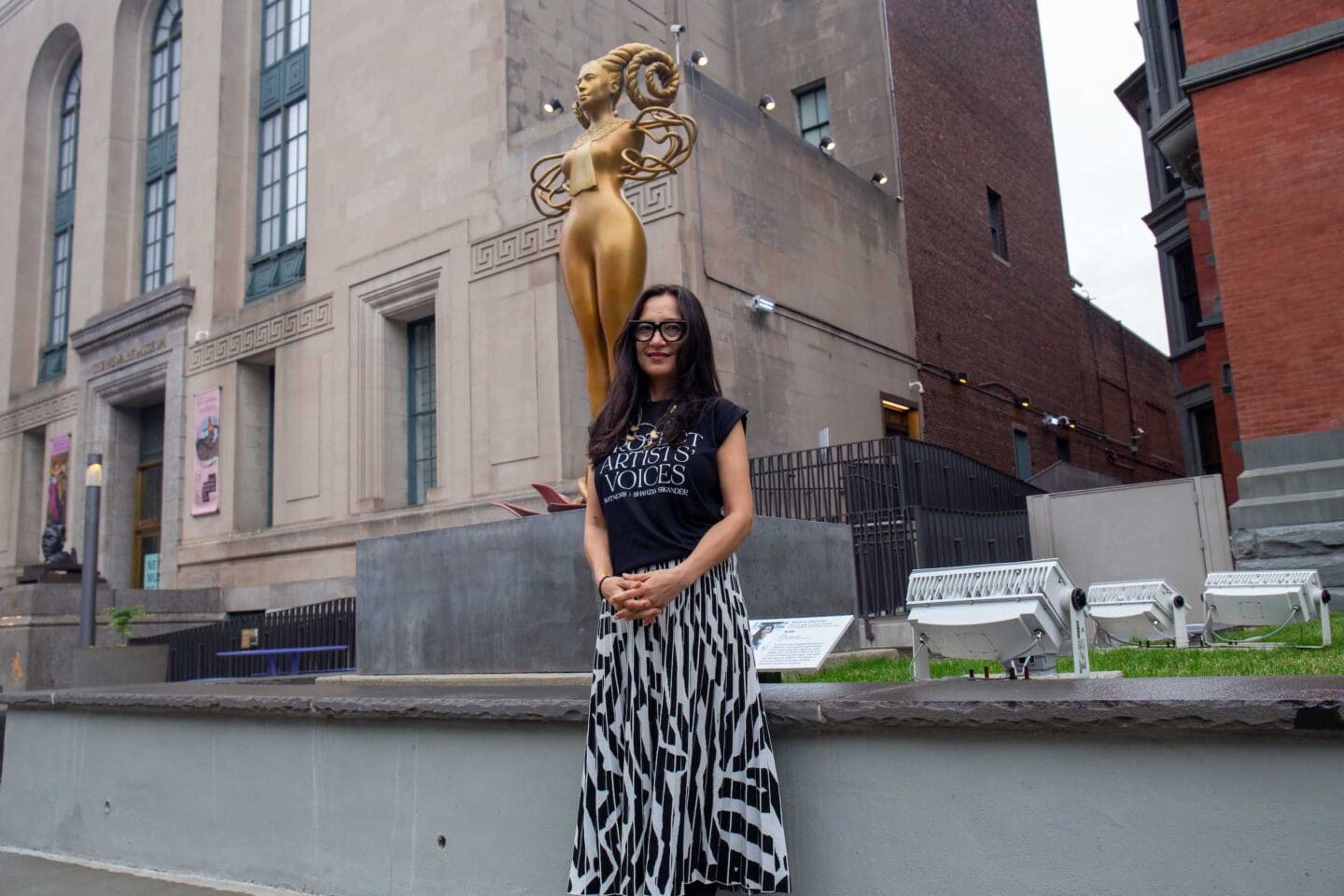
By mid-year, the focus shifted to the physical and conceptual expansion of the museum’s campus. In May, the museum hosted an "American Art Convening," which brought together curators, scholars, and artists to discuss the future of the American art museum. This period also saw the celebration of artist Shahzia Sikander and the installation of her monumental sculpture, NOW. Positioned on the museum grounds, the bronze figure—a fierce, ethereal representation of female agency—became a focal point for the museum’s commitment to contemporary, diverse voices.
Summer 2024: A Golden Milestone
July marked a historic milestone: the 50th anniversary of the Newark Black Film Festival. As the longest-running festival of its kind in the United States, the event served as a testament to the museum’s long-standing role as a pillar of Black cultural expression. The anniversary celebration featured directors such as Kasi Lemmons and Britt Williams, drawing record crowds and reinforcing the museum’s status as a premier hub for cinematic arts.
December 2024: Returning to Tradition
To conclude the year, the museum re-opened the historic Ballantine House, featuring an elaborate 19th-century holiday installation for the first time since 2019. This return to a cherished community tradition served as a bridge between the museum’s Victorian architectural roots and its modern, inclusive programming.
Supporting Data: The Strategic Pivot Toward Accessibility
The NMOA’s recent success is not merely anecdotal; it is rooted in a deliberate pivot toward inclusivity. During her tenure, Harrison championed several initiatives designed to remove the "ivory tower" perception of the museum:

- Inclusivity and Representation: By prioritizing artists of color and marginalized voices in the exhibition calendar, the museum saw a measurable increase in diverse attendance demographics.
- Physical Infrastructure: The planned renovation of the Learning and Engagement Art Center in the South Wing is a direct response to data indicating that visitors desire more collaborative, interactive spaces rather than traditional, passive viewing environments.
- Community Integration: The success of events like the Newark Black Film Festival and the upcoming "Stronger Together" Community Day (scheduled for January 20, 2025) demonstrates the museum’s transition into a "third space"—a location that functions as a community living room for the residents of Newark.
Official Response and Future Outlook
The announcement of Harrison’s resignation in May 2025 has naturally prompted discussions regarding the museum’s stability. However, the Board of Trustees and the executive leadership have expressed confidence in the transition plan. Harrison herself has noted that her decision to return to the West Coast is based on family reasons, leaving behind an institution that is, by all metrics, on a stronger foundation than when she arrived.
"Over the last six years, we embarked on a bold recommitment to inclusivity and representation," Harrison stated. "A commitment to remaining on the leading edge requires a commitment to change and evolution. Reimagining the museum with courage, joy, and wonder is NMOA’s north star."
The museum is currently preparing for two major capital projects that will define its physical presence for the next decade:
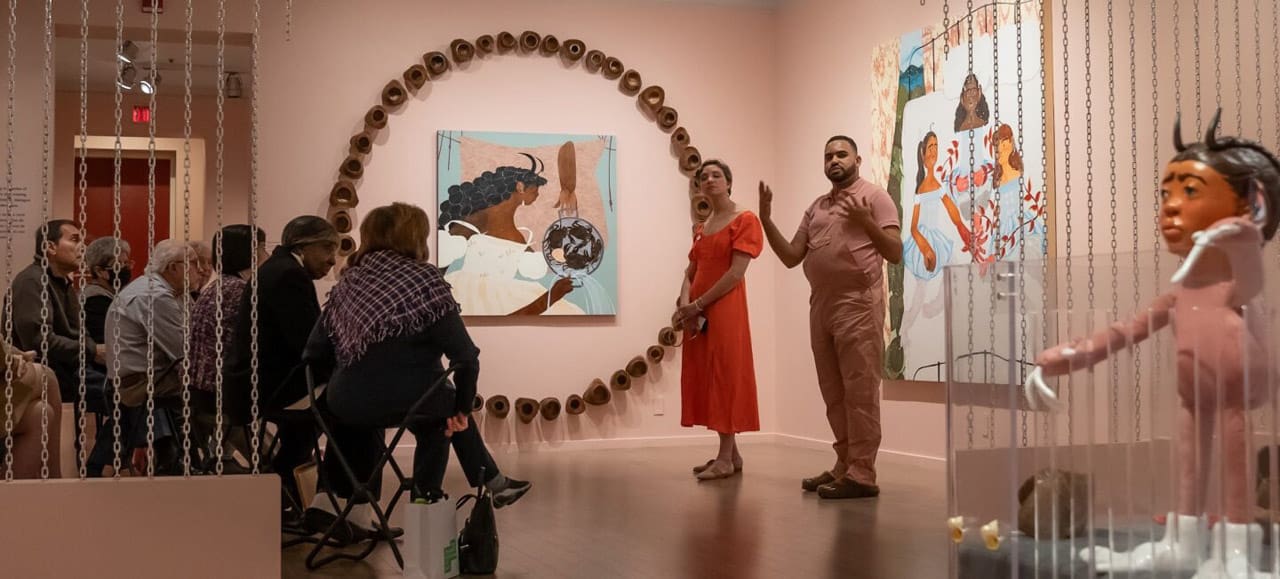
- Learning and Engagement Art Center: A comprehensive renovation of the South Wing to provide dedicated space for educational workshops, community events, and enhanced ADA accessibility.
- Museum Parc: A landmark development project breaking ground in early 2025. This project will transform the campus into a multi-use environment featuring residential units, public gardens, and a state-of-the-art contemporary glass gallery.
The Implications of the "Newark Model"
The trajectory of the NMOA under Harrison’s leadership holds significant implications for the museum sector at large. In an era where many cultural institutions are struggling with declining memberships and a lack of relevance to younger, more diverse audiences, the Newark model offers a potential blueprint.

The "Newark Model" rests on three pillars:
- Hyper-Localism: Honoring the specific history of the host city (as seen in the Newark Fashion exhibition) creates an immediate, visceral connection with the local population.
- Bold Artistic Commissions: By placing works like NOW in public spaces, the museum forces a dialogue between the institution and the street, signaling that the art within is not separate from the social issues of the day.
- Institutional Flexibility: The willingness to overhaul internal systems—such as the upcoming accessibility enhancements and the creation of the Museum Parc—proves that a museum can be both a guardian of history and an active participant in urban development.
A Final Message to the Community
As Linda C. Harrison prepares to pass the baton, her final messages are focused on the concept of the "shared path." By organizing the upcoming Martin Luther King, Jr. Day event under the banner "Stronger Together," she is reinforcing the idea that the museum is an ecosystem of which the visitor is the most vital part.
"At the NMOA, we believe that museums are for the many, not the few," Harrison remarked. As the museum moves into 2025—a year of construction, transition, and renewal—it appears that this philosophy will remain the core directive for whoever inherits the mantle of leadership.
For the residents of Newark and the global art community, the coming year promises to be one of profound structural and cultural change. While the loss of a visionary leader is always a moment of uncertainty, the groundwork laid by Harrison ensures that the NMOA is not merely surviving, but actively constructing a legacy that will echo for decades to come. The institution, now firmly rooted in the principles of equity, access, and artistic excellence, stands ready to face the next chapter of its evolution.
