

By Garden Editorial Staff
For gardeners across the country, the arrival of spring is less of a calendar event and more of a high-stakes performance. As the frost retreats, the landscape begins its annual reveal—a tense period of anticipation where the health, resilience, and aesthetic promise of the coming year are put to the test. In Whaleyville, Maryland, Zone 7b, resident gardener Teresa Eutsler has provided a masterclass in managing this volatile transition, offering a glimpse into a landscape that manages to thrive despite the unpredictable whims of the mid-Atlantic climate.
The Art of the Spring Awakening: Main Facts
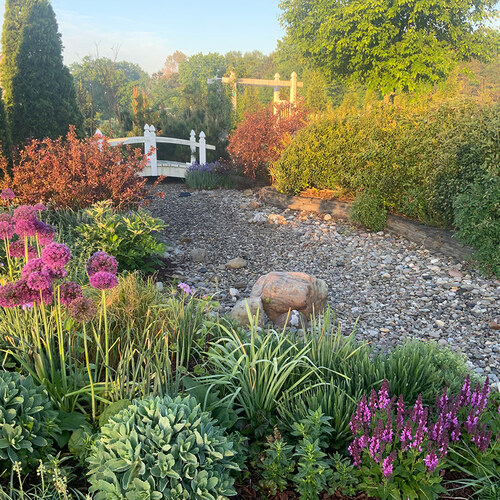
The transition from winter to spring in the eastern shore of Maryland is rarely straightforward. Gardeners in this region face a unique set of challenges, characterized by significant temperature fluctuations and erratic weather patterns. Despite a winter marked by biting cold and a spring defined by dramatic thermal swings, Eutsler’s patio garden has successfully navigated the dormancy phase to emerge with a vibrant, multi-layered display.
The garden serves as a primary example of "strategic succession planting"—a method where specific botanical selections are layered to ensure that as one set of blooms fades, another takes center stage. By utilizing a mix of structural perennials, colorful shrubs, and strategically placed containers, Eutsler has ensured that her garden maintains a high level of visual interest that bridges the gap between the late-winter thaw and the lush, full-bodied heat of summer.
A Chronological Journey Through the Bloom Cycle
Understanding the success of the Eutsler garden requires a look at the timeline of its development. The progression of the garden is a deliberate sequence of color and texture:
- The Early Phase: The cycle begins with the familiar harbingers of spring—daffodils and tulips. These bulbs provide the initial burst of color necessary to break the monotony of the dormant winter landscape.
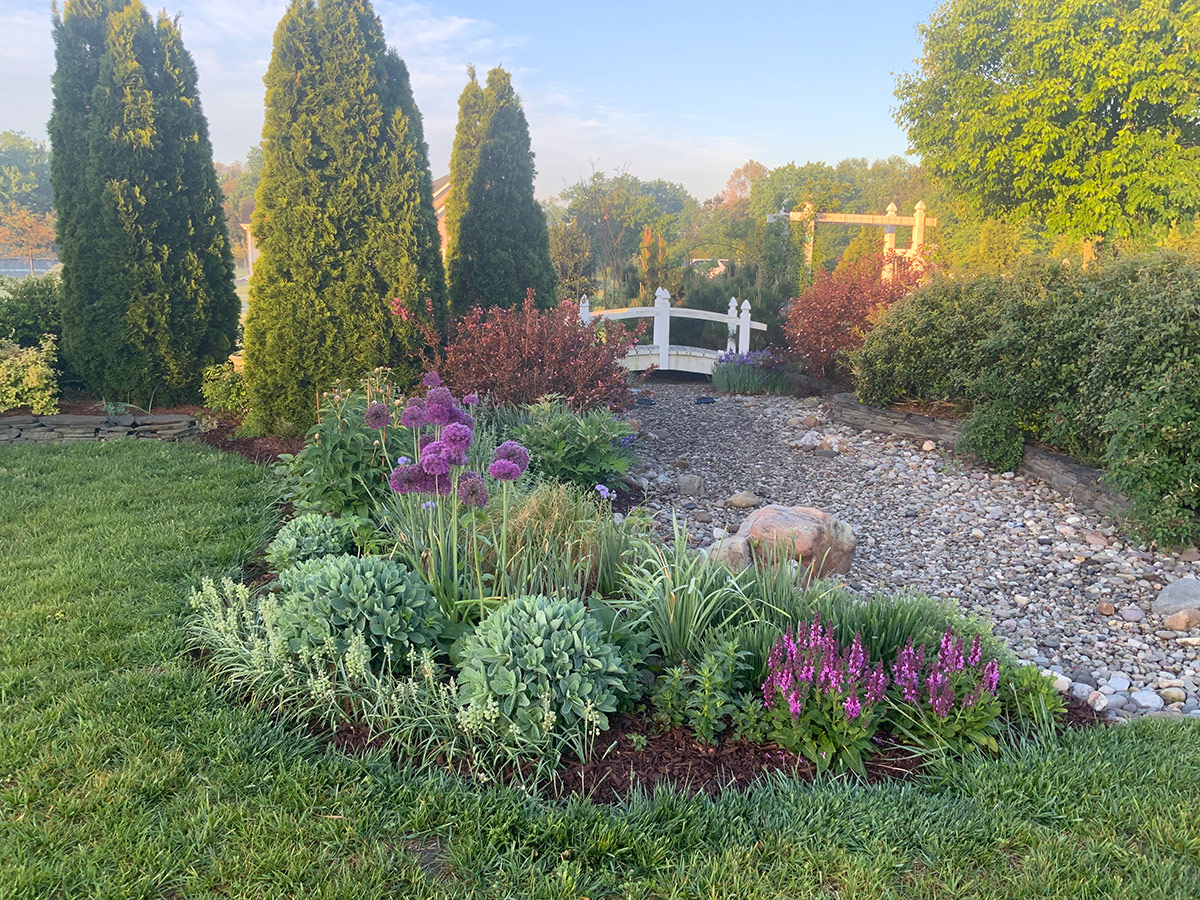
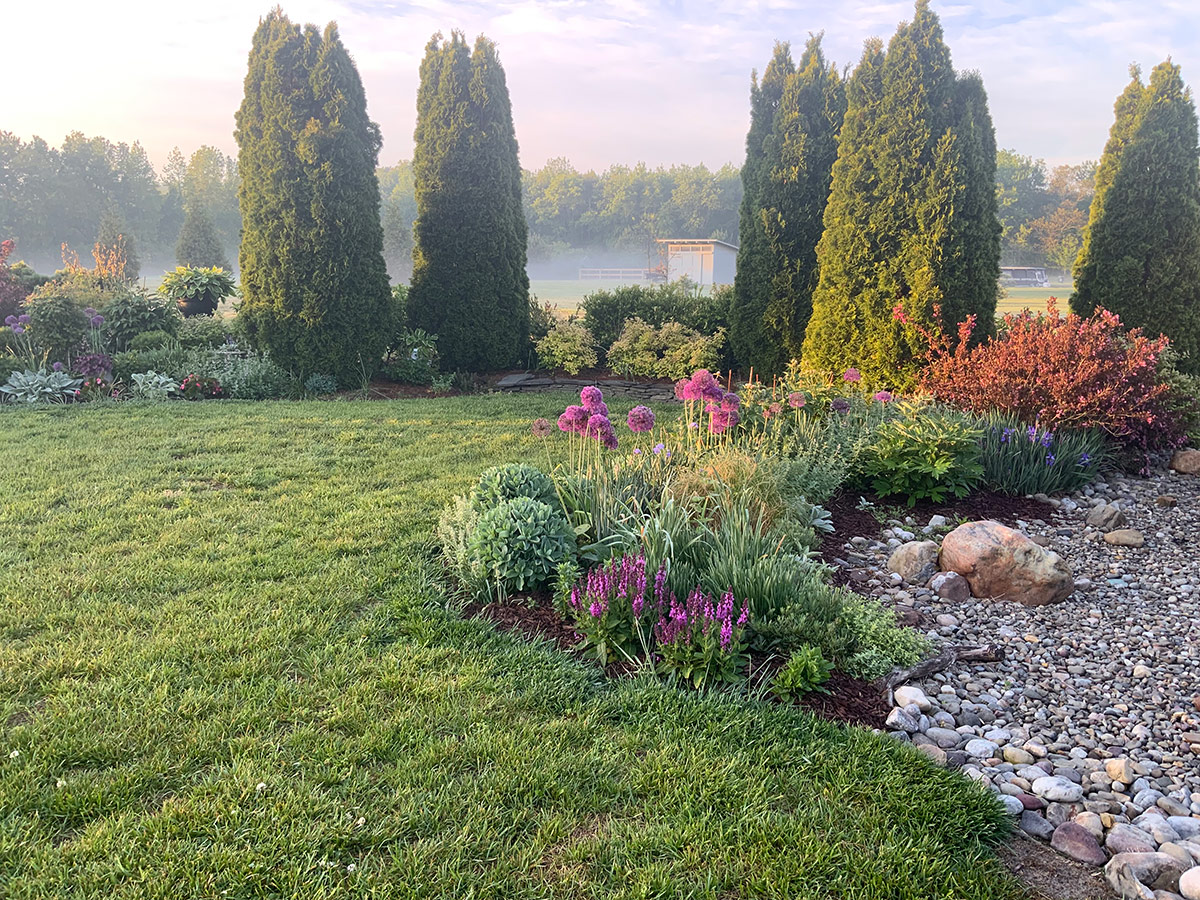
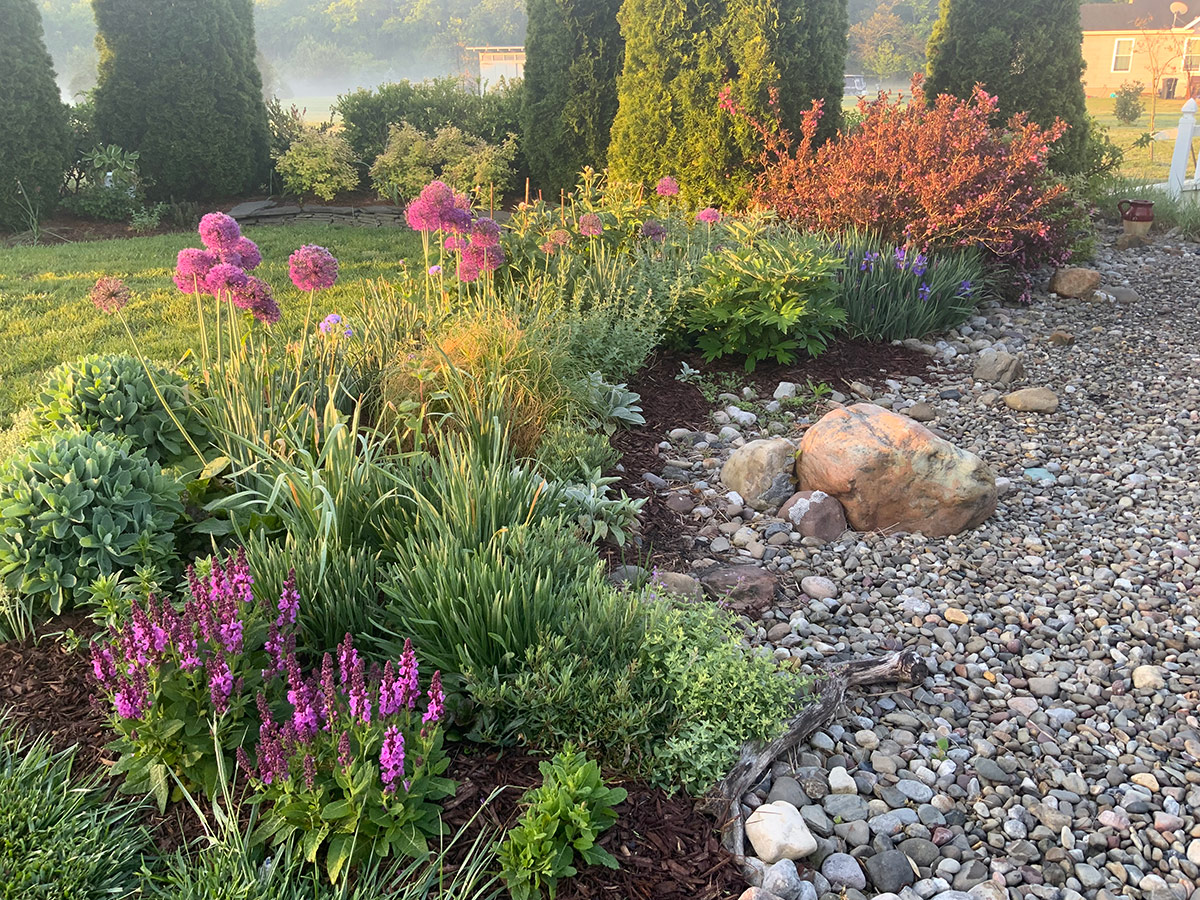
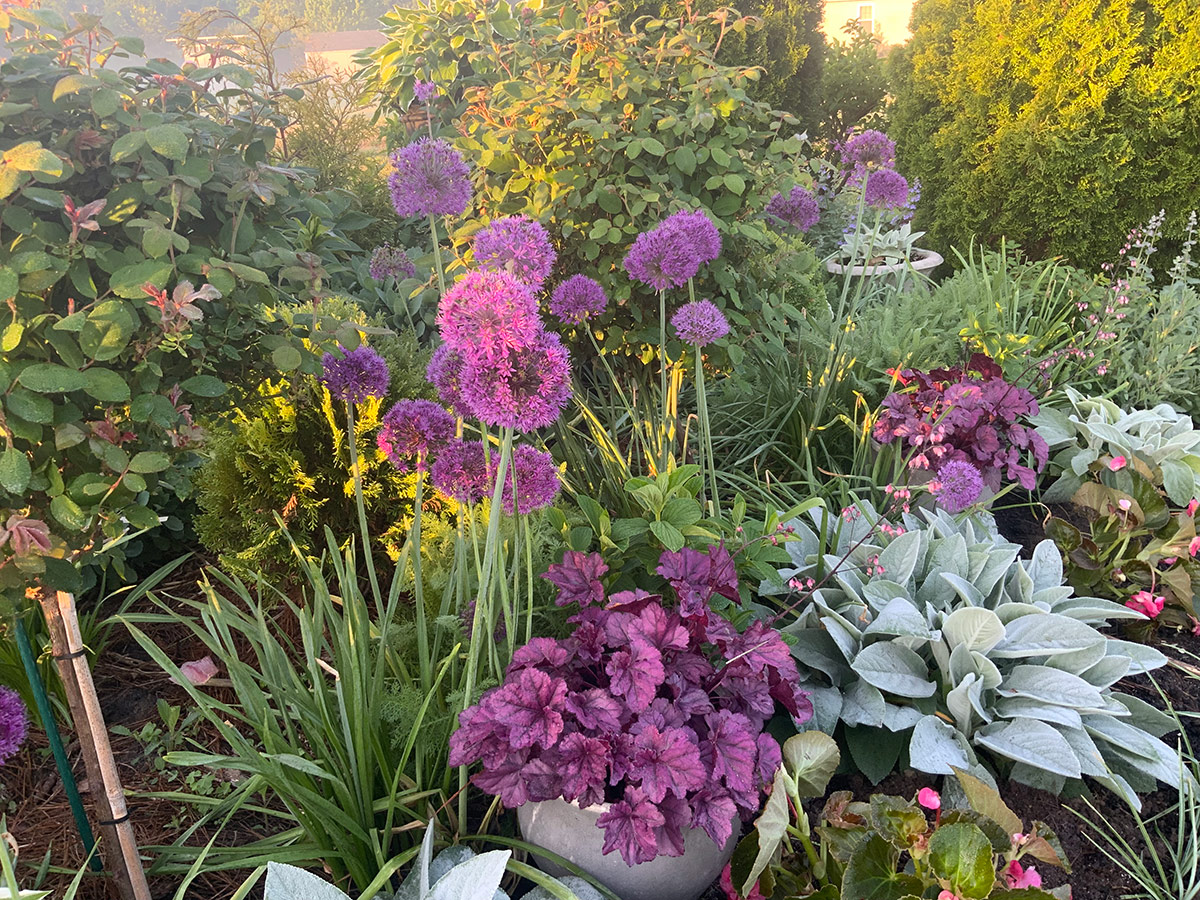
- The Bridge Period: As the bulb foliage begins to yellow and recede, Eutsler pivots to late-spring perennials. The Allium ‘Purple Sensation’ and Salvia nemorosa ‘Rose Marvel’ act as the primary visual anchors. These selections are chosen not just for their vibrant hues, but for their ability to withstand the late-season temperature spikes that can prematurely wilt more delicate blooms.
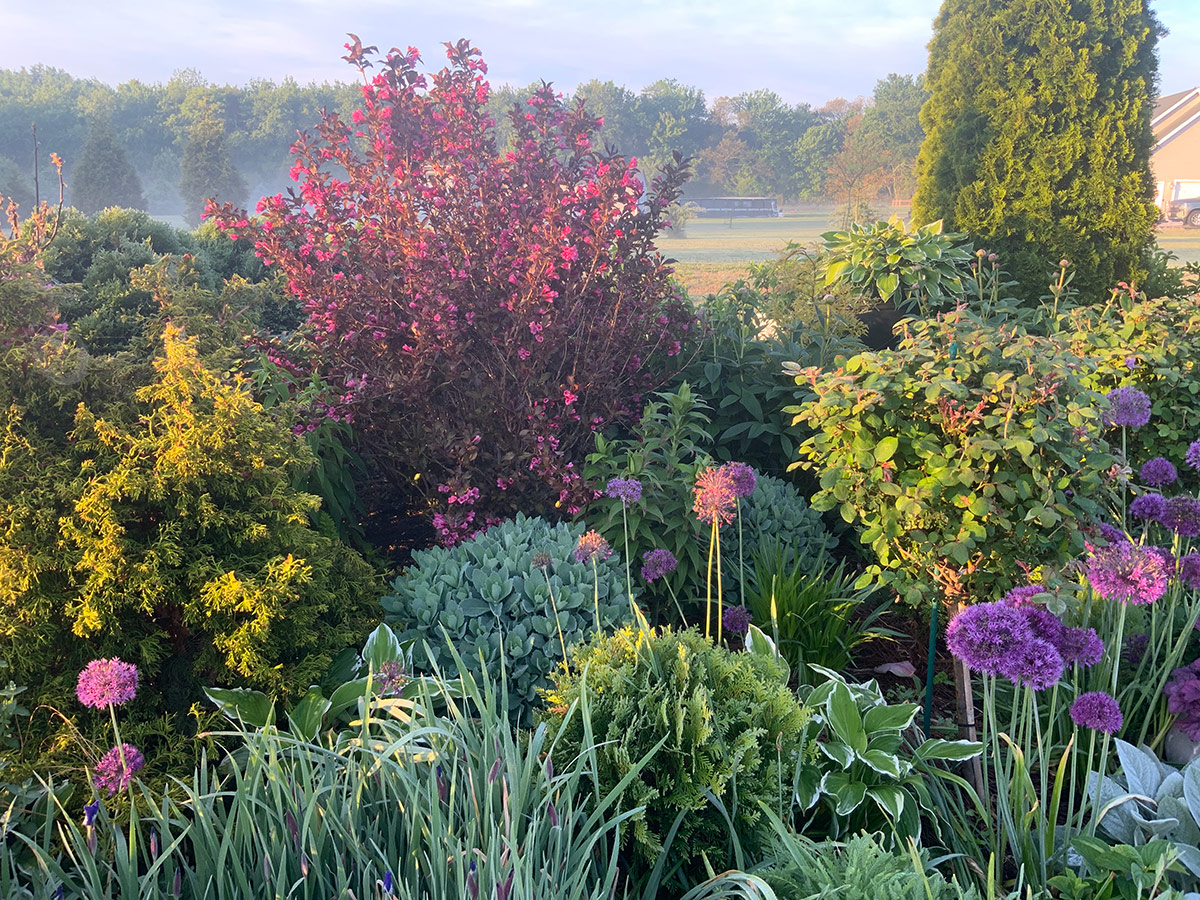
- The Structural Foundation: Behind the floral displays, the architectural backbone of the garden—consisting of Weigela florida ‘Bokraspiwi’ (Spilled Wine) and Physocarpus opulifolius ‘Mindia’ (Coppertina ninebark)—begins to leaf out. This provides the necessary background depth that makes the foreground flowers pop.
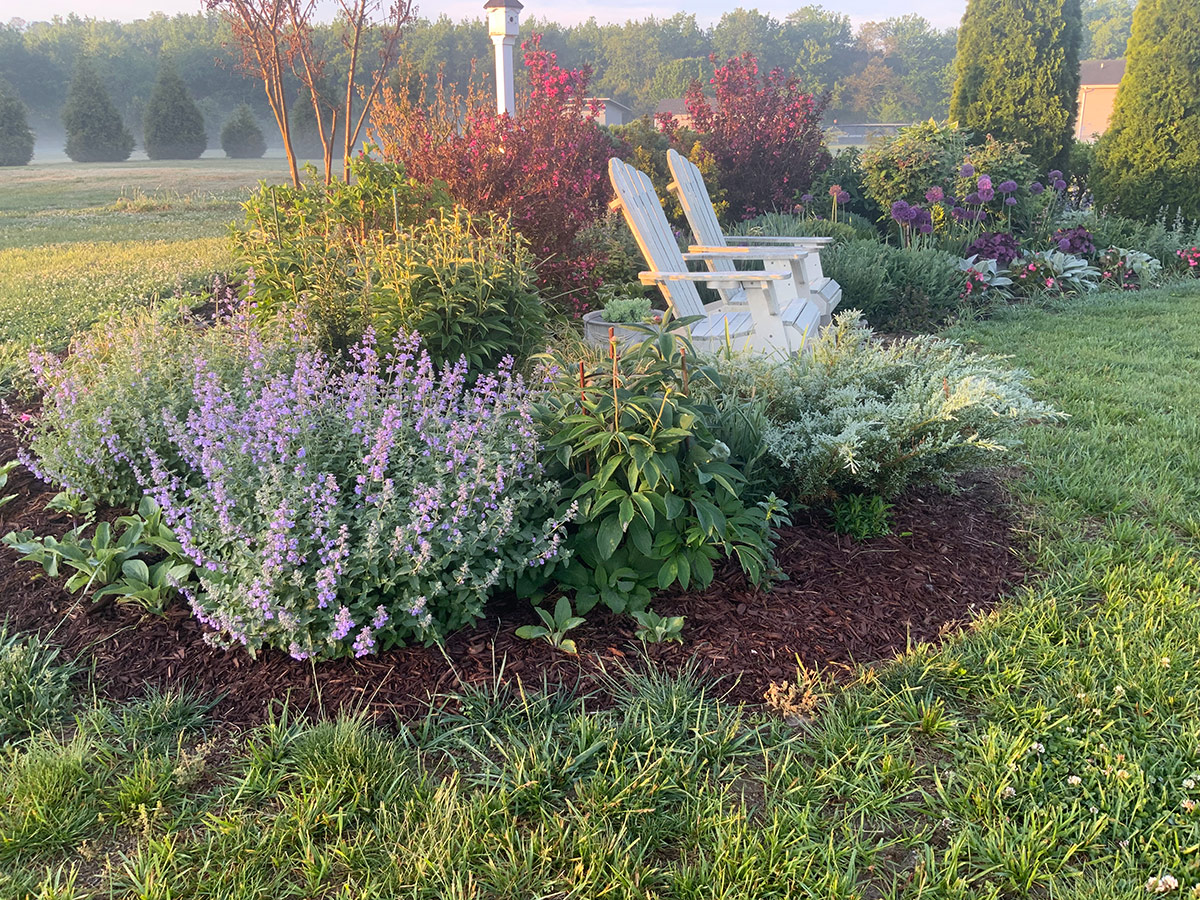
- The Approaching Peak: Currently, the garden is in a state of high anticipation. The Nepeta x faassenii ‘Walker’s Low’ is beginning its expansive, cloud-like bloom, while the Weigela florida ‘Alexandra’ (Wine and Roses) provides a deep, moody contrast to the brighter spring greens. Peonies, the crown jewels of the late spring garden, are currently heavily budded, signaling the transition into the next stage of the growing season.
Supporting Botanical Data: The Anatomy of the Display
The success of the Eutsler garden is rooted in careful plant selection, where foliage color and structural form are valued as highly as floral output.
Texture and Foliage Contrast
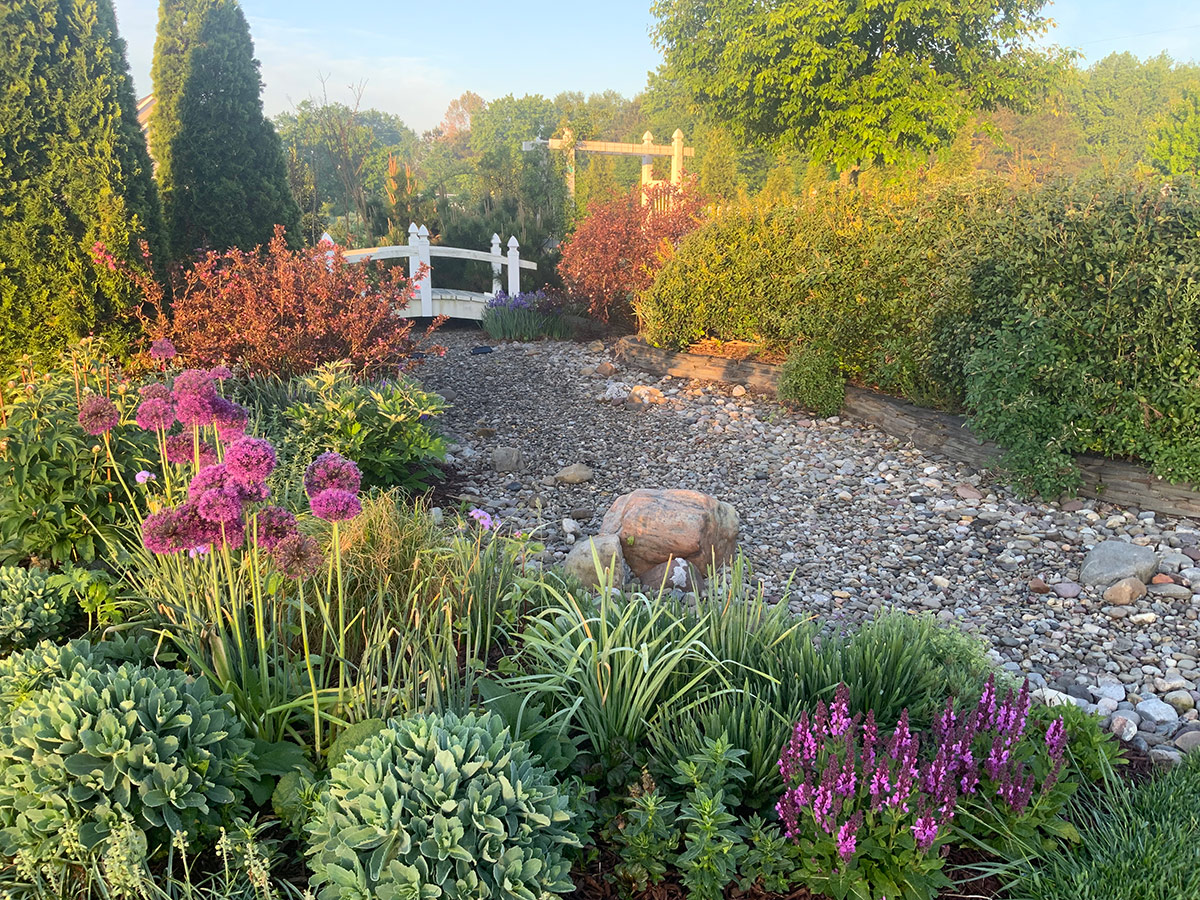
One of the most compelling aspects of this garden is the deliberate contrast in leaf shape and color. The bluish, succulent-like leaves of Hylotelephium ‘Herbstfreude’ (Autumn Joy sedum) provide a tidy, low-maintenance structural element that grounds the chaotic energy of the spring blooms. This is juxtaposed against the variegated hostas and the deep, burgundy foliage of the Weigela.
Color Theory in Practice
Eutsler’s color palette is a sophisticated study in complementary tones. The fiery orange-red foliage of the Spiraea japonica ‘NCSX1’ (Double Play Candy Corn) acts as a high-contrast backdrop to the cool purples of the alliums and the salvia. By incorporating Heuchera ‘Wildberry’ in containers, Eutsler achieves a mobile design element; these containers can be shifted to adjust the garden’s color balance or moved to shadier spots as the intensity of the summer sun increases.
Key Plant Performance Profiles
| Plant Name | Category | Zone Hardiness | Notable Feature |
|---|---|---|---|
| Allium ‘Purple Sensation’ | Perennial | 4–8 | Vivid purple, spherical blooms |
| Salvia ‘Rose Marvel’ | Perennial | 4–9 | Intense, long-lasting color |
| Weigela ‘Spilled Wine’ | Shrub | 4–8 | Deep burgundy foliage |
| Physocarpus ‘Coppertina’ | Shrub | 3–7 | Vibrant copper-toned foliage |
| Heuchera ‘Wildberry’ | Perennial | 4–9 | Rich, dark purple foliage |
Official Perspectives: The Philosophy of the "Off-Season"
In an interview regarding her garden’s evolution, Eutsler emphasizes that the beauty of a garden lies in the "in-between" moments. Many novice gardeners focus exclusively on the peak of July or August, but Eutsler argues that the spring emergence—the time when hostas are just unfurling and the sedum is providing structure—is where the gardener’s true skill is displayed.
The garden also utilizes the "Wild Berry" heuchera as a tactical solution to environmental stress. By keeping these in pots, Eutsler demonstrates an understanding of the mid-Atlantic’s harsh summer heat. Being able to relocate plants based on light availability is a sophisticated method of resource management that ensures the garden looks healthy well into the late season.
Implications: The Future of Residential Gardening
The Eutsler garden offers several key implications for the future of residential horticulture, particularly in an era of climate uncertainty:
1. Resiliency Through Diversity
By mixing shrubs, perennials, and container plants, the garden is inherently more resilient. If one group of plants struggles due to a specific weather event, the others are positioned to fill the visual gap. This "layering" approach is increasingly recommended by horticulturalists to mitigate the risks associated with unpredictable climate cycles.
2. The Return of Structural Gardening
The emphasis on foliage—the variegation of the hostas, the copper of the ninebark, and the bluish tint of the sedum—suggests a shift away from "flower-only" gardening. This approach is more sustainable, as it provides visual interest throughout the season regardless of the specific bloom cycle.
3. Accessible Design
The use of containers for delicate or heat-sensitive plants is a trend that is gaining momentum. It allows urban and suburban gardeners to experiment with high-impact color without the long-term commitment of permanent landscape installation.
Conclusion: An Invitation to Participate
As the season progresses, the Eutsler garden stands as a testament to the rewards of careful planning and observational gardening. It reminds us that every garden, regardless of size or location, has a story to tell—from the first buds of spring to the final golden days of autumn.
For those inspired by this Maryland landscape, the invitation is open. Whether you are nurturing a collection of containers on a balcony or managing a sprawling perennial border, your experiences are part of the broader conversation of modern horticulture. As we move further into the growing season, we encourage all readers to document their own triumphs and challenges. By sharing our collective successes, we can build a more robust, informed, and inspired gardening community.
Recommended Tools for Your Spring Garden
To support your own garden’s success, consider these professional-grade tools:
- ARS Telescoping Long Reach Pruner: Essential for maintaining shrubs and trees without the need for constant ladder work. Its balanced design is perfect for precise, clean cuts.
- Lee Valley Garden Obelisks: A vital structural element for any garden looking to add height and support for climbing plants. These are specifically designed to be lightweight yet durable enough for both container and in-ground use.
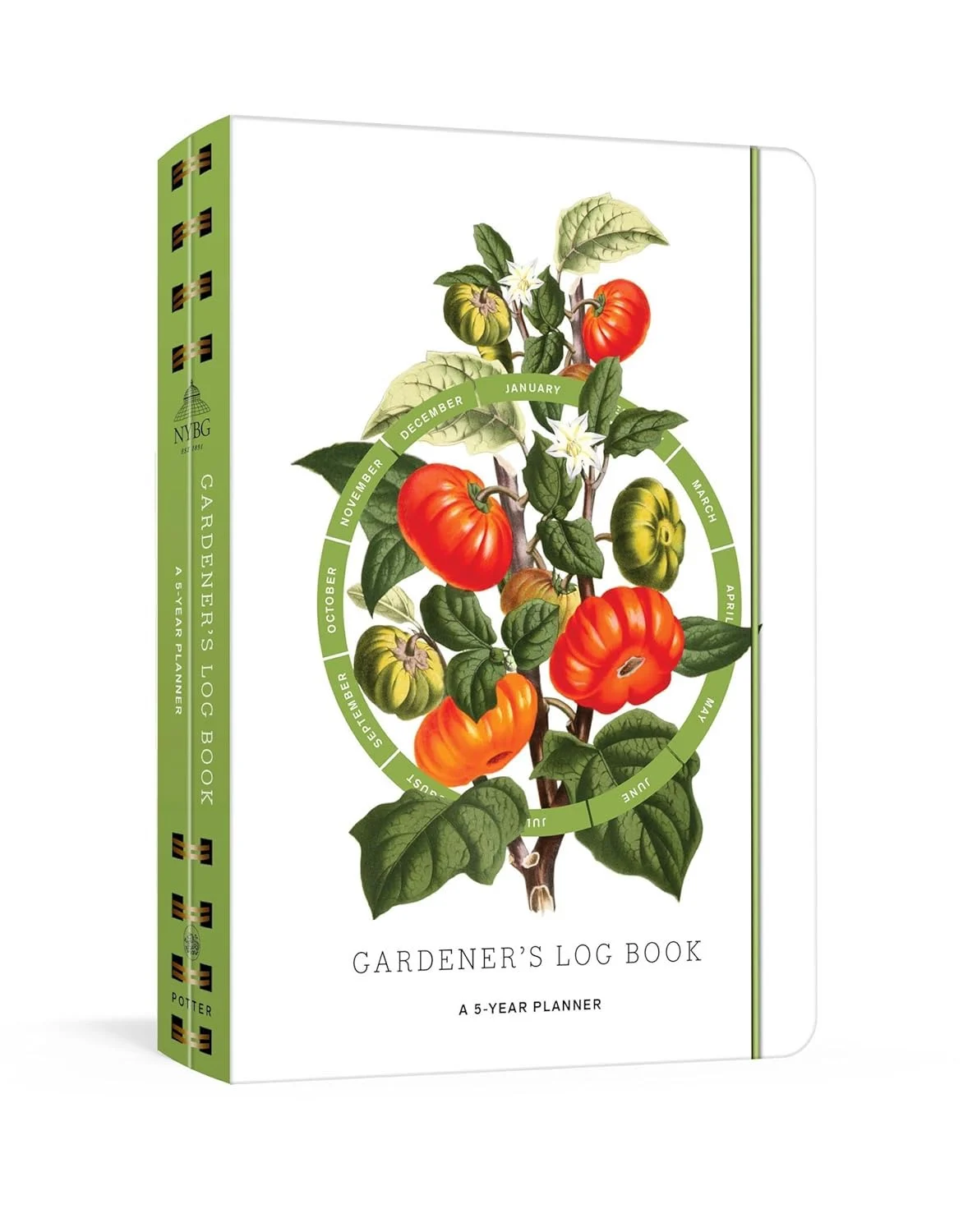
- Gardener’s Log Book from NYBG: An indispensable tool for the serious gardener. Tracking bloom times and planting dates over a five-year period is the single most effective way to improve your garden’s performance year-over-year.
Fine Gardening receives a commission for items purchased through these links. We only recommend products that meet our high standards for durability, functionality, and professional utility.
