

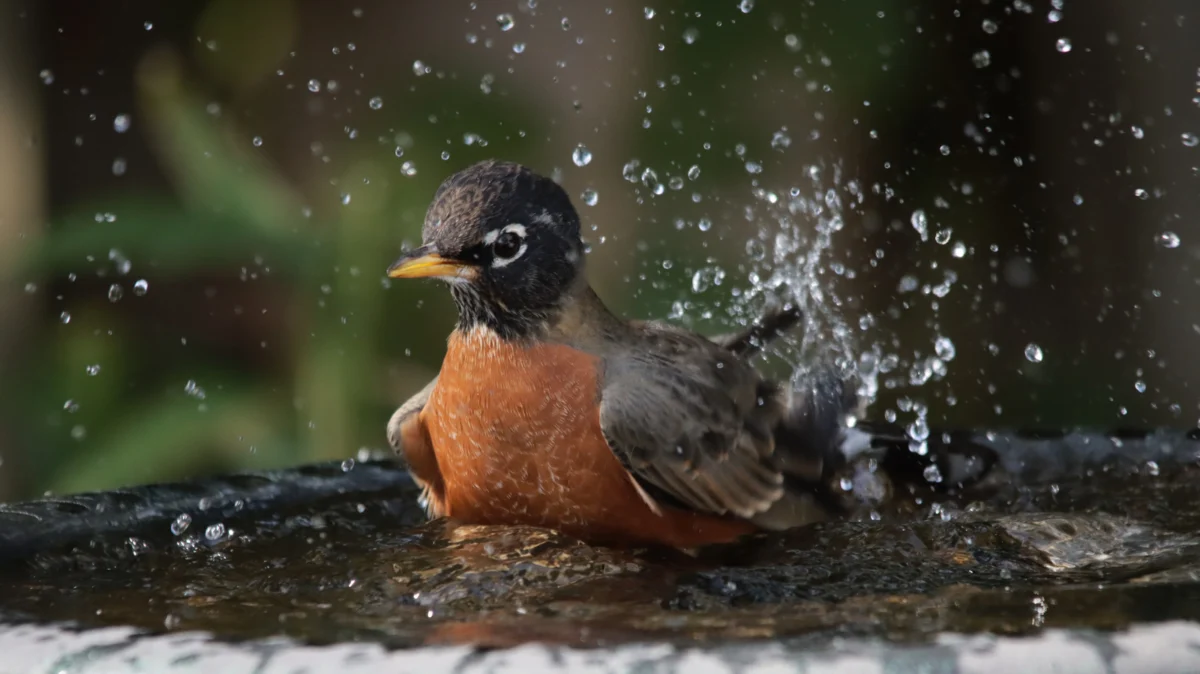
For bird enthusiasts and landscape designers alike, the birdbath serves as the centerpiece of a backyard ecosystem. It is a beacon for local wildlife, providing vital hydration and a place for avian visitors to preen. For years, the market has been dominated by plastic birdbaths—often favored for their budget-friendly price tags and lightweight portability. However, as sustainability becomes a priority for homeowners and the aesthetic demands of outdoor spaces evolve, many are moving away from synthetic materials. The shift toward cast iron represents a commitment to durability, classic design, and long-term value.
The Evolution of Garden Ornamentation: Main Facts
The primary limitation of plastic birdbaths lies in their shelf life. While convenient, plastic is inherently susceptible to UV degradation. Over time, exposure to harsh sunlight causes the material to become brittle, leading to micro-cracks, fading colors, and eventual structural failure. These products often end up in landfills, necessitating frequent replacements that negate their initial low cost.
In contrast, cast iron birdbaths serve as a “goldilocks” solution. They occupy a distinct niche between the fragile, temporary nature of plastic and the cumbersome, often immobile nature of heavy stone or poured concrete. Cast iron offers a unique blend of weight—which prevents tipping during high winds—and refined, timeless elegance. Because of its structural integrity, a well-maintained cast iron piece can function for decades, effectively becoming a family heirloom rather than a seasonal accessory.
A Historical Perspective: The Chronology of Garden Materials
The use of metal in garden art dates back centuries, but the rise of the cast iron birdbath mirrors the history of Victorian garden design.
- Pre-19th Century: Garden features were largely restricted to carved stone or wood, materials that required significant artisanal labor and expense.
- 19th Century (The Industrial Revolution): The mass production of cast iron allowed for the creation of intricate, ornate garden furniture. It was during this era that the "birdbath" became a common fixture in the manicured gardens of the middle class, as iron could be molded into elaborate floral, faunal, or neoclassical shapes that were previously unattainable for the average homeowner.
- Late 20th Century: The advent of cheap petroleum-based plastics led to a surge in affordable, mass-produced lawn ornaments. While this democratized bird-watching tools, it also led to a "disposable culture" in gardening, where fixtures were replaced every few years.
- The Modern Shift: Currently, we are seeing a resurgence in demand for “slow garden” aesthetics. Collectors and homeowners are increasingly prioritizing materials that possess longevity, leading to the resurgence of cast iron as a preferred medium for outdoor decor.
Supporting Data: Why Durability Matters
When comparing materials, the metrics of durability and stability favor metal alloys. A standard plastic birdbath often weighs less than five pounds, making it a liability in areas prone to thunderstorms or high winds. Cast iron, which can weigh upwards of 20 to 50 pounds depending on the model, provides a grounded, stable base that ensures the water remains contained and the pedestal remains upright.
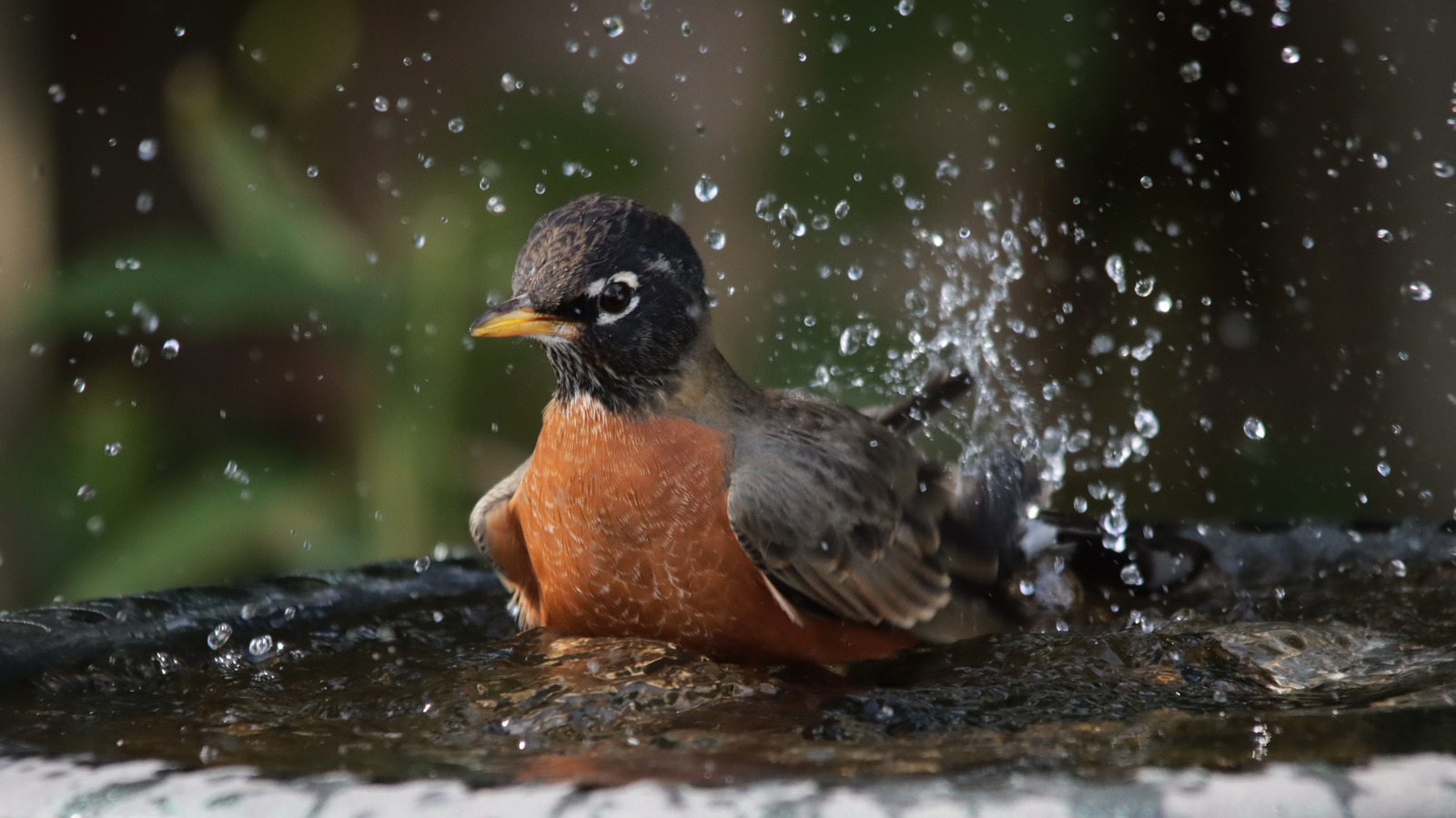
Furthermore, the environmental cost of plastic is well-documented. Plastic degradation contributes to microplastic pollution in soil and water. Cast iron, conversely, is a ferrous metal. Should a piece finally reach the end of its functional life, it is 100% recyclable, fitting into a circular economy model that is far more sustainable than its plastic counterparts.
Official Perspectives: The Professional View
Landscape architects and professional ornithologists often emphasize that the choice of birdbath material impacts not only the garden’s look but the health of the birds themselves.
"The primary goal of a birdbath is hygiene," notes a leading landscape design consultant. "Plastic surfaces can become scratched, creating microscopic grooves where algae, bacteria, and pathogens can thrive even after a rinsing. Cast iron, when properly sealed and maintained, provides a much smoother surface that is easier to sanitize. However, the trade-off is oxidation. Homeowners must be willing to engage in a maintenance routine to prevent rust, which is the only real ‘threat’ to the longevity of the piece."
Ornithologists also point out that the material must be non-toxic. While concerns are sometimes raised regarding iron rust, these are generally unfounded for bird health as long as the iron is finished with a non-toxic, lead-free coating or properly treated to prevent excessive leaching into the water supply.
Practical Maintenance: Protecting Your Investment
Transitioning to cast iron requires a shift in mindset regarding garden maintenance. Unlike plastic, which is essentially "set and forget" until it breaks, cast iron is a living material that reacts to the environment.
Managing Rust and Corrosion
The greatest challenge with cast iron is oxidation. Humidity, rain, and snow are the enemies of iron.
- Winterization: In colder climates, water expansion during freezing cycles can cause even metal to crack or cause paint to chip, exposing the raw iron. Experts recommend draining the basin during the winter months and, if possible, storing it indoors.
- Protective Coatings: For those who cannot move their birdbaths, using breathable covers is essential. Avoid airtight plastic tarps, which trap condensation against the iron, accelerating the rusting process.
- The Patina Strategy: Some enthusiasts embrace the "aged" look of a rustic patina. If, however, you prefer a sleek, dark finish, periodic treatment with a corrosion inhibitor—such as specialized food-safe or environmentally friendly rust inhibitors—can keep the iron looking pristine.
Optimal Placement
Temperature control is another critical factor. Because iron is a heat-conductive material, it can absorb sunlight and become uncomfortably warm for birds during mid-summer afternoons. Unlike plastic, which might warp, cast iron will retain that heat. Therefore, it is imperative to place your cast iron birdbath in a shaded or semi-shaded area. This serves a dual purpose: it keeps the water temperature comfortable for visiting birds and slows the evaporation process, reducing the need for constant refilling.
Implications for the Modern Gardener
The shift toward more durable materials like cast iron is more than just a trend—it is a reflection of a deeper connection between the gardener and their land. By choosing an item built to last, the homeowner reduces their carbon footprint and adds a layer of sophistication to their backyard sanctuary.
Furthermore, the aesthetic versatility of cast iron is unmatched. From the modern, minimalist lines of contemporary pedestal designs to the highly ornate, vintage-inspired Victorian styles, cast iron allows for a level of artistic expression that plastic can rarely achieve. Brands such as OGETFUUR and CYIKE have demonstrated that these pieces can also incorporate modern technology, such as integrated solar fountains, bridging the gap between historical charm and contemporary convenience.
Conclusion: A Legacy in Your Garden
Investing in a cast iron birdbath is a commitment to quality over convenience. While the initial purchase price is higher than that of a plastic alternative, the long-term cost-benefit analysis—factoring in durability, reduced waste, and enhanced visual appeal—favors the iron option. As we continue to seek ways to make our outdoor spaces more sustainable and personally fulfilling, the cast iron birdbath stands as a testament to the idea that some things are truly better when they are built to last. By caring for these pieces with simple, regular maintenance, you are not just adding a decorative element to your garden; you are providing a reliable, enduring haven for the local wildlife for years to come.
