

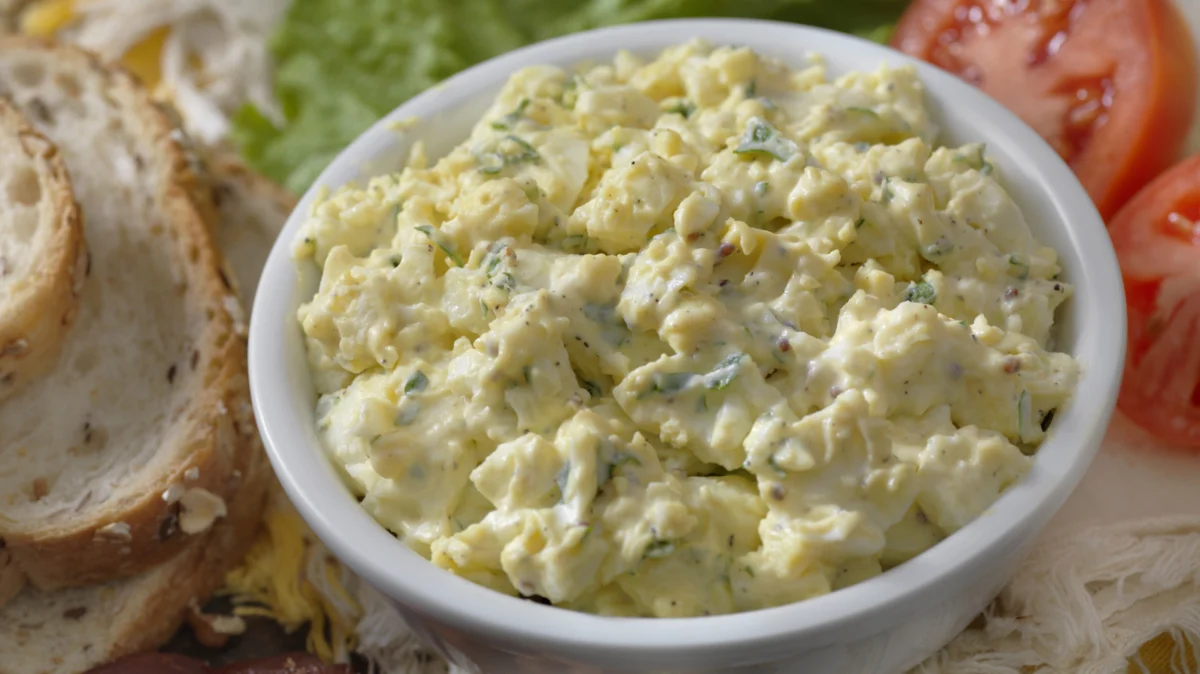
In the pantheon of comfort foods, few items are as unassuming yet deeply significant as the egg salad sandwich. In the United States, it is a staple of deli counters and school lunches—a simple, creamy, and affordable pleasure. However, across the Atlantic, the Irish have elevated this humble dish into a cornerstone of social ritual. Known as the "Irish funeral sandwich," this iteration is far more than a mere snack; it is a profound expression of hospitality, resilience, and communal grief.
While it shares the foundational DNA of the American egg salad, the Irish version possesses a culinary complexity and a heavy layer of cultural history that transforms it from a simple meal into an essential element of the Irish wake.
The Anatomy of the Irish Funeral Sandwich
To the uninitiated, the Irish funeral sandwich may appear to be a standard egg salad. However, a closer examination reveals a more substantial and intricate construction. Where American versions often rely on the minimalist combination of hard-boiled eggs, mayonnaise, and perhaps a touch of celery or mustard, the Irish funeral sandwich is a "fully loaded" experience.
The process begins with finely chopped hard-boiled eggs bound by creamy mayonnaise—or, traditionally, salad cream, which offers a sharper, tangier profile. From there, the sandwich expands. It is not uncommon to find layers of thinly sliced ham, crisp lettuce, juicy tomato, refreshing cucumber, and sharp green onions. These ingredients are piled high between two slices of soft, high-quality white bread.
The final, essential step is the presentation: the crusts are removed, and the sandwich is cut into precise, delicate triangles. This aesthetic choice is not merely for show; it reflects the meticulous care inherent in Irish hospitality, even in the darkest of times.
Chronology: A Tradition Rooted in Hospitality
The history of the funeral sandwich is inextricably linked to the tradition of the Irish wake. Historically, the Irish wake was an event that could last for days, often taking place in the home of the deceased. The bereaved family was expected to host visitors—neighbors, distant relatives, and community members—who would travel long distances to pay their respects.
The Role of Sustenance in Mourning
In the 19th and early 20th centuries, feeding these visitors was a massive undertaking. The funeral sandwich became the perfect solution for several reasons:
- Practicality: It could be prepared in large quantities well in advance.
- Cost-Effectiveness: It utilized accessible, pantry-stable, or farm-fresh ingredients.
- Universality: It provided soft, easy-to-digest sustenance for mourners who might be too grief-stricken to eat a heavy meal.
As the decades progressed, the tradition shifted from the private home to the parish hall or funeral parlor. Yet, the sandwich remained. It became a "predictable comfort"—a culinary anchor in a time of chaos. As Jocelyn Doyle, a noted observer of Irish culinary traditions, observed, "Like death itself, the funeral sandwich is inescapable, and the predictable fillings are soothing in their repetition."
Supporting Data: Why We Crave Comfort in Grief
The psychological connection between food and mourning is well-documented by sociologists and food historians. According to data regarding funeral customs, the act of serving food during a wake serves two primary purposes: providing physical nourishment and acting as a social lubricant.
The "Comfort Food" Phenomenon
Why the egg? Eggs have historically symbolized rebirth and the continuation of life. In the context of a funeral, the presence of egg-based dishes provides a subtle, almost subconscious, message of hope and cycles.
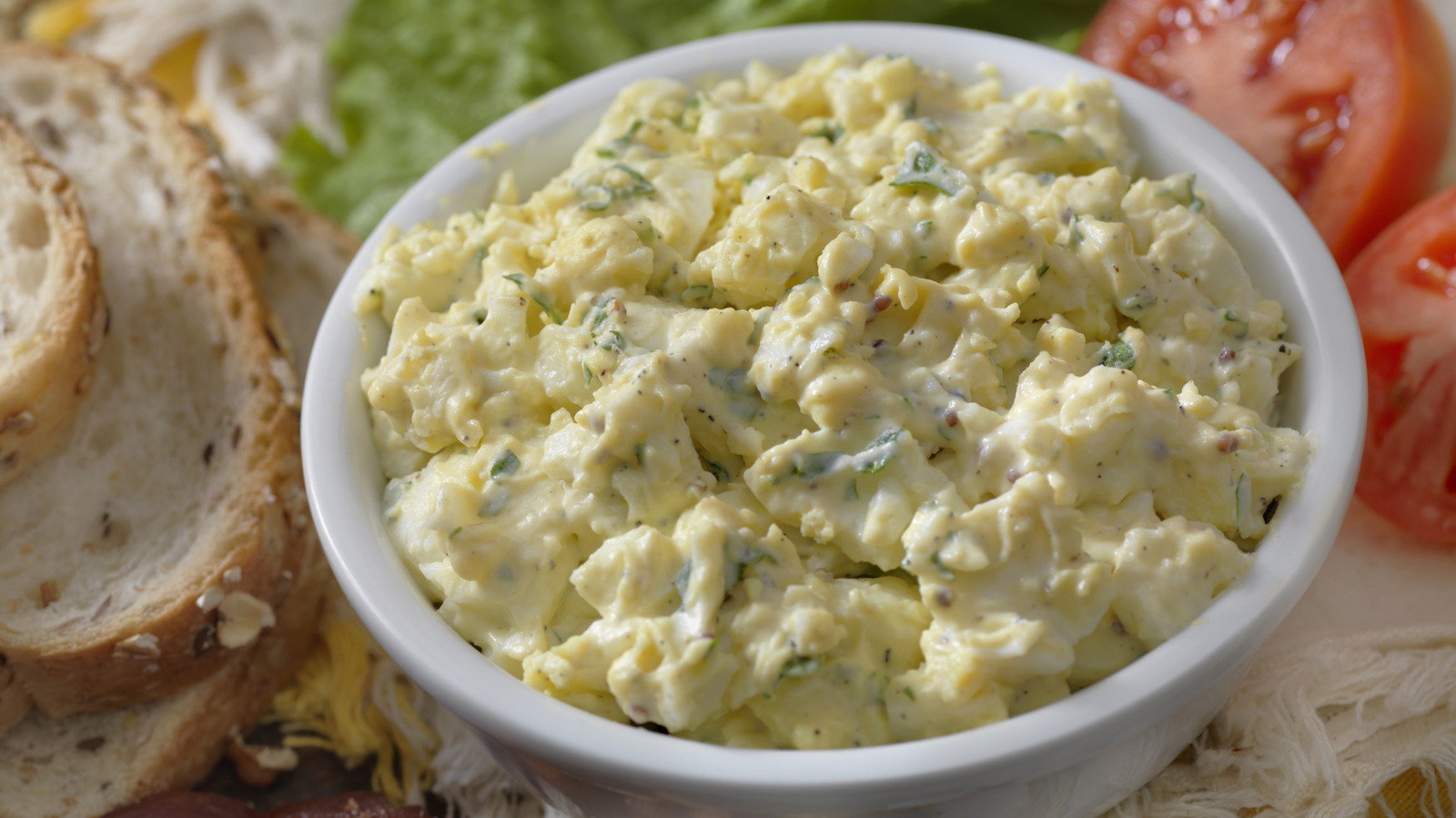
Furthermore, the "soft" texture of the sandwich is significant. Research into the psychology of eating suggests that during periods of high stress or acute grief, humans often gravitate toward foods that are "comforting"—soft, creamy, and high in carbohydrates. The Irish funeral sandwich fits this profile perfectly. It is not challenging to eat, it does not require intense chewing, and its familiar, mild flavor profile provides a sense of stability when the world feels unpredictable.
Implications: The Evolution of a Cultural Icon
While the funeral sandwich is synonymous with loss, its footprint extends far beyond the wake. In Ireland, these "salad sandwiches" are ubiquitous at christenings, communions, confirmations, and large family reunions.
From Mourning to Celebration
The transition of this dish from a somber necessity to a celebratory staple highlights its versatility. When the ham is removed and the focus remains on the egg and onion, it becomes the "Irish salad sandwich." This version remains a symbol of domesticity and care. It represents the ability of Irish families to gather, share a meal, and find connection regardless of the occasion.
The Modern Culinary Shift
In recent years, there has been a resurgence in interest regarding the "hazy history" of the egg salad. As modern gastronomy begins to look back at heritage recipes, the Irish funeral sandwich has garnered attention from chefs seeking to balance "savory depth" with "crunchy texture."
Modern variations are now appearing in high-end cafés and gastropubs, though purists argue that the true essence of the sandwich is lost when it is stripped of its communal purpose. The implication here is clear: the food is only half the experience. The other half is the act of sharing it with those who are grieving or celebrating.
Official Perspectives on the Tradition
Academic explorations, such as the autoethnographic studies published by the Taylor and Francis Group, emphasize that these rituals are vital for community cohesion. Food is the language of the Irish wake. When a family provides these sandwiches, they are communicating their grief and their hospitality simultaneously.
Experts note that these traditions are a form of "ceremonial grounding." When a death occurs, the family is often overwhelmed by logistics, legalities, and profound emotional trauma. The ritual of the sandwich—preparing it, serving it, and consuming it—offers a repetitive, manageable task that provides a sense of order. It is a way to serve the community that has come to support them.
Conclusion: A Legacy of Solace
The Irish funeral sandwich is far more than a simple lunch; it is a cultural artifact. It carries the weight of history, the warmth of hospitality, and the gentle touch of comfort. Whether it is served at a wake, a christening, or a quiet Sunday afternoon gathering, the triangle-cut sandwich serves as a reminder that food is the primary way we care for one another.
As we look toward the future, the popularity of the Irish funeral sandwich serves as a testament to the power of tradition. In a world that is increasingly fast-paced and impersonal, the time taken to boil, chop, assemble, and share a plate of these sandwiches remains a radical act of kindness. The next time you find yourself craving the creamy, savory satisfaction of an egg salad, consider adding a bit of Irish tradition: some crisp cucumber, a slice of ham, a handful of green onions, and the intention to share it with someone you care about. It is, after all, the Irish way.
