

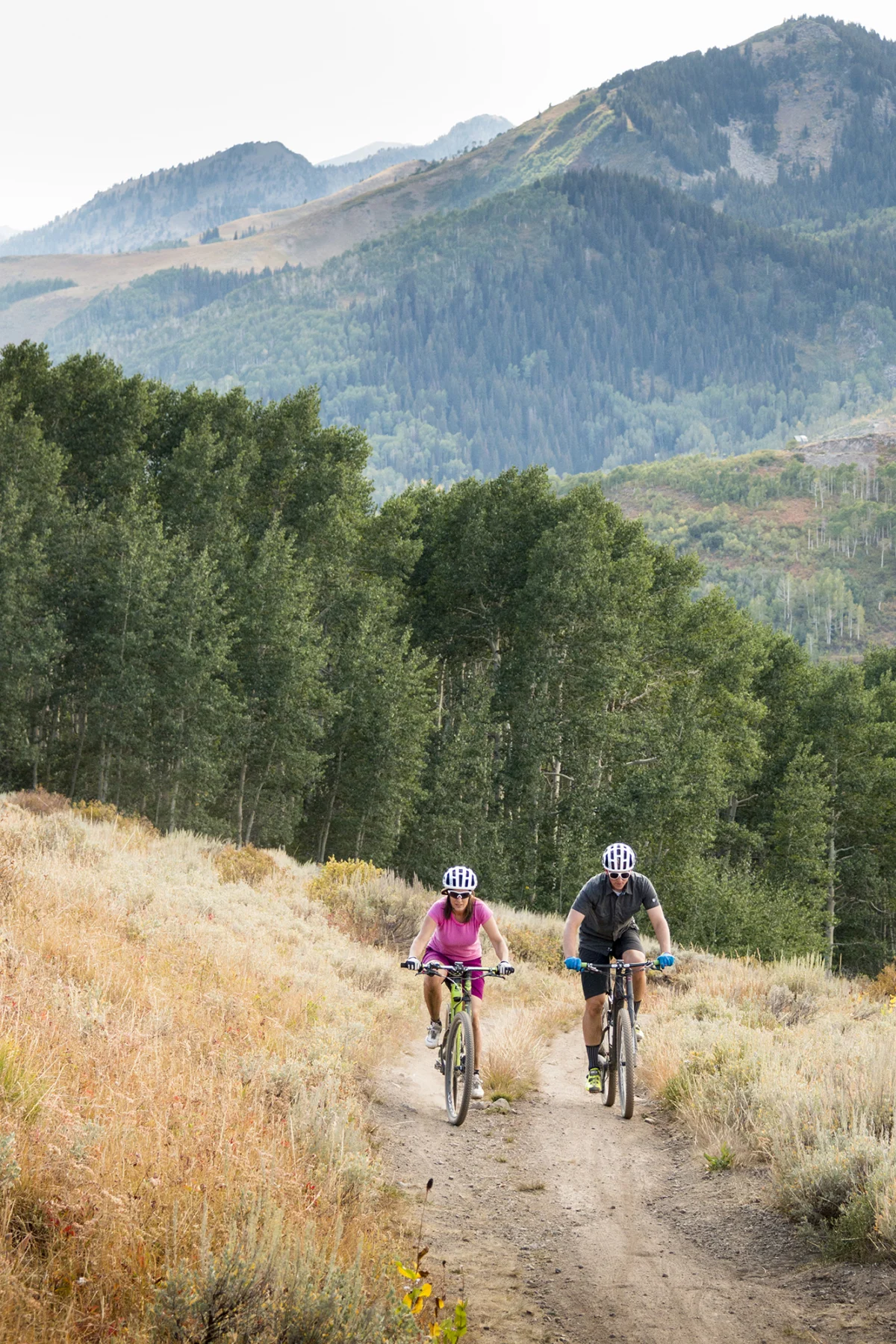
The American West has long been defined by its winter identity—a sprawling, snow-dusted landscape of world-class resorts, jagged peaks, and a multi-billion-dollar ski industry. For decades, the narrative of the mountain town was binary: the "season," which runs from the first snowfall to the final spring melt, and the "shoulder season," a period often dismissed as a quiet interlude of mud and shuttered windows.
However, a shift is underway. As climate patterns become increasingly volatile and winters deliver record-low snowfalls, the region’s high-altitude destinations are undergoing a metamorphosis. They are no longer merely "ski towns"; they are becoming year-round hubs for adventure, culture, and sustainable tourism. By leaning into the warmer months, these communities are not only diversifying their economies but also offering travelers a deeper, more intimate connection to the landscape.
The New Reality: Redefining the Mountain Economy
The traditional dependence on winter tourism is becoming a precarious business model. Recent data from the Western Water Assessment suggests that snowpack reliability in many parts of the Rockies and the Sierra Nevada is declining, leading to shorter, more unpredictable ski seasons.
"The reliance on a single, weather-dependent season is a vulnerability that many small towns in the West can no longer afford," says Dr. Elena Rossi, an economist specializing in mountain town development. "By cultivating a robust summer and fall economy, these destinations are buffering themselves against the impacts of climate change while providing a much-needed lifeline to local small businesses that have historically struggled during the ‘quiet’ months."
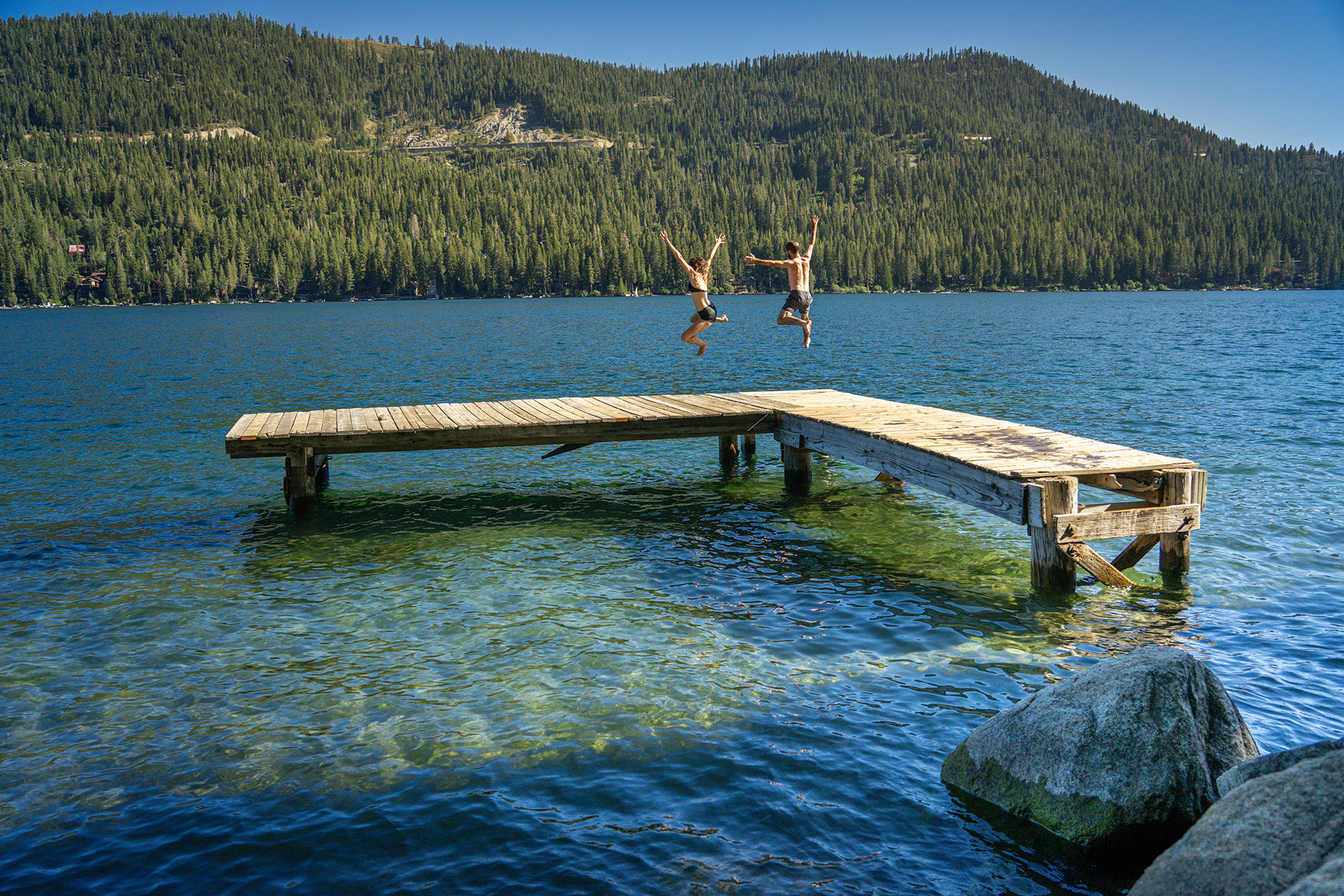
Supporting these towns during the shoulder season—the transition period between winter and summer—has become an act of conscious tourism. It alleviates the intense crowding of peak summer and provides consistent revenue for the local artisans, guides, and hospitality workers who sustain these communities year-round.
Chronology of the Transformation: From Ski Hubs to All-Season Playgrounds
The evolution of these towns from seasonal retreats to year-round magnets follows a distinct trajectory:
- The Early Years (1970s–1990s): Infrastructure was built almost exclusively for winter transit. Lifts were dormant in summer; downtown areas saw businesses close their doors in April and reopen in December.
- The Expansion Era (2000s–2015): The rise of mountain biking and the professionalization of outdoor guiding spurred interest in summer infrastructure. Resorts began keeping trams open for scenic rides and developing trail networks to capture the growing demographic of "active vacationers."
- The Modern Paradigm (2016–Present): A focus on "destination stewardship." Towns are now investing in multi-use trail systems, cultural museums, and high-end culinary experiences that are independent of snow. The goal is to provide a comprehensive experience that appeals to families, athletes, and remote workers alike.
Big Sky, Montana: Elevating the Alpine Experience
In Big Sky, the transformation is vertical. The town, once solely synonymous with the dramatic runs of Lone Peak, has rebranded itself as a summit-level experience for the warmer months.
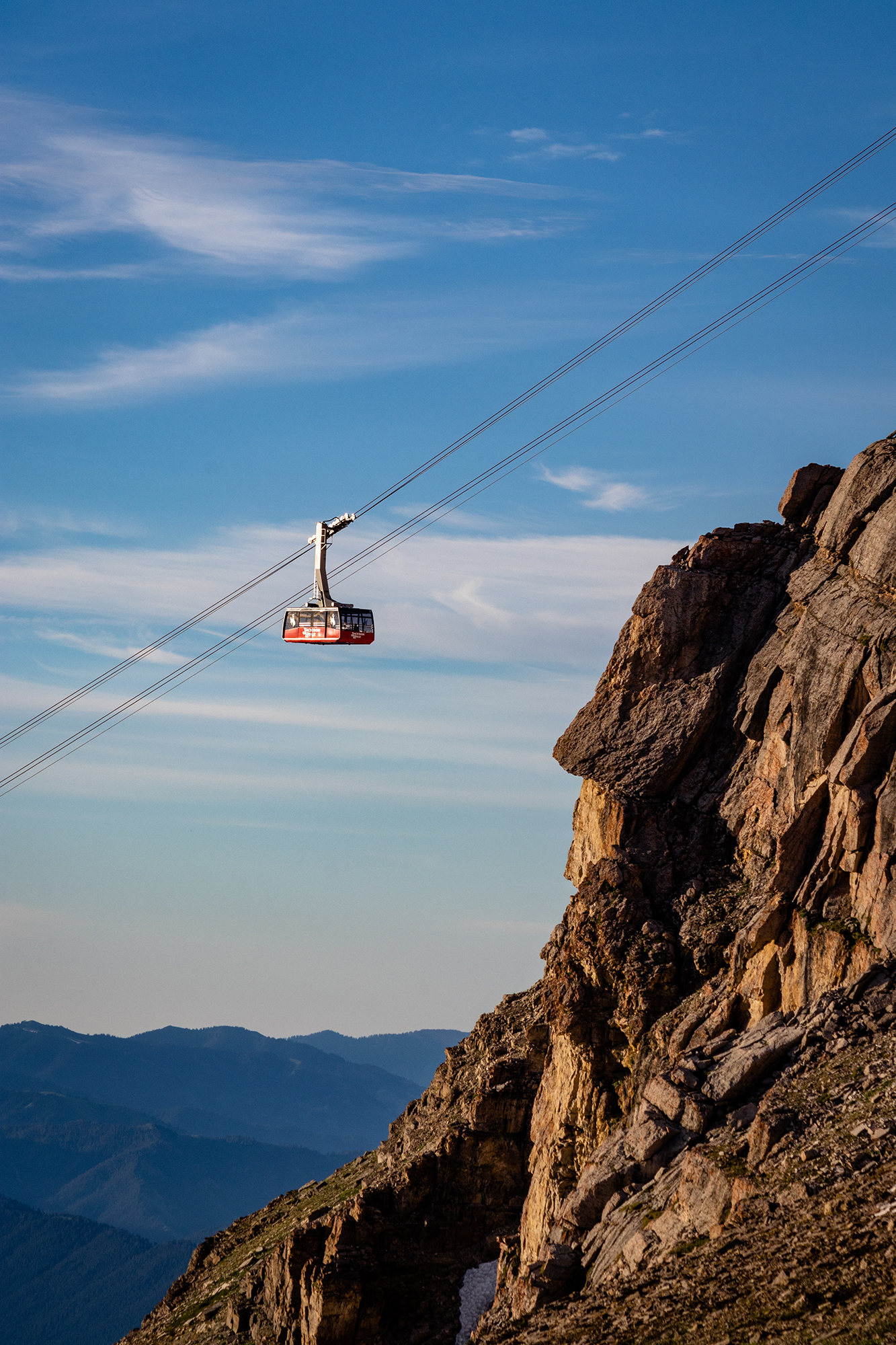
The introduction of the newly opened Kircliff tram serves as a centerpiece for this shift. Unlike its winter iteration, the summer tram provides access to an all-glass summit observatory, offering 360-degree vistas that reveal the raw, jagged scale of the Madison Range. Beyond the peaks, the town’s proximity to Bozeman serves as a strategic advantage. Travelers can spend the morning sport climbing on the limestone walls of Gallatin Canyon and the afternoon fly-fishing on blue-ribbon trout streams. The trail systems, once buried under feet of powder, now serve as a world-class network for hikers seeking to traverse the vast Montana backcountry.
Park City, Utah: The Infrastructure of Opportunity
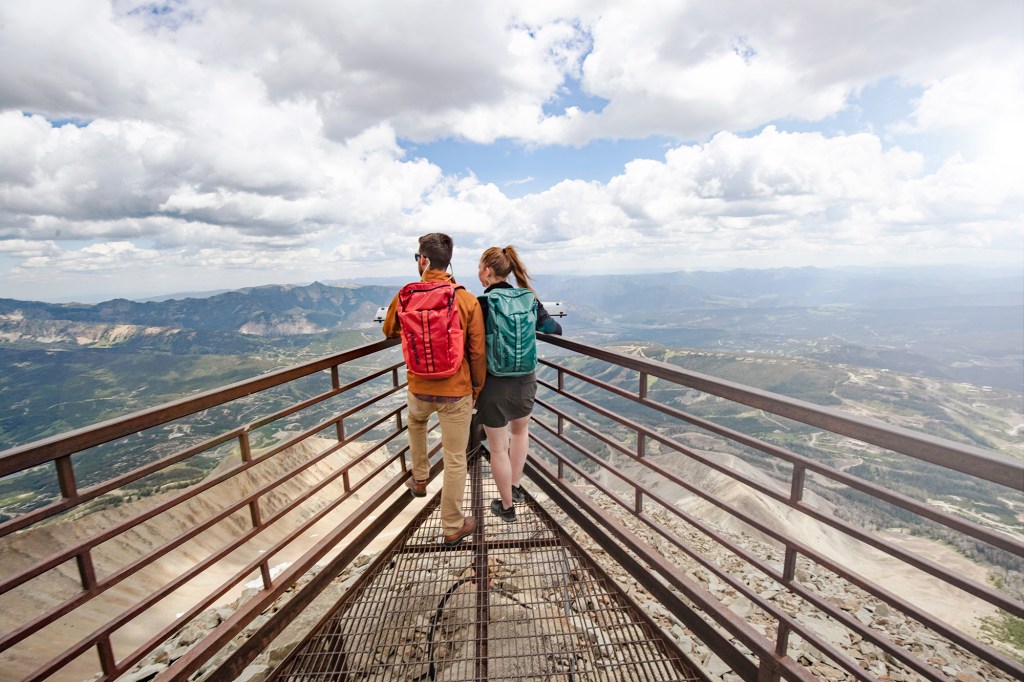
Park City provides a masterclass in leveraging existing infrastructure for off-season utility. As the largest ski resort in the United States, its footprint is massive—and that footprint has been meticulously converted into over 400 miles of mountain bike and hiking trails.
What makes Park City unique is its integration of mountain access. By keeping lifts operational through the summer, the resort allows visitors of all physical abilities to reach high-alpine terrain that would otherwise take hours of strenuous climbing. This accessibility is complemented by a sophisticated town center. A visit to the High West Distillery, a deep dive into the history of the Winter Games at the Utah Olympic Park Museum, and fly-fishing excursions on the Provo River round out an itinerary that rivals any coastal vacation destination.
Truckee, California: Adrenaline in the Sierra
In the high Sierra, summer is an exercise in verticality. Truckee, the gateway to the Lake Tahoe region, has embraced its rugged geology to create an outdoor laboratory for thrill-seekers.
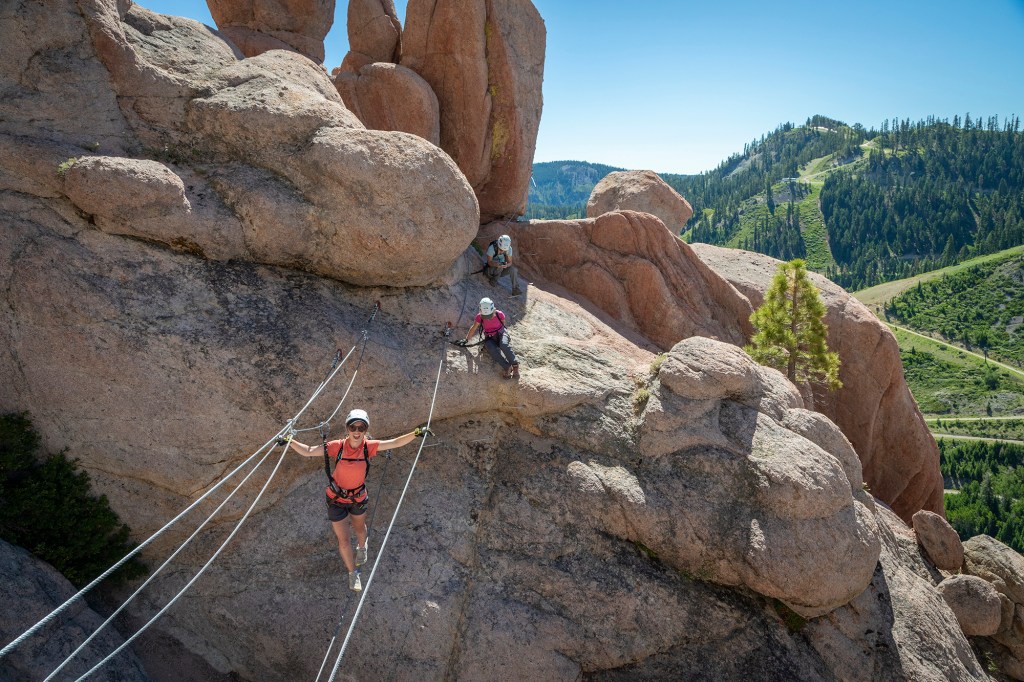
The area is famous for its granite—a material that has made it a premier destination for traditional and sport climbing. Routes etched into the faces at Lover’s Leap and Donner Summit challenge even the most experienced climbers. For those seeking a guided experience, the via ferrata at Palisades Tahoe offers a safe but adrenaline-inducing way to traverse sheer cliffs, providing a bird’s-eye view of the Tahoe landscape. Between the climbing sessions, the region’s alpine lakes provide a necessary cool-down, blending the high-octane energy of big-mountain biking with the serene, glassy waters of the Sierra.
Jackson Hole, Wyoming: A Base Camp for the Wild
Jackson Hole occupies a unique position in the American imagination. It is the rugged, untamed heart of the Cowboy State, and its summer offerings are inextricably linked to the preservation of its wild character.
The Tetons serve as a year-round theater. In the summer, the focus shifts to the Snake River—a waterway that serves as a lifeline for the valley and a playground for rafters. For the photographer or the naturalist, the valley offers unparalleled wildlife viewing opportunities, often described by locals as "safari-like" in its density and variety. Furthermore, Jackson Hole functions as the primary gateway to Yellowstone National Park. By utilizing the town as a base camp, travelers can balance the high-energy demands of mountain climbing and gravel grinding with the awe-inspiring, contemplative experience of exploring the world’s first national park.
Bend, Oregon: The High Desert Happy Hour
Bend represents the "high-desert" model of the mountain town. Unlike the forested slopes of the Rockies, Bend’s environment is volcanic and arid, a landscape that demands a different pace of life.
Here, the Deschutes River is the center of gravity. Kayaking, stand-up paddleboarding, and river floating are the preferred summer modes of transport. The town’s culture is markedly casual, defined by a pet-friendly ethos and an incredibly high density of craft breweries. With the Cascade Mountains framing the horizon, Bend creates an atmosphere of "outdoor happy hour"—a place where the physical exertion of mountain biking or climbing is immediately rewarded by the social, relaxed pace of a vibrant, sun-drenched downtown.
Implications for the Future of Mountain Travel
The pivot toward year-round tourism carries significant implications for both the environment and the local social fabric.
Economic Sustainability
Local businesses that formerly operated on a "feast or famine" cycle are finding greater stability. This allows for better year-round employment for residents, helping to address the housing and labor crises that often plague seasonal resort towns.
Environmental Stewardship
With year-round traffic comes the need for year-round environmental management. Mountain towns are increasingly focusing on "Leave No Trace" education and infrastructure management to ensure that high foot traffic on trails does not lead to erosion or habitat degradation.
Official Response and Policy
Local chambers of commerce and municipal governments are shifting their marketing budgets away from "ski-only" campaigns. Instead, they are investing in regional trail connectivity, public transit, and arts programming. The consensus among town planners is clear: the mountain town of the 21st century must be as dynamic as the landscape it inhabits.
Conclusion
The mountains of the West are undergoing a quiet revolution. As the snow melts, they are revealing not a void, but a vibrant, complex, and deeply inviting landscape. Whether it is the granite faces of the Sierra, the sage-brushed trails of the Wasatch, or the volcanic deserts of Oregon, the "shoulder season" is disappearing, replaced by a new era of all-season discovery. For the traveler, this means more room to explore, a deeper connection to the local communities, and the realization that the mountains are not just a destination for winter—they are a home for every season.
