

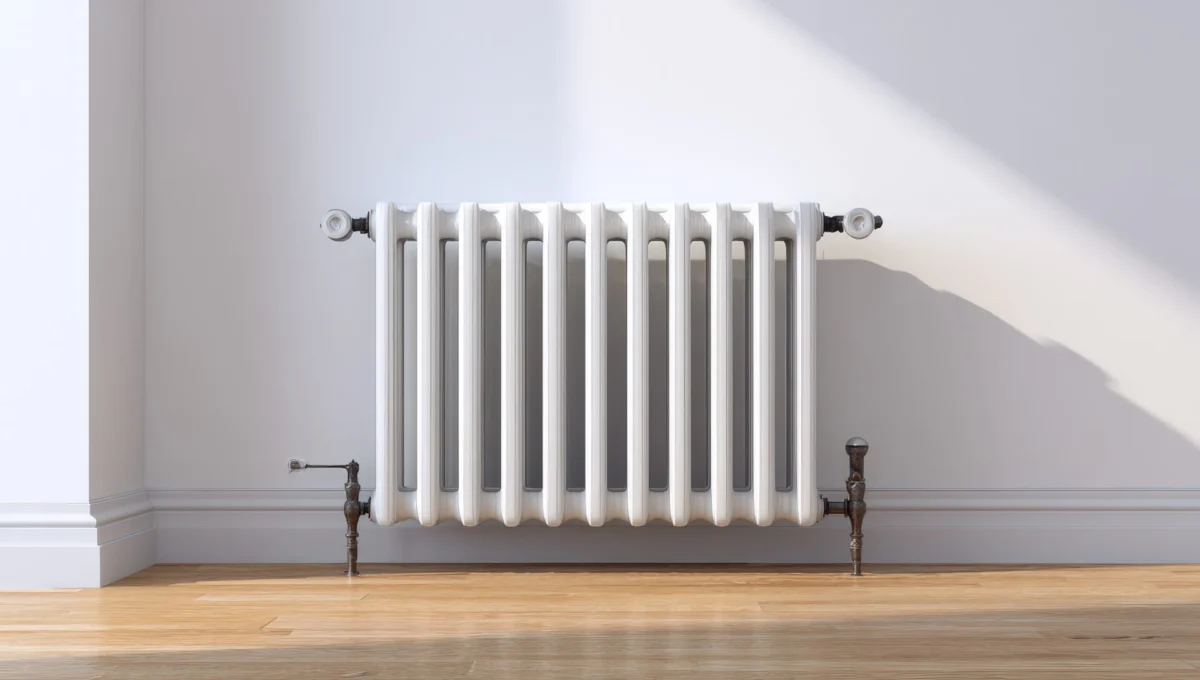
For homeowners looking to upgrade their home’s climate control, baseboard radiators remain a stalwart, reliable, and highly effective solution. Often favored for their low profile and ability to provide precise, room-by-room temperature control, these systems are a cornerstone of residential heating. Whether you are building a new addition or looking to modernize an older home without existing ductwork, understanding the nuances of baseboard heating—from upfront costs to long-term energy implications—is essential for making an informed investment.
Main Facts: What Are Baseboard Radiators?
Baseboard radiators are low-profile heating units installed along the perimeter of a room, typically at floor level. Unlike forced-air systems that rely on a central blower to push heated air through a network of ducts, baseboard radiators work via convection or radiant heat.
There are two primary categories of these systems:
- Electric Baseboard Heaters: These units draw air in, heat it using internal metal coils, and release it into the room. They are simple to install and ideal for spaces where plumbing or boiler access is not available.
- Hydronic Baseboard Radiators: Often referred to as "hot water" baseboard heating, these units utilize a liquid medium (water or oil) heated by a central boiler. The heated fluid travels through pipes to the radiator units, which then emit heat into the room.
The primary appeal of these systems lies in their "zoned" nature. Because each unit can be controlled independently, homeowners can save on energy by not heating unused rooms—a significant advantage over centralized HVAC systems.
Chronology: The Evolution of Residential Heating
The adoption of baseboard heating in the United States grew significantly during the post-WWII housing boom. As home construction shifted toward more compact designs, architects and engineers sought heating solutions that did not sacrifice living space for bulky radiators or massive ducting systems.

- Mid-20th Century: The rise of hydronic baseboard systems allowed for more uniform, comfortable heat compared to the older, cast-iron radiator designs of the early 1900s.
- Late 20th Century: Electric baseboard heating became the standard for apartment complexes and supplemental heating in residential additions due to its low initial capital expenditure and ease of installation.
- Modern Era: Today, the focus has shifted toward high-efficiency hydronic boilers. While the physical units remain similar in design, the technology controlling the fluid distribution and the integration of smart thermostats have dramatically improved the energy profile of these systems.
Supporting Data: Investment Costs and Economic Realities
The cost of installing a baseboard radiator system is highly variable, largely dependent on the chosen technology and the complexity of the installation. According to industry data, professional installation typically ranges between $200 and $1,200 per unit.
Cost Breakdown Table
| Heating Type | Unit Cost (Materials Only) | Installed Price (Per Unit) |
|---|---|---|
| Electric | $50 – $130 | $200 – $1,100 |
| Hydronic | $180 – $320 | $430 – $1,200 |
Note: Costs include professional labor but vary based on electrical or plumbing complexity.
Labor remains a primary driver of the final invoice. HVAC technicians typically charge between $75 and $150 per hour. For electric systems, the installation time is usually limited to two or three hours. Hydronic systems, which require integrating into an existing boiler or establishing a new closed-loop system, can take up to four hours or more per unit, significantly increasing labor costs.
Expert Insights: The Perspective from the Field
"People tend to ignore them, but baseboard radiators are one of the most effective ways to heat a home," says Mitch Rosa, owner of Hudson Valley HVAC in Orange County, New York. Rosa emphasizes that while the units are effective, they demand a sacrifice in interior design. "They use up a lot of space, and homeowners don’t always like to lose that."
Beyond the aesthetic trade-off, Rosa warns against the "under-sizing" of systems. He likens a home to a living body: "Every home is like a body—it needs to breathe. If you run undersized heating solutions, it’s like running with cotton in your nose. You’re going to be working harder and cause a heart attack."

Proper sizing is not just about comfort; it is about the longevity of the equipment. A system that is forced to run at maximum capacity constantly due to poor calculation will experience accelerated wear and tear.
Implications: The Long-Term Heating Decision
When choosing between electric and hydronic, the long-term implications for your utility bills are substantial.
Efficiency and Energy Costs
Electric baseboard heaters are inexpensive to install but are generally less efficient in terms of operating costs. Because they rely on high-wattage electric coils, the cost of electricity per unit of heat is often significantly higher than that of natural gas or oil used in a hydronic boiler.
Hydronic systems, conversely, are the gold standard for whole-home comfort. Liquids retain heat far longer than metal coils, meaning the boiler cycles on and off less frequently. For those in colder climates, a well-maintained hydronic system is almost always the more economical choice over a five-to-ten-year period.
The "No-Duct" Advantage
One of the most significant implications of choosing baseboard radiators is the ability to bypass ductwork entirely. In older homes with solid plaster walls or architecture that does not accommodate large return-air ducts, baseboard heating is often the only viable solution for whole-home comfort. Furthermore, it eliminates the need for expensive duct cleaning and the risk of dust/allergen circulation common with forced-air systems.

Strategic Tips for Installation and Savings
If you are proceeding with a baseboard installation, there are several ways to manage the budget:
- Bundle Your Installations: Many contractors offer volume discounts if you install multiple units in a single visit. If you are replacing one unit, it may be cost-effective to replace others that are nearing the end of their 20-year lifespan at the same time.
- Off-Season Scheduling: HVAC demand is seasonal. Scheduling your installation during the "shoulder months" (spring or fall) can often result in lower labor rates as contractors look to keep their teams busy.
- Optimize Placement: Keep furniture at least three inches away from the units. This allows for proper convection and prevents the "dead zones" where air cannot circulate.
- Avoid Utility Clutter: If installing a new boiler, ensure it is not placed in a laundry room. Lint from dryers is a leading cause of boiler clogs and system failures.
- Professional Assessment: Do not attempt a DIY installation for hydronic systems. The risks associated with boiler pressure and improper venting can result in property damage or safety hazards. Always ensure your technician is licensed and insured.
Maintenance: Protecting Your Investment
A baseboard radiator system can easily last two decades with minimal, but consistent, care:
- Bi-Annual Cleaning: Every six months, vacuum the units to remove dust and debris that can insulate the coils or heating elements.
- The "Louver" Check: Ensure that the metal flaps (louvers) on top of the units are open. If they are painted shut or closed, the heat cannot escape into the room.
- Hydronic Bleeding: For hydronic systems, air pockets can build up in the lines, preventing hot water from reaching the radiator. Annual bleeding of the lines ensures the system remains pressurized and effective.
- Insulation Integrity: The efficiency of your radiators is tied to the insulation of your home. Ensure windows and doors are sealed to prevent heat loss, as baseboard radiators work best in an environment where they don’t have to fight constant drafts.
Conclusion
Baseboard radiators remain an incredibly effective, quiet, and reliable way to manage indoor temperatures. While they require a commitment of floor space and an upfront installation cost that varies by system type, the benefits of zoned, comfortable, and duct-free heating are significant. By understanding the differences between electric and hydronic models and working with professional contractors to size your system correctly, you can ensure that your home stays warm and efficient for decades to come.
As you move forward, prioritize high-quality installation and routine maintenance—your heating system, and your wallet, will thank you.
