

For decades, the culinary reputation of the American gas station was defined by roller-grill hot dogs and lukewarm coffee. However, a significant shift in consumer behavior and corporate strategy has transformed the humble convenience store into a legitimate contender in the quick-service restaurant (QSR) space. Today, millions of Americans are bypassing traditional fast-food drive-thrus in favor of the pizza counter at their local filling station.
What was once considered a "last resort" meal has evolved into a destination-worthy culinary experience. From the legendary, cult-followed slices of the Midwest to the freshly baked pies found in high-traffic travel centers, convenience store pizza is experiencing a golden age.
The Evolution of Convenience: A Historical Perspective
The trajectory of gas station dining has been defined by three distinct eras.
The Era of Scarcity (1970s–1990s): During this period, food at a service station was strictly utilitarian. Options were largely limited to pre-packaged snacks, shelf-stable pastries, and the aforementioned roller-grill items. The concept of "freshly prepared" was virtually non-existent, and pizza was largely relegated to frozen options found in a refrigerated aisle.
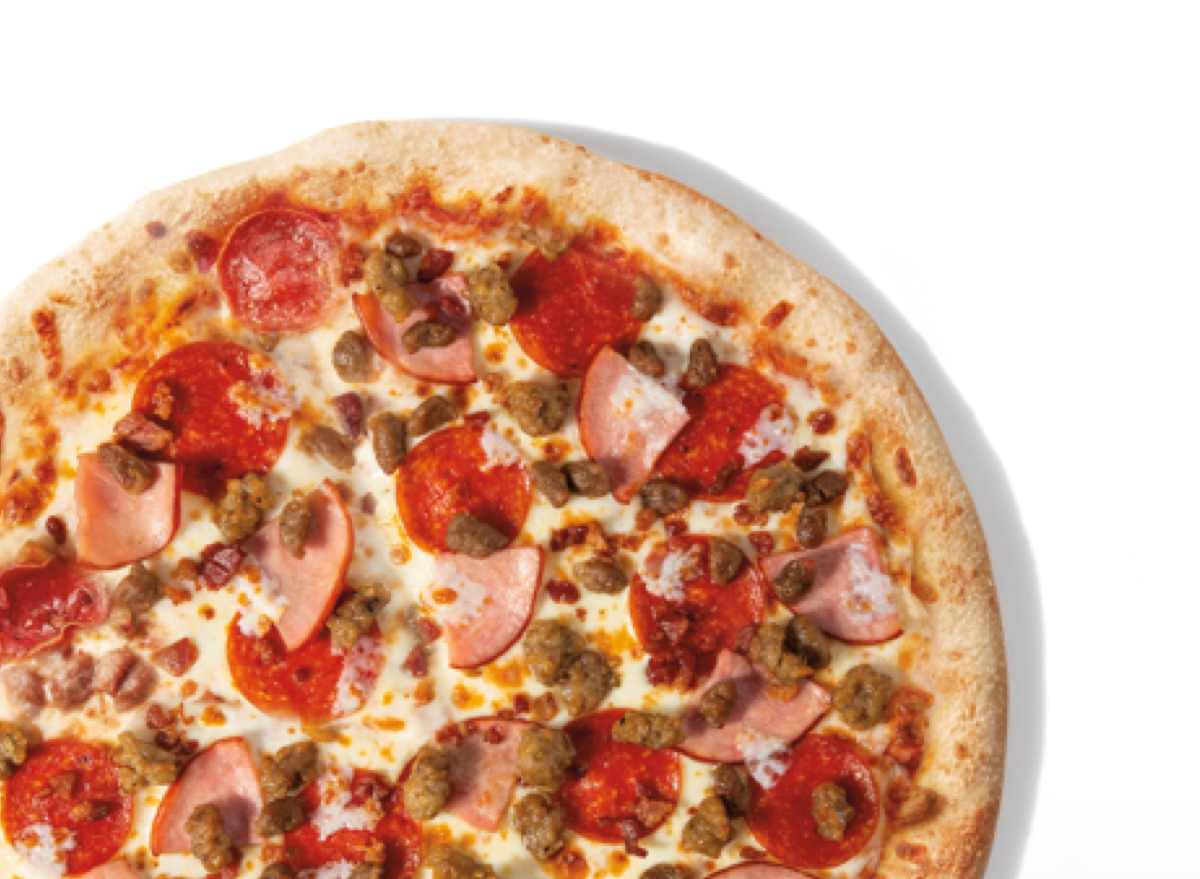
The Era of Integration (2000s–2015): This era saw the rise of the "Travel Center" model. Chains began to realize that if they could keep a customer on the premises for 20 minutes instead of five, they could increase "basket size"—the total dollar amount a customer spends per visit. This led to the integration of proprietary food service programs and the birth of partnerships with established pizza franchises.
The Modern Renaissance (2016–Present): Today, we are in the era of "Fresh-Prepared Convenience." Modern chains like Casey’s and QuikTrip have invested millions into industrial-grade kitchens, high-quality ingredients, and specialized training for employees. The focus has shifted from mere convenience to quality and consistency, effectively challenging local pizzerias for the "Friday night dinner" market share.
The Pillars of the Industry: Four Chains Leading the Charge
According to consumer sentiment and market trends, four specific chains have set the gold standard for convenience store pizza.
1. Casey’s General Store: The Midwest Gold Standard
Casey’s is perhaps the most significant player in the gas station pizza revolution. With thousands of locations across the Midwest, it has successfully branded itself as a legitimate pizza parlor that happens to sell gasoline.
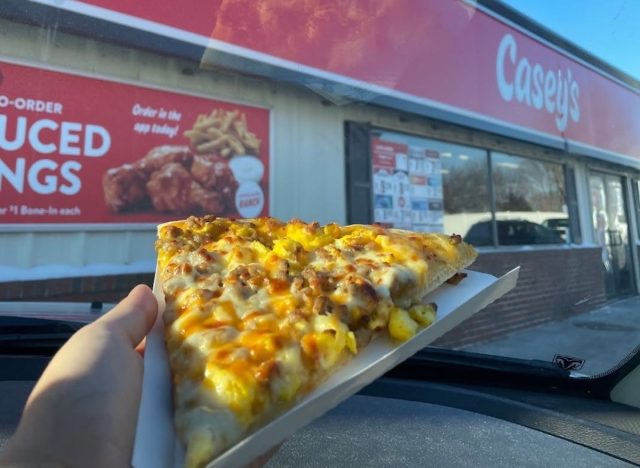
- The Appeal: Their made-from-scratch dough, prepared fresh daily in every store, serves as the foundation.
- The Cult Following: Their breakfast pizza—topped with eggs, sausage, bacon, and cheese—has achieved near-mythical status, often being cited by fans as a superior alternative to traditional fast-food breakfast sandwiches.
2. 7-Eleven: Global Accessibility
While 7-Eleven is synonymous with Slurpees, their hot food program, particularly the "Hot-to-Go" pizza, has seen massive improvements in recent years. By focusing on individual-sized slices and whole pies available for immediate pickup, they cater to the urban commuter who demands speed without sacrificing heat or flavor.
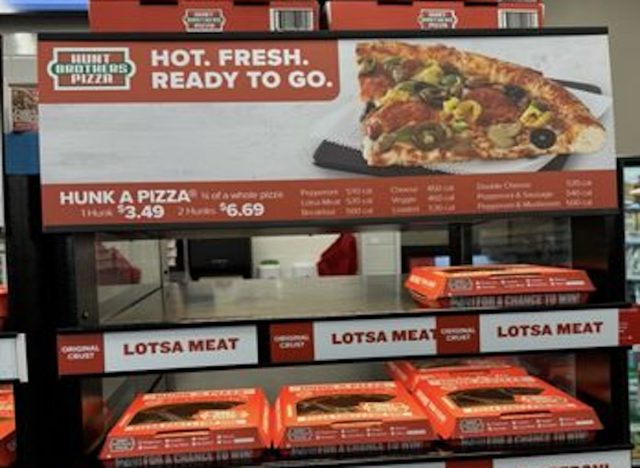
3. Hunt Brothers Pizza: The "Store-in-Store" Model
Hunt Brothers occupies a unique niche. Rather than owning the store, they operate as a partner inside existing convenience stores. Their strategy is simple: keep the menu small, the quality high, and the availability widespread. By focusing on a "no extra charge for toppings" policy, they have cultivated intense loyalty in rural and suburban markets where major delivery chains rarely venture.
4. QuikTrip (QT): The Efficiency King
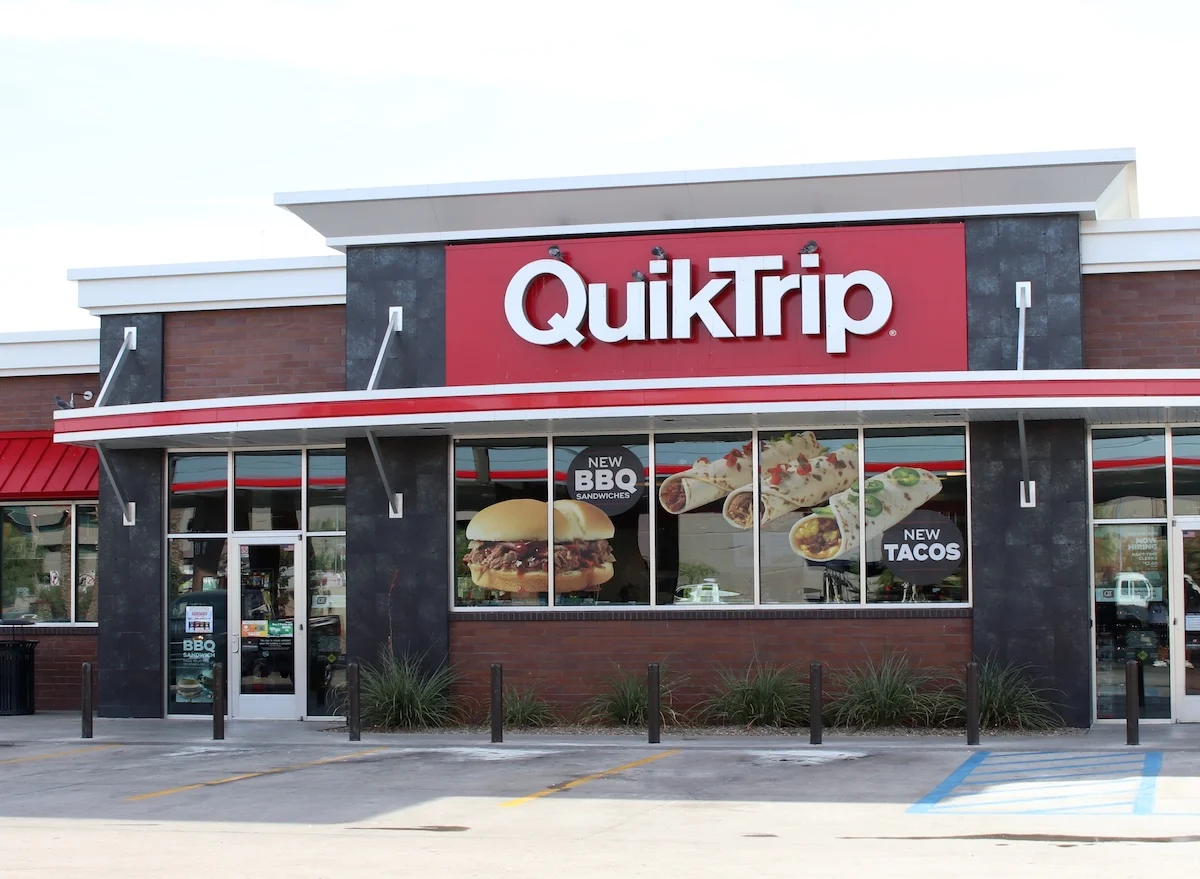
Often referred to as the "Gold Standard" of convenience store operations, QT has taken the same level of care they apply to their clean restrooms and efficient checkout lines to their kitchen. Their pizza is frequently praised for its consistency—a major hurdle in the convenience sector. Whether you are in Tulsa, Oklahoma, or Phoenix, Arizona, the QT pizza experience remains remarkably similar, earning it a reputation as a reliable "hidden gem."
Supporting Data: Why Consumers Are Choosing the Pump Over the Pizzeria
Market analysis from the convenience store industry suggests that food service now accounts for roughly 25% of in-store profits for many chains. Several factors drive this growth:
- The Price-to-Value Ratio: As inflation hits the restaurant industry, traditional pizza chains have seen prices skyrocket. Convenience stores, leveraging their existing overhead, can often offer a whole pizza at a price point significantly lower than a traditional restaurant, without the need for delivery fees or tipping.
- One-Stop Efficiency: For the modern consumer, time is the most valuable currency. The ability to fuel the vehicle, purchase essential household items, and pick up a hot, fresh dinner in a single trip is a logistical advantage that traditional pizzerias cannot replicate.
- Quality Control Innovations: Modern chains have adopted high-tech conveyor ovens and standardized ingredient sourcing. This ensures that a pizza bought on a Tuesday morning meets the same quality standards as one bought on a Saturday night.
Official Responses and Corporate Strategy
The shift toward high-quality hot food is not accidental; it is a deliberate corporate pivot. In recent earnings calls, executives from major convenience chains have explicitly stated that their goal is to compete directly with QSR chains like Domino’s or Pizza Hut.
"Our kitchens are no longer an afterthought," said a representative from a leading regional chain. "They are the heartbeat of the store. When we train our team members, we treat them as line cooks, not just retail clerks. The focus is on the craft of the product."
Furthermore, investments in mobile ordering and app-based loyalty programs have allowed these stores to capture data on consumer preferences, allowing them to iterate their menus with seasonal toppings and limited-time offers—a practice once exclusive to major restaurant brands.
Implications: The Future of the American Pizza Landscape
The rise of "gas station pizza" carries significant implications for the broader food industry:
- Market Disruption: Local, independent pizzerias are feeling the pressure. In small towns, a chain like Casey’s often serves as the primary provider of prepared meals, effectively crowding out smaller competitors who cannot match their scale or pricing.
- Health and Nutrition Standards: As these chains lean further into food service, they face increased scrutiny regarding nutrition. The industry is currently responding by introducing more diverse options, including cauliflower crusts, veggie-heavy toppings, and calorie-conscious menu items, though the classic "greasy slice" remains the top seller.
- The "Third Place" Concept: Convenience stores are evolving into a "third place"—a social space between home and work. With updated seating areas and Wi-Fi, the next generation of convenience stores is aiming to be a destination where people linger, not just a place they pass through.
Conclusion
The stigma once attached to "gas station pizza" is rapidly dissolving. It is being replaced by a pragmatic appreciation for quality, affordability, and the sheer convenience of a hot, satisfying meal found at the pump. Whether it is the legendary breakfast pizza of the Midwest or a quick pepperoni slice on a commute, the convenience store has cemented its role as a vital player in the American culinary landscape.
As technology improves and supply chains become more sophisticated, we can expect the quality gap between the convenience store and the traditional pizza parlor to continue to close. For the consumer, this means more choices, better food, and the continued normalization of the high-quality, high-speed meal. The next time you find your tank running low, consider pulling up to the pump—and perhaps staying for a slice. You might be surprised by what you find.
