

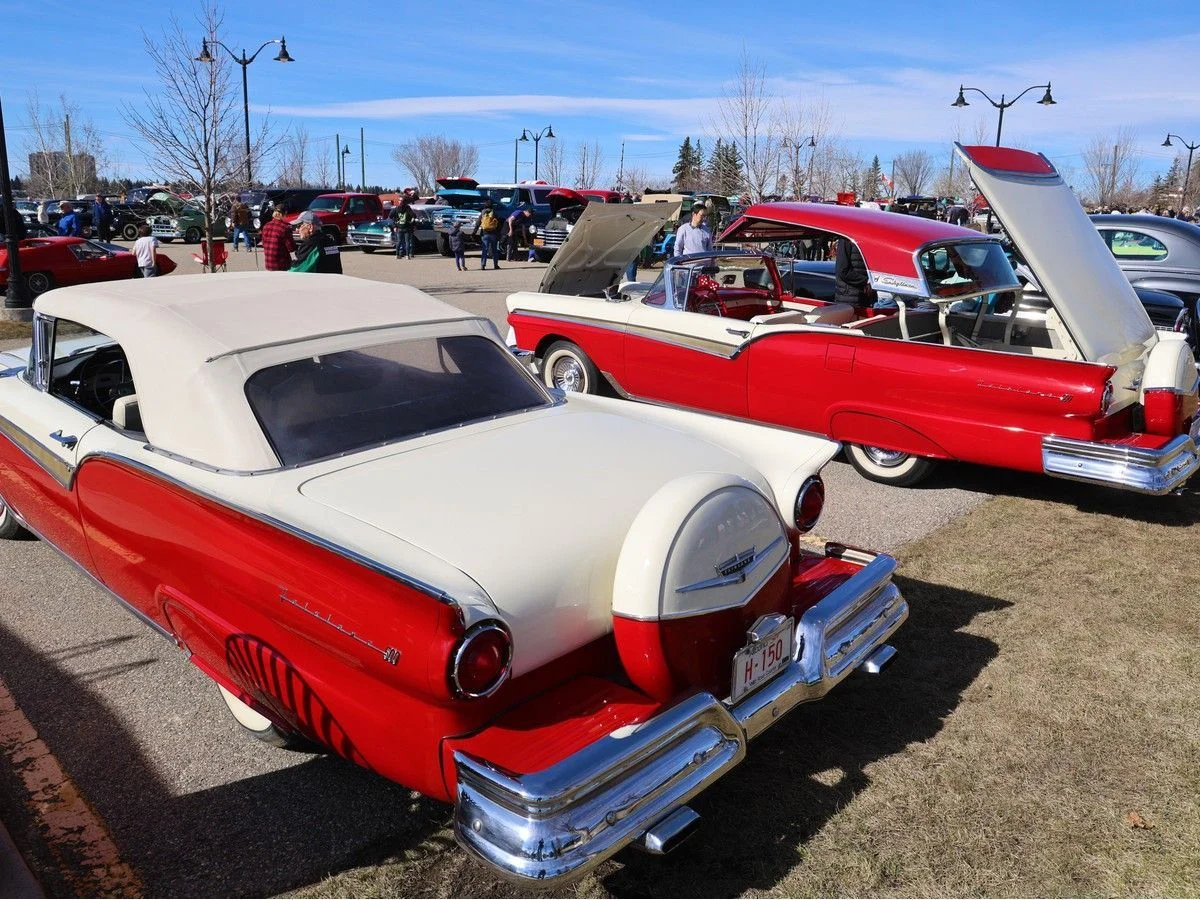
As the frost thaws and Calgary’s roads dry out, the city’s automotive enthusiasts are eagerly emerging from their winter hibernation. For many, this marks the start of a cherished tradition: pulling the covers off meticulously restored classic cars, firing up high-performance engines, and gathering with like-minded hobbyists to celebrate mechanical artistry. However, the Calgary Police Service (CPS) is sounding an alarm, signaling a shift in how they will manage these gatherings as the season progresses.
While the city remains a welcoming hub for legitimate, sanctioned car culture, law enforcement is intensifying its focus on the darker side of the scene—specifically, the rise of unlicensed, impromptu, and dangerous street takeovers.
The Current Climate: A Surge in Unsanctioned Activity
According to Inspector Rob Patterson of the Calgary Police Service’s traffic section, the transition to warmer weather has brought an immediate and measurable spike in automotive-related infractions. The data is stark: over the course of just two weekends, officers have issued more than 157 tickets specifically tied to incidents at or surrounding car meets and gatherings.
Inspector Patterson is quick to distinguish between the community of enthusiasts and the agitators who are drawing police attention. "Lots of the guys and gals out there that have fancy motorcycles and cars aren’t bringing them out in the middle of winter," Patterson noted. "But now they have the opportunity to bring out their classic car, or their souped-up, tuned-up vehicles, onto the streets to show them off. That is a part of our culture, and for the most part, it is a positive one."
The issue, according to the CPS, is not the vehicles themselves, but the intent behind the gatherings. "The problems with those events are that they attract individuals who aren’t looking to have a good time showing off their vehicle," Patterson said. "They are looking to have a good time doing something illegal, and that includes speeding, stunting, or racing."
A Chronology of Escalation
The current crackdown is the culmination of a multi-year trend that has seen spontaneous car meets evolve from informal "cars and coffee" style gatherings into high-risk events characterized by antisocial behavior.
- Early Spring 2026: As temperatures consistently rose above freezing, reports of noise complaints and aggressive driving in industrial parking lots and public spaces began to climb.
- The Mid-April Spike: Police noted a sudden influx of large, uncoordinated groups congregating in the late evenings. These gatherings, often organized via encrypted messaging apps or social media, frequently lack the permits or safety protocols required for public events.
- Late April Enforcement Blitz: In response to a series of complaints regarding excessive noise and dangerous driving, the CPS initiated a targeted enforcement campaign over two consecutive weekends. The result was the aforementioned 157 citations, covering offenses ranging from window tint violations and equipment infractions to severe charges of stunting and racing.
- The May Shift: With the arrival of May, police have officially moved into a "zero-tolerance" phase. This shift is designed to curb the behavior before it leads to serious injury or property damage as the summer season approaches.
Understanding the "Zero-Tolerance" Policy
The Calgary Police Service is not attempting to ban car culture; rather, they are attempting to regulate the environment in which it exists. Inspector Patterson emphasizes that the spirit of the hobby is respected by law enforcement.
"Revving the engine a little bit, showing off what it is, opening up the doors—that’s all fantastic," he said. "What we do not want to see is people speeding to or from these events. We do not want to see people stunting, spinning their wheels, doing smoke-shows."
The zero-tolerance approach means that officers have been instructed to prioritize the enforcement of traffic safety laws in the vicinity of known gathering spots. This includes:
- Increased Patrols: Deploying additional traffic units to known "hot spots" where unauthorized meets historically occur.
- Immediate Impoundment: For severe stunting or racing offenses, vehicles are subject to immediate seizure and impoundment, a measure designed to serve as a deterrent to others.
- Enhanced Monitoring: Utilizing both marked and unmarked cruisers, as well as drone surveillance where appropriate, to identify reckless behavior before it escalates into a collision.
The Human Element: Safety as the Primary Metric
The most pressing concern for the Calgary Police is the proximity of these stunts to pedestrians. Many of these gatherings occur in parking lots where spectators—often including young children or families—are standing mere feet away from vehicles performing high-speed maneuvers.
"These actions pose a significant risk to other vehicles, but particularly to the spectators," Patterson warned. The history of "street takeovers" in other North American cities provides a grim backdrop for this policy; in many jurisdictions, these events have resulted in catastrophic injuries and fatalities when drivers lose control while performing "donuts" or high-speed burnouts.
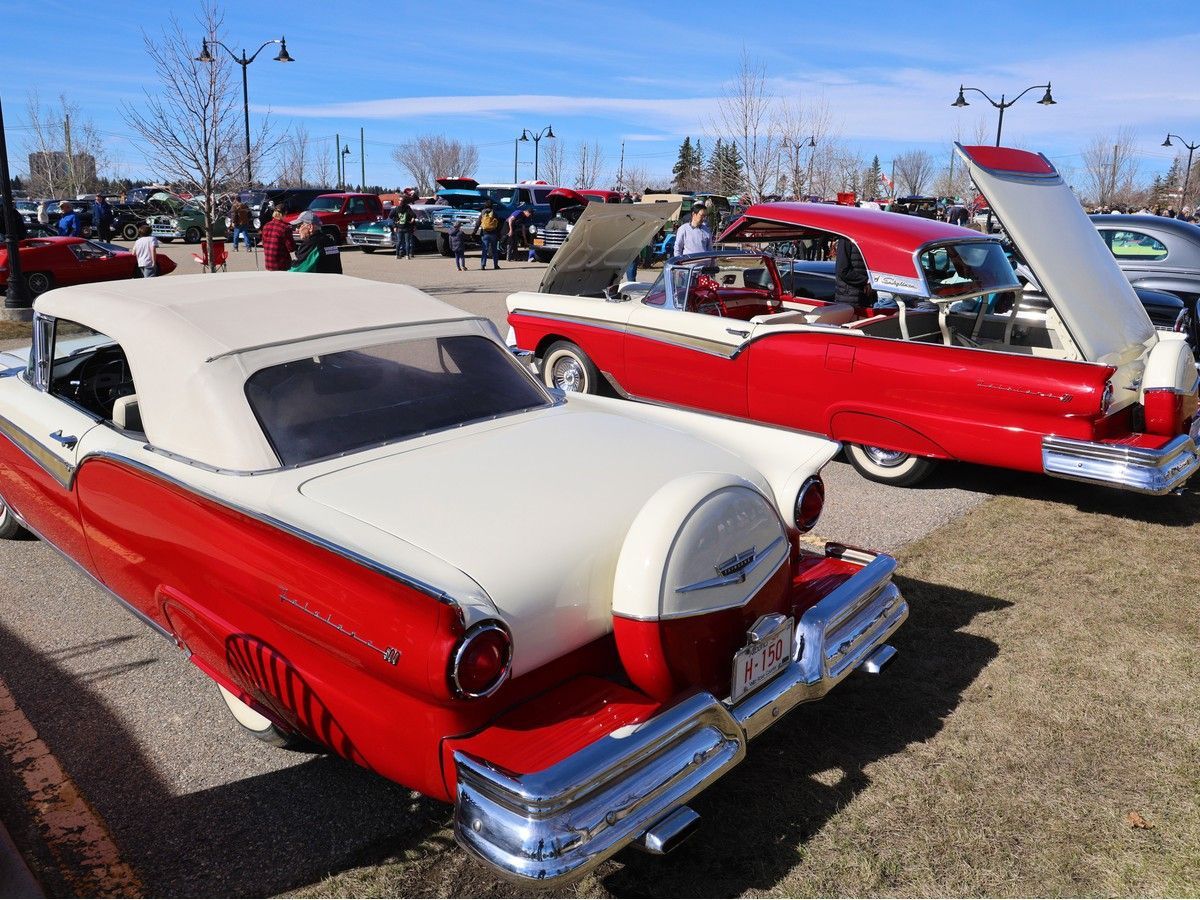
The Calgary MG Car Club and other established organizations serve as a contrast to these reckless groups. Events like the MG2023 convention, which saw nearly 170 British classics converge on Heritage Park, are highlighted by police as the "gold standard." These events are permitted, insured, and managed with a heavy emphasis on public safety and community engagement. The distinction is clear: one type of event is a celebration of engineering and history, while the other is a gamble with public safety.
Broader Implications for Calgary’s Automotive Culture
The crackdown poses a significant challenge for the local automotive community, which now faces the prospect of increased scrutiny even when acting lawfully. However, many in the community argue that the police intervention is necessary to preserve the reputation of legitimate car enthusiasts.
Economic and Social Impact
Car culture generates significant economic activity, from specialty shops and mechanics to tourism generated by car shows and conventions. By curbing the behavior of the "bad actors," the city hopes to ensure that legitimate shows can continue to operate without the stigma of reckless behavior overshadowing their events.
The Role of Social Media
The rise of social media has made it significantly easier to organize these illegal meets. Unlike formal car shows that require months of planning, permit applications, and safety briefings, a dangerous street takeover can be organized in minutes. This digital agility makes it difficult for law enforcement to get ahead of the events, often resulting in a "whack-a-mole" scenario where police disperse one group only for them to relocate to another district.
Future Outlook
As Calgary moves further into the summer, the success of the police initiative will likely be measured by a reduction in reported stunting incidents and a decrease in the number of traffic tickets issued at these sites. The CPS has indicated that they are open to working with event organizers who want to move from the streets into controlled, safe environments.
For the individual enthusiast, the message from the Calgary Police is simple: Enjoy your vehicle, take pride in your modifications, and share your passion with others—but do so in a way that respects the law and the safety of the public. The days of treating public roads and parking lots as private race tracks are over, and the consequences for ignoring this reality are becoming increasingly severe.
In conclusion, the situation in Calgary serves as a microcosm for a broader struggle in urban centers across North America. As the automotive community grows and technology makes organization easier, the tension between enthusiasts and public safety authorities continues to mount. The Calgary Police Service’s current stance is a clear attempt to draw a line in the asphalt, prioritizing the lives of pedestrians and the security of the public over the thrill of an unlicensed smoke-show. For the true car enthusiast, the path forward is clear: move the hobby into the light of sanctioned events, or risk losing the privilege of driving their prized machines on city streets altogether.
