

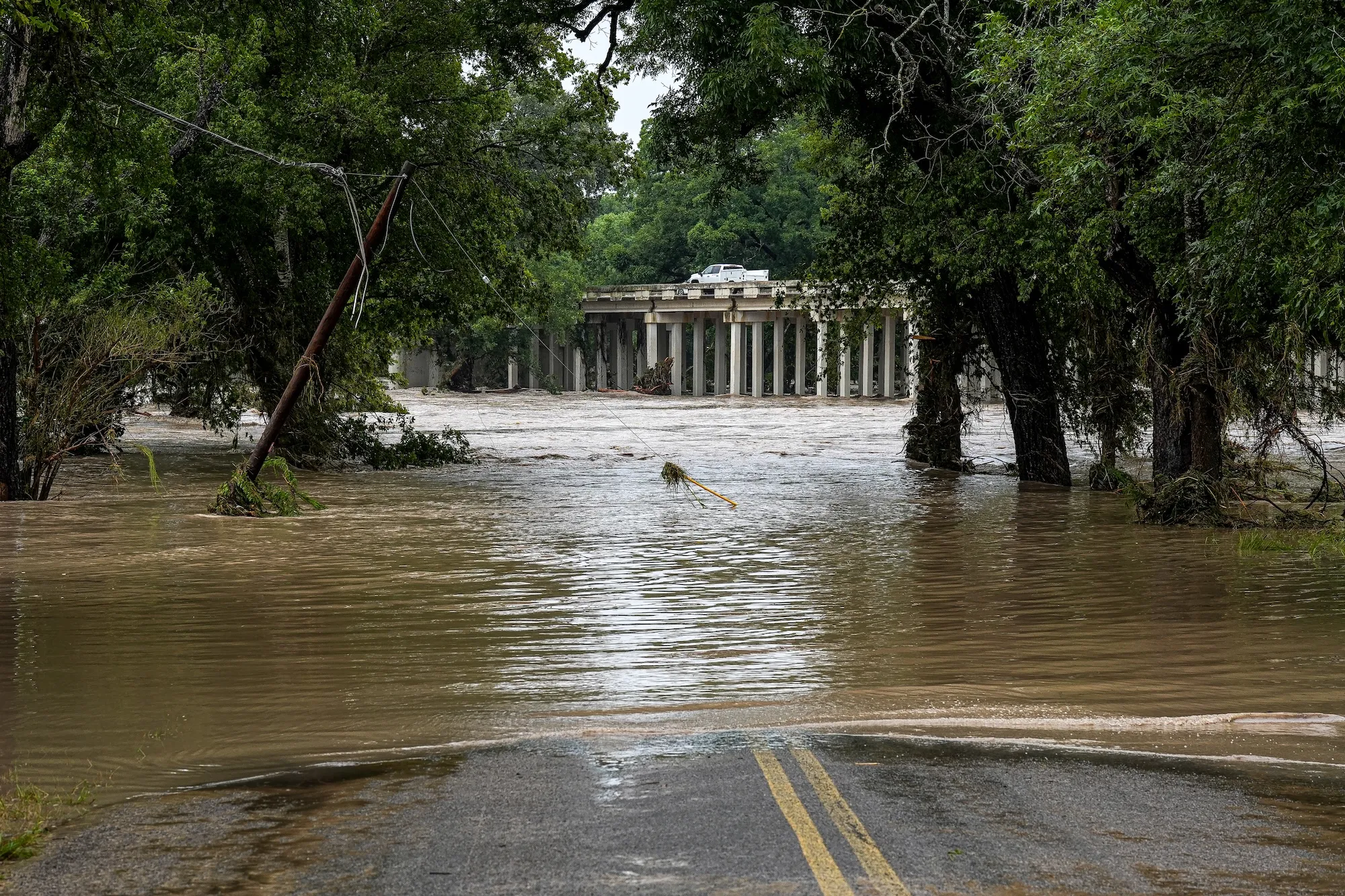
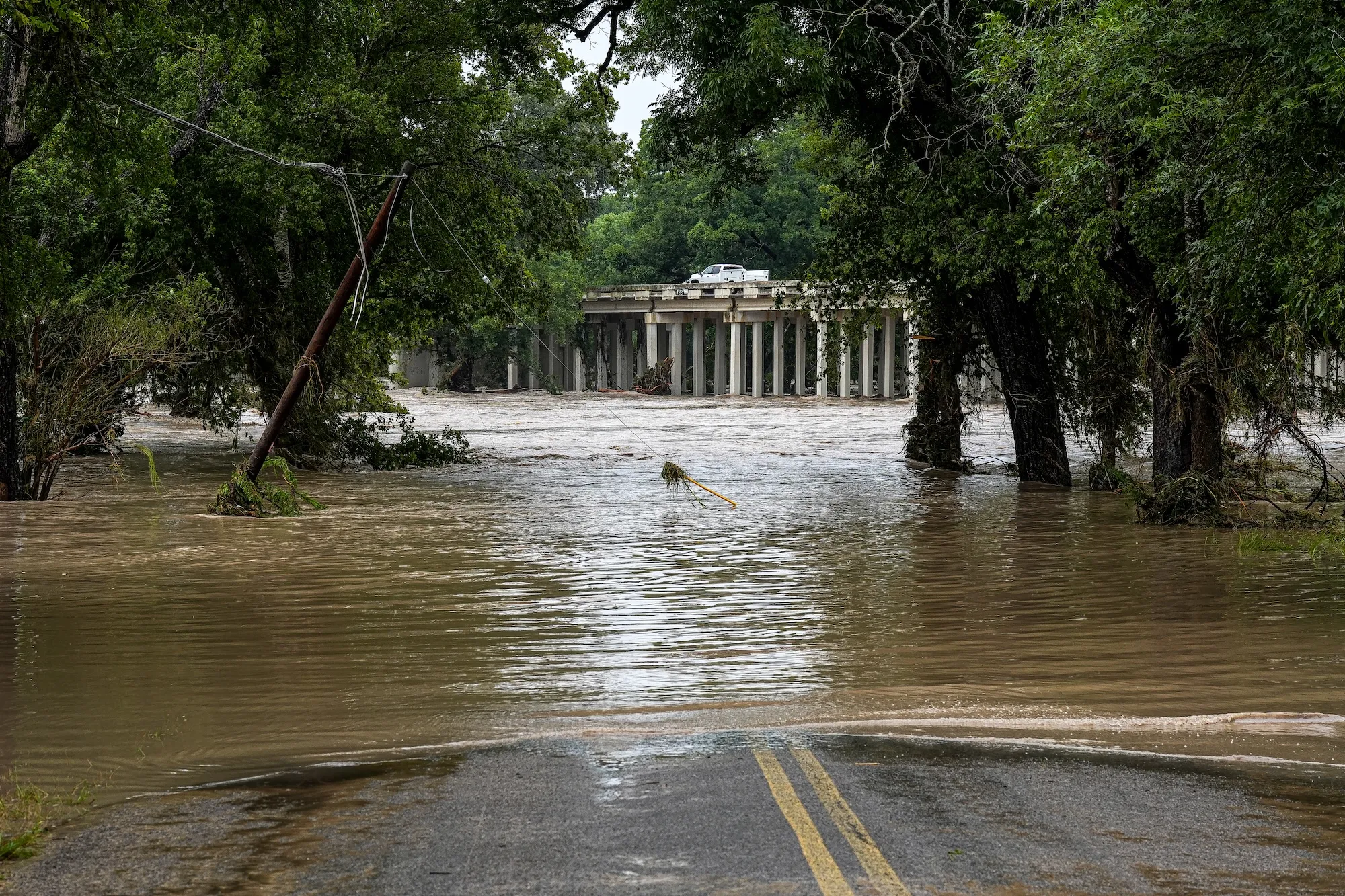
For Paul Welch, the sound of the Guadalupe River is no longer the soothing lullaby of the Texas Hill Country—it is a countdown. Last month, as torrential rains battered the region, Welch stayed awake until the early hours, his eyes glued to RiverHub, the Upper Guadalupe River Authority’s digital monitoring platform. At midnight, the data seemed to hold steady. Comforted by the numbers, he finally allowed himself to drift into a fitful sleep.
Four hours later, the silence of his riverfront cabin was shattered by a phone call. It was a neighbor—the same man who had alerted him during the catastrophic flooding that claimed his property exactly one year prior.
"Get up. Get out. Quick," the neighbor said, his voice stripped of panic, yet heavy with the grim familiarity of the situation.
Upstream at Center Point, the river had surged 25 feet in a matter of hours. A wall of water was barreling down the valley. For Welch and his partner, Elizabeth Hastings, the nightmare was repeating itself with haunting precision. This time, they didn’t hesitate. Hastings scrambled to load their van with essentials—guns, jewelry, medical records, and medication—while Welch raced to move his tractor and golf cart to the same high ground they had occupied during the previous year’s tragedy. They watched, helpless, as the river roared with a ferocity that defied belief, tearing through the landscape they had fought so hard to rebuild.
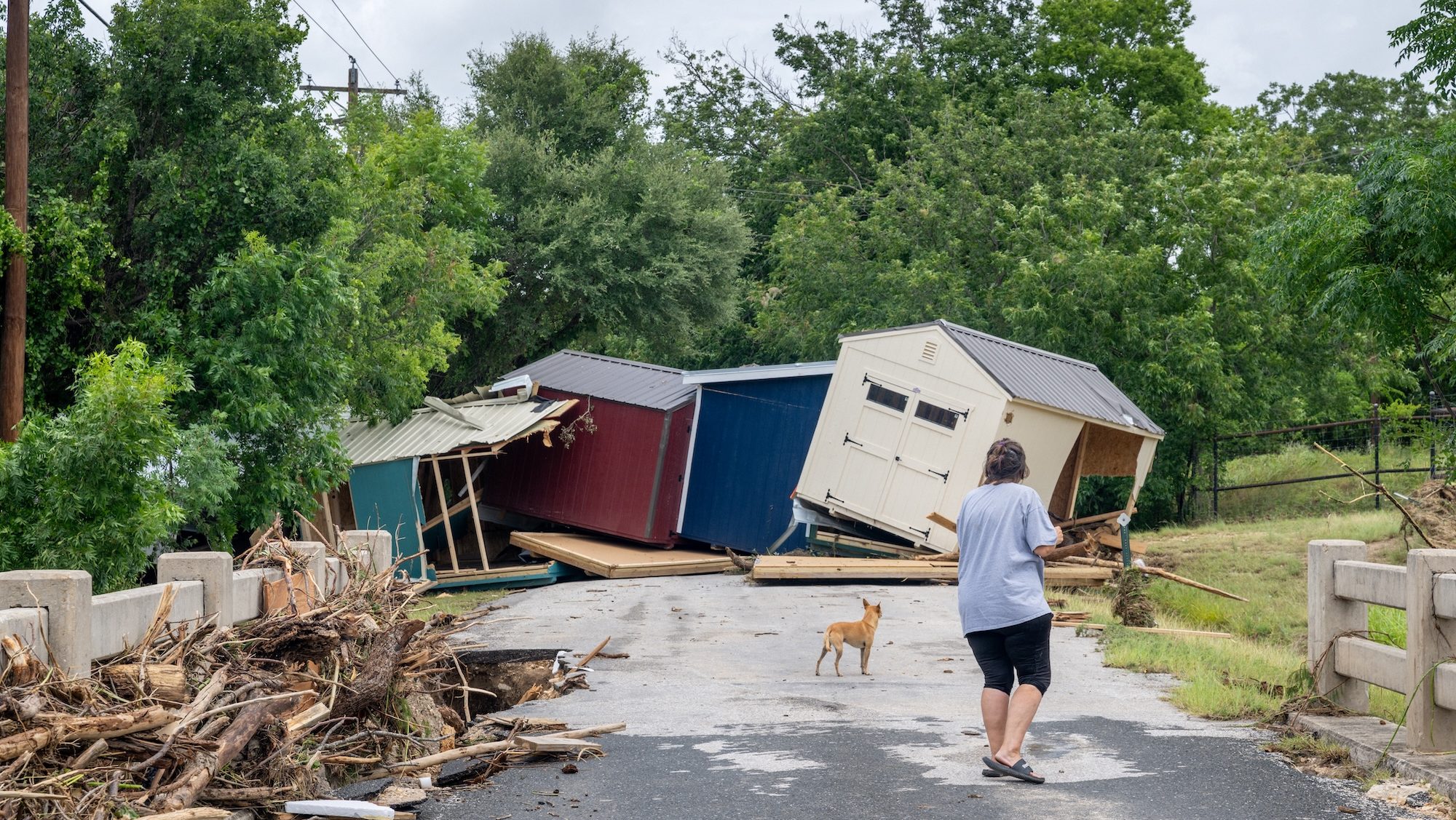
A Landscape Transformed: The Reality of Recurrence
The following morning, as the pair waded through the thick, suffocating muck left behind by the receding tide, Welch received another call. It was Huntly Dantzler, a volunteer who had helped them navigate the debris of the 2025 flood.
"Paul, give me some good news," Dantzler pleaded.
"I’ve got none to give," Welch replied.
The loss was total. Their $130,000 RV, which had served as their home while they poured $80,000 into the construction of their dream house, was gone. New appliances, still encased in factory bubble wrap, had been crushed by the torrent. Even the ancient cypress trees, which had stood as silent sentinels for two centuries, had been uprooted. "We cried and prayed over the phone," Dantzler recalled.
This latest disaster struck just one year after a series of storms in central Texas claimed 139 lives, sparking a statewide reckoning regarding emergency preparedness. While this year’s storm dumped between 12 and 28 inches of rain across a dozen counties, the death toll was markedly lower—three confirmed fatalities. However, the destruction of hundreds of homes and the psychological toll on survivors suggest that while the state is better prepared, it remains dangerously vulnerable.
Chronology of the Crisis: From Failure to Fragile Progress
The devastation of 2025 served as a brutal catalyst for legislative reform. Investigations into the Kerr County disaster revealed glaring systemic failures: a lack of outdoor siren systems, deferred maintenance on flood gauges, and administrative bottlenecks that prevented federal emergency alerts from reaching residents in time.
In the wake of these revelations, the Texas Legislature scrambled to pass four major flood-response bills. These measures aimed to:
- Strengthen safety requirements: New regulations were imposed on youth camps and vacation rentals in high-risk zones.
- Expand infrastructure: A mandate was issued to identify flood-prone areas across 30 counties for the installation of sirens, sensors, and gauges.
- Fund the future: Lawmakers allocated $50 million for hardware and $24 million for a two-year research project led by Texas Tech University to improve radar and forecasting tools.
By July 2026, 29 of the 30 eligible counties had joined the program. Yet, as the recent flooding proved, the "build-out" phase of these systems is far from complete. In many areas, the infrastructure was either in the early stages of installation or lacked the necessary activation protocols.
In western Kerr County, the Upper Guadalupe River Authority acted preemptively, investing $1 million of its own reserves to place six 50-foot siren towers. These sirens, combined with local emergency text alerts, successfully facilitated evacuations. However, in eastern Kerr County—where Welch and Hastings live—no sirens sounded.
Data, Geography, and the Human Element
Why was the death toll lower this year? Experts argue it was a confluence of factors rather than a single technological silver bullet.
Robert Mace, director of the Meadows Center for Water and the Environment at Texas State University, notes that the 2026 storm system was fundamentally different. "This storm was larger and moved more slowly," Mace explained. "It provided a much clearer, longer-lead signal to meteorologists."
The National Weather Service (NWS) began briefing emergency officials four days before the peak flow, compared to less than 24 hours of warning during the 2025 disaster. Furthermore, the intensity of the rainfall—while catastrophic—was slightly less concentrated than the 2025 event, which saw record-breaking hourly totals.
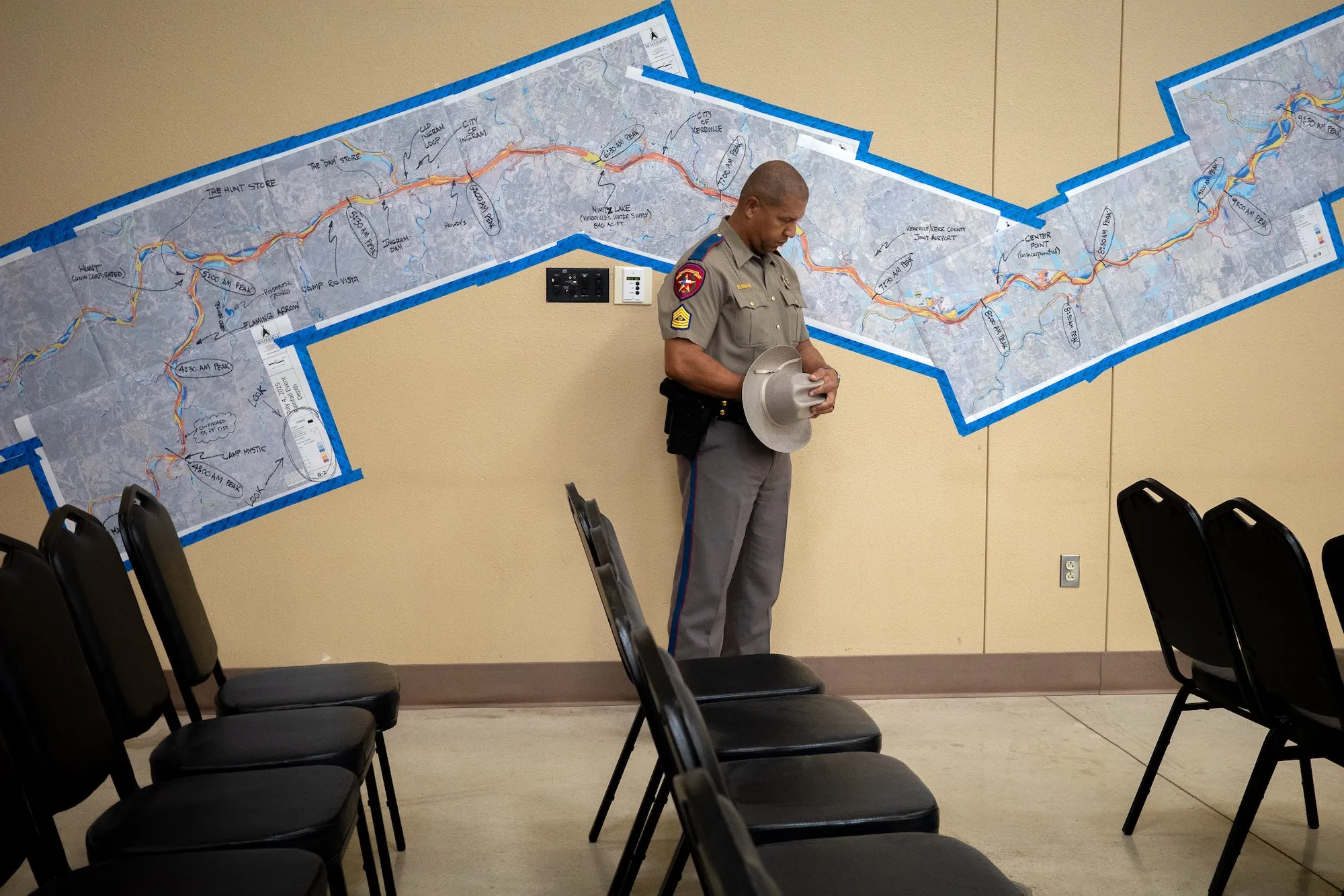
Yet, there is a lingering fear that the lower death toll is a matter of luck, not just policy. State climatologist John Nielsen-Gammon suggests that the slower buildup of water simply bought people time. "Not to be too macabre," Nielsen-Gammon noted, "but it’s possible that some of the people who died last year in their homes would have died in the flooding this year."
Official Responses and the "Siren Fallacy"
At a July 20 press conference, Governor Greg Abbott touted the success of the new warning systems. "The systems we put in place last year proved to be successful and helpful," the Governor stated. When questioned about the insufficiency of funding for comprehensive coverage, he promised that the issue would be a priority in the next legislative session.
Local officials, however, are struggling with the math. While the state provided $1 million in grant funding, the estimated cost for a robust system of sirens and gauges in Kerr County alone exceeds $14 million.
Critics, including former Lower Colorado River Authority general manager Mark Rose, argue that officials are dangerously oversimplifying the solution. "With all due respect to those who think they have solved the problem by putting up a siren, in my opinion, that’s total bullshit," Rose said. "Are you going to hear a siren at 3 o’clock in the morning in a pounding rain, while in a deep sleep, when you have an hour to respond? No."
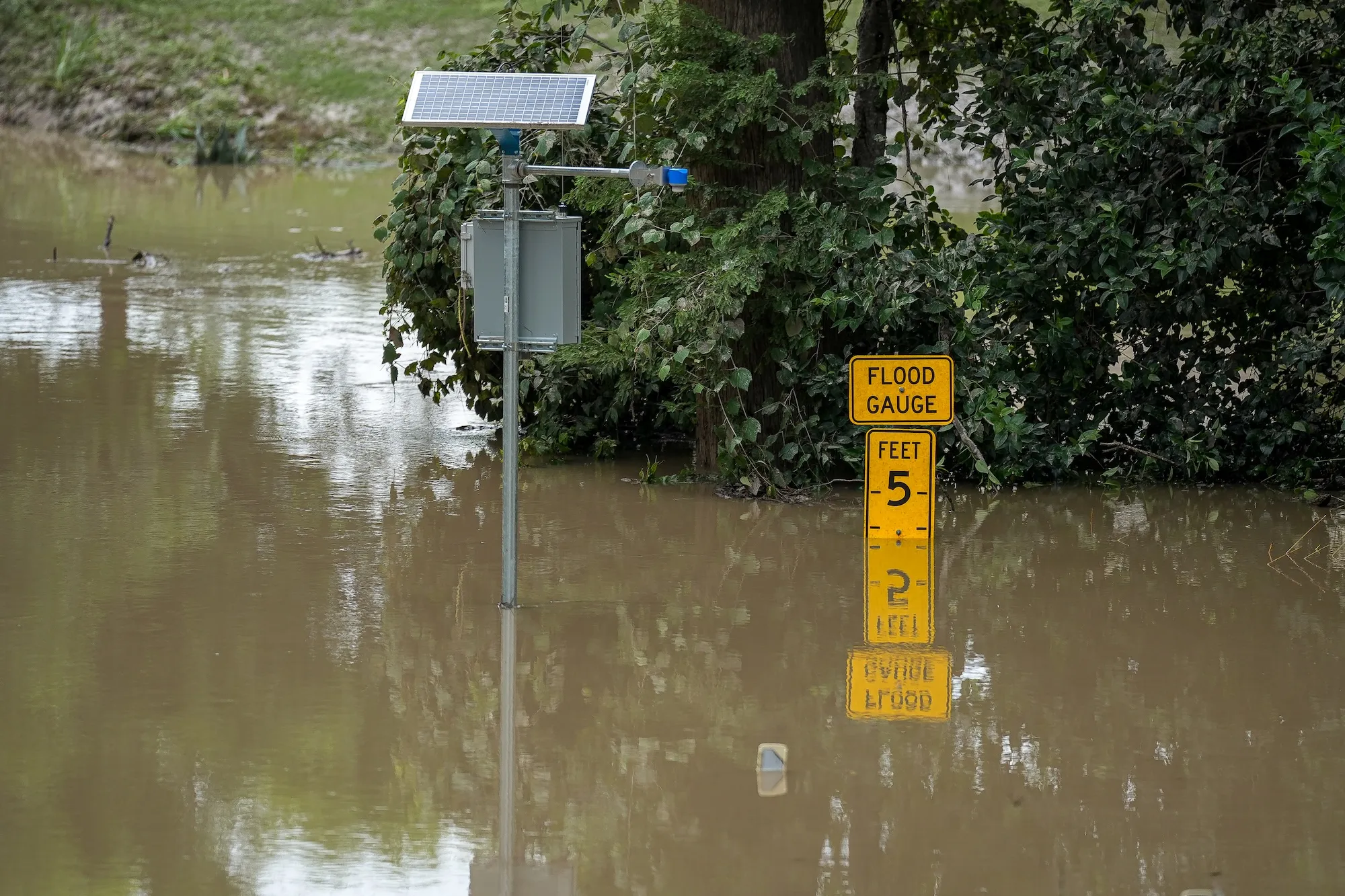
Rose contends that effective flood management must move beyond sirens and toward comprehensive watershed monitoring. He advocates for a network of stream gauges in every creek and tributary, arguing that information is the only true first line of defense. The fact that Welch felt safe checking a website before the water arrived, he says, proves that the state is still in the "fledgling stages" of understanding its own water risks.
Implications: A Future Defined by Risk
For the residents of the Texas Hill Country, the implications of these recurring disasters are profound. Many are now forced to confront the reality that their homes are located in floodplains that may no longer be habitable in the long term.
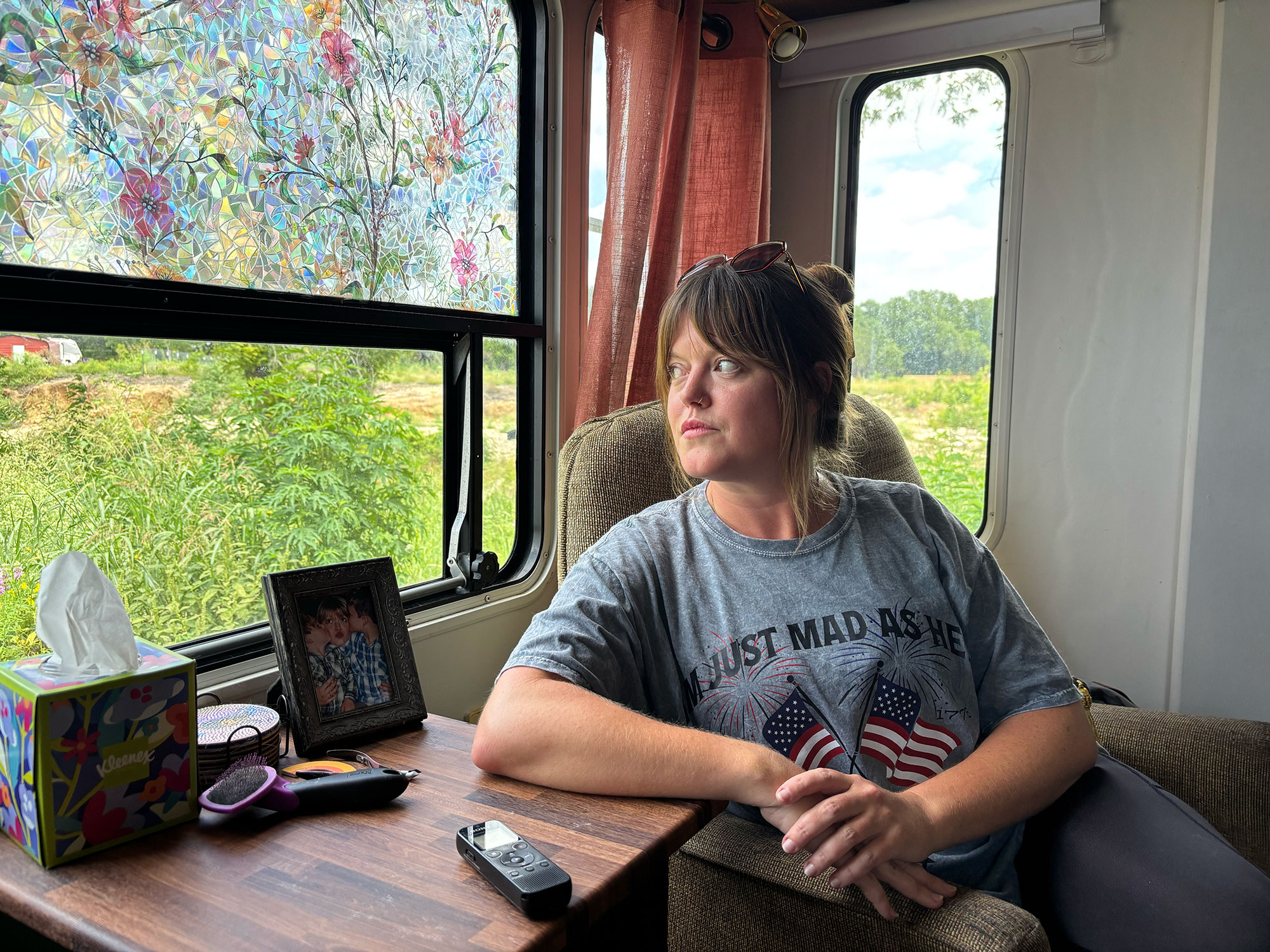
For Elizabeth Hastings, the decision was final. Two weeks after the most recent flood, she and Welch closed on a house in the highlands of Kerrville. "For the first time in a couple of years, I’m going to feel safe," she said.
However, the allure of the river remains. Even after two consecutive years of near-total loss, the couple intends to keep their riverfront property as a recreational site—though they plan to visit only by van, ready to flee at the first sign of rising water.
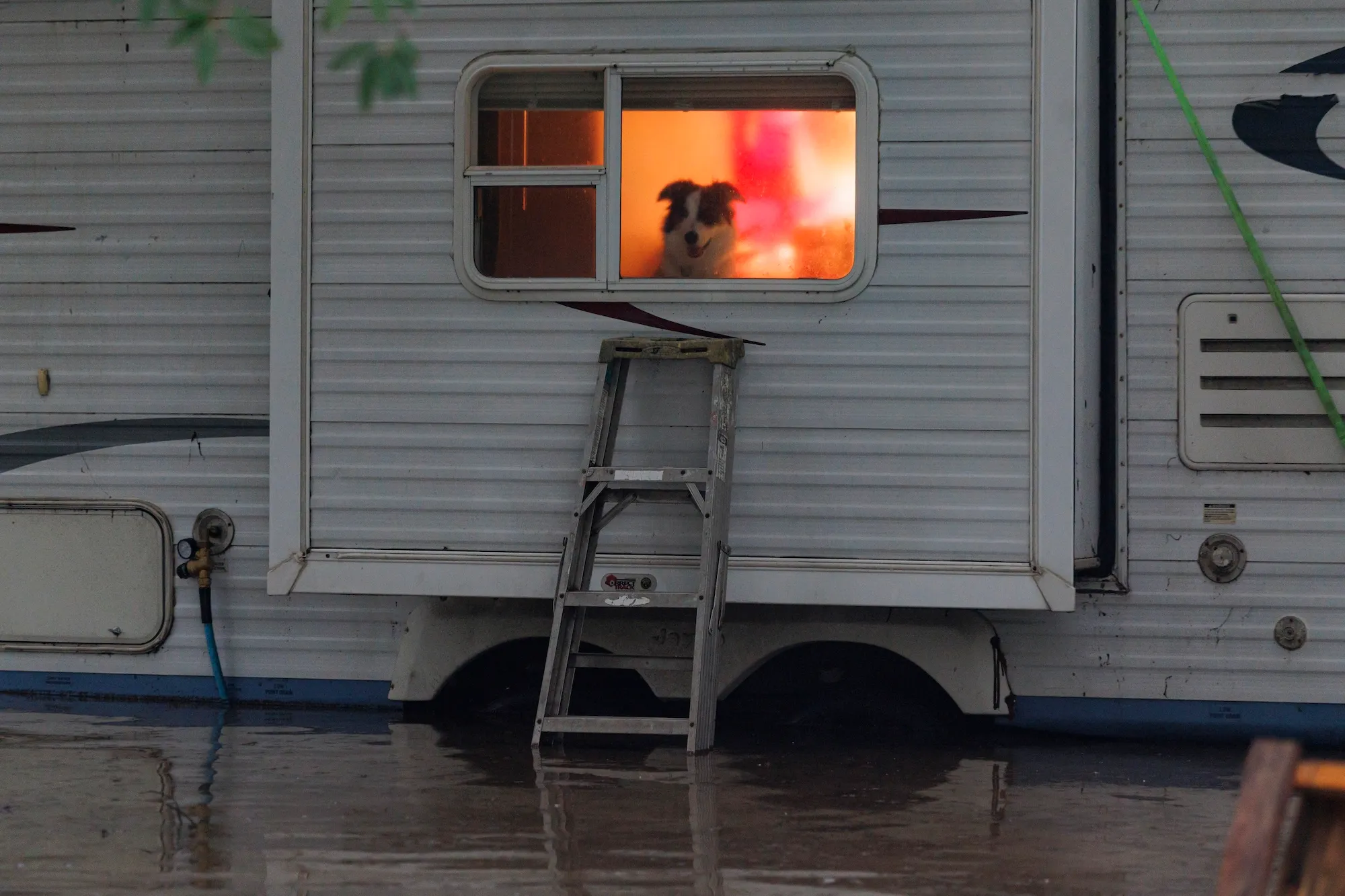
This "preparedness" is becoming the new normal. As climate change continues to drive warmer sea-surface temperatures and increase atmospheric moisture, extreme rainfall events are expected to become more frequent along the Gulf Coast.
The struggle in the Hill Country is a microcosm of a broader challenge facing the United States: how to balance the deep-seated cultural and personal connection to the land with the cold, scientific reality of an intensifying climate. As the state moves forward, the question remains whether the lessons learned from these tragedies will result in a resilient, data-driven infrastructure, or if the next big storm will once again expose the gaps in a system that is still just beginning to understand the power of the water it tries to manage.
For now, residents remain on "hypervigilant PTSD mode," relying on neighbors, phone calls, and the lingering, uneasy suspicion that the river is not finished with them yet. As Mark Rose put it: "If anybody thinks that they’re done, that the job is done, it’s not. It’s just starting."
