

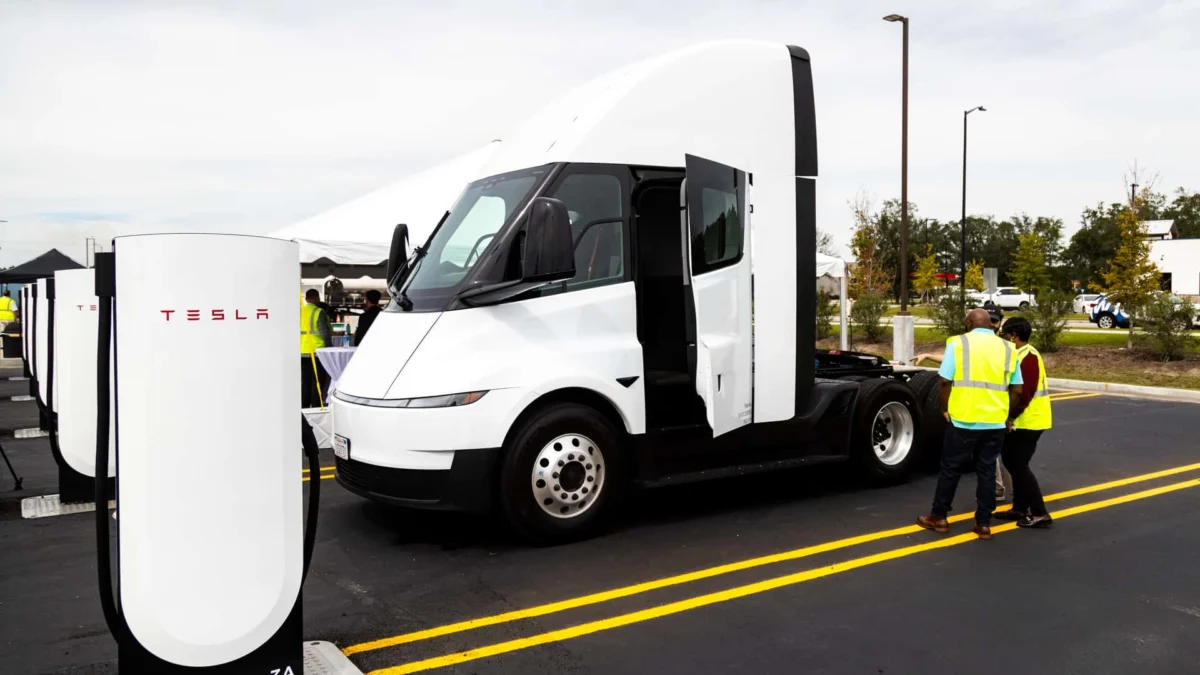
The landscape of American long-haul logistics is undergoing a seismic shift. As the trucking industry faces mounting pressure to reduce its carbon footprint, the transition from diesel-reliant internal combustion engines to electric powertrains has moved from a theoretical possibility to a logistical reality. At the heart of this transition is a high-stakes partnership between Tesla, the world’s leading electric vehicle manufacturer, and Pilot, North America’s most extensive network of travel centers. Together, they are deploying a robust infrastructure of high-powered "Megachargers" designed specifically to keep the heavy-duty Tesla Semi on the road.
The Strategic Alliance: Bridging the Infrastructure Gap
For decades, the trucking industry has been defined by the reliability of diesel fuel. To displace this entrenched technology, electric trucks require more than just impressive battery specifications; they require a refueling infrastructure that matches the efficiency and convenience of traditional truck stops.
Tesla and Pilot have embarked on a mission to build over a dozen high-powered charging stations along major freight corridors across the United States. By leveraging Pilot’s massive footprint—which includes thousands of travel centers that already serve as hubs for long-haul drivers—Tesla is effectively bypassing the need to build a bespoke, standalone refueling network from scratch. This collaboration ensures that Tesla Semi drivers have access to essential amenities, such as food, restrooms, and resting facilities, while their vehicles undergo rapid charging.
Chronology of Development: From Concept to Reality
The deployment of these Megachargers is not merely a series of promises; it is an active, ongoing construction project.
- The Pilot Pilot Program: The first operational Tesla Megacharger station in the Pilot network was established in Ellabell, Georgia. This site serves as a proof-of-concept, featuring six high-capacity stalls.
- The California Expansion: Recognizing the state’s aggressive push toward zero-emission logistics, the partnership is rapidly expanding into California. The second Pilot-affiliated Megacharger location is slated to go live at a Flying J travel center on East Paige Avenue in Tulare, California.
- Upcoming Milestones: Following the Tulare launch, plans are already in motion for a site in Fort Stockton, Texas, and another at a Pilot Travel Center in North Las Vegas, Nevada.
- Ongoing Construction: Beyond the initial wave of high-profile sites, there are nine additional stations currently under construction. While the specific geographic coordinates of these sites remain under wraps, they are strategically positioned to support the most critical freight lanes in the country.
It is worth noting that while the Pilot-Tesla partnership is a major driver of this infrastructure, it is not the only effort underway. Earlier this week, Tesla energized a separate, non-Pilot-affiliated Semi charging station in Conley, Georgia. Unlike the initial Pilot installations, which currently require drivers to back into the charging bay, this Conley site features pull-through stalls, a design preference for many truck drivers who seek to minimize maneuvering in tight spaces.
Technical Specifications: The Power of 1.2 Megawatts
The core of this infrastructure is the Megacharger technology. Delivering a charge to a massive vehicle like the Tesla Semi requires a level of power that dwarfs the typical residential or even standard passenger-vehicle charging station.
Each stall at the Ellabell site is capable of delivering up to 1.2 megawatts of power. To put this into perspective, a standard Level 3 DC fast charger for a passenger EV might operate between 150 and 350 kilowatts. The Megacharger, by contrast, acts as a super-high-capacity conduit that can replenish a Tesla Semi’s battery with extraordinary speed.
According to Tesla’s performance metrics, a 30-minute charge at these stations can boost the state of charge by approximately 60%. This “top-up” strategy is designed to align with standard driver break requirements, allowing the operator to maximize vehicle uptime while adhering to federally mandated rest periods.
Official Perspectives: Aligning with Fleet Electrification
The collaboration is viewed by both parties as a critical step toward making fleet electrification a viable, long-term business model. Shannon Sturgil, Senior Vice President of Alternative Fuels at Pilot, emphasized the importance of integrating these chargers into existing, trusted stop points.
"Pilot is proud to bring heavy-duty charging directly to key trucking routes and pair it with the services and amenities drivers rely on," Sturgil said. "With these initial locations, we’re making fleet electrification a more accessible option for long-haul transportation and are excited to continue working with Tesla to move at the pace and preference of our customers."
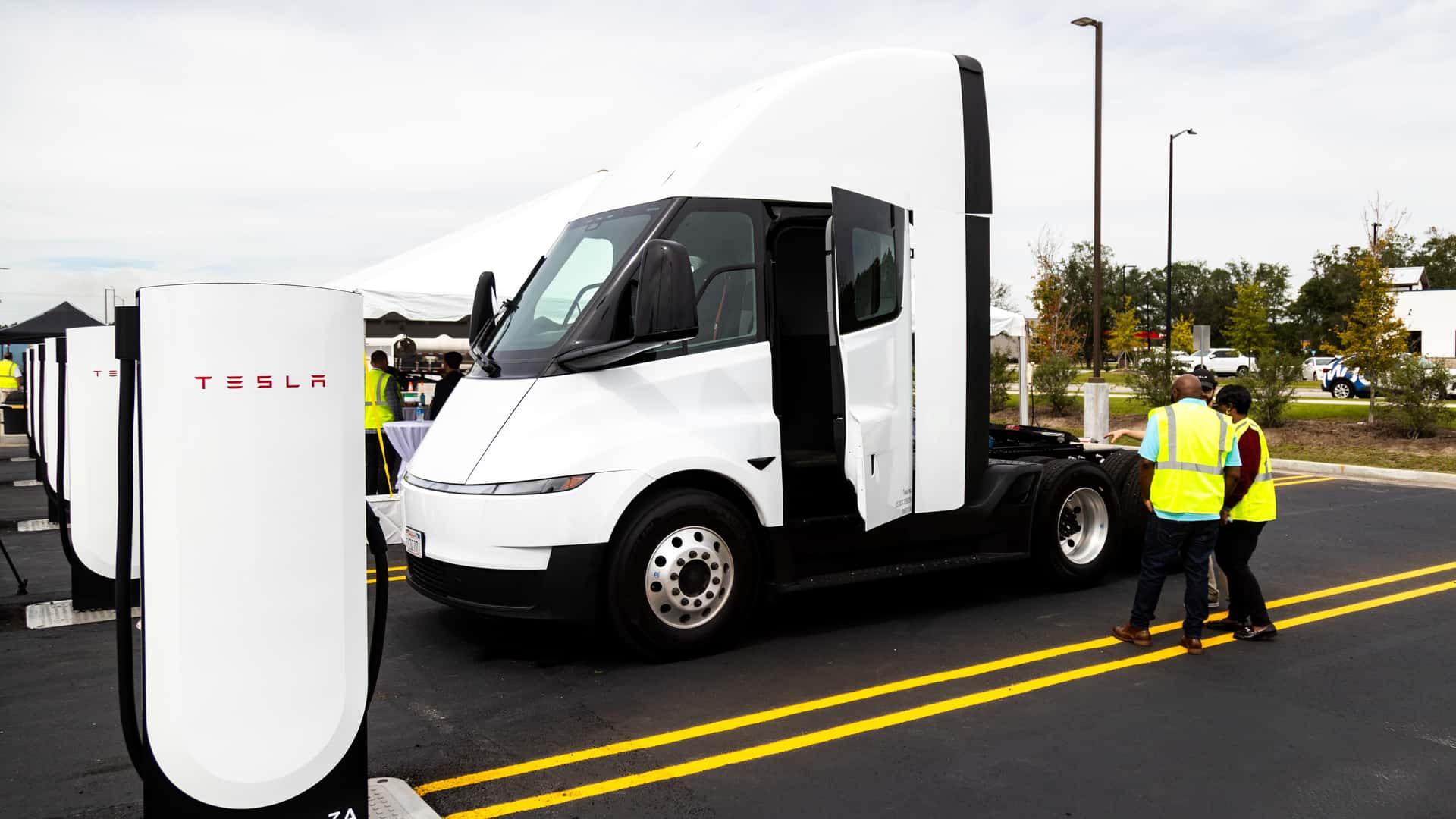
For Tesla, the partnership provides the necessary scale to support its growing Semi fleet. As the company continues to ramp up production, having a pre-built network of charging hubs at Pilot and Flying J locations significantly lowers the barrier to entry for logistics companies considering a switch to electric.
Implications for the Logistics Industry
The rollout of these Megachargers carries profound implications for the future of the U.S. supply chain.
1. The Death of Range Anxiety
The primary hurdle for electric trucks has always been range anxiety—the fear that a driver will run out of power in a remote location. By targeting major freight corridors like I-5, I-10, and others connecting California, Indiana, Nevada, and Texas, the Pilot-Tesla network is creating a "spine" of electricity that allows for cross-country travel. As this grid matures, the fear of being stranded will diminish, making the Tesla Semi a truly competitive alternative to diesel-powered Class 8 trucks.
2. A Multi-Modal Charging Future
While the Megachargers are the headline, it is important to recognize that Pilot is simultaneously scaling its broader EV charging ecosystem. The company has already energized over 1,300 fast-charging stalls across 300 locations through a partnership with General Motors and EVgo. The ultimate goal is to have 2,000 chargers across 500 travel centers. This demonstrates that the transition to electric trucking is happening in parallel with a massive, nationwide expansion of infrastructure for standard electric passenger vehicles.
3. Economic Competitiveness
For fleet operators, the economics of the Tesla Semi are tied directly to the cost of electricity and the time saved during charging. If the Megacharger network can keep the fleet moving with minimal downtime, the total cost of ownership (TCO) for electric trucks could potentially fall below that of diesel trucks, particularly as diesel prices remain volatile and regulations regarding emissions tighten.
Addressing Challenges: The "Pull-Through" Debate
Despite the progress, the industry faces practical hurdles. The current design of many Pilot-Tesla sites—requiring drivers to back into charging stalls—is a point of friction. Professional drivers are accustomed to the efficiency of "pull-through" lanes at traditional diesel pumps, where they do not need to disconnect trailers or perform complex maneuvers to refuel.
Tesla’s acknowledgment of this via their separate, pull-through-capable station in Conley suggests that the company is listening to operator feedback. As the Pilot network expands, it is highly probable that future designs will pivot toward more driver-friendly configurations, ensuring that the charging experience is as seamless as the refueling experience has been for the past century.
Conclusion: A Turning Point for Transportation
The partnership between Tesla and Pilot is more than just a business deal; it is a vital component of the energy transition. By integrating high-powered Megachargers into the existing fabric of American highway infrastructure, these companies are solving the "chicken and egg" problem that has historically plagued the electric truck industry.
As more of these stations come online, the sight of a Tesla Semi charging at a Pilot travel center will transition from a novelty to a common occurrence. With the combined technical prowess of Tesla’s charging hardware and the operational scale of Pilot’s travel centers, the vision of a cleaner, more efficient, and fully electric freight system is no longer a distant dream—it is being built today, one megawatt at a time.
