

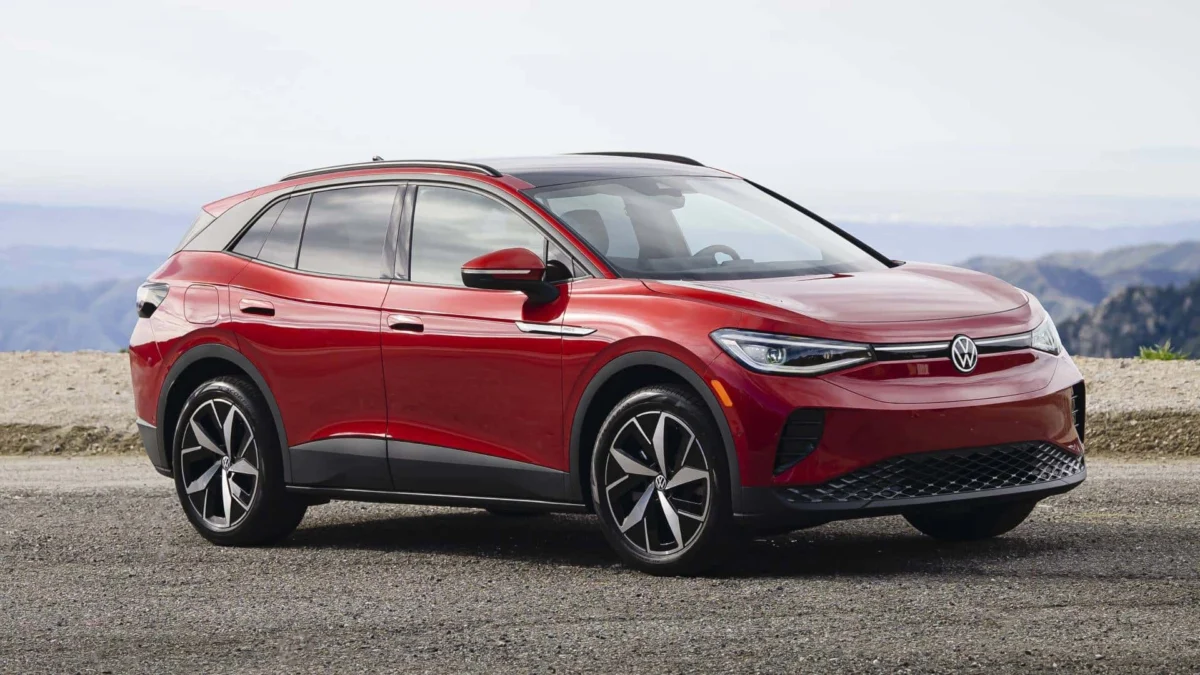
Volkswagen has issued a significant safety recall affecting 22,524 ID.4 electric vehicles, citing a potential risk of fire originating from the high-voltage battery system. The recall, filed with the National Highway Traffic Safety Administration (NHTSA) in late September 2026, marks a critical juncture for the German automaker as it grapples with hardware vulnerabilities in its flagship electric SUV lineup. While the manufacturer maintains that only a fraction of the recalled population is likely to experience the fault, the nature of the danger—thermal runaway—has prompted urgent interim safety measures for owners across the United States.
The Scope and Nature of the Risk
The recall encompasses Volkswagen ID.4 models produced between 2023 and 2026. According to the official filing, the issue stems from a complex interplay between specific battery charging profiles and a state-of-charge (SOC) exceeding 80 percent.
The primary danger is "thermal propagation," a phenomenon where a single cell or module within the battery pack experiences an uncontrollable temperature spike. This heat, if left unchecked, can cascade to adjacent cells, potentially resulting in a fire. Volkswagen’s documentation indicates that while the root cause remains under investigation, the company has identified that charging beyond the 80 percent threshold acts as a catalyst for these hazardous thermal events in a small subset of the vehicle population.
Industry experts estimate that approximately 0.1% of the 22,524 vehicles involved—roughly 22 to 23 units—are projected to be physically affected by the defect. However, given the unpredictable nature of battery chemistry and the severe safety implications of a vehicle fire, Volkswagen has opted for a broad, precautionary recall strategy to mitigate liability and protect consumers.
Chronology: From First Reports to Official Recall
The road to this recall was not instantaneous; it was the culmination of two years of data collection and incident analysis.
- January 18, 2024: The first recorded incident involving an ID.4 high-voltage battery anomaly was documented in the United States.
- Early 2024–Mid 2026: Throughout this period, Volkswagen’s quality control and safety teams tracked a series of reports from U.S. customers regarding battery performance and thermal anomalies.
- August 7, 2026: The final incident leading to the recall decision was recorded, bringing the total number of documented cases to 22 over the 31-month period.
- September 23, 2026: Following a thorough review of the incident logs and consultation with the battery supplier, SK, Volkswagen officially notified the NHTSA of its intent to initiate a recall campaign.
This timeline reflects a measured, albeit lengthy, diagnostic process. By the time the recall was announced, the pattern of incidents—consistently linked to high-state-of-charge scenarios—had become statistically significant enough to demand a formal response.
Technical Analysis: The Battery Connection
The ID.4 batteries are supplied by SK, a major player in the global EV battery market. The specific chemistry and thermal management architecture of these cells have been the subject of intense scrutiny since the recall filing.

In its communication to regulators, Volkswagen noted that the "root cause is unknown," a statement that highlights the complexity of modern lithium-ion battery management systems (BMS). Even in state-of-the-art electric vehicles, the BMS must constantly balance energy density, charging speed, and thermal stability. When those parameters shift—due to manufacturing variations in the cells or software-driven charging profiles—the system can become compromised.
Thermal propagation is particularly difficult to manage once it begins. Because the energy stored within a battery pack is chemically locked in a high-density state, a failure in the separator between the anode and cathode can cause a short circuit. This short creates internal heat, which then breaks down the electrolyte, releasing gases that further fuel the fire. By restricting the charge to 80 percent, Volkswagen is essentially reducing the total energy potential within the cells, thereby lowering the probability of reaching the critical temperatures required for a runaway event.
Official Responses and Immediate Mitigation
Volkswagen’s immediate strategy focuses on harm reduction while engineers work toward a definitive technical solution.
Interim Safety Measures
The company is currently distributing physical warning materials to owners. These include stickers designed for placement on the dashboard and inside the charging port flap. These serve as constant, visual reminders for owners to terminate charging cycles before the 80 percent mark. While the use of physical stickers may seem rudimentary in the age of high-tech EVs, it remains a standard industry practice to ensure safety protocols are followed by all drivers, regardless of their familiarity with the vehicle’s software interface.
The Potential for Software Solutions
Volkswagen hinted that a permanent fix might be delivered via an Over-the-Air (OTA) update. "Depending on the vehicle configuration and online connectivity," the company stated, "some vehicles may be configured to limit the maximum state of charge of the high-voltage battery to 80 percent."
This approach would effectively "cap" the battery capacity via the car’s management software, preventing the user from accidentally—or intentionally—charging to full capacity. While this would result in a temporary reduction in the vehicle’s total driving range, it would provide a failsafe environment for the battery chemistry, potentially averting further incidents while long-term testing continues.
Broader Implications for the EV Industry
The Volkswagen ID.4 recall serves as a microcosm of the challenges facing the broader automotive industry as it pivots toward full electrification.

The Quality Control Dilemma
As manufacturers ramp up production to meet aggressive climate goals and market demand, the pressure on supply chains—specifically for battery components—is immense. When a supplier like SK provides components for thousands of vehicles, a single manufacturing defect can have a massive ripple effect across the brand’s global fleet. This recall underscores the necessity for more rigorous, long-term testing protocols that account for real-world usage patterns over several years, rather than just lab-controlled charging cycles.
The "Range vs. Safety" Trade-off
For consumers, the recall highlights an uncomfortable truth: the quest for maximum range (often achieved by charging to 100 percent) can sometimes exist in tension with battery longevity and safety. Most EV manufacturers recommend charging to 80 percent for daily use to preserve battery health, but this is the first time a major manufacturer has made the 80 percent limit a mandatory safety instruction due to fire risks.
Market Confidence
The optics of a battery fire recall are never positive. For Volkswagen, a company attempting to re-establish its dominance in the EV market after years of navigating the "Dieselgate" aftermath, maintaining consumer trust is paramount. How the company handles the follow-up—specifically how quickly they can deploy the OTA update and whether they offer compensation for the reduced range—will dictate the long-term impact on the ID.4’s resale value and brand reputation.
Conclusion
The recall of 22,524 Volkswagen ID.4 vehicles is a necessary, albeit concerning, step in maintaining the safety standards of the modern electric vehicle fleet. While the risk of fire is statistically low, the potential for a catastrophic event necessitates strict adherence to the 80 percent charging limit.
As Volkswagen continues to investigate the root cause alongside its supplier, the situation remains fluid. Owners are encouraged to monitor their official Volkswagen accounts and the NHTSA website for updates regarding the availability of a software patch or additional hardware interventions. Until a permanent resolution is achieved, the message from the automaker is clear: caution is the better part of valor when it comes to high-voltage energy storage. The industry will be watching closely to see if this recall serves as a catalyst for improved battery monitoring standards across the entire EV landscape.
