

The landscape of electric vehicle (EV) ownership has undergone a seismic shift. For many early adopters, the golden era of EV affordability was defined by generous federal tax credits, state-level incentives, and manufacturer overproduction that resulted in "too-good-to-be-true" lease deals. However, as the legislative winds have shifted and market dynamics have cooled, the path to electrification for the average consumer has become significantly more complex.
Main Facts: The End of the "Free Money" Era
In 2024, the automotive market was defined by a unique confluence of factors. The federal government’s $7,500 tax credit, combined with aggressive state-level rebates—such as New York’s $2,000 incentive—created a scenario where leasing an EV was, in some cases, cheaper than a standard monthly mobile phone bill.
For many, this resulted in lease payments as low as $137 per month. These figures were not merely the result of policy; they were driven by a market miscalculation. Automakers had aggressively ramped up production to meet projected demand, only to find that consumer adoption was not keeping pace. By September 2024, the inventory of unsold EVs was languishing on dealer lots for an average of over three months, compared to 79 days for internal combustion engine (ICE) vehicles. To clear these lots, manufacturers and dealers slashed lease rates, effectively subsidizing the transition for consumers.
Today, those incentives have largely evaporated, and the "glut" has stabilized into a more calculated, though still fluctuating, secondary market. The average price of a new electric vehicle, according to Cox Automotive, has climbed to an eye-watering $55,879, forcing potential buyers to pivot from the showroom floor to the pre-owned lot.
A Chronological Shift: From Overproduction to Used Market Value
The journey of the electric vehicle market can be broken down into three distinct phases over the last 24 months:
- The Subsidy Peak (2023–2024): This was the era of the $7,500 federal credit and record-low leasing costs. Dealerships were incentivized to move iron at any cost to avoid the overhead of carrying stagnant inventory.
- The Policy Pivot (Late 2024–2025): The expiration or retraction of major federal tax credits sent shockwaves through the industry. As manufacturers scaled back production to align with actual demand, the "fire sale" prices began to disappear.
- The Secondary Surge (2026–Present): As the initial wave of two-to-three-year leases reached maturity, the market saw an influx of used EVs. Simultaneously, geopolitical instability and rising gasoline prices began to drive renewed interest in electrification, causing used EV prices to tick upward despite the general downward trend of new car depreciation.
Supporting Data: The Math of Ownership
For the modern consumer, the transition to an EV is no longer about simply capturing a tax credit; it is a cold, hard exercise in financial arithmetic. To determine if an EV is a viable financial move, one must move beyond the "sticker price" and look at the cost of operations over 100 miles.
The Cost-Per-100-Miles Comparison
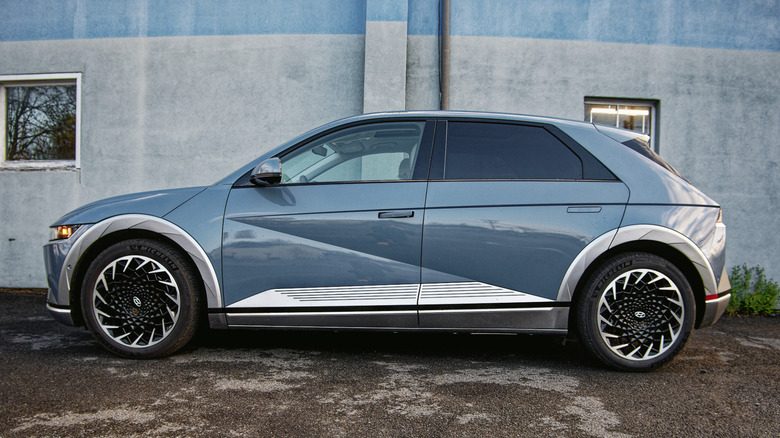
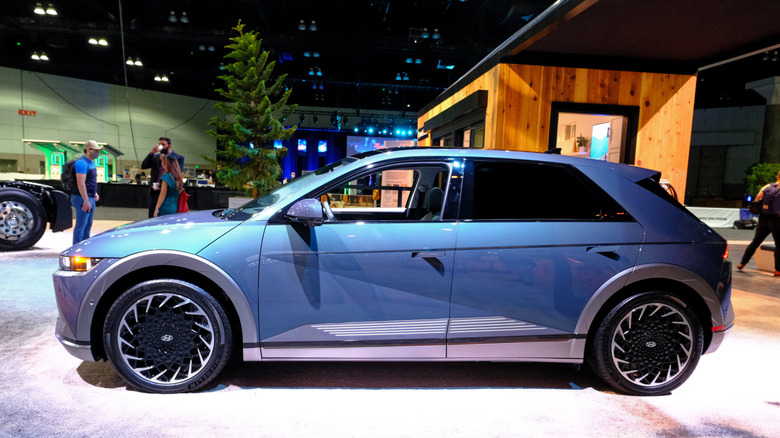
Using the national average of 18.3 cents per kWh for electricity, an AWD 2023 Hyundai Ioniq 5 requires approximately 34 kWh to cover 100 miles, costing the driver roughly $6.22. Conversely, a 2023 Honda Civic, burning 2.9 gallons of gasoline per 100 miles at an average price of $4.33, costs $12.55 to travel the same distance.
While the EV is undeniably cheaper to fuel—offering a savings of approximately $633 per 10,000 miles—this must be weighed against the premium paid for the vehicle. If a used Ioniq 5 commands a $3,469 premium over a comparable ICE vehicle, it would take over 54,000 miles of driving just to reach the break-even point.
The "Home Charging" Variable
This math only holds true if the owner has access to residential charging. Kelley Blue Book data indicates that DC fast charging can cost upwards of 55 cents per kWh—nearly three times the cost of residential electricity. For apartment dwellers or those relying solely on public infrastructure, the cost-of-fueling advantage of an EV is largely neutralized, making the higher initial financing costs of an electric car difficult to justify.
Official Industry Perspectives and Market Trends
Industry analysts are closely watching the "off-lease" pipeline. According to projections, the market is approaching a significant milestone: by next summer, nearly 19% of all off-lease vehicles will be EVs. This trend is expected to peak in 2028, with nearly 800,000 electric vehicles returning to the dealer pool.
"The influx of off-lease EVs is a double-edged sword," notes one automotive industry analyst. "On one hand, it provides a healthy supply of affordable inventory for budget-conscious buyers. On the other, the sheer volume of these vehicles threatens to further depress residual values, potentially creating a financing crisis for the captive finance arms of major automakers."
CarGurus and Manheim reports confirm this trend, showing that while new EV sales have struggled, used EV sales have trended upward by 19% in recent quarters. This surge in demand has led to a slight increase in used prices, particularly for popular models like the Tesla Model 3 and the Hyundai Ioniq 5, which saw price increases of 8% and 0.5% respectively in recent months.
Implications: The Reality for the Modern Buyer
For the average consumer, the decision to go electric in the current climate requires three things: diligence, a home charging solution, and a willingness to look beyond the "new" car market.
1. The Importance of Battery Health
As the market for used EVs matures, buyers are increasingly turning to services like Recurrent, which provide battery health reports. While modern lithium-ion batteries have proven more resilient than early skeptics predicted, transparency regarding battery degradation is now a prerequisite for a safe purchase.
2. The Debt Trap
With interest rates for used vehicles hovering around 11.19%, the total cost of ownership is highly sensitive to the loan amount. Buyers who opt for a "cheaper" used EV but finance it at a high rate for a long term often find that their fuel savings are entirely absorbed by interest payments. The strategy of financing as little as possible—or paying cash—is increasingly the only way to make the math work.

3. The Search for Practicality
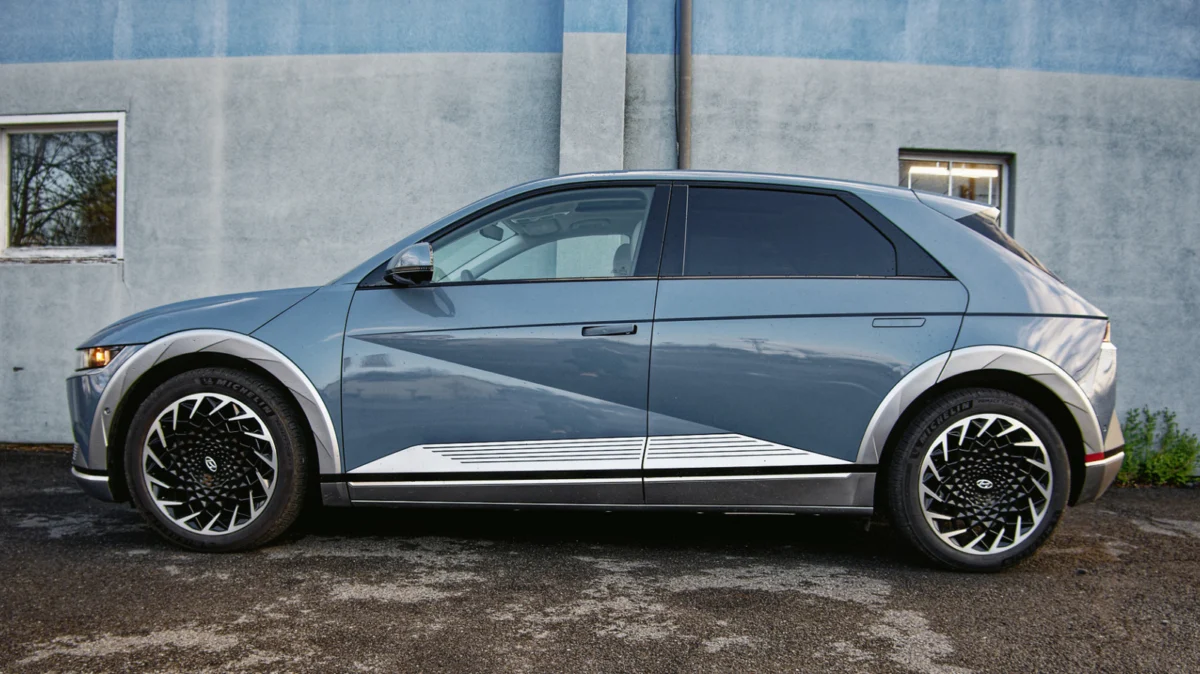
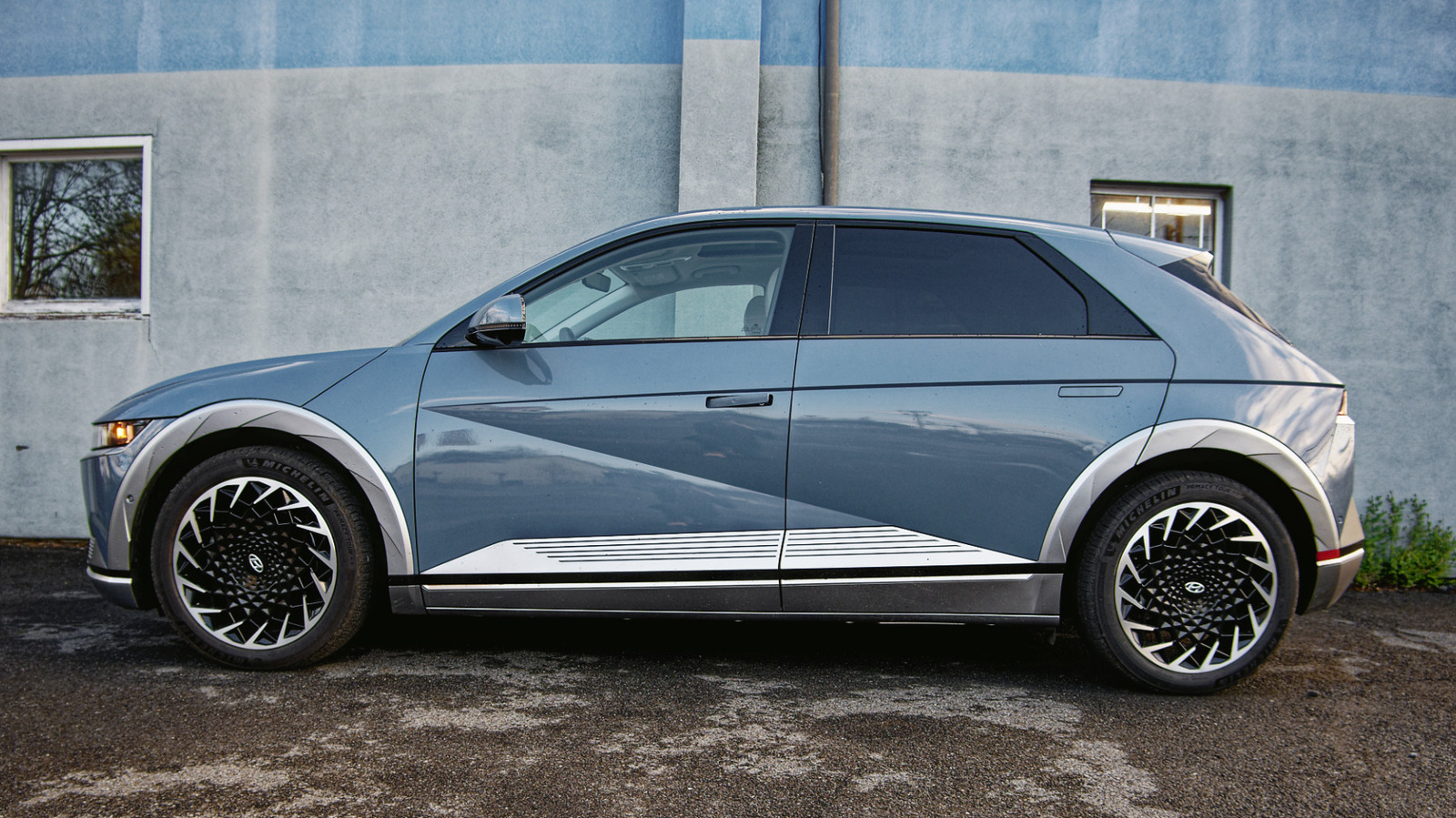
The market has also evolved in terms of design preference. As seen with the Hyundai Ioniq 5, consumers are gravitating toward vehicles that balance modern efficiency with traditional usability. The preference for physical volume knobs and intuitive climate controls over buried touchscreen menus is becoming a major selling point, signaling that the "tech-first" era of EVs is giving way to a "driver-first" phase.
Conclusion: A Measured Future
The "wild west" of sub-$150 lease deals is effectively over. The EV market has reached a state of relative maturity where the initial novelty is being replaced by the mundane reality of depreciation, financing costs, and operational expenses.
While the era of massive government subsidies for every buyer has passed, the transition to electrification remains a viable goal for those who perform the necessary due diligence. By leveraging the growing supply of off-lease inventory and prioritizing home charging, consumers can still find significant value. However, the days of relying on government handouts to justify a vehicle purchase are fading. Today, going electric is less about chasing incentives and more about understanding the complex, long-term trade-offs of modern mobility. For those willing to do the math, the electric future is still accessible—it just requires a much sharper pencil.
