

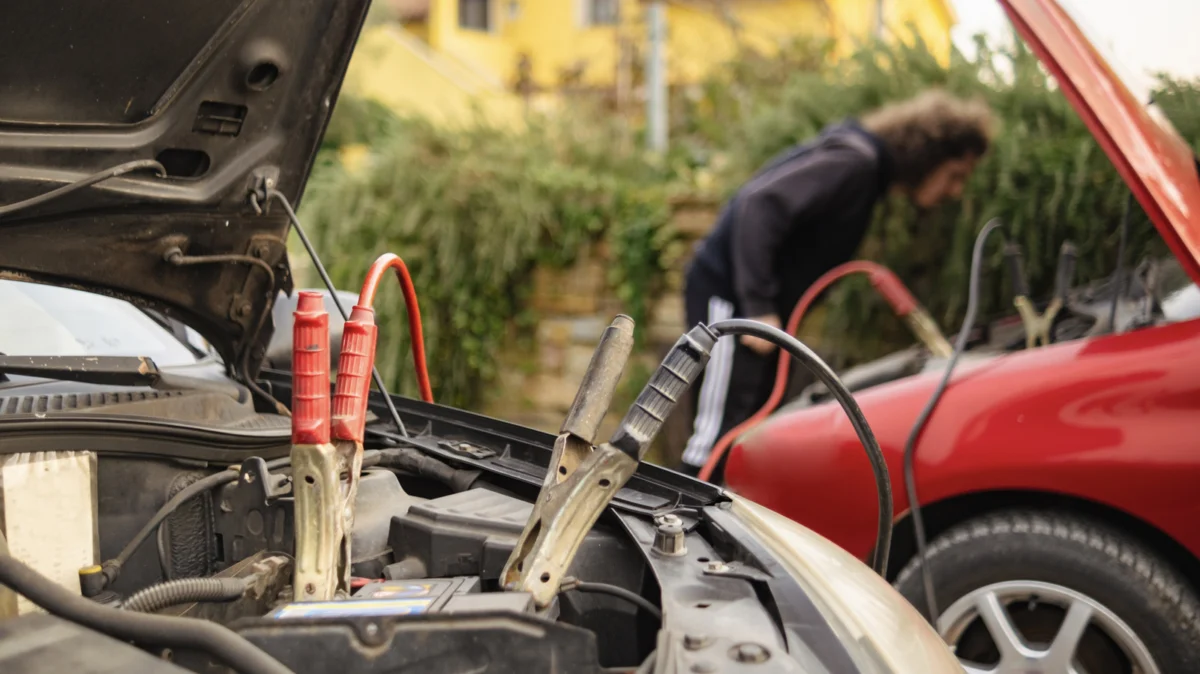
A dead battery is one of the most frustrating experiences in automotive ownership. It turns a vehicle that was ready to transport you to work, an appointment, or a weekend getaway into an expensive, stationary paperweight. While the solution—a jump start—is common knowledge to most drivers, the nuance of what happens next is often misunderstood. Many motorists believe that once the engine roars to life, their job is done. However, the seconds and minutes immediately following a jump start are critical for the health of your vehicle’s electrical system and the longevity of your battery.
The Mechanics of the Jump Start
To understand why we wait, we must understand the system at play. A car battery is a chemical storage device that provides the massive surge of current required to turn the starter motor. Once the engine is spinning under its own power, the alternator takes over. The alternator is essentially a generator driven by the engine’s crankshaft; it provides the electricity required for the spark plugs, fuel injectors, headlights, and infotainment systems, while simultaneously tricking the battery into accepting a charge.
When a battery is completely depleted, it cannot simply be "topped off" instantly. The charging process is a chemical reaction that requires time and a steady flow of voltage. If you disconnect your jumper cables the moment the engine turns over, you are essentially asking your car to run entirely on the alternator’s output without the buffer of a functioning battery. In many modern vehicles, this can lead to an immediate stall or, worse, an electrical spike that could damage sensitive control modules.
Chronology of a Successful Jump Start
Following a systematic, safe procedure is essential not only for the vehicle’s health but for your personal safety. If you find yourself stranded, follow this chronological guide:
Phase 1: Preparation and Safety
Before you even reach for the cables, ensure both vehicles are parked in neutral or park with the engines off. Never attempt to jump a battery that is cracked, leaking, or visibly bulging—this is a fire and chemical hazard. Position the donor vehicle so the batteries are as close as possible, but ensure the cars are not touching. Metal-on-metal contact can create an unwanted ground path, potentially causing a short circuit.
Phase 2: The Modern Connection Method
In the era of computerized vehicles, the old "terminal-to-terminal" connection method is risky. Modern cars are governed by complex Engine Control Units (ECUs) that are sensitive to voltage surges.
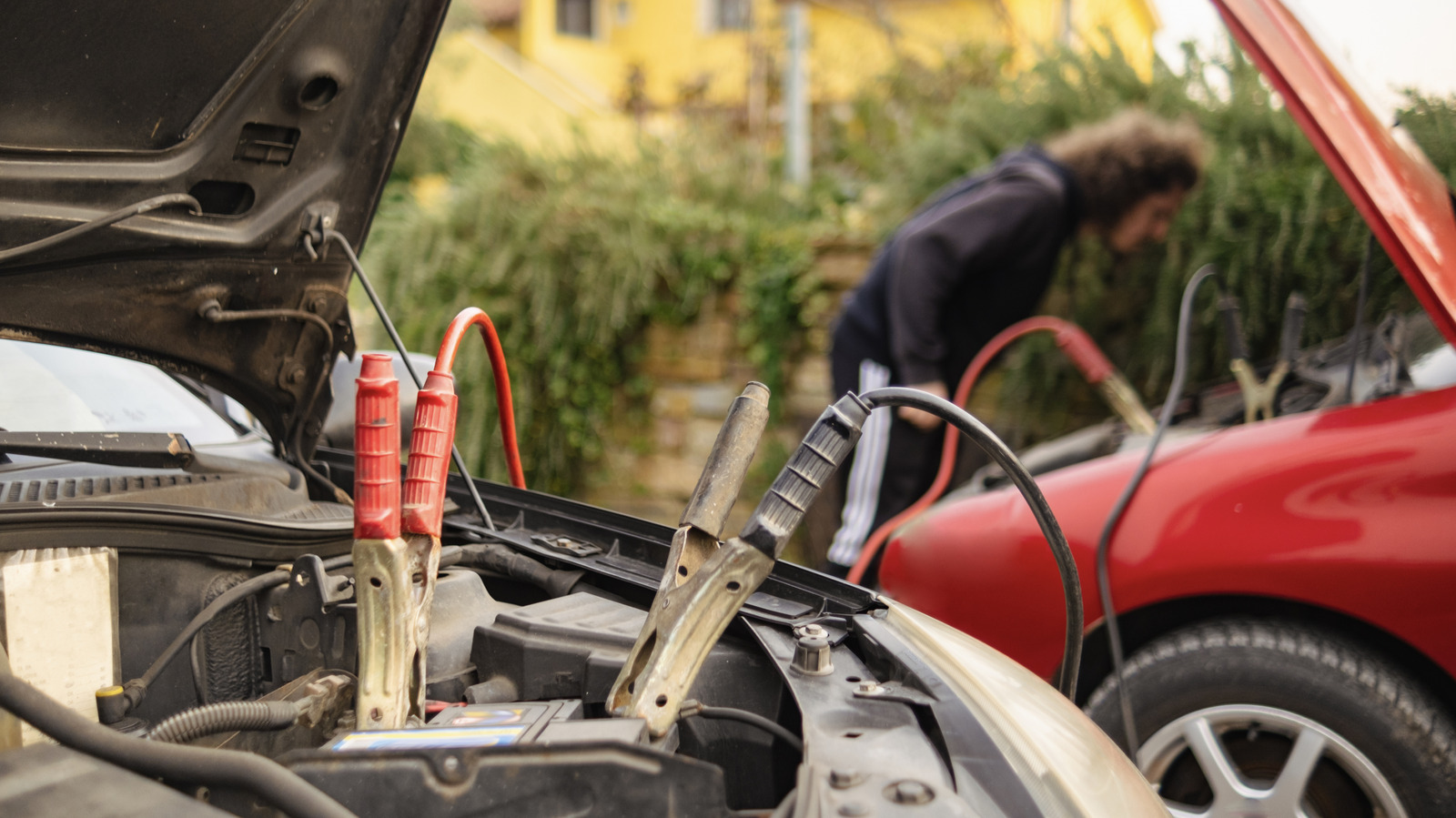
- Positive to Positive: Connect the red cable to the positive (+) terminal of the dead battery, then to the positive (+) terminal of the donor car.
- Negative to Ground: Connect the black cable to the negative (-) terminal of the donor car. Instead of connecting the other end to the dead battery’s negative terminal, locate an unpainted metal bolt or bracket on the engine block of the dead car. This "earth point" keeps the current away from the battery itself, reducing the risk of sparks near potentially flammable hydrogen gas venting from the battery.
Phase 3: The Idle Period
Once connected, start the donor vehicle and let it run for three to five minutes. This allows the donor car to transfer a surface charge to the dead battery, easing the strain on the donor’s alternator. Attempt to start the dead car. If it starts, do not rush to pull the cables. Leave them connected for an additional three minutes with both engines running. This "stabilization period" allows the voltage to equalize between the two systems.
Phase 4: Disconnection
Remove the cables in the exact reverse order of how you attached them. Start with the negative lead on the dead car, then the negative on the donor, then the positive on the donor, and finally the positive on the dead car.
Supporting Data: Why "Idle" Isn’t Enough
A common misconception is that letting a car "idle" in the driveway for 15 minutes is sufficient to recharge a dead battery. Automotive engineers point out that an alternator’s output is proportional to engine speed. At idle (usually 600–800 RPM), the alternator is producing significantly less current than it does at cruising speeds (2,000+ RPM).
If you have a 50-amp hour battery that is 80% depleted, you need to return 40 amp-hours to the system. If your alternator is only producing 5–10 amps at idle—much of which is being consumed by the car’s own systems—the battery will receive a negligible trickle. Effectively, you could sit in your driveway for an hour and barely gain enough charge to start the car again.
The Golden Rule: Once the engine is running, you need to drive the vehicle. Experts generally recommend at least 30 minutes of continuous driving at highway speeds. This higher RPM range allows the alternator to operate at peak efficiency, providing a robust charge to the battery while the engine management system is under a constant, stable load.
Implications of Electrical Load
The length of time required to recharge depends entirely on your vehicle’s "parasitic" load. If you are driving on a rainy night, you are engaging:
- Headlights: 10–15 amps
- Wipers: 5–8 amps
- HVAC Fan: 10–20 amps
- Infotainment/Stereo: 5–15 amps
When your alternator is fighting to power these accessories, there is very little "spare" current left to recharge the battery. If you are in a situation where you must drive immediately after a jump start, turn off every non-essential electronic device. Turn off the AC, dim the dash lights, turn off the stereo, and avoid using heated seats or window defrosters. By minimizing the load, you allow the alternator to dedicate its entire output to the battery.
Official Responses and Manufacturer Warnings
Vehicle manufacturers have become increasingly vocal about jump-starting in recent years. Many modern luxury vehicles, such as those from BMW, Mercedes-Benz, and Land Rover, feature batteries tucked away in trunks, under seats, or buried beneath interior trim panels. These vehicles often have dedicated "jump points" under the hood.
Official service manuals warn that connecting cables directly to the battery terminals of some modern vehicles can bypass the Battery Management System (BMS). The BMS monitors the state of charge and battery health; if you bypass this sensor, the car’s computer may not "know" the battery has been recharged, leading to errors in the start-stop system or even premature alternator failure. Always consult your owner’s manual to see if your vehicle requires a specific jump-start procedure.
Conclusion: When is a Jump Start Not Enough?
It is important to remember that a jump start is a temporary fix, not a cure. If your battery is more than three to four years old, a total discharge can cause permanent damage to the lead-acid plates inside. If you find yourself needing a jump start more than once, it is a clear indicator that your battery has reached the end of its service life or that you have a parasitic drain (such as a light left on or a faulty component) depleting the battery while the car is parked.
After a successful jump, visit an auto parts store or a mechanic to have the battery "load tested." This simple test will tell you if the battery can hold a charge or if it is time to invest in a replacement. Treating the symptoms of a dying battery with repeated jump starts is a recipe for being stranded in a much more inconvenient location than your driveway. Respect the chemistry of your battery, drive with a light electrical load, and always prioritize the health of your car’s electrical brain over the convenience of a quick departure.
