

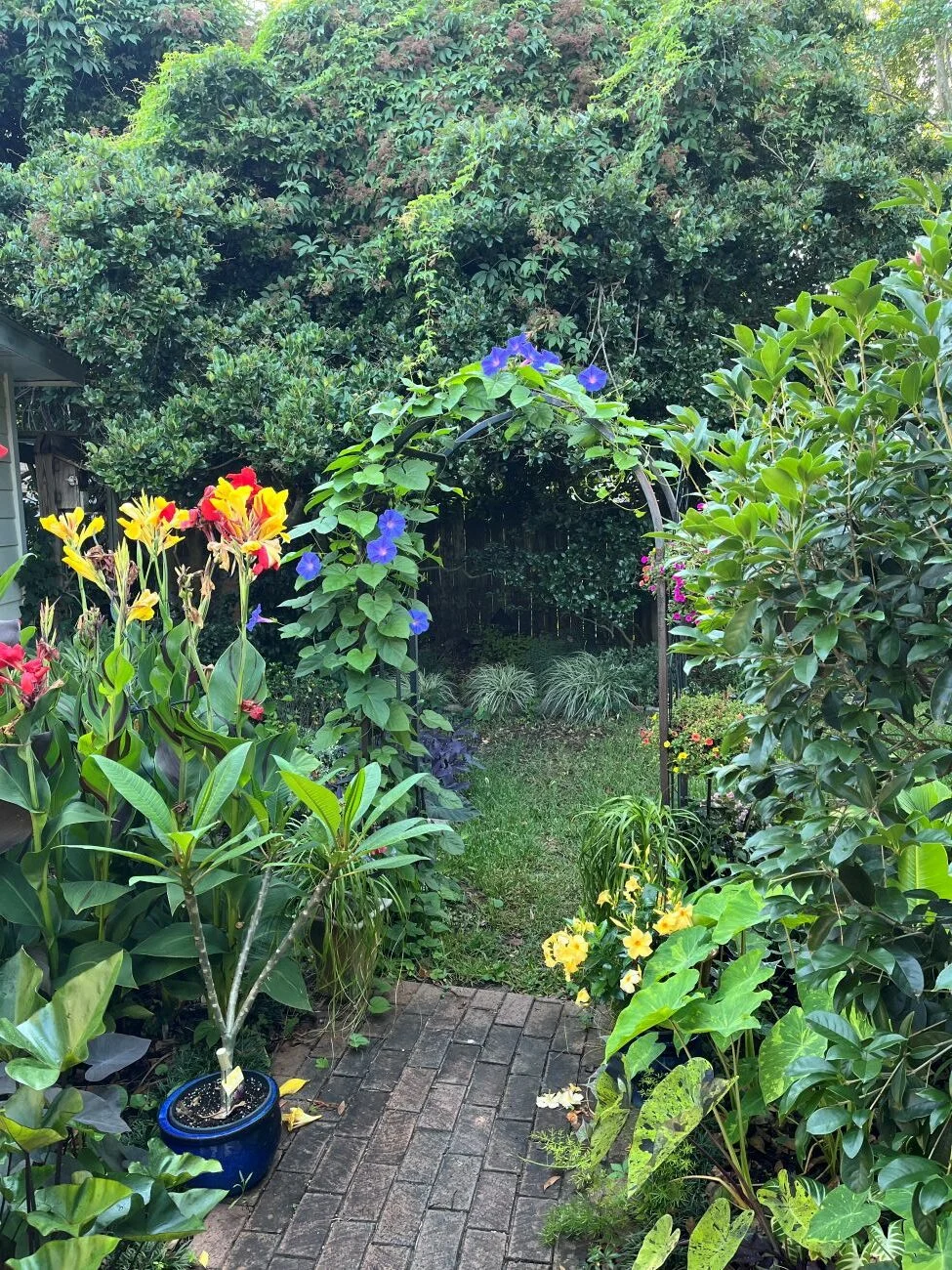
In the heart of Mount Pleasant, South Carolina, a transformation of extraordinary proportions has unfolded over the last three decades. What began as a blank slate—a simple plot of land with little to offer the aspiring horticulturist—has been meticulously sculpted into a lush, immersive tropical paradise. The garden, nurtured by local resident Marilyn, stands as a testament to patience, vision, and the art of adaptive gardening. Today, the space serves as a masterclass in temperate-tropical cultivation, proving that even in the humid, unpredictable climate of the Lowcountry, one can curate a dense, exotic sanctuary.
A Legacy of Growth: The Chronology of Transformation
The genesis of this botanical retreat dates back 27 years. When Marilyn first acquired the property, she faced the classic gardener’s challenge: a lack of structural foundation and a dauntingly empty landscape. Unlike gardens that are professionally installed in a single season, Marilyn’s sanctuary was built on a philosophy of incremental growth.
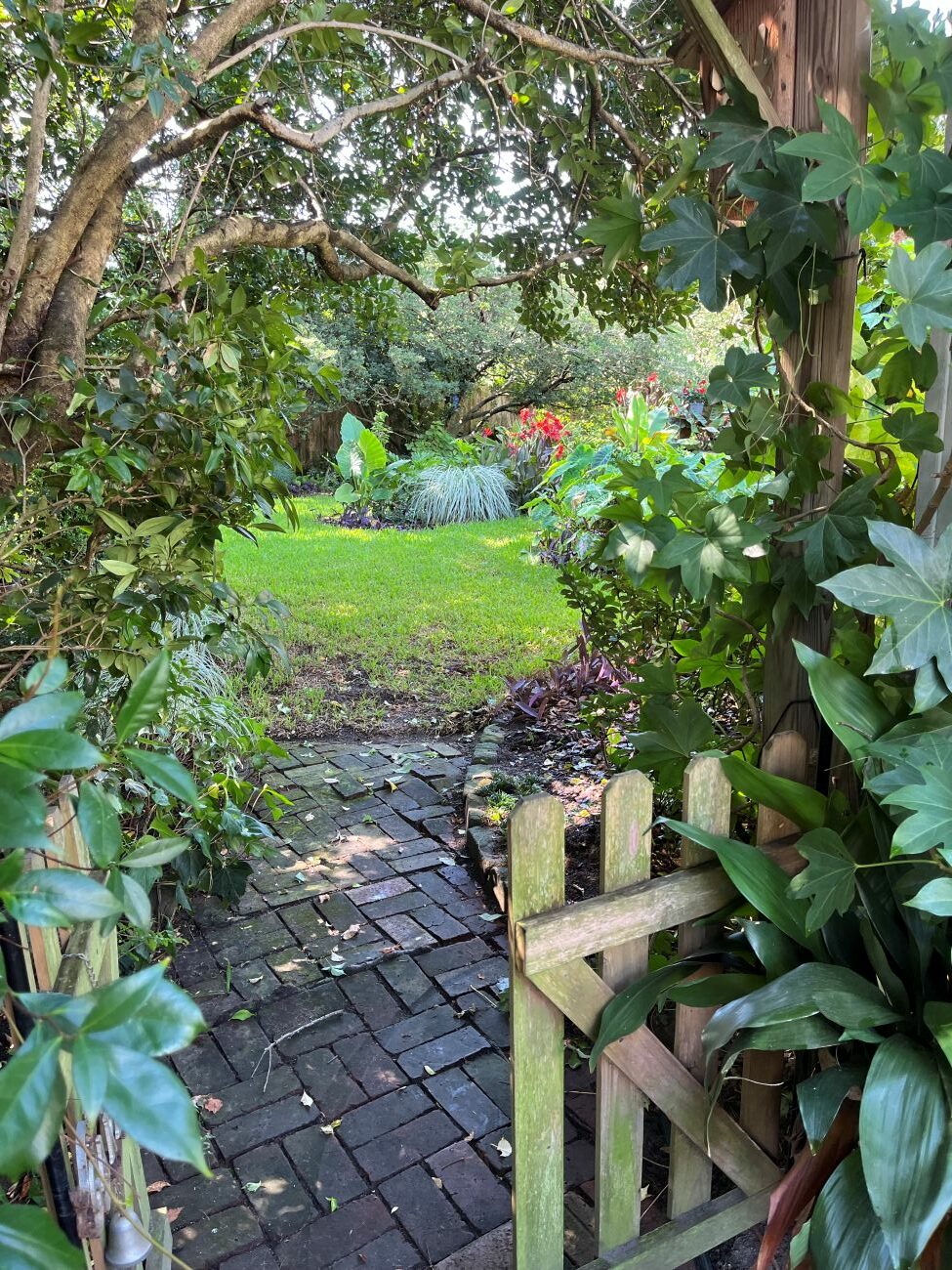
In the initial years, the focus was on soil amendment and the establishment of a skeletal structure of trees to provide the necessary microclimates for more delicate tropicals. By the mid-2000s, the garden began to take on its current character, transitioning from a series of scattered beds into a cohesive, interconnected ecosystem. The introduction of the koi pond marked a pivotal moment in the garden’s history, shifting the focus from simple plant collection to a holistic landscape design that integrates water, flora, and hardscaping.
Over the past decade, the focus has shifted toward high-impact foliage and the layering of tropical specimens that are hardy enough to survive South Carolina winters while providing a lush, jungle-like aesthetic throughout the growing season. The result is a multi-layered garden that demands attention at every level, from the ground-hugging pitcher plants to the towering canopy of banana trees.
The Botanical Inventory: A Study in Tropical Hardiness
The success of this garden relies heavily on the careful selection of cultivars that thrive in USDA Zones 8 through 11. Marilyn’s collection is defined by bold textures and vibrant colors. Key species that anchor the garden include:
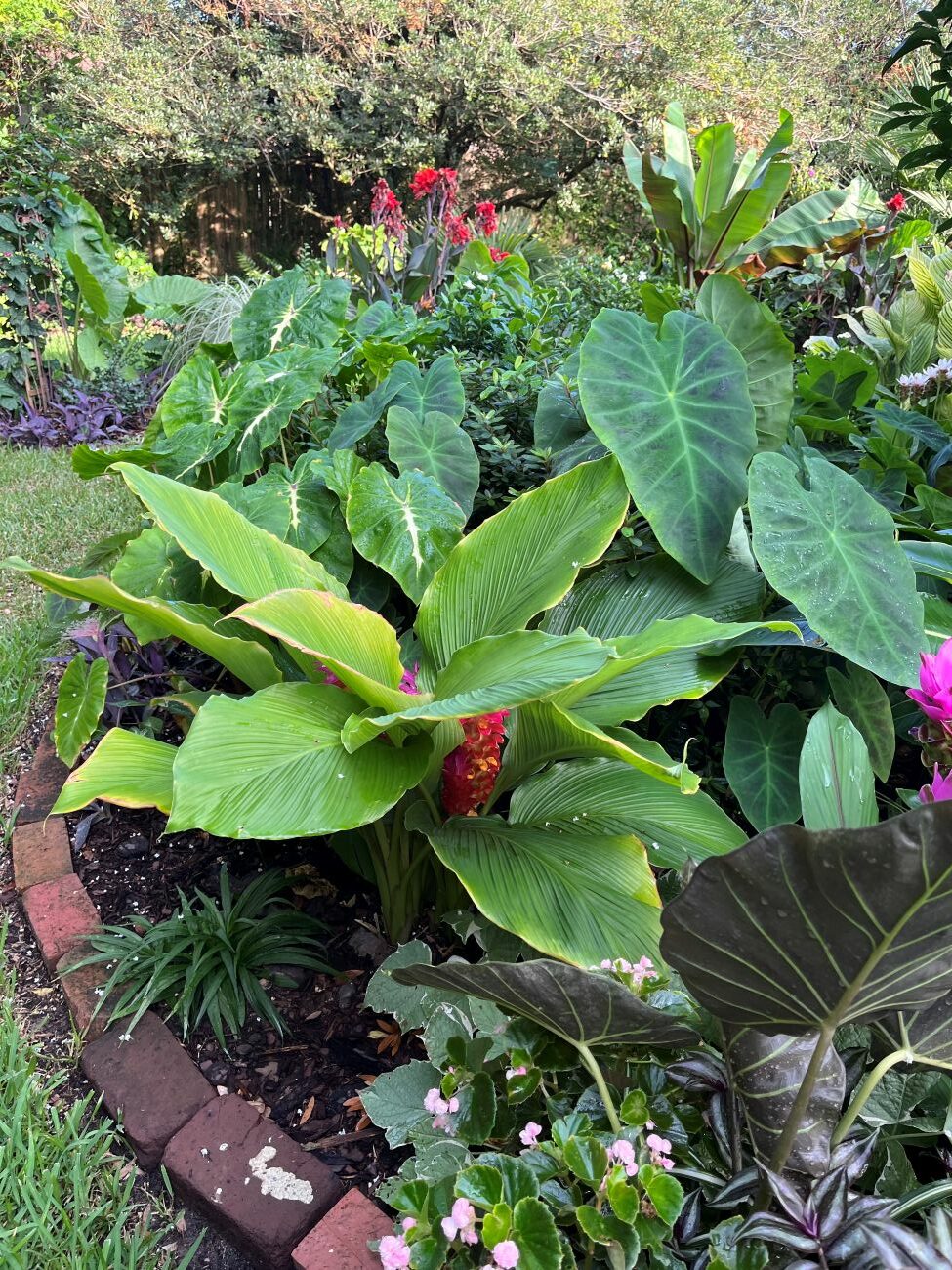
- Banana Plants (Musa cvs.): These serve as the structural pillars of the garden, providing height and an immediate sense of scale. Their broad, wind-swept leaves offer a classic tropical silhouette.
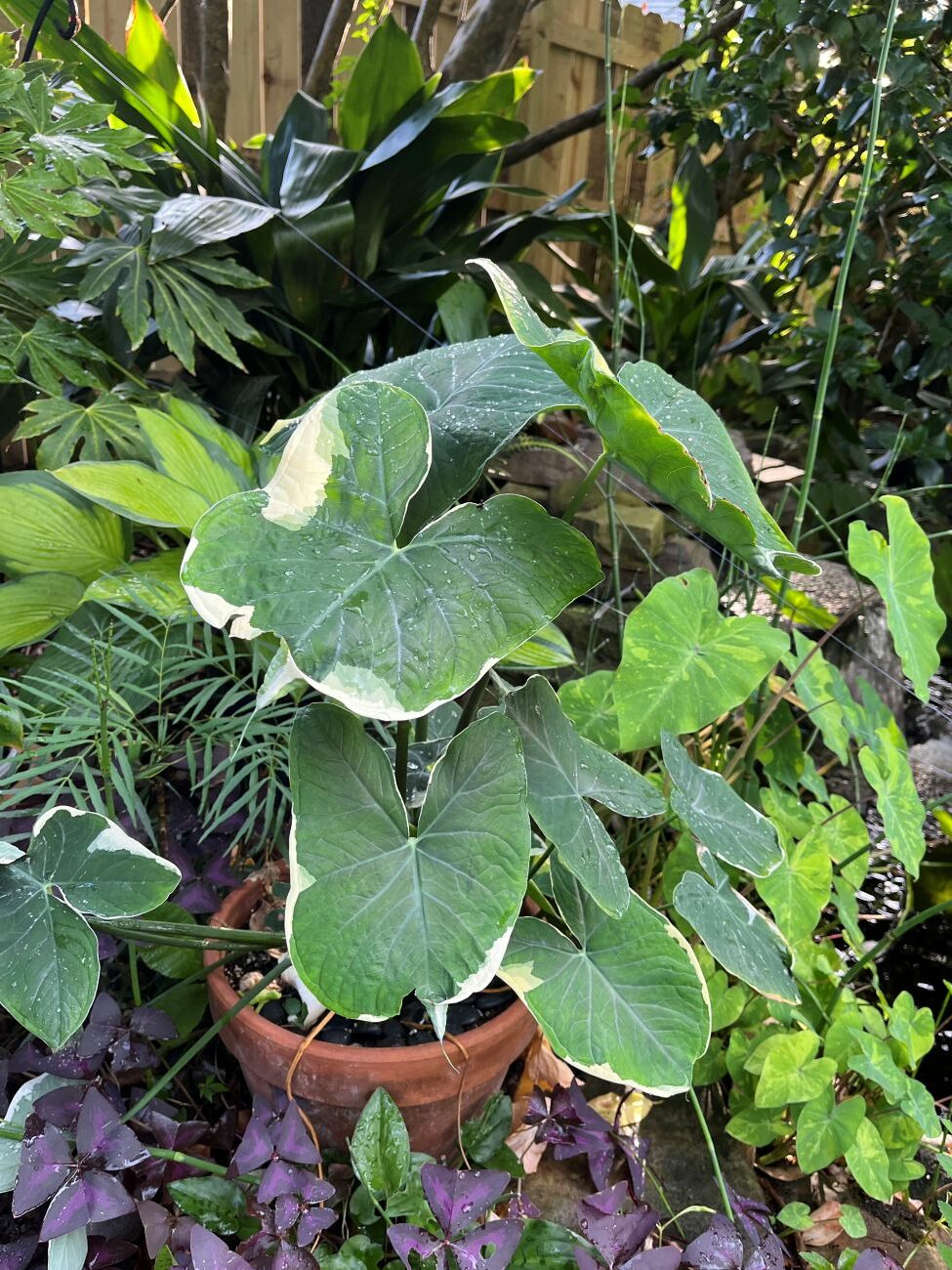
- Elephant Ears (Colocasia cvs.): With varieties such as ‘Maui Sunrise’ and ‘Coal Miner,’ the garden utilizes the dramatic, oversized leaves of Colocasia to create rhythm and contrast against the finer textures of the surrounding plants.
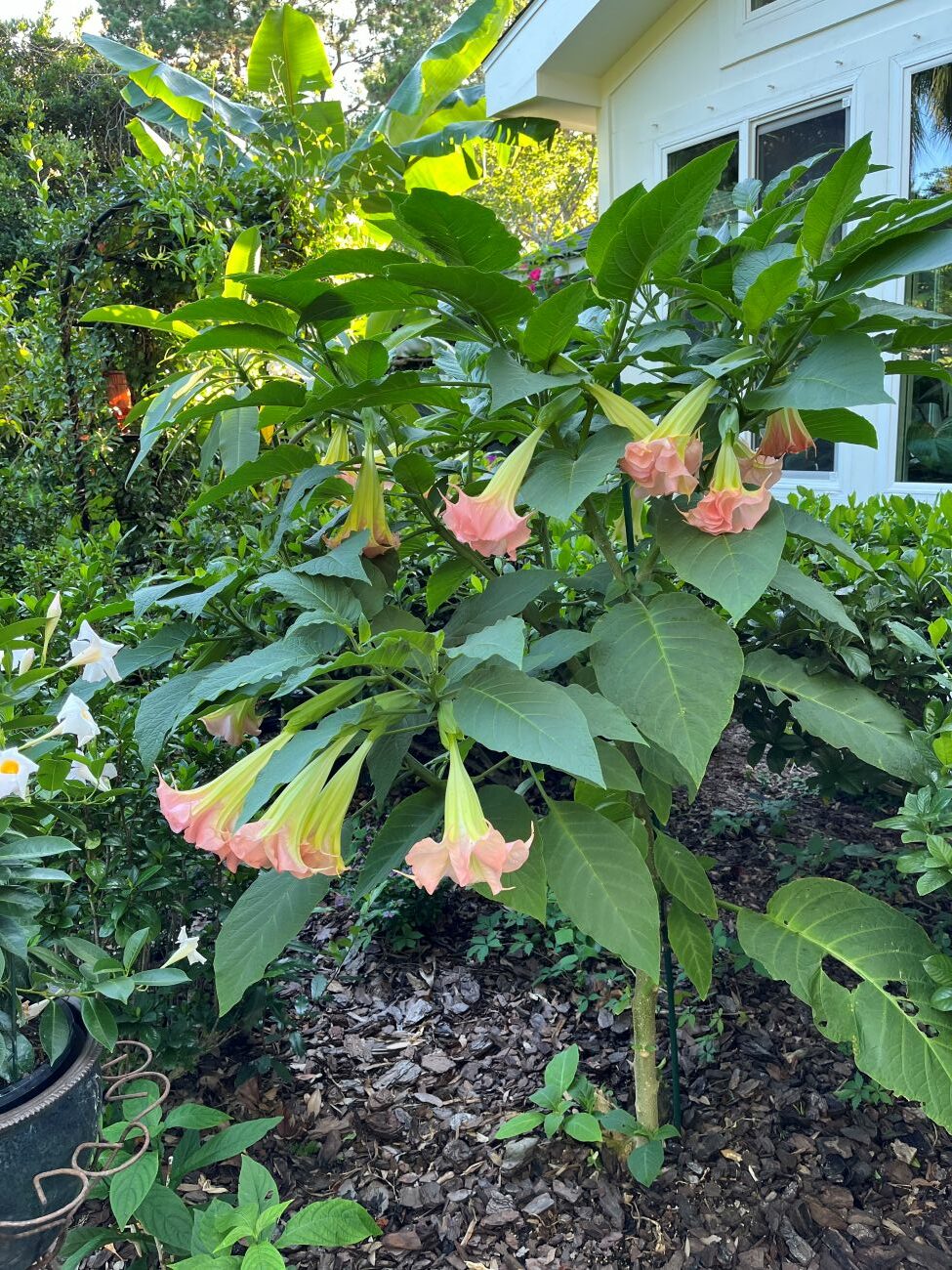
- Angel’s Trumpets (Brugmansia cvs.): Positioned to provide both visual drama and sensory appeal, these plants produce pendulous, oversized flowers that release a hauntingly beautiful, sweet fragrance during the evening hours.
- Curcumas and Gardenias: These provide mid-level interest, with Curcuma adding unique, exotic blooms and Gardenia contributing a classic, intoxicating scent that is quintessentially Southern.
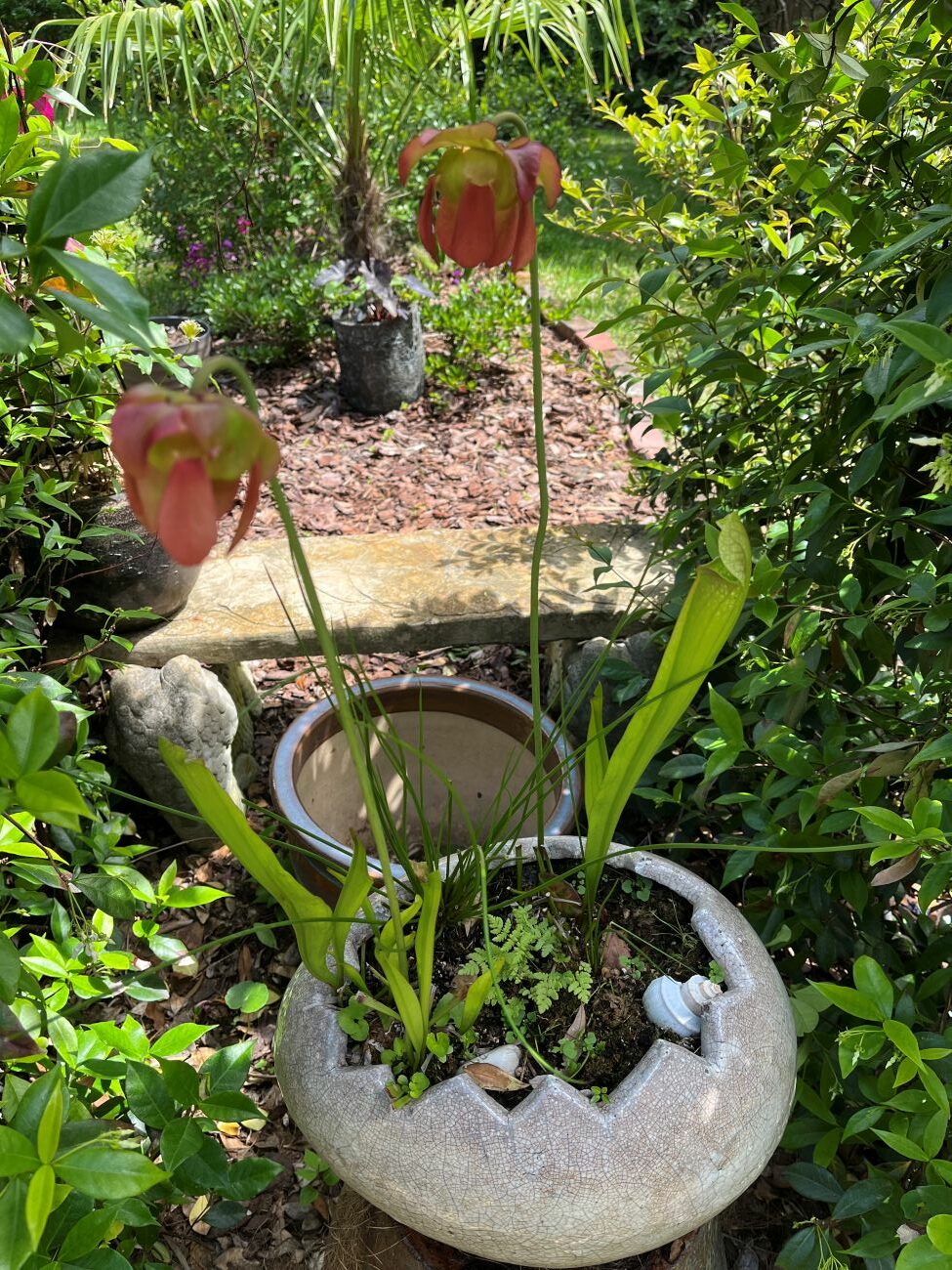
- Specialty Specimens: The inclusion of Xanthosoma ‘Mickey Mouse’ adds a whimsical, variegated touch, while the unexpected presence of Sarracenia (pitcher plants) showcases a sophisticated appreciation for botanical diversity.
Supporting Data: Understanding the Lowcountry Microclimate
Gardening in Mount Pleasant presents a unique set of meteorological variables. The region experiences high humidity and long, hot growing seasons, which are ideal for tropicals, but it is also subject to periodic cold snaps that can threaten non-native species.
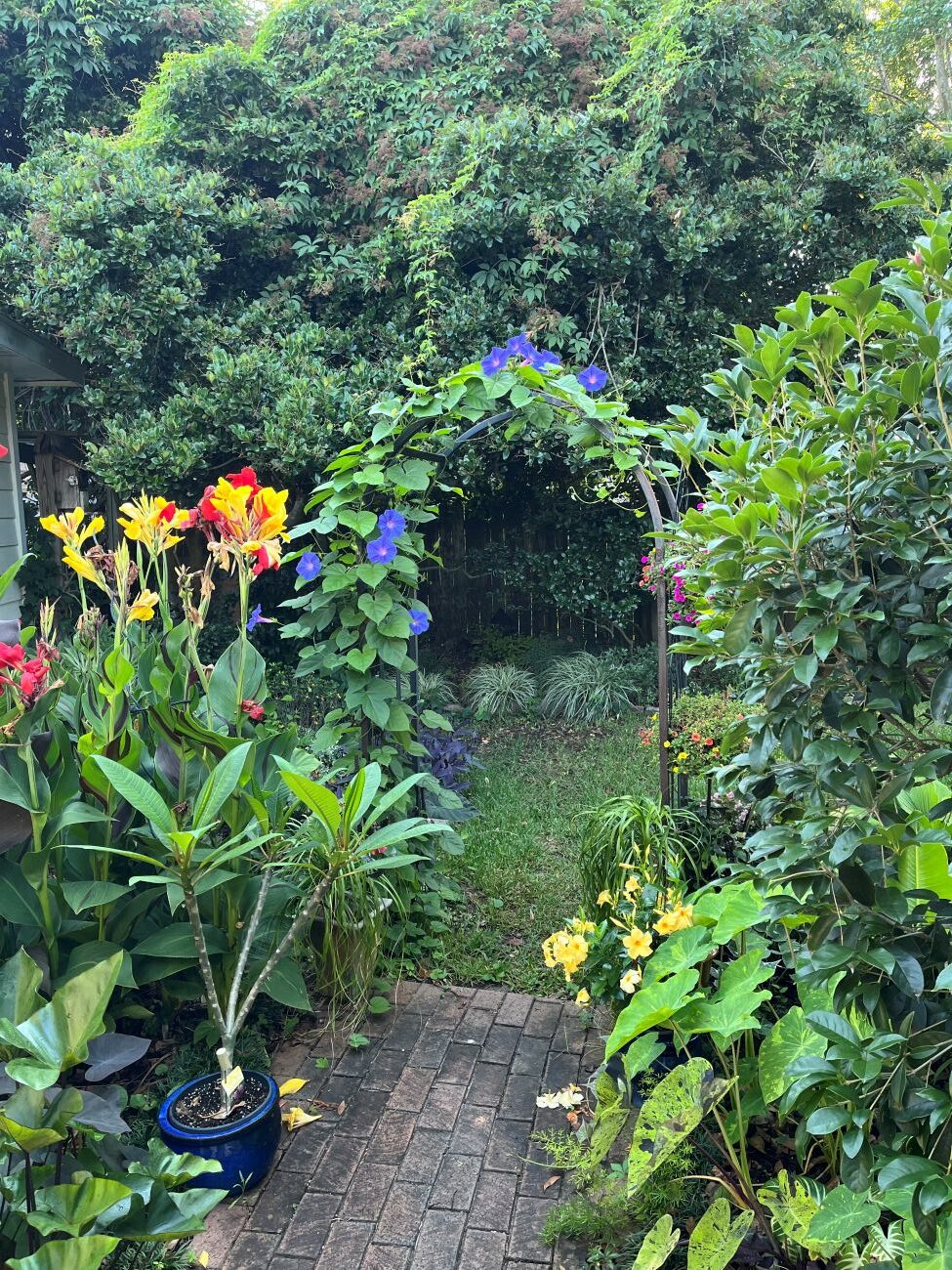
The "tropical look" is often achieved through a combination of permanent plantings and annual "fillers." For example, the Ipomoea purpurea (morning glory) used to cover the garden arch is an annual that provides immediate, rapid coverage. This strategy allows the gardener to maintain a consistent aesthetic while mitigating the risks associated with winter die-back.
Water management, as evidenced by the installation of the koi pond, is critical. Tropical plants are notoriously thirsty; the integration of efficient irrigation, such as the RAINPOINT sprinkler timer systems often utilized by serious gardeners in the region, allows for consistent moisture delivery without the waste associated with manual watering. This level of technical oversight is what elevates a home garden from a hobbyist’s project to a curated botanical collection.
Expert Perspectives on Tropical Gardening
Horticultural experts often point to gardens like Marilyn’s as the ideal model for "Tropical-Temperate Integration." By selecting plants that have the appearance of being tropical—such as Colocasia and Musa—but possess the physiological resilience to endure cooler winters, gardeners can avoid the heartbreak of losing an entire collection during a January freeze.
"The key," notes one regional landscape consultant, "is the layering effect. Marilyn hasn’t just planted flowers; she has created a series of ‘rooms’ and focal points. The use of a brick path as a central artery encourages movement, while the vertical layering of the morning glories and the horizontal spread of the elephant ears forces the eye to take in the entirety of the space."
The inclusion of the koi pond also serves an ecological purpose. It creates a local heat sink and moisture source, fostering a stable environment for the surrounding plants. This type of thoughtful, site-specific design is what allows a garden to mature gracefully over nearly three decades.
Implications for the Future: A Living, Breathing Sanctuary
As we look at the current state of Marilyn’s garden, the implications for the future are clear: this is a space that will continue to evolve. One of the most fascinating aspects of a mature tropical garden is its ability to self-regulate. Over time, the shade provided by the larger banana plants and trees has allowed for the introduction of more shade-tolerant tropicals, creating an understory that is increasingly complex and self-sustaining.
For those inspired by this 27-year journey, the message is one of patience. The "instant jungle" is a myth; a true paradise is the result of years of trial, error, and refinement. Whether it is learning which Canna variety survives the winter best or discovering the perfect spot for a Plumeria, the gardener’s education is never truly complete.
How to Start Your Own Journey
For those feeling emboldened to start their own transformation, the following tips—distilled from years of successful gardening in similar zones—are essential:
- Prioritize Soil Health: Tropicals are heavy feeders. Investing in high-quality compost and organic matter early in the process is non-negotiable.
- Structural Framing: Before adding the exotic plants, ensure you have a hardscape (like the brick path in Marilyn’s garden) and permanent woody plants to provide year-round structure.
- Microclimate Awareness: Identify the "warm spots" in your yard—areas near brick walls, stone, or sheltered corners—and reserve your most sensitive tropicals for those locations.
- Tooling: As the garden grows, the complexity of maintenance increases. Utilizing high-quality tools, such as a dedicated soil knife for precise planting and durable nozzles for water delivery, makes the labor of love far more manageable.
- Documentation: As Marilyn’s story shows, the history of a garden is part of its charm. Keeping track of plantings and layouts allows you to learn from your successes and failures.
Conclusion
Marilyn’s garden in Mount Pleasant is more than just a collection of plants; it is a living history of a homeowner’s dedication. It serves as a reminder that with the right combination of hardiness, strategy, and sheer passion, one can cultivate a slice of the tropics in the heart of the South. As the garden enters its 28th year, it stands as a flourishing example of what can be achieved when a gardener listens to their landscape, works with the climate, and allows their vision to bloom over time.
If you are a gardener with a story to tell, or a sanctuary you have spent years cultivating, consider sharing your progress. The community of enthusiasts is always looking for new inspiration, and your backyard may be the next source of motivation for a novice gardener looking to turn their own empty plot into a paradise.
