

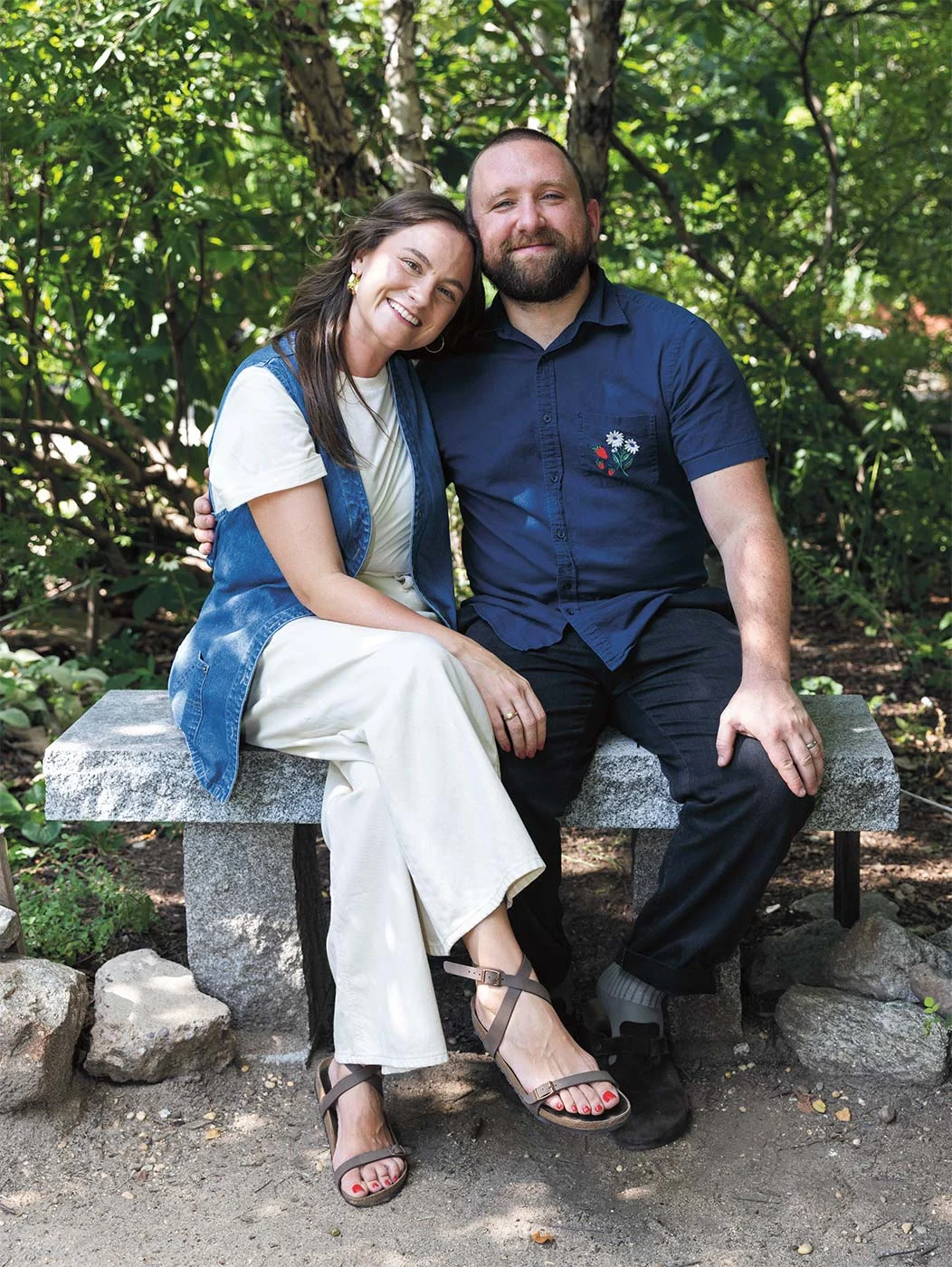
In the heart of Northern Liberties, Philadelphia, a new sanctuary for the senses is taking root. Field Day, the highly anticipated cocktail bar from James Beard Award-winning author Danny Childs and his wife, Katie Childs, is set to open its doors this fall. More than just a watering hole, Field Day represents the culmination of a decade-long exploration of the regional landscape, blending the academic rigor of ethnobotany with the soulful, seasonal traditions of the Mid-Atlantic.
For Danny Childs, the journey to opening his own brick-and-mortar space was neither linear nor planned. It is a story of soil, seasons, and the profound connection between the plants we grow and the liquids we pour.
Main Facts: A New Chapter in Regional Mixology
Field Day is positioned as a “regional cocktail bar,” a concept that serves as the physical home for the “Slow Drinks” movement that Childs pioneered. The establishment is designed to be both a destination for beverage enthusiasts and a comfortable, neighborhood-centric space that locals can frequent multiple times a week.

The bar’s philosophy is rooted in biodiversity and sustainability. By sourcing ingredients from local farms across New Jersey and Pennsylvania—including D&V Organics, Robson’s Farm, and Plowshare Farms—Childs aims to map the geography of the region directly into the glass. The menu will feature over 30 boundary-pushing cocktails, supported by a food program curated by James Beard Award-nominated chef Melissa McGrath of Sweet Amalia Market & Kitchen. The synergy between the bar’s fermentation program and the kitchen’s pantry will ensure that every element, from the garnishes to the small plates, reflects the current harvest.
The Chronology: A Path Paved with Plants
To understand the ethos of Field Day, one must look at the unconventional path that led Danny Childs to the bar industry.
The Farm & Fisherman Years (2014–2023)
In 2014, Childs was not looking to become a bartender. As an ethnobotanist—a scientist who studies the relationship between people and plants—he had spent years conducting postgraduate fieldwork in South America. Upon returning to his native New Jersey, he began working on a farm located on the border of Marlton and Medford.

His initial contact with the Farm & Fisherman Tavern in Cherry Hill was purely agricultural; he hoped to sell the farm’s surplus vegetables to the restaurant. While the chefs were eager to buy his produce, they didn’t have a spot for a farmer. They did, however, need a server. Childs accepted the position, unaware that this decision would anchor him to the hospitality industry for the next nine years.
The Birth of "Slow Drinks"
During his tenure at the tavern, Childs began experimenting with the bounty of the land. He started bringing his own homemade preserves, ferments, and foraged ingredients to the kitchen. His colleagues, impressed by the depth of flavor, encouraged him to apply his botanical knowledge to the drink program.
This environment birthed "Slow Drinks," a concept that mirrors the Slow Food Movement. As Childs describes it, the movement is about “weaving together stories of people, place, process, and plants.” By 2018, his unique approach had gained enough traction to warrant a recurring column in Edible Jersey. This platform, coached by the late editor Teresa Politano, helped Childs refine his voice and eventually led to the publication of his acclaimed book, Slow Drinks, which earned a James Beard Award.

The Transition to Field Day
With a decade of immersion in the agricultural landscape of both New Jersey and Pennsylvania, the decision to open a permanent space became a natural evolution. After scouting locations, the couple settled on Northern Liberties, a vibrant Philadelphia neighborhood that allows them to maintain their ties to their home in Pennsauken while tapping into the city’s sophisticated dining scene.
Supporting Data: Sourcing and Sustainability
The success of Field Day hinges on a robust supply chain that honors the local terroir. Childs has cultivated deep relationships with producers who understand his commitment to heirloom and specialty ingredients.
- New Jersey Partnerships: Collaborations with D&V Organics (Swedesboro) and Robson’s Farm (Wrightstown) provide a steady stream of fresh, organic produce that forms the base of the bar’s seasonal menu.
- Pennsylvania Connections: Through Teddy Moynihan of Plowshare Farms, the bar secures heirloom produce that is often unavailable in mass-market channels.
- Foraging and Viticulture: The team actively incorporates wild-foraged elements and sources grapes from Blind Fox Vineyards in Bucks County, ensuring that even the wine-based components of the cocktails have a local pedigree.
- The Fermentation Program: The appointment of a dedicated director of fermentation and preservation highlights the technical depth of the project. By experimenting with unconventional ingredients like beeswax, the team intends to push the boundaries of traditional mixology.
Official Responses: The Philosophy of the Founders
In interviews leading up to the launch, the couple has been vocal about their vision for the space. Danny Childs views the bar as a canvas for the region’s identity. “After years of studying and seeing culinary beverages and traditions proudly represented in their places, I thought it would be really cool to do that here,” he explains.

The involvement of Chef Melissa McGrath adds a layer of culinary credibility to the project. “We share philosophies and ethos,” Childs notes. “I’ve always loved her food because it is both exceptional and unfussy. Excellent ingredients, bright flavors.”
McGrath’s menu is designed to be the perfect counterpoint to the cocktails. By featuring "elevated bar food"—including Pennsylvania Dutch staples like Lebanon bologna with fermented chowchow, red beet eggs, and Jersey Shore-inspired baked clams—the food program reinforces the sense of place that defines the entire concept.
Implications: A New Standard for Regional Bars
The opening of Field Day has broader implications for the hospitality industry in the Philadelphia and South Jersey area. It challenges the traditional model of a cocktail bar, which often relies on national or international distribution for spirits and mixers. By prioritizing local, seasonal, and foraged ingredients, Field Day sets a new benchmark for what a regional establishment can achieve.

Impact on Local Agriculture
By creating a high-profile outlet for heirloom and specialty crops, Field Day provides a financial incentive for local farmers to continue growing diverse, ecologically friendly produce. This symbiotic relationship strengthens the local food system and educates consumers about the value of regional agriculture.
Influence on Consumer Habits
Childs hopes that the bar will encourage patrons to view their drinks through the same lens they use for their food. When a customer drinks a "Birch and Bourbon"—a concoction of homemade birch beer, wintergreen, black birch bark, sassafras root, and hibiscus—they are not just consuming a cocktail; they are tasting the flora of the Appalachian region. This educational aspect is central to the mission of the bar.
Future Outlook
As Field Day approaches its fall opening, the industry is watching closely. If the success of the Slow Drinks book is any indication, there is a significant appetite for this type of thoughtful, narrative-driven hospitality. For the Childs, the bar is a long-term commitment to their community. By bridging the gap between the farm and the glass, they are creating a space that feels both timeless and innovative.

Whether it is the boozy gelato that pays homage to Philly’s iconic water ice or the sophisticated use of foraged beeswax, Field Day is poised to become a landmark in Northern Liberties. It is a testament to what happens when academic curiosity meets a genuine love for the land, promising a future where the local harvest is always at the center of the conversation.
FIELD DAY
923 N Second St, Northern Liberties (Philadelphia)
fielddayphilly.com
