

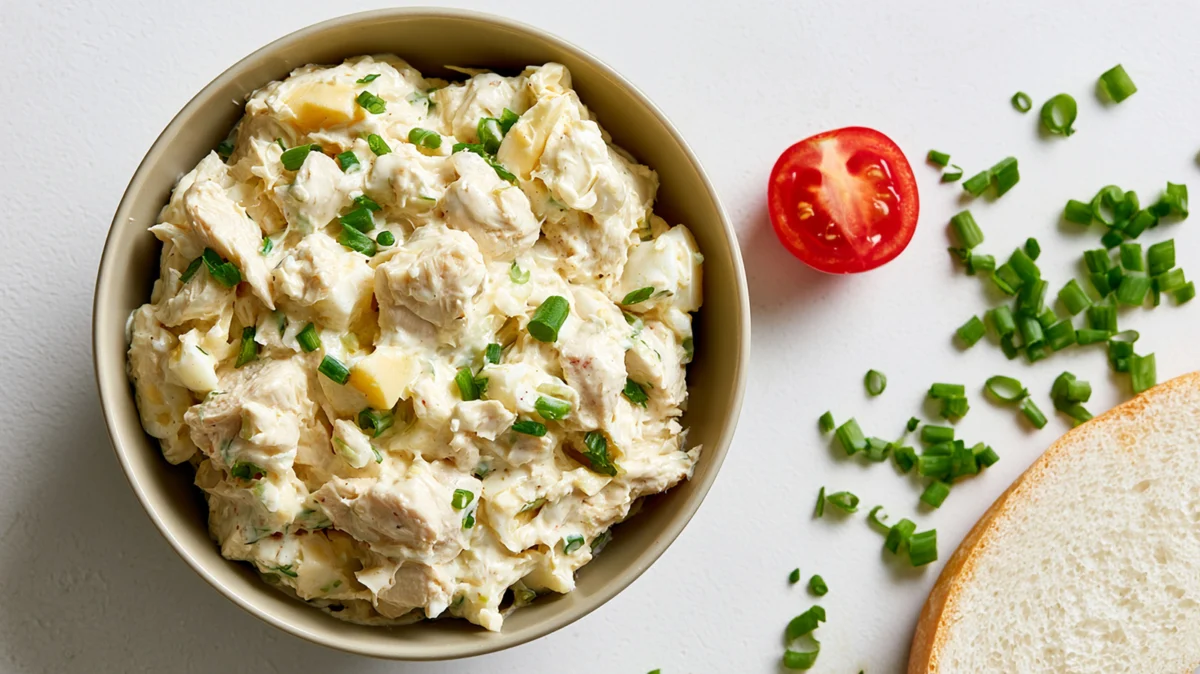
For decades, the standard for chicken salad has remained largely static: shredded or cubed poultry bound by a generous, often heavy, coating of mayonnaise. While this classic preparation serves as a comfort-food staple, culinary innovators are increasingly looking for ways to inject complexity, brightness, and a more sophisticated flavor profile into this humble lunch dish. The latest trend shaking up the kitchen isn’t a new spice blend or a trendy protein substitution—it is a creamy, tangy, and versatile dairy powerhouse: goat cheese.
By replacing or augmenting traditional mayonnaise with chèvre, home cooks and professional chefs alike are discovering a way to elevate chicken salad from a simple sandwich filler to a gourmet centerpiece.
The Core Shift: Why Goat Cheese Changes the Game
Chicken salad is arguably one of the most flexible canvases in the culinary world. It has historically embraced everything from the minimalist approach—four simple ingredients—to bold, global infusions like harissa, miso, and curry. However, the introduction of goat cheese represents a fundamental shift in texture and acidity.
Unlike mayonnaise, which offers a neutral, fatty richness, goat cheese (or chèvre) brings a signature "tang" that cuts through the savory nature of chicken. The crumbly, earthy profile of the cheese adds a layer of depth that mayo simply cannot replicate. Because goat cheese is inherently drier and denser than the emulsified oil-and-egg structure of mayonnaise, it requires a thoughtful approach to hydration.
To achieve the perfect consistency, chefs recommend thinning the goat cheese with high-quality olive oil. The peppery, grassy notes of a cold-pressed extra virgin olive oil harmonize beautifully with the cheese’s natural profile. Alternatively, for those seeking a creamier, more luxurious mouthfeel, folding in a dollop of Greek yogurt or high-fat sour cream creates a dressing that is both stable and vibrant. The addition of a splash of citrus—lemon juice or a bright white balsamic vinegar—serves to "unlock" the cheese, balancing the richness and rounding out the flavor profile.
A Chronology of the Modern Chicken Salad Evolution
The evolution of chicken salad has been a slow but steady departure from the mid-20th-century mayonnaise-heavy standard.
- The Mid-Century Era (1950s–1980s): The "classic" recipe reigned supreme. Mayonnaise was the non-negotiable binder, and the recipe was often utilitarian, focused on leftovers and convenience.
- The Global Expansion (1990s–2010s): As culinary palettes broadened, ingredients like celery, grapes, and toasted almonds became standard. This era introduced the "sweet and savory" dynamic, though the dressing remained largely traditional.
- The "Clean Label" Movement (2015–2020): Consumers began scrutinizing the processed ingredients in store-bought mayonnaise. This spurred interest in yogurt-based dressings and avocado-based emulsifications.
- The Artisanal Pivot (2021–Present): The current movement focuses on using premium dairy and complex flavor pairings. Goat cheese has emerged as the premier choice for those looking for a "grown-up" version of the salad that offers a distinct, elegant flavor profile without the heaviness of egg-based spreads.
Supporting Data: Why Texture and Acidity Matter
Culinary science suggests that the most successful dishes are those that balance fat, acid, salt, and texture. Traditional mayonnaise provides the fat, but often lacks the necessary acidity to keep the palate engaged over the course of a meal.
Goat cheese provides a dual benefit:
- Acidity: The lactic acid naturally present in fermented goat dairy acts as a flavor brightener, preventing the chicken—which can be a somewhat bland protein—from tasting "flat."
- Mouthfeel: Because goat cheese can be whipped, it creates a lighter, airier texture than mayonnaise, which tends to coat the tongue in a dense film of oil.
When looking at nutritional profiles, goat cheese is often lower in calories per serving compared to mayonnaise and offers a higher concentration of protein and calcium. For the health-conscious cook, this swap is not just about flavor; it is a tactical improvement to the macronutrient profile of the dish.
Expert Perspectives: Building the Perfect Blend
Professional chefs emphasize that the key to a goat cheese-based chicken salad lies in the "aromatic architecture." Because goat cheese is more aggressive than mayonnaise, it acts as a base that supports a wider variety of herbs and spices.
"When I use goat cheese, I treat it like a base for a fine cheese board," says one consulting chef. "You have the creamy, tangy foundation, so now you need to play with the aromatics."
Recommended pairings include:
- The Herbal Path: Thyme and rosemary are the gold standards. Their woody, pine-like notes bridge the gap between the gamey essence of the cheese and the neutral protein of the chicken.
- The Sweet Kick: A touch of honey or fig jam can transform the salad into a sweet-and-savory delight, perfect for serving on a bed of greens or a crostini.
- The Piquant Route: For those who prefer a savory bite, incorporating minced garlic, Dijon mustard, or a hint of cayenne pepper creates a complex dressing that stands up to the tang of the cheese.
Implications: Expanding the Culinary Horizon
The adoption of goat cheese in chicken salad signals a broader shift in home cooking: the move toward "deconstructed" comfort food. As consumers become more confident in the kitchen, they are less reliant on static, "tried-and-true" recipes and more interested in modular cooking.
Implications for Meal Prep
For the meal-prepper, this is a game-changer. Unlike mayonnaise, which can separate or lose its integrity after a few days in the refrigerator, a goat-cheese-based dressing holds its texture remarkably well. It allows the home cook to prepare the components in advance without worrying about the "sogginess" factor that plagues many traditional salads.
The Inclusion of Textural Contrast
When you swap the binder, you change the requirements for the "mix-ins." With a goat cheese base, the salad cries out for texture. This has led to an increased use of:
- Nuts: Pistachios and pecans provide a fatty crunch that mimics the richness of the cheese.
- Stone Fruits: Peaches, plums, and cherries are natural partners for chèvre. The acidity of the fruit balances the creaminess of the dairy, creating a refreshing, vibrant experience.
- Crisp Vegetables: Beyond the standard celery, the use of cucumber and shaved radish adds a water-rich snap that contrasts with the density of the cheese.
Conclusion: The New Standard
The transition away from mayonnaise in chicken salad is more than just a passing culinary fad; it is an evolution toward higher-quality ingredients and more nuanced flavor profiles. By leveraging the unique properties of goat cheese, home cooks can create a dish that is lighter, more vibrant, and infinitely more interesting.
Whether you are hosting an upscale brunch or simply looking to upgrade your weekday lunch, the goat cheese chicken salad offers a sophisticated alternative that rewards experimentation. Start by replacing half of your usual mayonnaise with a high-quality goat cheese, add a squeeze of lemon and a pinch of fresh herbs, and discover a dish that feels entirely new. The era of the one-note chicken salad is officially over—the age of the gourmet, artisan-inspired salad has arrived.
