

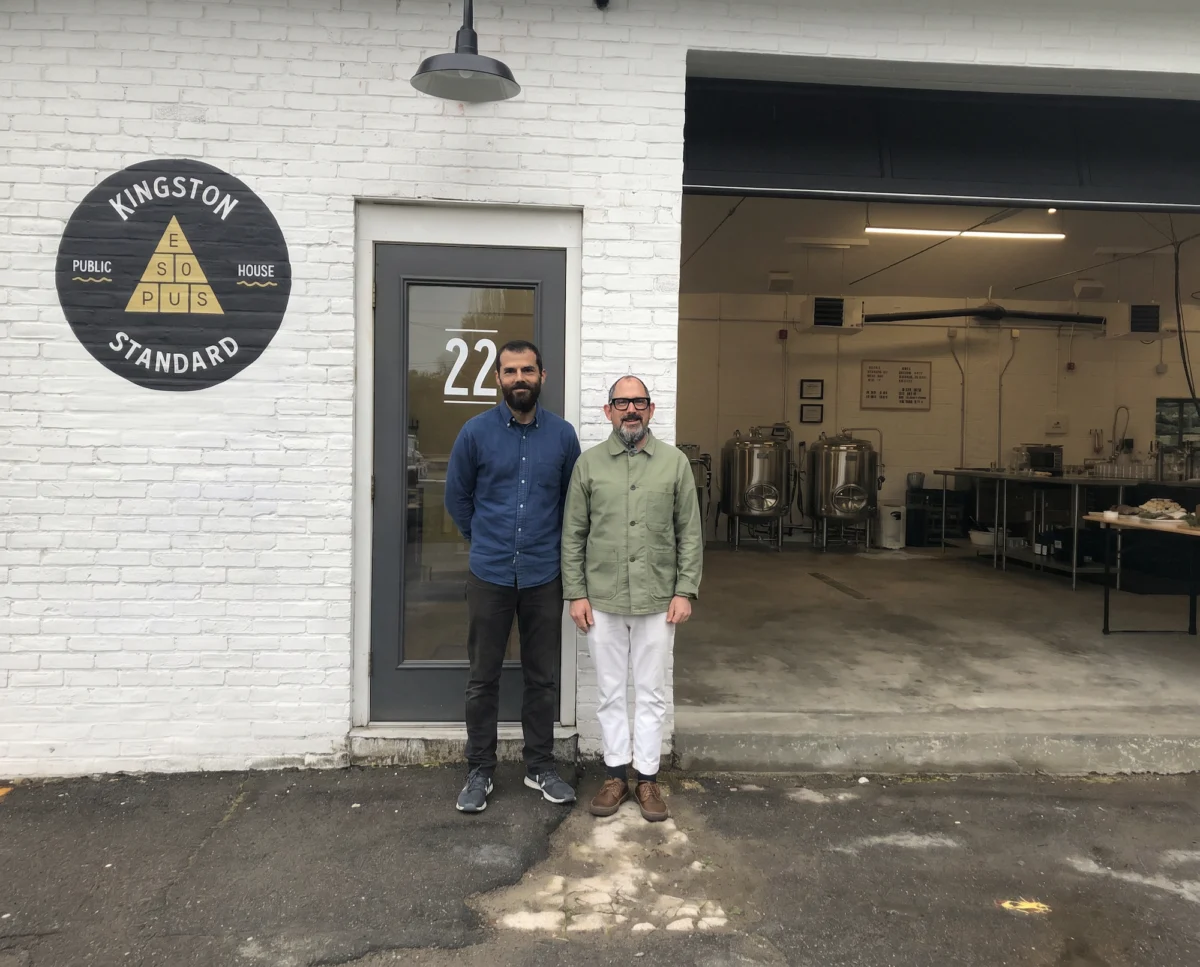
In the rapidly shifting landscape of the American craft beer industry, where “bigger is better” and aggressive, high-hopped trends often dictate the market, two entrepreneurs in the Hudson Valley have carved out a different path. Tait Simpson and Matt Owens, co-founders of Kingston Standard Brewing Co., have built a thriving business not by chasing the next IPA craze, but by returning to the fundamental roots of what makes a public house: community, consistency, and craftsmanship.
Operating out of a converted transmission shop in Kingston, New York, the duo has successfully transformed a $150,000 initial investment into a regional success story. By prioritizing a "nanobrewery" model that emphasizes small-batch rotation and hyper-local engagement, they have managed to secure both the loyalty of their neighbors and the highest accolades in the state.
Main Facts: The Anatomy of a Neighborhood Anchor
Kingston Standard Brewing Co. is a testament to the power of deliberate, small-scale entrepreneurship. Founded in 2019, the business is built on a foundation of dual expertise: Simpson, a brewer with a background in fermentation and sourdough production, and Owens, a brand strategist and partner at the Brooklyn-based innovation studio, Athletics.

The brewery’s mission is intentionally localized. Rather than attempting to become a national distributor, the founders focused on creating a "third place"—a social environment distinct from home and work—that reflects the history and culture of Kingston, New York’s first state capital. Their business model relies on a low-overhead, high-engagement strategy, serving as a hub for local residents while maintaining a rotating menu of classic, approachable beer styles.
Chronology: A Timeline of Growth and Resilience
The journey of Kingston Standard is defined by steady, calculated steps rather than rapid, venture-backed expansion.
- Pre-2018: Simpson hones his craft through homebrewing and an apprenticeship at Arrowood Farm Brewery, while Owens builds a career in brand identity and design, fueled by a lifelong DIY, punk-rock ethos.
- 2018: The two connect through mutual social circles in Brooklyn, realizing they share a vision for a brewery that is deeply rooted in a specific sense of place.
- 2019: The founders and a small group of investors pool $150,000 to purchase 22 Jansen Avenue, a derelict former transmission shop. After a year of intense, unglamorous renovations—reinforcing rafters, pouring concrete, and navigating licensing—the taproom opens on Memorial Day weekend.
- 2019–2023: The brewery operates as a nanobrewery, gaining a reputation for its rotating, small-batch beer and simple, high-quality food program. The founders focus on building a community of regulars rather than maximizing immediate output.
- 2024: The brewery achieves a major milestone, winning the New York State Governor’s Craft Beer Cup for their barrel-aged sour, Love Is Overtaking Me.
- Late 2024–Present: The business is awarded a Restore NY grant to expand operations. Plans are underway to move to an upgraded facility at 2 Jansen Avenue, featuring zero-fossil-fuel production, electric steam, and CO2 recapture technology.
Supporting Data: The Economics of the "Nano" Model
While many craft breweries struggle with the capital intensity of large-scale distribution, Kingston Standard has thrived by keeping its footprint small. By intentionally limiting their operating days to four days a week in the early years, the founders maintained control over quality and overhead.
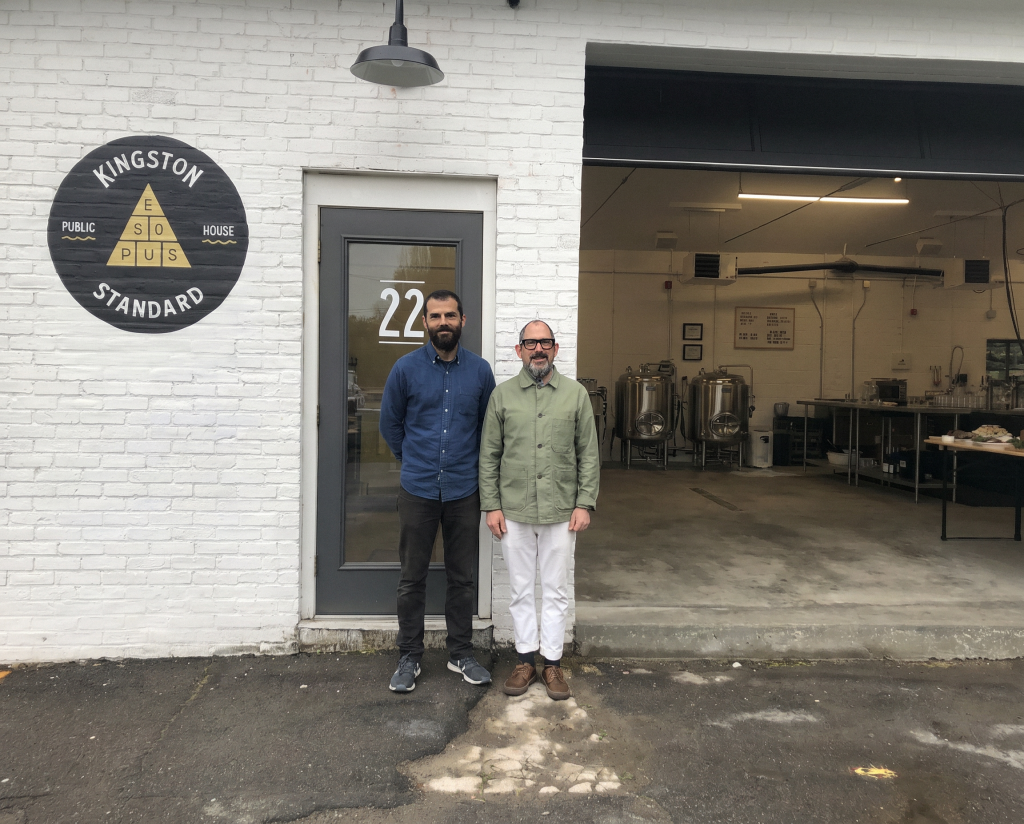
- Initial Investment: $150,000 (roughly $20,000 per partner).
- Annual Revenue: The business currently generates over $500,000 in annual revenue.
- Growth Trajectory: With the expansion of their production facility and increased tasting room capacity, the founders project the business is on a path toward $1 million to $3 million in annual revenue within their current operational footprint.
- Operational Efficiency: The business model relies on a "nanobrewery" cycle—small batches that rotate constantly. This creates a "scarcity" effect that encourages repeat visits and keeps the product fresh, while allowing for immediate, real-time feedback from the customer base.
Official Responses: The Founders’ Philosophy
When asked about the secret to their success, Simpson and Owens emphasize that the "romantic" image of brewery ownership is often secondary to the daily grind of problem-solving.
"Running a neighborhood brewery is not the romantic thing it sounds like," says Simpson. "The margins are tight, the hours are long, and you are deeply exposed to everything around you: the local economy, the weather, the mood of the city."
Owens adds that their success is rooted in a refusal to mimic others. "When you spend enough time building brands, you develop an eye for what’s real and what’s performance," Owens explains. "A lot of what I was seeing in the world—in food, in retail, in hospitality—was more show than substance. I’ve always preferred the real thing over the fabricated."
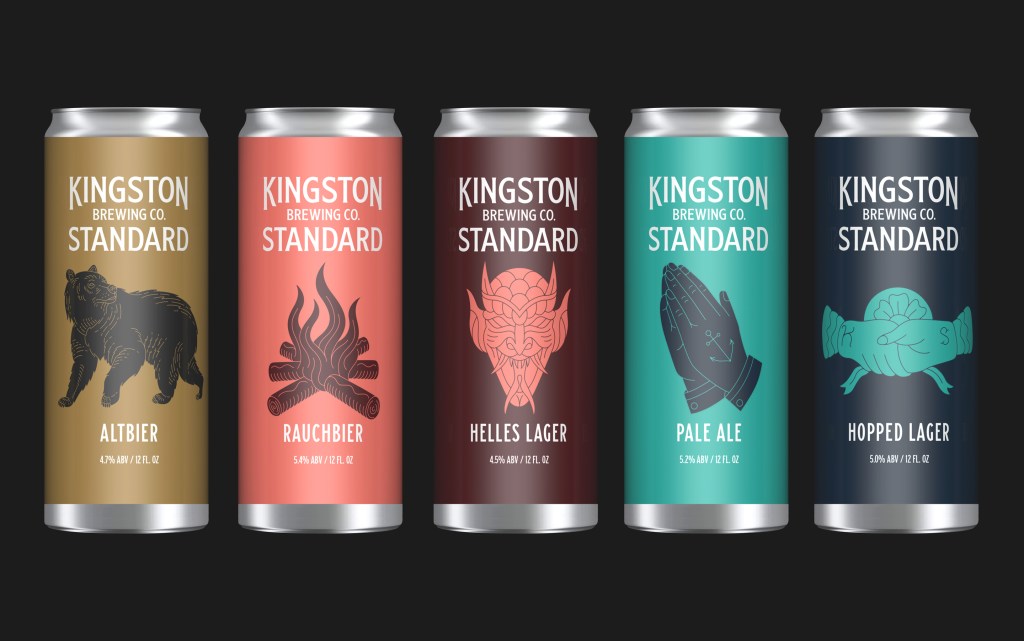
Regarding the "IPA mania" that dominated the industry at the time of their launch, Simpson notes that they purposefully swam against the current. "We kept arriving at the same conclusion: Kingston needed a local place rooted in where it was, serving honest beer and simple food," says Simpson. "In a world where homogenization was ironing out the differences between places, we wanted to do the opposite."
Implications: The Future of Hyper-Local Industry
The success of Kingston Standard offers a blueprint for other small-scale entrepreneurs, particularly in the hospitality and craft sectors. The implications of their model are threefold:
1. The Value of "Rootedness"
In an era of globalized commerce, there is a measurable competitive advantage to being "un-copyable." By aligning their brand identity with the specific folklore, architecture, and history of Kingston, Simpson and Owens have created a destination that cannot be replicated in another city. This creates a moat around their business that is built on cultural resonance rather than just a product.

2. Sustainable Scaling
The founders’ refusal to grow for the sake of growth has provided them with the stability to survive economic fluctuations. By focusing on a "Public House" model, they have turned the brewery into a community essential rather than a luxury good. Their move toward a zero-fossil-fuel production facility shows that even small businesses can lead in sustainability, leveraging government grants to modernize while staying true to their local footprint.
3. The Power of Complementary Skill Sets
The partnership between a production-focused expert and a brand-focused strategist is a recurring theme in successful modern entrepreneurship. Simpson’s ability to manage the technical, chemical, and physical demands of brewing is perfectly complemented by Owens’ ability to articulate the brand’s story and design its physical environment.
Final Thoughts
As they look toward the future, the founders of Kingston Standard remain grounded in the same principles that defined their first day in a greasy transmission shop. They are not interested in becoming a national brand, but in perfecting the local one.
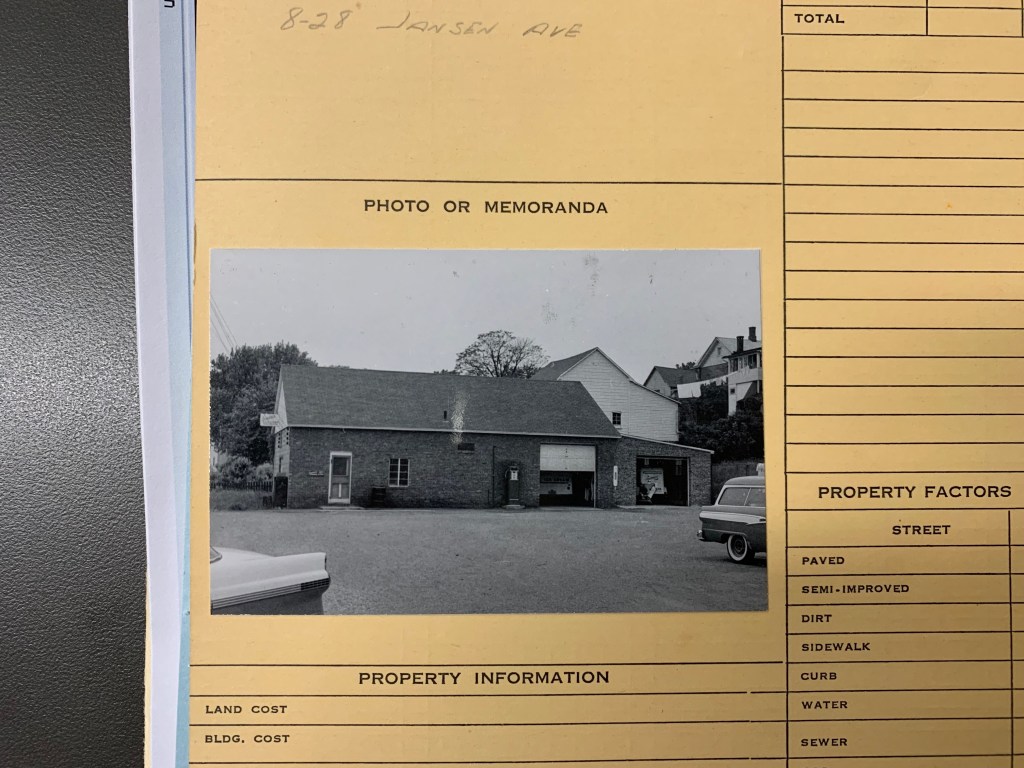
"The city has never needed us to explain it to itself," says Owens. "From the beginning, our job has been to listen to the community, to the history, to what the fermentation is telling us on any given morning. That’s the same instinct whether you learned it behind a brewhouse or behind a skateboard: Make the thing that should exist, make it well, and give it back."
For Kingston Standard, the future looks much like the past: honest, local, and expertly crafted.
