

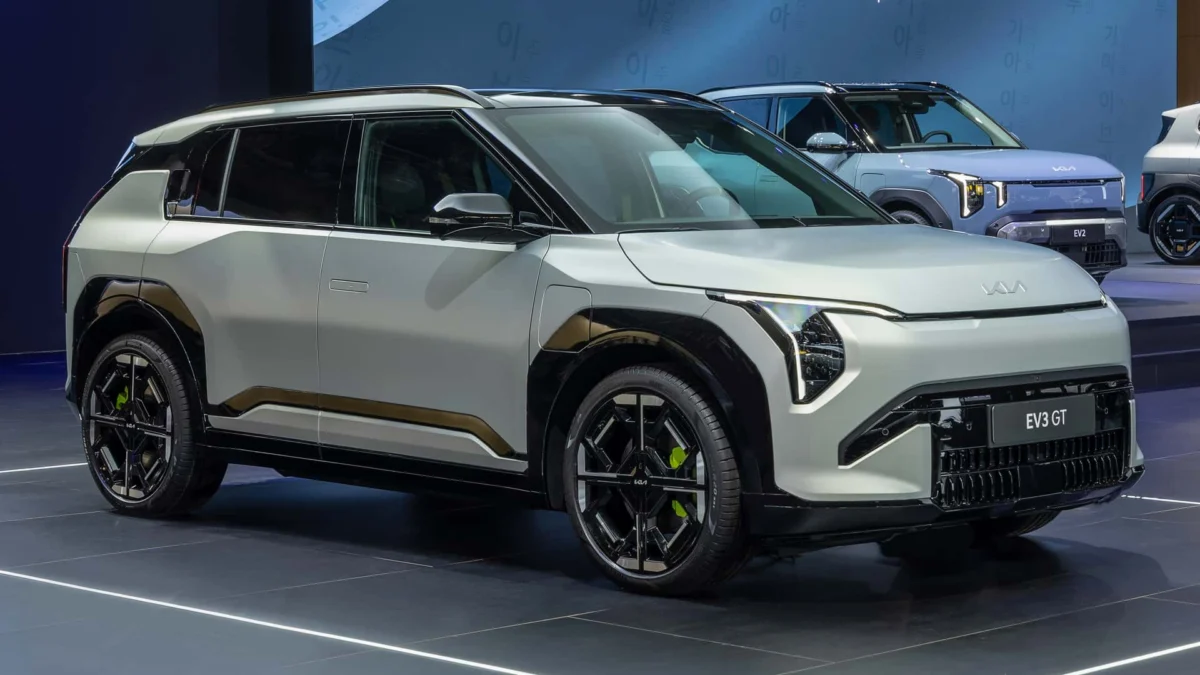
The automotive landscape in North America is on the cusp of a significant shift. Kia Corporation has officially confirmed a massive $649 million investment to transform its existing manufacturing facility in Pesquería, Nuevo León, Mexico, into a cornerstone of its global electric vehicle (EV) strategy. This ambitious program, slated to run through 2028, centers on the mass production of the compact Kia EV3, marking the first time the South Korean automaker will assemble a battery-electric vehicle (BEV) on Mexican soil.
For Kia, this is not merely an operational upgrade; it is a strategic repositioning designed to navigate the complex waters of North American trade, supply chain localization, and the escalating demand for accessible, high-tech electric mobility. With the first units scheduled to roll off the reconfigured assembly line on August 4, 2026, the industry is watching closely to see how this move will influence pricing, availability, and the competitive standing of the EV3 in the United States and beyond.
The Strategic Importance of Pesquería
The Pesquería facility has long served as a vital hub for Kia’s internal combustion engine (ICE) production, but the infusion of $649 million marks a definitive evolution. According to reports from Kia Mexico and local government officials, the project involves a comprehensive overhaul of the factory’s floor plan. More than one-third of the total investment is earmarked specifically for specialized tooling and robotics required for EV platform assembly.
Unlike traditional vehicle production, which relies on decades-old mechanical assembly norms, the EV3 production line requires high-precision integration for battery pack installation, electric drivetrain calibration, and advanced software flashing. The modernization of the plant ensures that the facility can run dual-production schedules, maintaining output for current high-demand ICE models while simultaneously scaling the EV3 for domestic Mexican consumption and, crucially, export to the North American market.
A Timeline of the Transition: 2026 and Beyond
The road to the August 4, 2026, launch date has been meticulously planned. The following chronology outlines the development of this transition:
- Q3 2024 – Q1 2025: Initial planning phases, permit approvals from the Nuevo León government, and the commencement of facility retrofitting. This stage focuses on foundational infrastructure, including grid upgrades to support the high power requirements of an EV assembly line.
- Q2 2025 – Q1 2026: The installation of advanced robotic assembly cells. During this period, the plant begins a "soft" integration of components, with local workforce training programs ramping up to handle high-voltage electrical systems.
- August 4, 2026: The official production launch. Initial units will primarily serve the Mexican domestic market, where Kia has already begun collecting pre-orders to gauge early consumer interest.
- Late 2026 – 2027: The ramp-up phase. Production volume is expected to increase significantly as the facility hits steady-state efficiency. Export operations to the United States and Canada are scheduled to commence, subject to logistics and trade compliance.
- 2028: The conclusion of the current investment cycle. By this time, the plant is expected to have achieved a high degree of local content, significantly reducing the carbon footprint of the manufacturing process and improving the cost-efficiency of the EV3.
Supporting Data: Infrastructure and Local Content
A pivotal element of this investment is the push for local content. Currently, the automotive industry relies heavily on complex global supply chains. However, Mexican officials have stated that the EV3 will launch with approximately 27% local content, a figure that is expected to climb as the surrounding industrial ecosystem in Nuevo León matures.
The Component Shift
Initially, high-value components—most notably the battery packs—will be imported from Asia. This is a common hurdle for new EV production sites. However, the $649 million package includes provisions to incentivize regional suppliers to move their operations closer to Pesquería. The goal is to establish a "Battery Cluster" within the region, which would insulate the production process from shipping delays and geopolitical volatility.
Beyond the Factory Walls
The investment is not restricted to the factory floor. Kia is pouring capital into:
- Charging Infrastructure: Expanding the density of fast-charging stations across major Mexican transport corridors, specifically those linked to Kia’s dealership network.
- Renewable Energy Integration: Modernizing the plant’s power intake to rely on local renewable sources, aligning with Kia’s global "Plan S" sustainability goals.
- Water Reclamation: In light of regional water security concerns, the investment includes state-of-the-art water recycling facilities to ensure the plant operates with a minimal impact on the local water table.
Official Responses and Strategic Implications
The partnership between Kia and the Mexican government is viewed as a "win-win" scenario. Mexican authorities are touting the investment as a validation of the country’s growing role in the North American "nearshoring" trend. For Kia, the benefit is twofold: access to a highly skilled, cost-effective manufacturing base and the ability to leverage existing trade agreements to facilitate easier access to the lucrative US market.
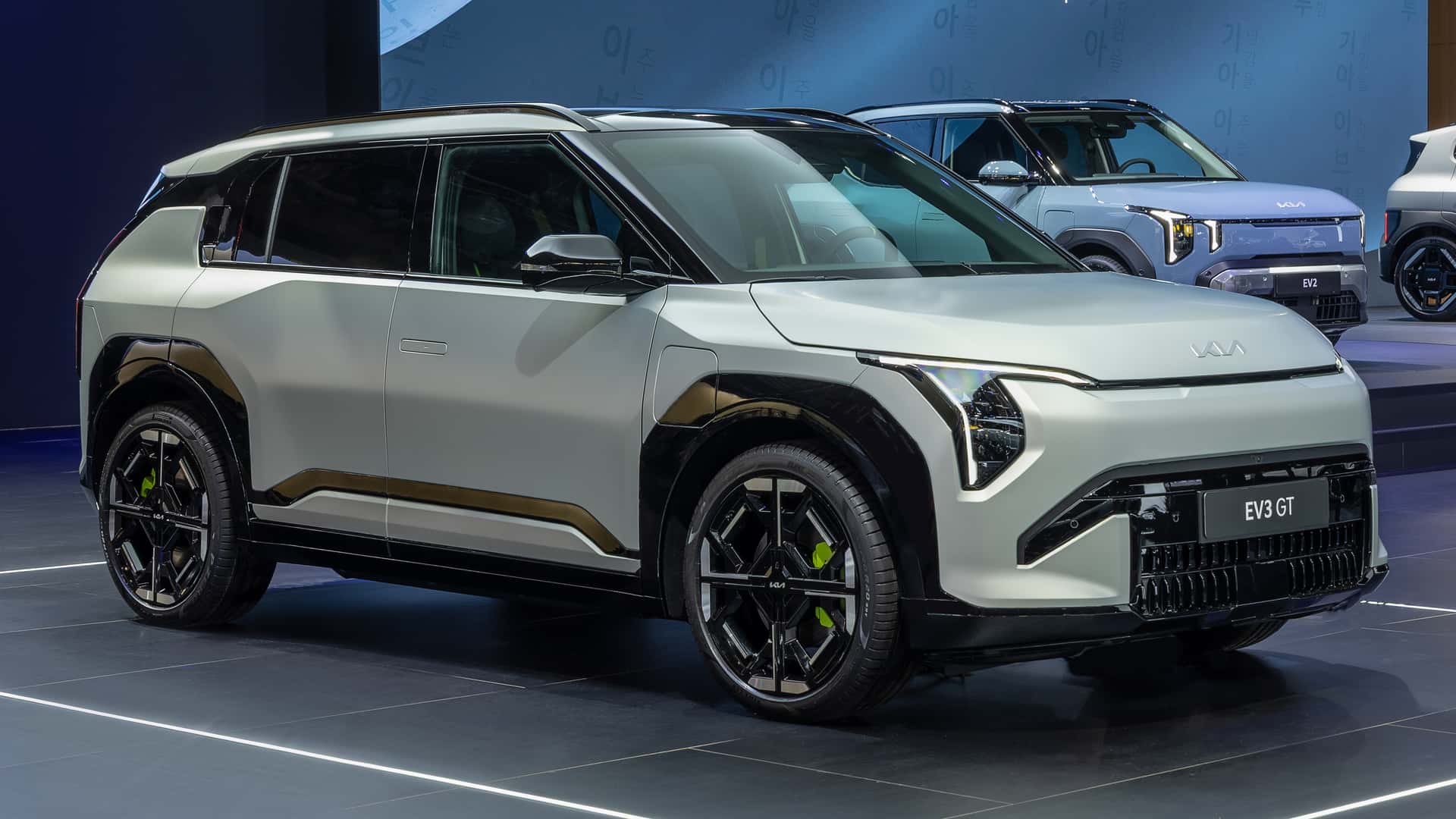
"This investment represents the future of Kia," stated a spokesperson for the brand during the project’s announcement. "By bringing the EV3 to Pesquería, we are creating a more resilient supply chain and ensuring that we can meet the specific needs of our North American customers with greater agility."
However, industry analysts remain cautious. The success of the project hinges on the speed at which the local supply chain can scale. If local suppliers cannot meet the rigorous quality standards or the production volume required for a high-volume model like the EV3, Kia may be forced to rely on imports longer than originally planned, which could impact the final MSRP for US consumers.
Implications for the North American Market
For American buyers, the "Made in Mexico" label carries specific implications. Under current US trade regulations, the location of final assembly is a critical factor for tax incentives and trade tariffs. While the details of the US-Mexico-Canada Agreement (USMCA) continue to be interpreted regarding EVs, the production of the EV3 in North America positions Kia favorably compared to competitors who remain solely dependent on trans-Pacific logistics.
Market Positioning
The EV3 is designed to occupy the entry-to-mid-level segment of the electric SUV market. By shifting production to Mexico, Kia is likely aiming to achieve a "price-to-range" ratio that makes the EV3 the default choice for budget-conscious but tech-savvy buyers. This is particularly important given the delays surrounding the larger, more premium EV4 and the market’s current stagnation in luxury EV sales.
Competitive Pressure
The EV3 will likely face stiff competition from domestic offerings and other international brands that are also looking to expand their manufacturing footprint in Mexico. Kia’s advantage, however, lies in its experience with the E-GMP platform and its established dealership network in the US, which will serve as the primary distribution points once the Mexican-built units begin crossing the border in late 2026.
Closing Take: The Road Ahead
Kia’s decision to commit nearly $650 million to its Pesquería facility is a calculated bet on the maturity of the North American EV market. By transforming the plant into an EV-capable powerhouse, Kia is effectively future-proofing its operations against supply chain shocks and shifting consumer preferences.
The next 18 months will be the most critical for this project. Observers should monitor three key indicators:
- Supplier Announcements: Look for major battery and component manufacturers announcing new satellite facilities in or around Nuevo León.
- Infrastructure Roll-out: The pace at which the charging network grows will be a direct proxy for how much priority Kia is placing on the long-term success of its EV ecosystem.
- Pricing Strategy: The ultimate litmus test will be the MSRP of the Mexican-built EV3. If Kia can leverage the efficiencies of the Pesquería plant to pass savings on to the consumer, they may well capture the "mass-market" segment that most other manufacturers have struggled to penetrate.
In conclusion, the Pesquería expansion is more than just a line upgrade; it is a manifestation of a new era for Kia in the Americas. As the August 2026 deadline approaches, the automotive industry will be watching to see if this ambitious plan succeeds in making the EV3 a household name, or if the complexities of global manufacturing prove too formidable for even the most well-laid plans. For now, the factory stands as a symbol of the massive transition currently underway—a transition toward a more localized, electrified, and integrated automotive future.
