

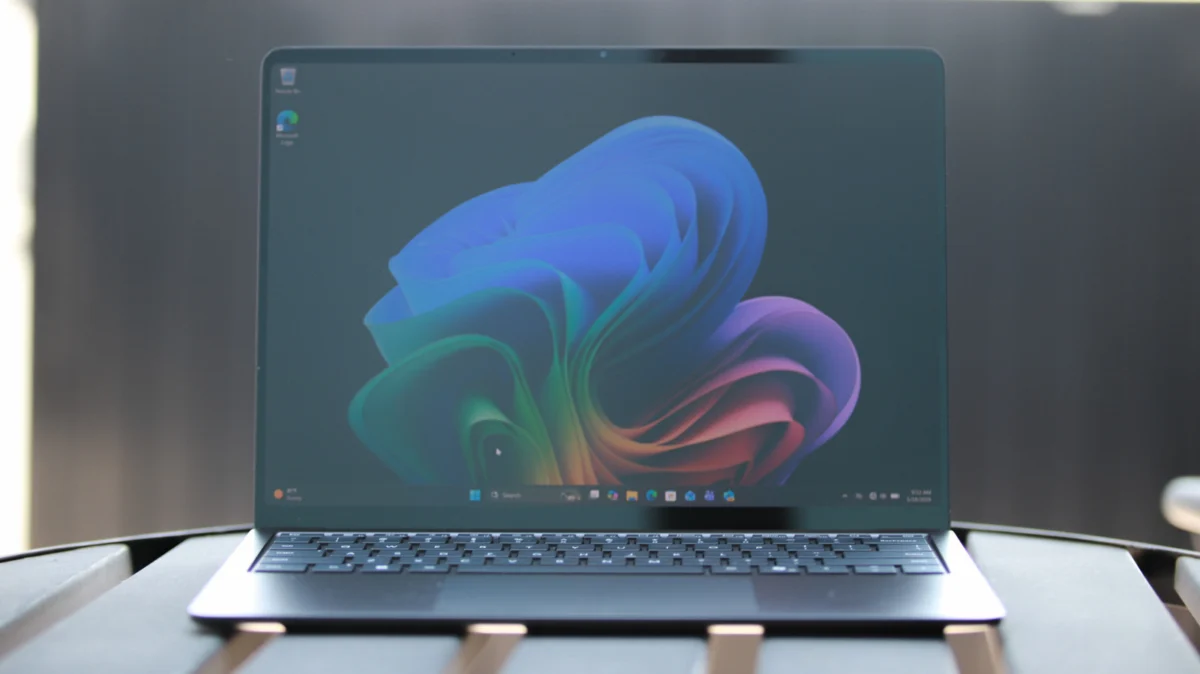
In a bold move that underscores its commitment to the professional sector, Microsoft has officially unveiled its latest iteration of the Surface Pro and Surface Laptop for Business. Despite a challenging global economic climate marked by a persistent RAM shortage and fluctuating component costs, the tech giant is pressing forward with a hardware refresh that promises to redefine the productivity experience for modern enterprises.
The new lineup is powered by Intel’s cutting-edge Core Ultra Series 3 processors, signaling a significant shift toward on-device artificial intelligence and enhanced computational efficiency. While these devices are primarily engineered for the corporate fleet, their innovative feature sets—ranging from integrated privacy filters to advanced haptic feedback systems—suggest a broader evolution for the Surface brand that will likely pique the interest of power users and mobile professionals alike.
Main Facts: The New Standard for Corporate Hardware
The latest Surface for Business lineup comprises the Surface Pro 13-inch and the Surface Laptop, which is available in 13-inch, 13.8-inch, and 15-inch configurations. Prices for these professional-grade machines reflect their premium positioning: the 13-inch Surface Pro for Business begins at $1,950, while the Surface Laptop starts at $1,300 for the base model, with larger configurations also starting at the $1,950 mark.
Key Hardware Specifications:
- Processor: Intel Core Ultra Series 3 (optimized for AI-driven workflows).
- Battery Life: Up to 23 hours for the Surface Laptop; up to 17 hours for the Surface Pro.
- Advanced Haptics: A new system-level interaction language designed to provide physical feedback for interface navigation.
- Integrated Privacy: An optional, software-driven anti-glare privacy screen.
- Connectivity: Optional 5G integration for the Surface Pro.
Chronology: The Evolution of the Surface Enterprise Line
Microsoft’s journey with the Surface line has been a decade-long experiment in balancing tablet portability with laptop utility. The release of the 2026 Business lineup follows a steady progression of iterations designed to address specific enterprise pain points, such as security, battery longevity, and seamless collaboration.
- Early 2024 – 2025: Microsoft navigated global supply chain constraints and the rising costs of DRAM, which necessitated price adjustments across the consumer and commercial PC portfolios.
- Q3 2025: Internal development of "Advanced Haptics" and low-power AI integration reached maturity, paving the way for the Intel Core Ultra Series 3 rollout.
- Today: Official launch of the Surface Pro and Surface Laptop for Business, marking the first time a Surface device has featured a built-in software-driven privacy filter.
Supporting Data and Performance Metrics
Microsoft’s performance claims for the new lineup are aggressive. Internal benchmarks suggest that the new Intel Core Ultra Series 3 chips deliver up to 35% higher graphics performance compared to the Apple MacBook Air with the M5 chip. This is a critical metric for enterprise users involved in creative work, data visualization, and complex multitasking.
The Power of On-Device AI
Beyond raw performance, the move to Core Ultra Series 3 processors is aimed at offloading AI tasks from the cloud to the device. By processing AI workloads locally, these machines offer:
- Reduced Latency: Faster response times for AI-assisted tools in Microsoft 365.
- Data Sovereignty: Enterprise-grade security by keeping sensitive data on the physical device rather than sending it to a server for processing.
- Efficiency: Optimization of background processes, contributing to the impressive 23-hour battery life on the Surface Laptop.
A Software-Driven Privacy Filter: Protecting Proprietary Data
One of the standout features of the new Surface Laptop is the "integrated privacy screen." For professionals working in high-security industries or those who frequently travel for business, the ability to obscure screen content from onlookers is invaluable.
Unlike traditional physical privacy films that can darken the screen permanently or introduce unwanted blur, Microsoft’s solution is software-driven and toggled via a dedicated keyboard button. In field tests, the filter was effective at roughly a 40-degree viewing angle, successfully obscuring sensitive documents from seatmates on an airplane or passersby in a coffee shop, while remaining clear enough for intentional side-by-side collaboration.
Advanced Haptics: Redefining the Interaction Language
Perhaps the most "quirky," yet innovative, addition to these devices is the expansion of Advanced Haptics. Microsoft is moving beyond the standard click-and-vibrate trackpad. The new system acts as an "interaction language," providing physical cues for various software actions.
Tactile Feedback Scenarios:
- Precision Drag-and-Drop: The trackpad emits distinct vibrations as a user drags an object, signaling when it has reached a target "snap" point or an outlined area.
- Window Resizing: Subtle haptic pulses provide confirmation when a window has successfully docked to the edge of the screen or aligned with another application.
- Pen Input Integration: The Surface Slim Pen 2 now includes a dedicated haptic motor. This allows the pen to mimic the feel of different textures or provide "tactile signals" when interacting with specific UI elements in supported third-party applications like Wondershare Filmora or the design software, Concepts.
This feedback loop is optimized for a response time of under 50 milliseconds, ensuring that the physical sensation aligns perfectly with the visual action on the screen.
Implications for the Modern Workplace
The release of these devices highlights a significant shift in how Microsoft views the role of the PC in the workplace. As AI becomes a foundational element of the office suite, the hardware must evolve to support it.
Security and IT Administration
For IT departments, the Surface for Business brand continues to prioritize security. The integration of high-level firmware protections, combined with the new privacy screen, makes these devices highly attractive for government, financial, and legal sectors. The ability to deploy 5G-enabled Surface Pros also addresses the needs of the "deskless" workforce—field technicians, consultants, and mobile executives who require secure, high-speed connectivity independent of public Wi-Fi.
The "PC Girl" Sentiment: Consumer Appeal vs. Enterprise Strategy
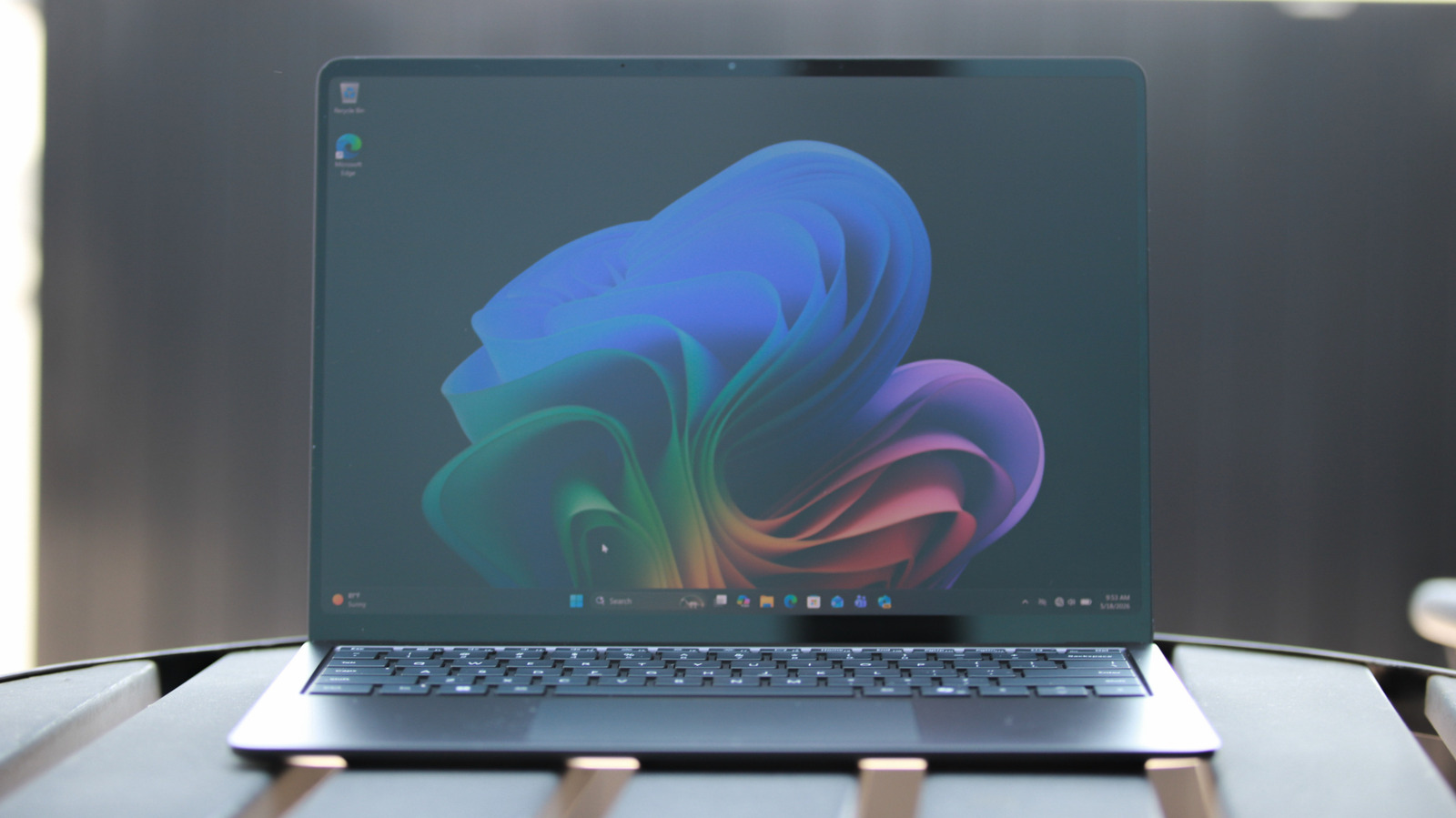
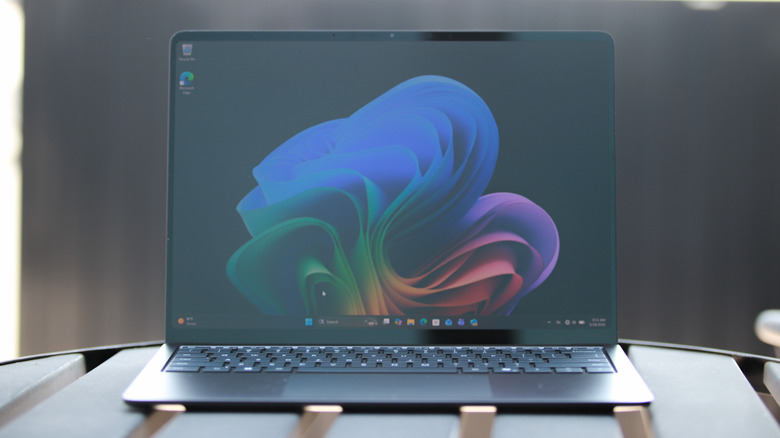
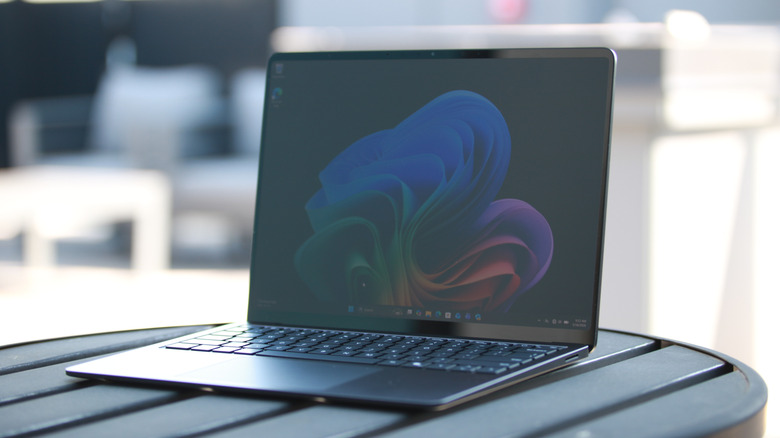
While these machines are marketed toward organizations, there is an undeniable appeal to the individual user. The 13-inch Surface Laptop, in particular, hits a "sweet spot" of portability and performance. The keyboard’s spongy, tactile feedback, combined with the sleek industrial design, positions it as a direct rival to the high-end ultrabook market.
However, the barrier to entry remains the price. By pricing these units at $1,300 to $1,950, Microsoft is firmly establishing them as professional assets rather than consumer luxuries.
Conclusion: Is the Investment Worth It?
Microsoft’s new Surface Pro and Surface Laptop for Business represent a maturation of the brand. By focusing on "system-level" enhancements like Advanced Haptics and on-device AI, Microsoft is not just selling hardware—it is selling a more efficient, secure, and intuitive way of working.
For the enterprise, the decision to invest in these units will likely come down to the balance between initial cost and long-term productivity gains. With battery life that pushes the boundaries of a full day’s work and AI features that promise to speed up mundane administrative tasks, the case for these devices is strong. As the lines between the office and the world at large continue to blur, Microsoft’s focus on privacy and tactile interaction suggests that they have correctly identified the next frontier of professional computing.
Whether these features will eventually trickle down to the consumer Surface line remains to be seen, but for now, the 2026 Business lineup stands as a testament to the fact that even in a hardware market defined by rising costs, innovation remains the primary driver of value.
