

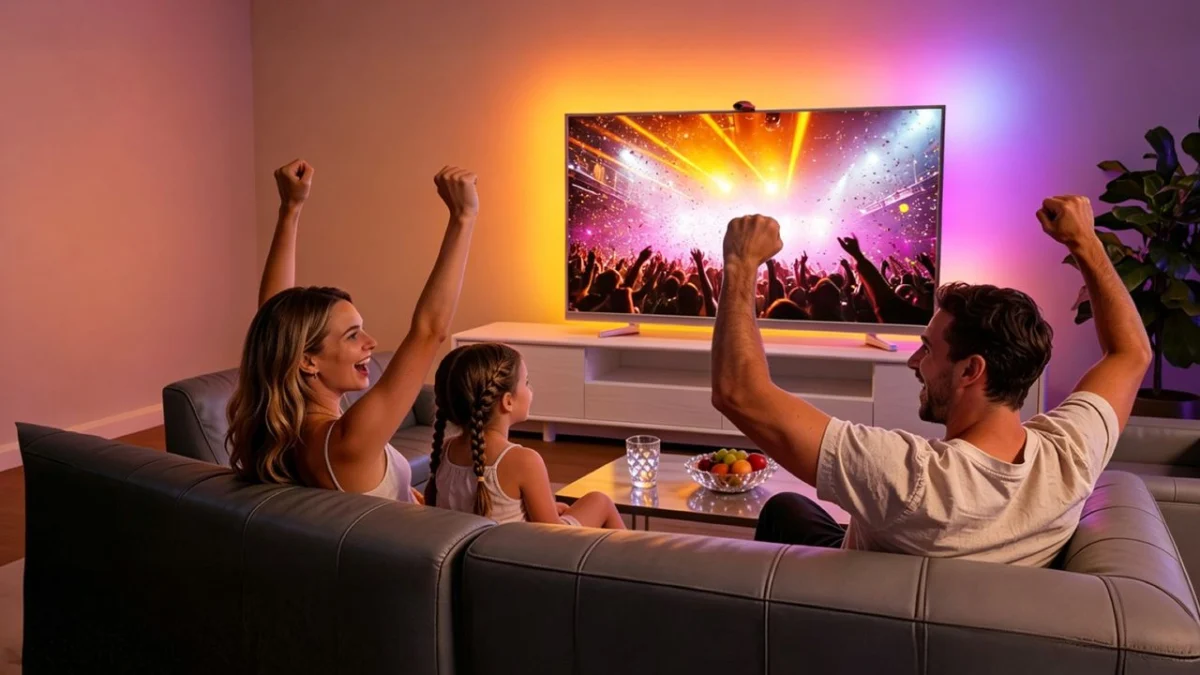
For cinephiles, gamers, and home theater enthusiasts, the concept of "bias lighting" has evolved from a simple aesthetic choice into a crucial element of the immersive experience. By extending the colors from a movie or game onto the wall behind the television, users can significantly reduce eye strain while creating a sense of depth that makes a 65-inch screen feel like a cinematic projection.
For years, the gold standard in this space has been dominated by premium ecosystems like Philips Hue. While undeniably effective, the barrier to entry remains prohibitively high: users are often required to invest in a dedicated HDMI sync box, a bridge, and a high-end lightstrip, with the total bill frequently climbing well into the hundreds of dollars.
Enter the Lepro STV1, a new contender that aims to democratize immersive lighting. By utilizing a camera-based approach to color synchronization, Lepro promises to deliver a high-fidelity experience without the requirement for complex hardware or a premium price tag.
The Evolution of Sync Lighting: From Hubs to Cameras
To understand the significance of the Lepro STV1, one must look at how synchronized lighting has matured. Early iterations of "Ambilight" were exclusive to Philips television sets, relying on proprietary hardware embedded within the chassis. When aftermarket solutions arrived, they generally split into two camps: HDMI-based sync boxes and camera-based sensors.
HDMI sync boxes—like the Philips Hue Play HDMI Sync Box—intercept the video signal before it hits the television. This provides near-perfect, lag-free accuracy because the data is processed directly from the source. However, this method is fundamentally flawed for modern media consumption; it struggles with native smart TV apps (like Netflix or Disney+ running directly on the TV) and can complicate setups involving multiple consoles and soundbars.
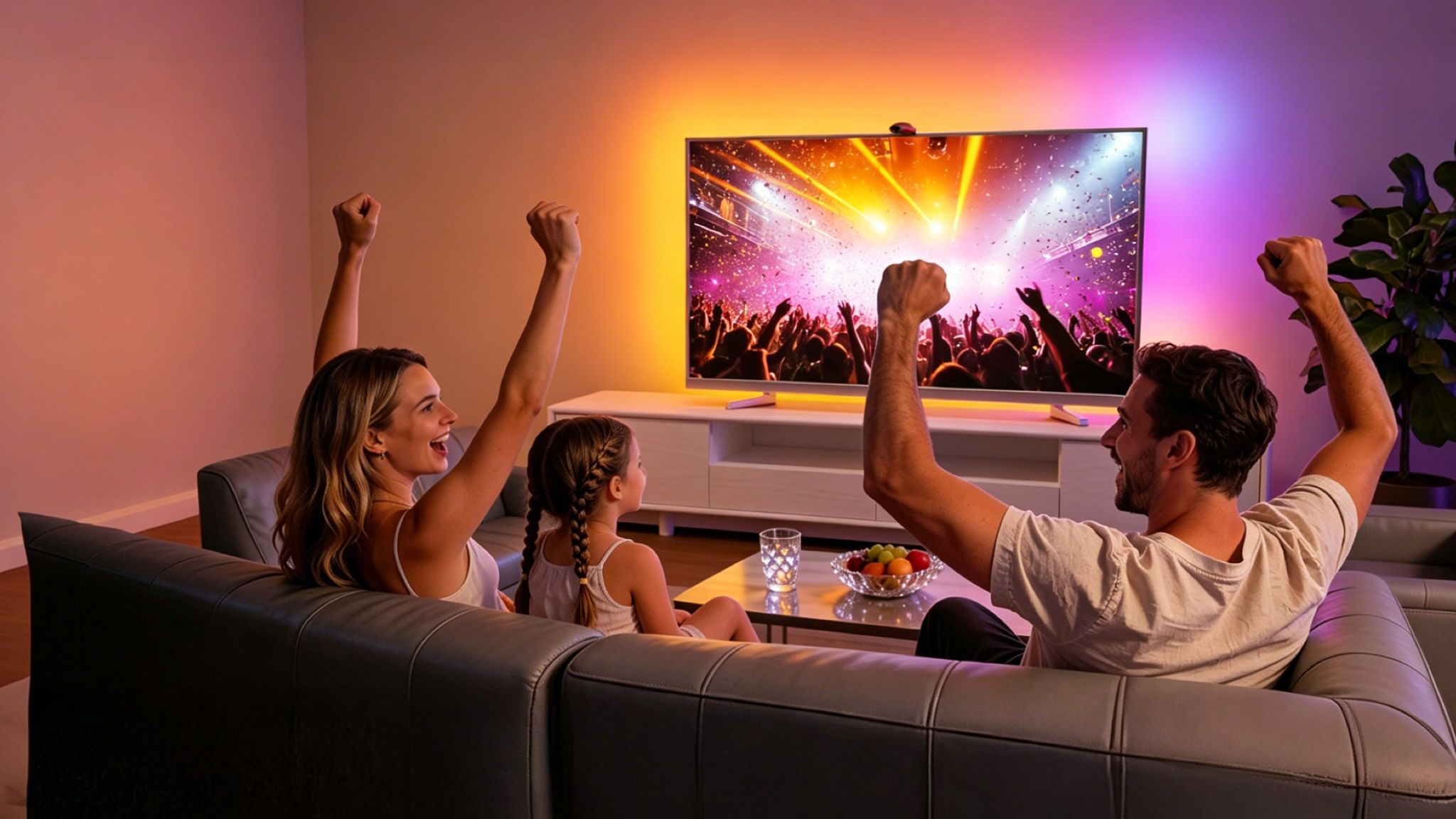
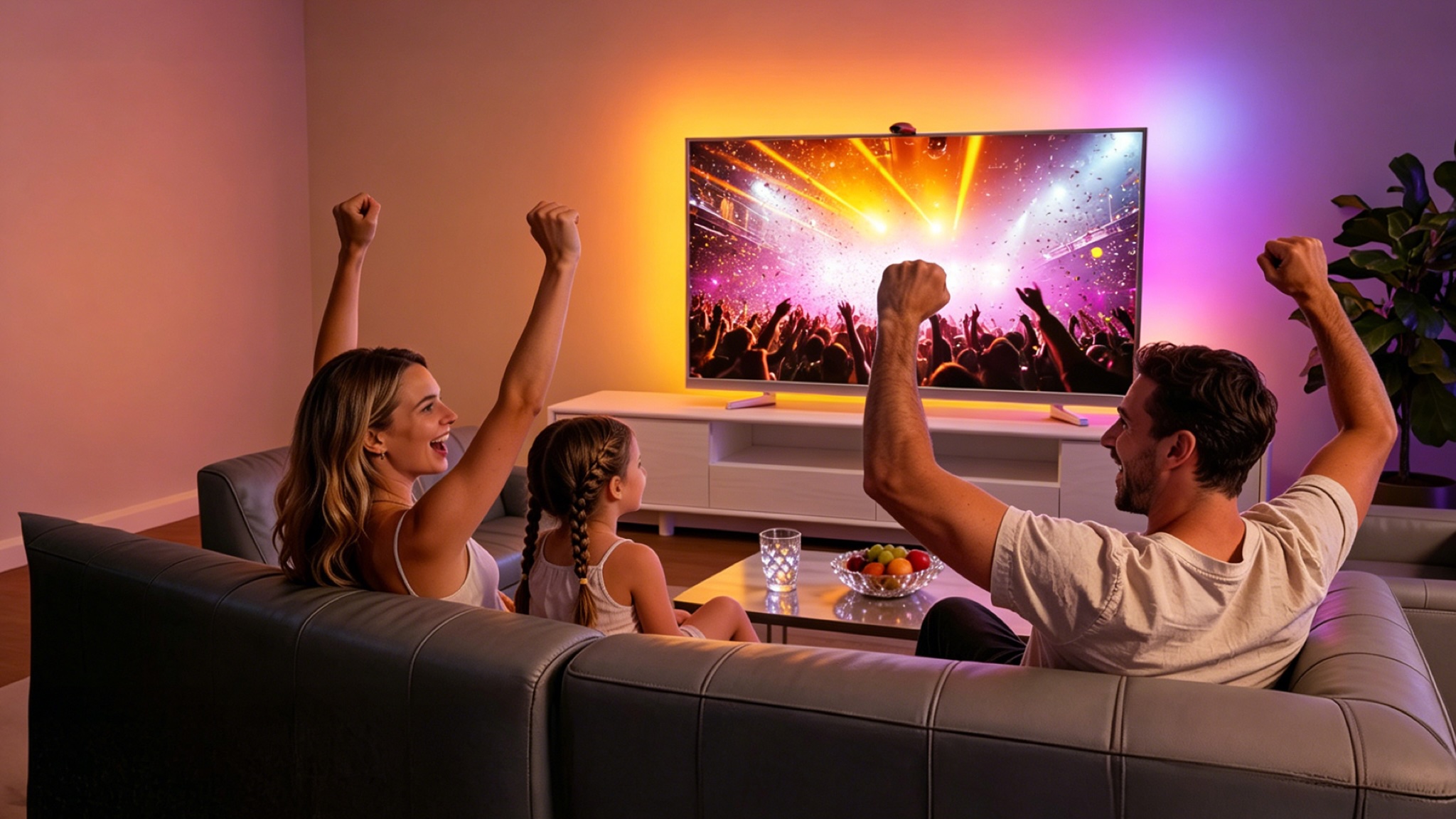
Camera-based systems, conversely, mount a small lens to the top or bottom of the TV screen, pointing at the display to "see" the color palette in real-time. While earlier versions of this technology were criticized for high latency and inaccurate color reproduction, the Lepro STV1 represents the latest generation of this hardware, aiming to prove that optical sensors can be just as effective as electronic ones.
The Lepro STV1: Technical Specifications and Design
The STV1 differentiates itself through a thoughtful, two-in-one hardware design. By integrating the controller and the camera into a single, cohesive unit, Lepro has minimized the "cable clutter" that plagues many home theater setups.
Key Technical Features:
- Ultra-Wide Fisheye Optics: The STV1 utilizes a specialized fisheye lens with a field of view exceeding 180 degrees. This allows the system to capture the entirety of a screen—even massive 85-inch panels—without requiring a massive physical footprint.
- Automatic Distortion Correction: A common pitfall of wide-angle lenses is the "barrel effect," where the edges of the image appear warped. The STV1 features internal firmware designed to map this distorted image into a grid, ensuring the colors at the edge of the TV correspond perfectly to the segments of the LED strip.
- Low-Latency Processing: Lepro claims a 36% improvement in response time compared to previous industry standards for camera-based sync kits. This is critical for gaming, where a delay of even a few milliseconds between an in-game explosion and the light reaction can ruin the immersion.
- Dual-Functionality: The system doesn’t just watch the screen; it listens. The built-in microphone allows the STV1 to sync lighting to audio, but with a nuanced approach that interprets rhythm and cadence rather than simply pulsing to the bass.
Chronology of the Release
The announcement of the STV1 comes at a time of shift in the smart home market. As inflation impacts consumer spending, mid-range electronics manufacturers are pivoting toward "prosumer" features at entry-level prices.
- Early Development (2023): Lepro focused on refining the algorithm for their "Color-Matching" technology, specifically targeting the calibration issues that plagued earlier, cheaper camera-sync products.
- Beta Testing (Early 2024): A small pilot group of home theater enthusiasts tested the STV1, focusing on the system’s performance during high-motion content (sports and fast-paced FPS games).
- Market Launch (Q3 2024): The product was officially rolled out in two distinct size configurations: a 55- to 65-inch kit and a 75- to 85-inch kit.
- Retail Expansion: Following its direct-to-consumer launch on the Lepro website, the STV1 began appearing on global marketplaces like Amazon, marking a significant step in its attempt to compete with established smart-home giants.
Supporting Data and Pricing Analysis
The pricing strategy for the STV1 is arguably its most disruptive feature. At $89.99 for the 55- to 65-inch model, it positions itself as a "no-brainer" for casual users who have been priced out of the $300+ setups required for a full Philips Hue Sync ecosystem.
| Feature | Philips Hue Play System | Lepro STV1 System |
|---|---|---|
| Sync Method | HDMI Box / App | Camera (External) |
| Setup Complexity | High (Bridge + Box) | Low (Plug and Play) |
| Source Limit | Limited by HDMI inputs | None (Works with any screen) |
| Price Point | $300 – $500+ | $89.99 – $109.99 |
The value proposition is clear: by removing the need for a separate sync box, Lepro eliminates the compatibility headaches associated with 4K/120Hz gaming or HDR10+ passthrough, which are common pain points for power users using older HDMI sync hardware.
The "Prompt-Based" Future of Home Lighting
One of the most intriguing features of the STV1 is its integration of AI-driven, prompt-based lighting design. Users can input a "vibe" or a specific command, and the controller will translate that into a dynamic lighting scene.
For instance, a user might command the system to "Set the mood for a horror movie," and the STV1 will calibrate the LEDs to favor deep reds, desaturated blues, and subtle, slow-pulse transitions. This shifts the role of the lighting from a passive observer to an active, curated participant in the home theater experience. It suggests that Lepro is looking beyond simple hardware specs and moving toward a software-first experience that prioritizes user convenience.
Implications for the Industry
The arrival of the STV1 poses a direct challenge to the "premium tax" currently demanded by market leaders. If Lepro can maintain consistent color accuracy and build quality, the traditional sync-box model may begin to look like an archaic solution for a niche demographic.
Furthermore, the shift toward camera-based systems implies a broader trend: the "democratization of the living room." As TVs become thinner and ports become more precious, the idea of adding a bulky, proprietary sync box between the console and the screen becomes less attractive to the average consumer. A single, discrete camera that performs the same function is a more elegant, modern solution.
Conclusion: Is it Right for You?
The Lepro STV1 is not attempting to replace the high-end, professional-grade lighting setups used in custom home cinema installations. It is, however, successfully addressing the massive gap in the market for an accessible, effective, and "smart" lighting solution.
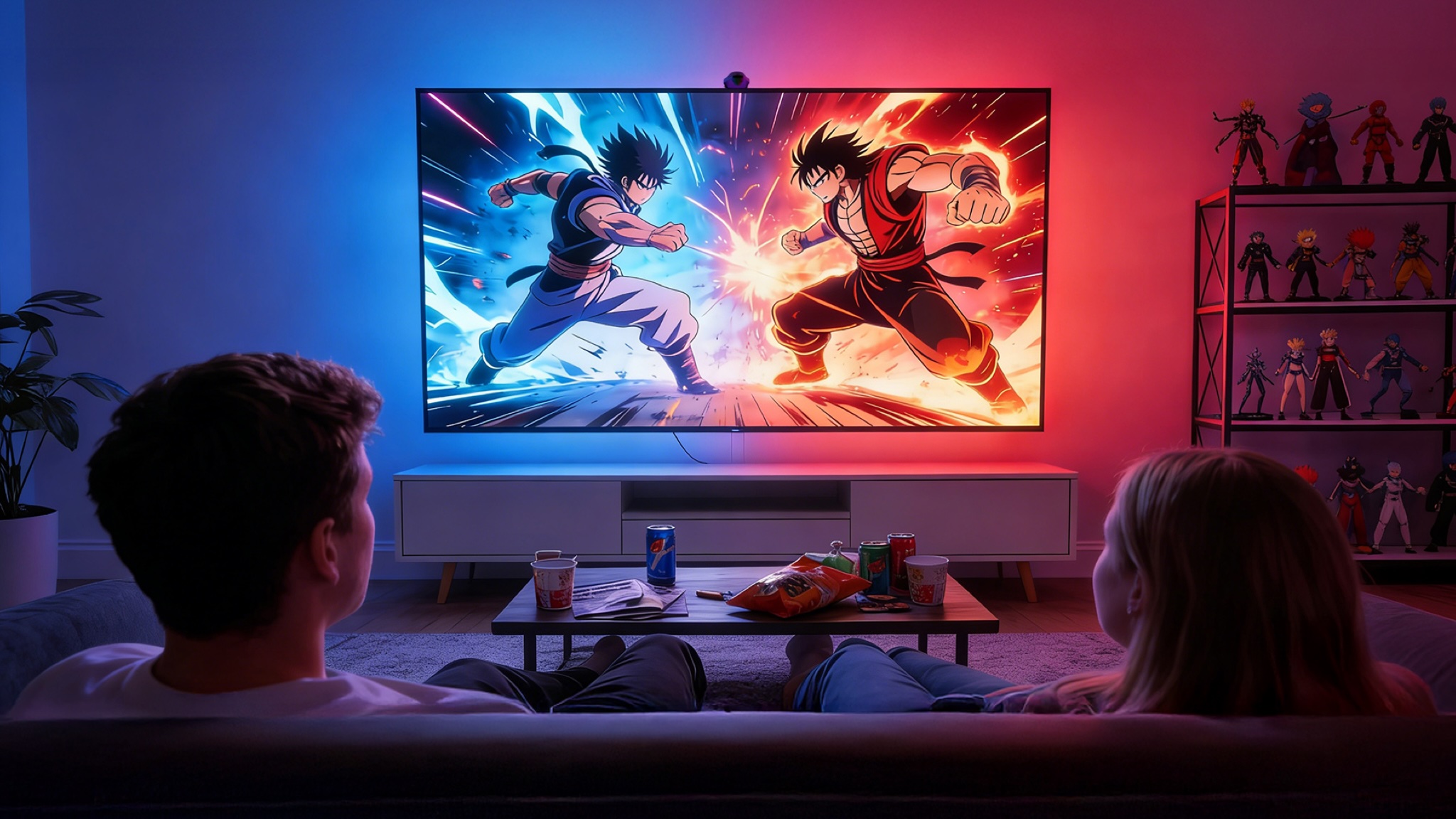
For the average household, the STV1 offers a compelling trade-off: a slight reduction in absolute color precision compared to a hard-wired sync box, in exchange for significantly lower costs, easier installation, and universal compatibility with any content source.
As we continue to consume more high-dynamic-range content, the environment in which we watch that content matters as much as the screen itself. The STV1 suggests that you no longer need to spend a small fortune to turn your living room into an immersive sanctuary—you just need a good camera, a decent algorithm, and a well-placed strip of LEDs.
