

The Changing Landscape of New York’s Creative Ecosystem
As the crisp autumn air settles over the five boroughs, the rhythm of New York City’s cultural calendar is accelerating. For many residents, the transition into mid-October marks a shift from the domestic "to-do list" exhaustion that follows a long weekend—characterized by the quintessential New York rituals of closet reorganization and transit-heavy errands—toward a period of deep immersion in the city’s vibrant, multifaceted arts scene.
This month, the city is defined by a convergence of major events: the sprawling access of Open House New York (OHNY), the intimate look inside creative workspaces during local open studios in Sunset Park and Gowanus, and a robust commitment to highlighting Indigenous perspectives. Furthermore, a significant policy shift from the Department of Cultural Affairs promises to tangibly improve the daily realities for local artists, marking a pivot toward more sustainable support structures.
Chronology of Cultural Expansion: October 2026
The current cultural momentum is not merely a collection of isolated events; it represents a deliberate effort to broaden public engagement and institutional support.

- October 1–15: The city’s galleries and museums pivoted toward an emphasis on Indigenous survivance, with major programming across Manhattan, the Hessel Museum of Art at Bard College, and the Long Island Museum.
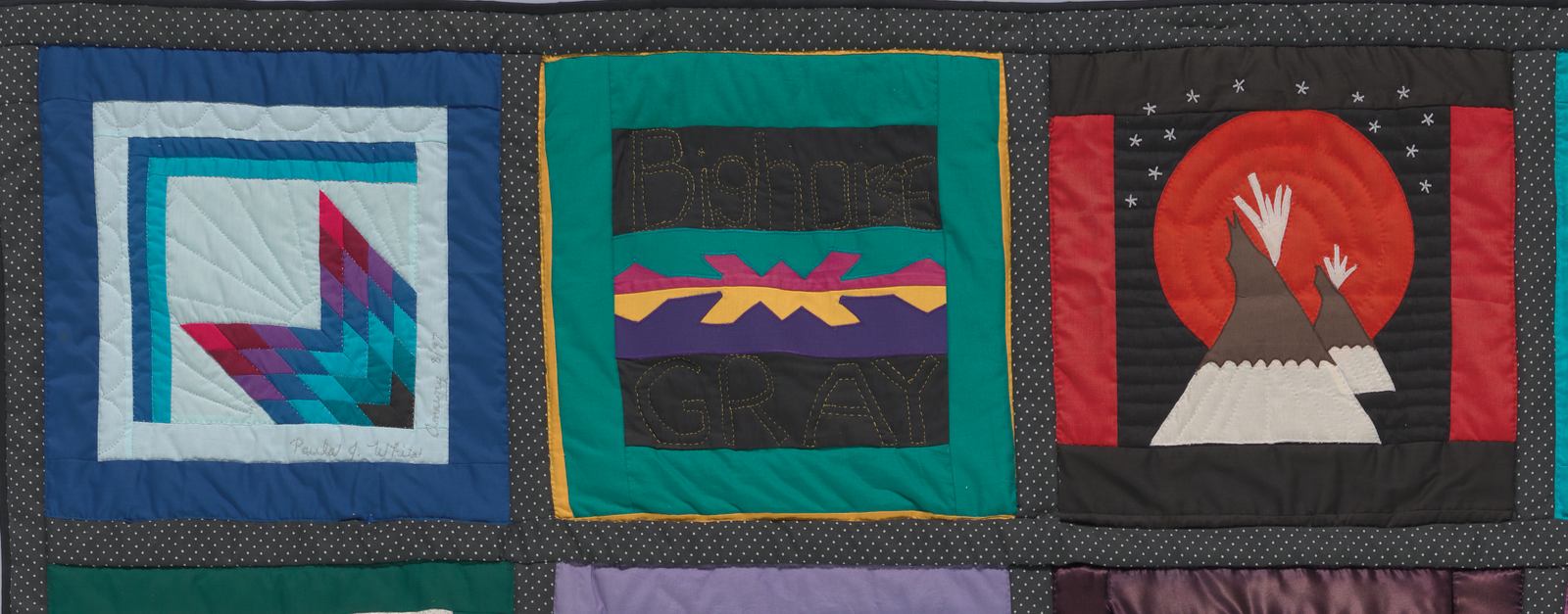
- October 17: The National Museum of the American Indian hosts its inaugural "Quilt Along" program, featuring artist Margaret Wood, bridging historical narratives with contemporary craft.
- October 19: A landmark date for city-funded artists, as the expanded Materials for the Arts (MFTA) access program officially commences, allowing grant recipients to utilize the warehouse on the second Monday of every month.
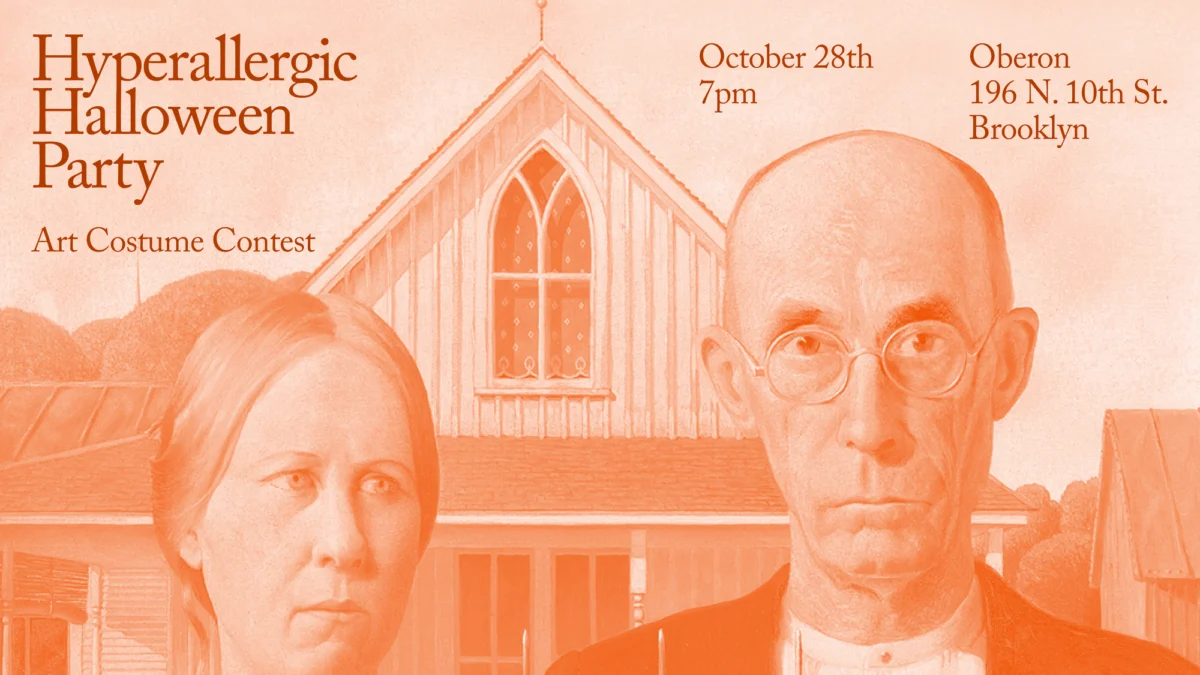
- Late October: The city gears up for the Tompkins Square Dog Halloween Parade and the Hyperallergic Halloween celebration, underscoring the city’s unique ability to blend high-concept performance art with community-led whimsy.
Indigenous Survivance: A New Institutional Standard
A central theme defining this season is the concept of "Indigenous survivance"—a term that transcends mere survival to encompass the active assertion of presence and the rejection of historical narratives of dispossession.
Recent exhibitions across the state have sought to deconstruct stereotypes and bring marginalized histories into the light. At the Hessel Museum of Art and other major venues, artists are not merely reacting to colonial history but are actively reinventing traditional art forms to speak to contemporary political and social realities.
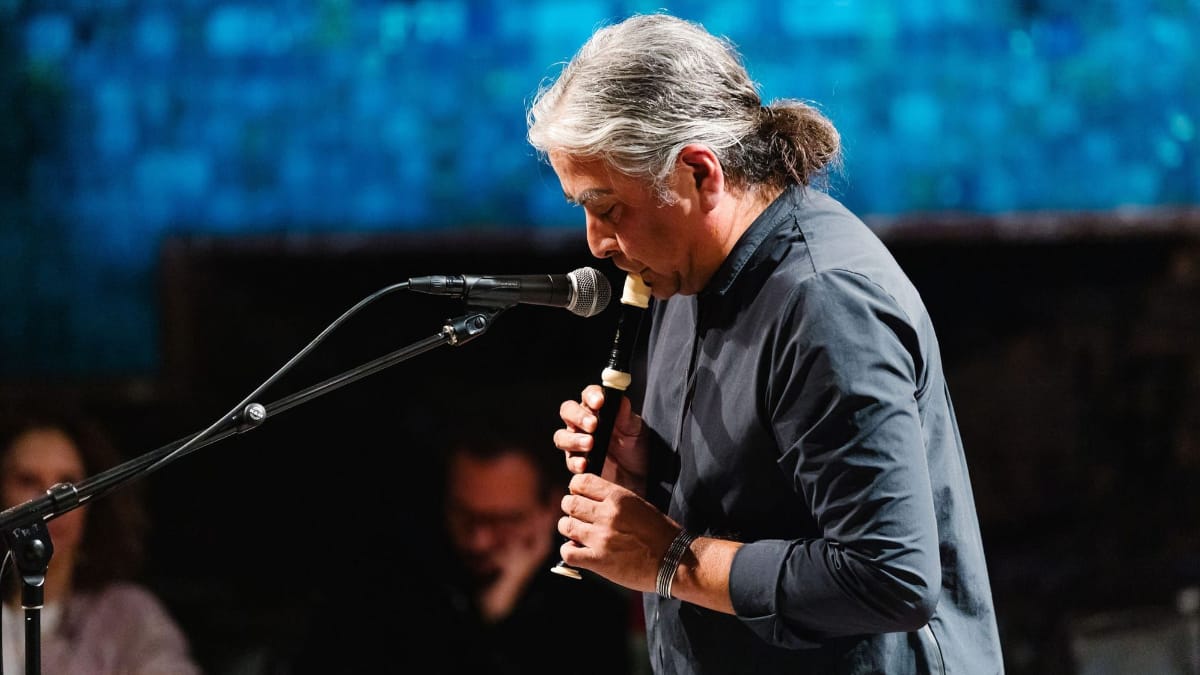
Notably, composer and Diné artist Raven Chacon recently concluded a transformative, hour-long improvisational sound performance at the Park Avenue Armory. This performance served as a profound meditation on the history of the land, utilizing sound as a medium to occupy spaces that have traditionally excluded Native voices. Following this success, the Gochman Family Collection has announced the opening of a dedicated Katonah site for contemporary Indigenous art next month, signaling a long-term investment in these vital narratives.
Supporting the Makers: Economic Shifts in Cultural Policy
Perhaps the most significant development for the city’s working artist population is the expansion of grant-related benefits. Following the Department of Cultural Affairs’ recent announcement to increase city-funded artist grants from $5,000 to $10,000, a supplementary benefit has been unveiled: access to the Materials for the Arts (MFTA) warehouse.
MFTA is the city’s premier creative reuse center, providing artists and non-profits with a steady supply of donated materials that would otherwise end up in landfills. By granting priority access to these resources, the city is acknowledging that the financial burden of art-making involves more than just studio rent; it involves the physical cost of materials. This policy change, effective October 19, provides a "second Monday" of each month for grant recipients to source supplies, effectively extending the value of the monetary grants and fostering a more circular, sustainable creative economy.
Critical Perspectives: Performance, Identity, and Agency
The city’s critical discourse is currently wrestling with the tension between individual agency and institutional curation. Several recent exhibitions and performances have provided a lens into these broader cultural anxieties:
The Ritual Joy of Queer Performance
Hrag Vartanian’s recent review of Pleasure Dome: Continuum at SoMad highlights the necessity of performance as a therapeutic and political tool. The review notes that the gathering was a "fête of therapeutic sound, queer political rally, vaudeville tribute, and a vibe manifesto for a city that is constantly shattering the old to make way for the new." It serves as a reminder that in a rapidly gentrifying city, performance remains one of the few spaces where the community can manifest its own reality.
Art as Political Commentary
In KLAB at the Salma Sarriedine gallery, the work of Riddikuluz uses the figure of the irascible dog to symbolize the unrestrained nature of perpetrators of genocide. Critic Daniel Larkin points out that this work forces a confrontation with uncomfortable realities, using the aesthetic of the "hellhound" to strip away the veneer of normalcy from systemic violence.
The Dissonance of Fantasy
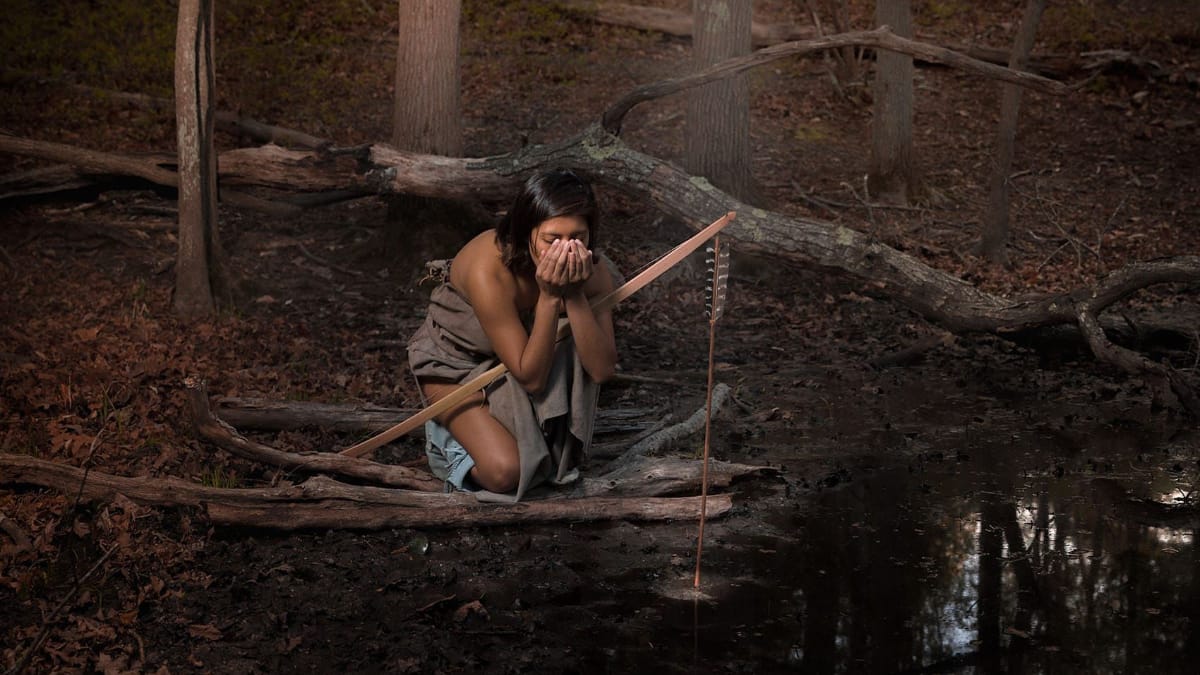
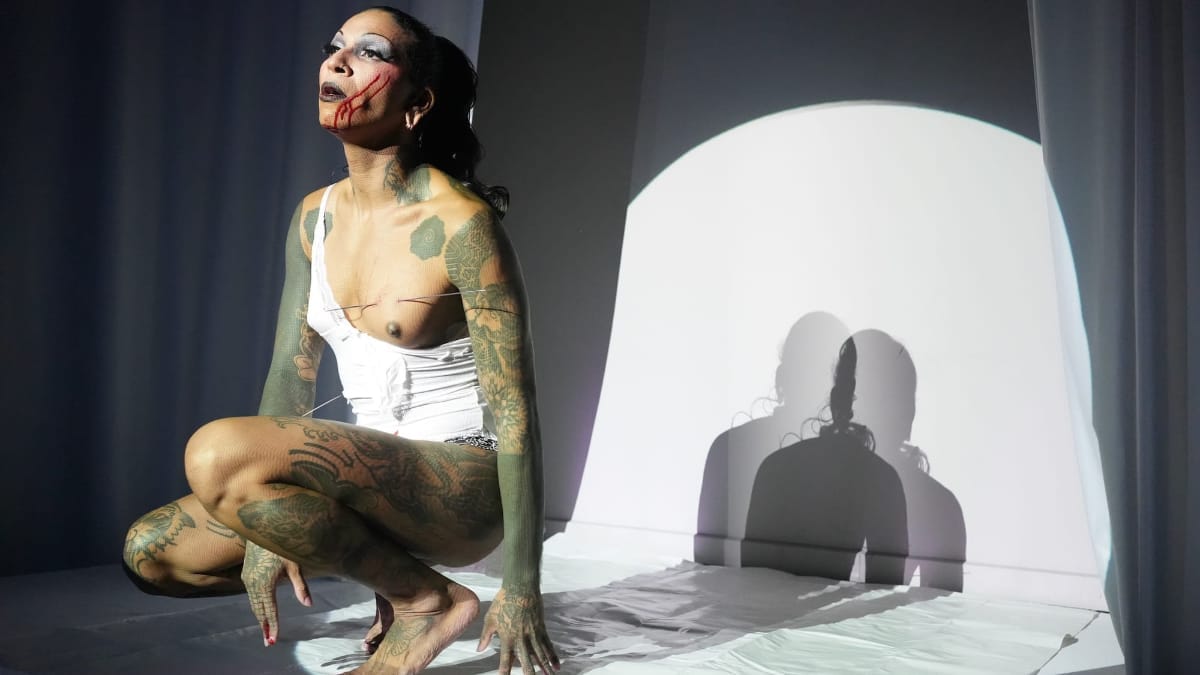
Julia Curl’s analysis of settle for a good fantasy at Luhring Augustine explores the performative nature of pain. By documenting the act of smearing eyeshadow until it resembles bruises, the artist creates a "dissonant, double feeling of pain and pleasure." This work challenges the viewer to acknowledge that even our most "authentic" displays of emotion are often curated acts, blurring the line between the private self and the public persona.
Institutional Autonomy and the "Betty Parsons" Debate
Seph Rodney’s critique of Betty Parsons: An Expanded World at the Hessel Museum of Art raises a salient point about the role of curators. Rodney argues that artists, regardless of their status or history, deserve the space to be viewed on their own merits without the interference of a curator’s heavy-handed intervention. The critique serves as a call for institutions to trust both the artist and the audience, allowing for a more direct, unmediated relationship with the work.
Implications for the Future of NYC Art
The implications of these developments are twofold. First, the move toward increased institutional support (such as the MFTA expansion) suggests a city government that is beginning to understand that the "creative capital" of New York is not a self-sustaining resource. It requires active maintenance through policy and financial investment.
Second, the shift toward Indigenous survivance and queer, performance-based resistance indicates that the art being produced in New York is becoming increasingly activist in nature. As the city continues to "shatter the old to make way for the new," artists are positioning themselves not just as creators of objects, but as the architects of new cultural narratives.
Looking Ahead: The October Calendar
As we look toward the remainder of the month, the accessibility of the city is paramount. The synergy between Open House New York and local open studios in Sunset Park and Gowanus presents a unique opportunity for the public to engage with the hidden "workshops" of the city.
Whether one is attending a quilt-making session at the National Museum of the American Indian or preparing for the theatrics of the Tompkins Square Dog Halloween Parade, the message remains clear: the city is open. The to-do lists may pile up, but the imperative to participate in the ongoing cultural conversation—to "immerse oneself in the culture"—is an essential component of life in New York.
As these events unfold, the challenge for the city’s institutions will be to maintain the momentum, ensuring that the support granted to artists and the space provided for marginalized voices are not merely temporary measures, but the foundation for a more inclusive and sustainable creative future.
The city is a site of constant transformation, and as the autumn leaves fall, New York is once again proving that it is a city that doesn’t just watch history happen—it actively writes it, one brushstroke, one performance, and one grant at a time.
