

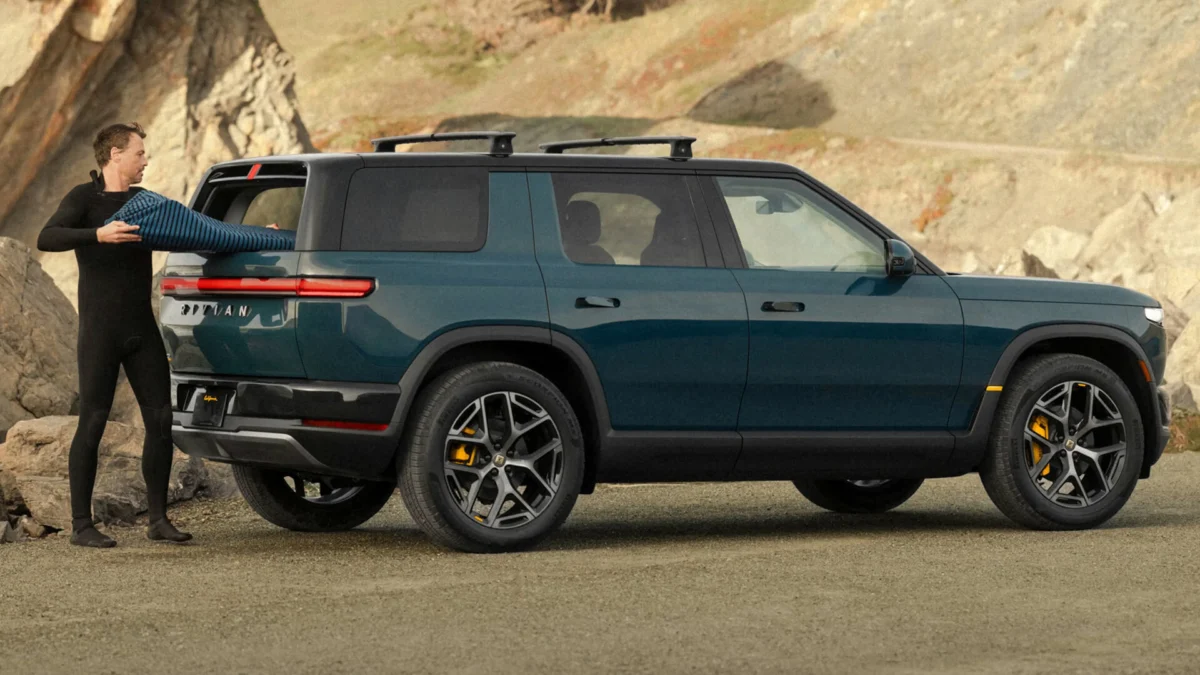
Rivian Automotive, the California-based electric vehicle pioneer, is finding itself navigating the delicate waters of early-production quality control. In a development that underscores the complexities of scaling automotive manufacturing, the company has initiated a safety recall for its highly anticipated R2 model. While the number of affected vehicles is remarkably small, the nature of the defect—a potential loss of drive power—has triggered a mandatory response from federal safety regulators, highlighting the automaker’s ongoing challenge to balance rapid production expansion with uncompromising build quality.
The Core Issue: A Critical Fastener Failure
The recent recall, filed with the National Highway Traffic Safety Administration (NHTSA), centers on a specific high-voltage battery component. According to the official safety report, a handful of Rivian R2 units were manufactured with a high-voltage battery fastener that was not torqued to the manufacturer’s precise specifications.
In the world of electric vehicle engineering, the high-voltage system is the heart of the machine. These systems operate at immense power levels, and electrical connections must be robust, vibration-resistant, and perfectly seated to maintain current flow. A fastener that is "under-torqued"—meaning it was not tightened enough—can lead to increased electrical resistance at the connection point. Under load, this resistance generates heat, which can cause the connection to degrade rapidly or, more critically, lead the vehicle’s sophisticated power management software to proactively cut power to the drivetrain to prevent a short circuit or thermal event.
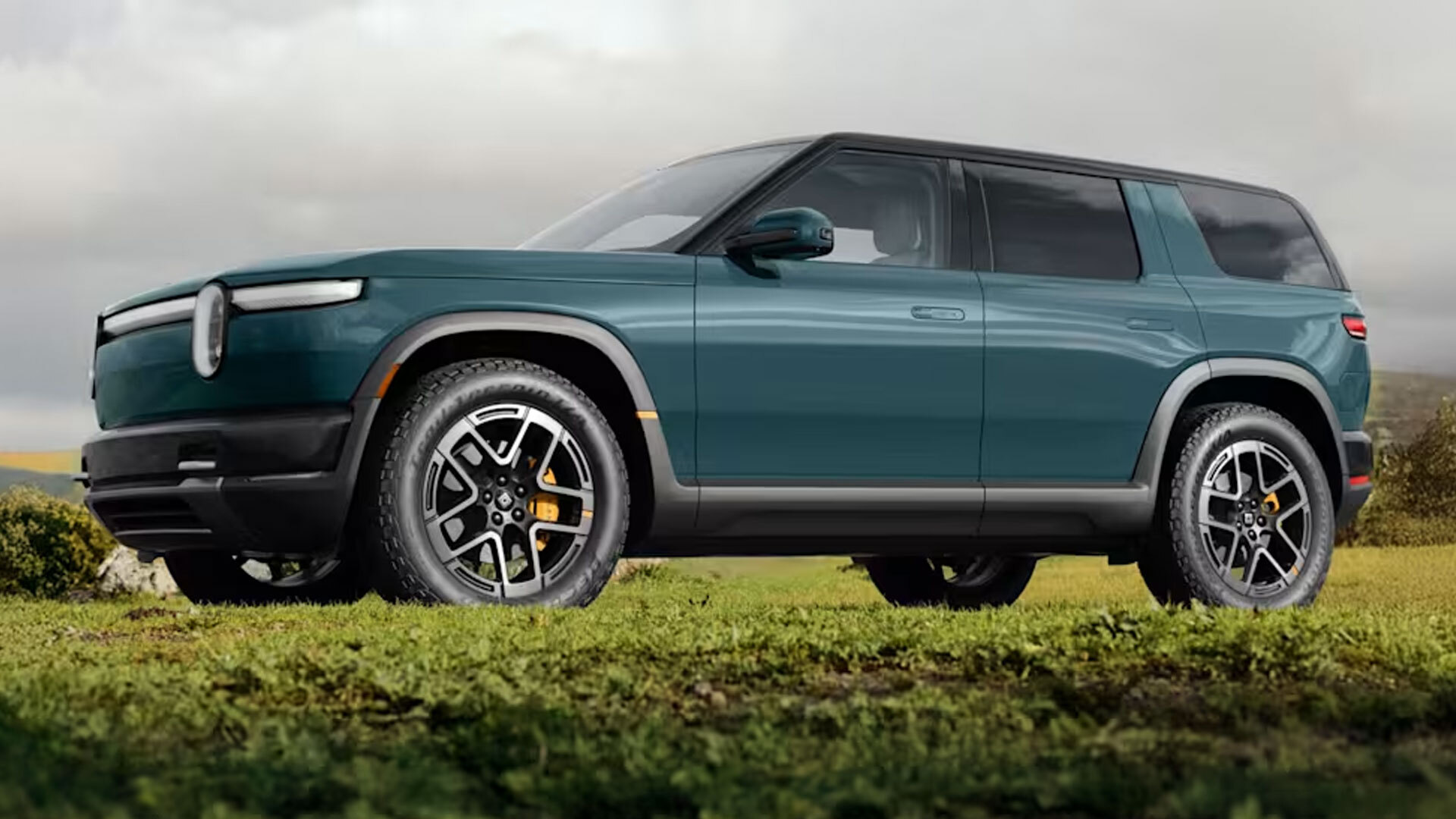
The prospect of a vehicle losing motive power without warning while in motion presents a clear safety hazard, particularly in high-speed or heavy-traffic scenarios. Consequently, Rivian has moved quickly to isolate the affected units.
Chronology of the Discovery
The road to this recall began in late September 2026, when an eagle-eyed employee at the company’s Normal, Illinois, manufacturing facility identified an under-torqued fastener during a routine quality assurance check. This discovery served as the catalyst for an internal investigation that sought to determine the scope of the issue.
- Mid-September 2026: The manufacturing line identifies an improperly torqued high-voltage connection.
- Late September 2026: Engineering teams conduct an audit of production logs, identifying a specific window of production—between September 17 and September 24—where the automated assembly process may have malfunctioned.
- October 2026: Formal notification is processed with the NHTSA, identifying 14 specific vehicles that may contain the defect.
- Late November 2026: Rivian begins the formal process of notifying owners of the affected vehicles, instructing them to bring their cars to authorized service centers for inspection and remediation.
The automaker’s quick identification and containment suggest a mature internal reporting system, yet the fact that the issue bypassed initial automated checks indicates that even highly digitized assembly lines are subject to calibration drift.

The Technical Culprit: Automated Assembly Limitations
Rivian has pinned the blame on an automated assembly station within its factory. In modern automotive manufacturing, robots are tasked with tightening critical fasteners to exact torque specifications to eliminate human error. However, these machines require constant calibration.
The company stated that the specific station responsible for this connection has been fully recalibrated and "reprogrammed to reject improperly torqued fasteners." This means that if a bolt is not tightened to the exact Newton-meter specification required by the engineering team, the station will now trigger an immediate stop or an error flag, preventing the vehicle from progressing to the next stage of assembly.
This pivot to "failsafe" manufacturing is a common, albeit expensive, lesson for young automakers as they move from pilot production runs to mass-market volume.
Implications for Rivian’s Reputation and Growth
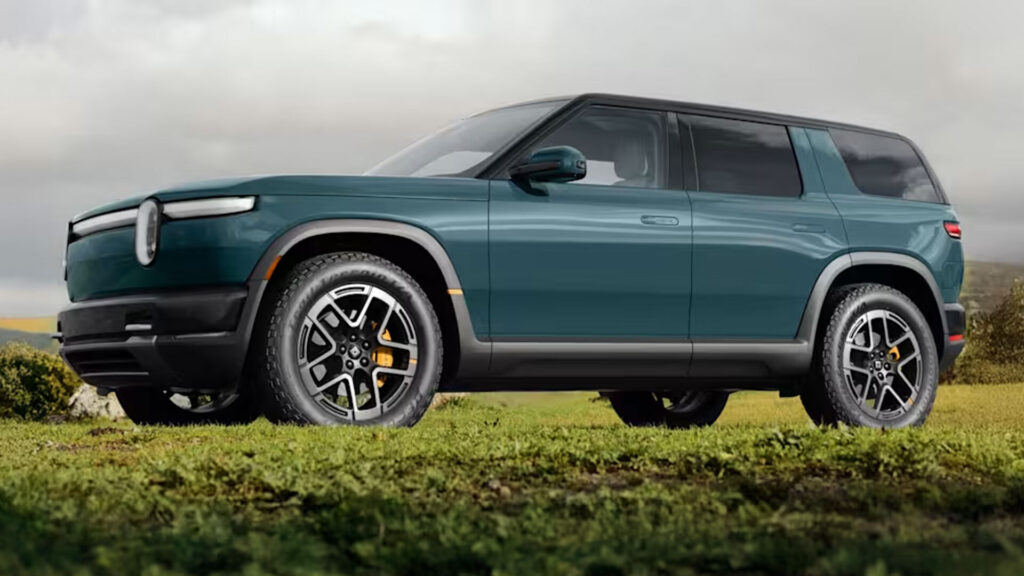
This latest recall is particularly sensitive because it involves the R2, a vehicle intended to be the company’s "mass-market" entry point. The R2 was unveiled with much fanfare, boasting an impressive 656 horsepower and a starting price of $57,990. For investors and enthusiasts alike, the R2 represents the "make or break" product for Rivian’s long-term profitability.
Recalls are an unfortunate reality of the automotive industry, affecting legacy giants like Ford and Toyota just as frequently as startups like Rivian. However, for a company still in the process of building its brand identity, these early-stage quality issues are closely scrutinized.
The Financial Landscape
Despite the recall news, Rivian’s broader production metrics remain relatively stable. In the third quarter of 2026, the company successfully produced 19,751 vehicles at its Normal plant, delivering 19,248 of them to customers. These figures are consistent with the company’s internal projections. Rivian has reaffirmed its annual guidance, aiming to deliver between 65,000 and 70,000 vehicles by the end of the year.

The market’s reaction will likely be tempered by the upcoming Q3 earnings report, scheduled for October 29. Investors will be looking for two things:
- Cost of Quality: The financial impact of warranty work and recall campaigns on the company’s gross margins.
- Efficiency Gains: Whether the production efficiency improvements (like the recalibrated fastener stations) are yielding higher yields per shift.
Official Responses and Owner Guidance
Rivian has emphasized that there have been no reports of accidents, injuries, or customer complaints related to this specific fastener issue. This is a crucial point for the company’s legal and public relations teams; by catching the defect early—before the vehicles could potentially fail in the wild—they have mitigated the risk of a more serious public safety incident.
For the 14 affected owners, the process will be seamless. Rivian service centers are equipped to perform the inspection and, if necessary, replace any damaged fasteners or electrical components at no cost to the owner. The company’s focus is on ensuring that the trust of these early adopters is maintained.
Conclusion: The Long Road to Mass Adoption
The automotive industry is characterized by its high barrier to entry, and one of the most significant hurdles is the "learning curve" of manufacturing. As Rivian scales up, the challenge of maintaining perfect consistency across thousands of parts and dozens of automated stations becomes exponentially harder.
The R2 recall is a textbook example of a manufacturer correcting a process error before it results in real-world harm. While it may provide fodder for critics who point to the "growing pains" of EV startups, it also serves as evidence of a system that is designed to catch its own mistakes.
As the calendar turns toward the end of 2026, all eyes will be on how effectively Rivian can put these early manufacturing hiccups behind them. If the company can maintain its delivery targets while simultaneously tightening its quality control protocols, it will likely emerge as a much stronger, more resilient player in the hyper-competitive electric vehicle market. For now, however, the focus remains on ensuring that every R2 leaving the factory floor is as reliable as it is powerful.
